
Reviewed · YPRES & WWI BATTLEFIELD TRIPS
Ypres: An exploration of the deadly salient battlefields
This is a battlefield tour with context, not just stops. In just 210 minutes, I love how you move from graves and memorials into trench life and back out to the wider story of the war.
Two things I especially like are the chance to see both sides, starting with Langemark German Military Cemetery, and the sheer emotional weight of Tyne Cot Cemetery, where the scale hits you in person.
One consideration: this is a sober day. You will want comfortable shoes and a headspace that can handle grief, loss, and the long aftermath.
In This Review
- Key points to know before you go
- Ypres Salient, paced for real understanding in a 3.5-hour van loop
- Essex Farm Cemetery and the casualty system you can actually picture
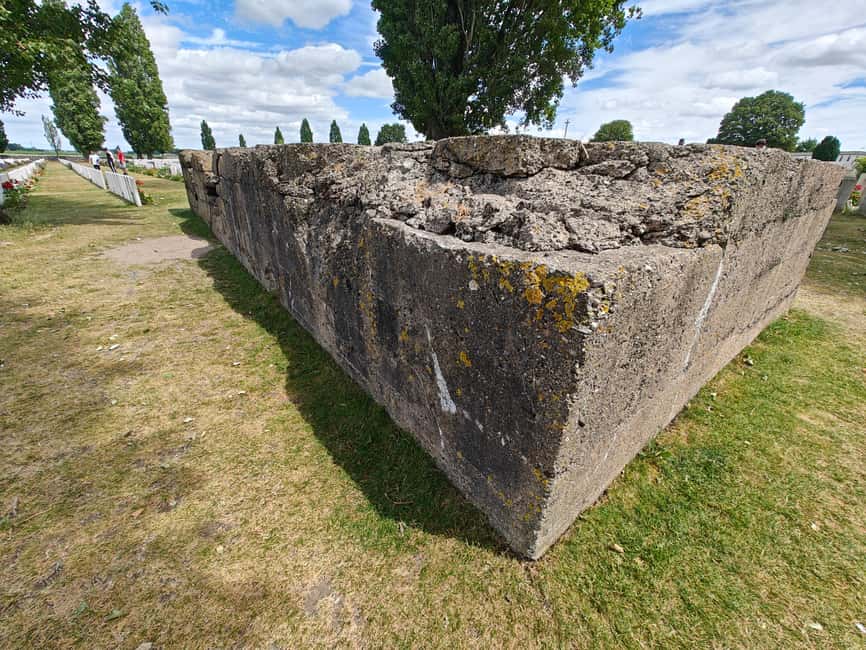
- Yorkshire Trench and Dug-out: standing where the war went underground
- Langemark German Military Cemetery: a German perspective that changes the whole frame
- Vancouver Corner, St Julien Canadian War Memorial, and the John McCrae moment
- Passendale battlefields by road: reading terrain like a map
- Tyne Cot Cemetery: the biggest CWGC scale you feel in your chest
- Price, timing, and why $88 feels like good value for this format
- Who should book, and who might want a different day
- Should you book the Ypres deadly salient battlefield tour?
- FAQ
- How long is the tour?
- What does the tour cost?
- How big is the group?
- Is there pickup and drop-off?
- What vehicle is used for transport?
- What sites are included in the tour?
- Is the tour guide English-speaking?
- What should I bring?
- Is free cancellation available?
- Can I reserve and pay later?
Key points to know before you go
- Small group in a minivan limited to 7 people, so the guide can pace and explain without rushing
- Essex Farm Cemetery first, building the background before you reach the trench sites
- Yorkshire Trench and Dug-out for a hands-on feel of what front-line conditions were like
- Both perspectives matter with Langemark German Cemetery plus Canadian memorials in the Ypres Salient
- Tyne Cot Cemetery gets your attention for the right reason, it is the largest CWGC cemetery in the world
- Passendale battlefields by car lets you read the terrain instead of only hearing about it
More of the Flanders Fields battlefields:
- From IEPER Private 4-hour Tour of the Ypres Battlefield
★ 5.0 · 154 reviews - In Flanders Fields and Passchendaele Half Day Morning Tour
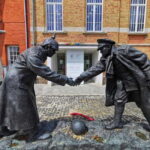
★ 5.0 · 117 reviews - From Ypres, The Christmas Truce to Passchendaele Ypres Based WW1 private tour
★ 5.0 · 29 reviews - From Ypres: WWI Battlefields Private Tour
★ 5.0 · 25 reviews - Ypres Battlefields and Passchendaele Museum Full Day Tour
★ 5.0 · 10 reviews
Ypres Salient, paced for real understanding in a 3.5-hour van loop
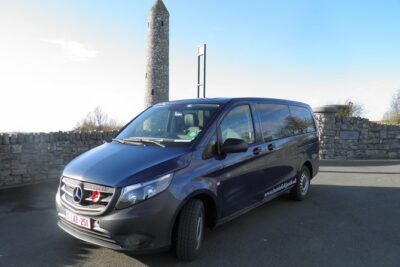
If you only have a half day in Ypres, this format makes sense. You start and finish in the Ypres area, and you ride between sites in a Dark Blue Mercedes minivan with the Kims Battlefield Tours logo. That matters, because the Ypres Salient is spread out, and battlefield context works best when you keep moving with a guide in the window.
The group size is also a big deal. Limited to 7 participants, you get a calmer experience than the big-coach chaos. I also like that you are guided in English by a live tour guide, so you can ask practical questions instead of just scanning signs.
The tone is another reason this feels different. The war story is presented with compassion, but it does not turn into drama. You get facts, location-based explanation, and the kind of human details that help the ground you are standing on make sense.
Essex Farm Cemetery and the casualty system you can actually picture
You begin at Essex Farm Cemetery with a guided visit that sets the mental foundation for everything that follows. I like starting here because cemeteries are not only places to mourn, they are built to communicate. In this tour, you also learn about the Commonwealth War Graves Commission and how wartime casualties were recorded through the casualty system.
This is one of those parts that can feel abstract if you read about it later. On the ground, it clicks: names, plots, and memorial choices are not random. They reflect a post-war effort to honor the dead and keep the story readable for future generations.
Practical tip for this stop: give yourself permission to slow down. Even if you are a history buff, cemetery visits reward quiet attention. Wear shoes you can stand in, because the understanding comes from the details you see up close.
Yorkshire Trench and Dug-out: standing where the war went underground
Next you step into Yorkshire Trench and the dug-out. This is where the tour shifts from records to conditions. A guided walk here is short enough to keep it manageable, but long enough that you actually get a sense of the physical reality: tight spaces, harsh weather survival, and the constant pressure that trench warfare created.
I like that this part is not treated like a movie set. The guide connects the trench shapes and layouts to what soldiers faced, so you can picture why attacks and defenses played out the way they did. You also get a clearer sense of why later memorials and cemeteries matter, because the trench system explains how the fighting produced such heavy casualties.
A consideration: this is emotionally intense. The ground-level experience can feel heavy fast. If you have a low tolerance for grim topics, you might still want the tour, but plan to take breaks and look away when you need to.
Langemark German Military Cemetery: a German perspective that changes the whole frame
One of the most thoughtful choices on this tour is that you do not only visit Commonwealth sites. You spend time at Langemark German Military Cemetery with a guided explanation that adds a German perspective on the Great War and its aftermath.
That shift is not for symmetry. It’s for understanding. When you only see one side, the war story can become lopsided in your head. Here, seeing how commemorations work on the German side helps you grasp the shared human cost, even when the narratives and national memories differ.
I found this especially valuable because it keeps you from turning the battlefield into a single-team history. The First World War is still political, still painful, but it is also deeply human on every side. That perspective is part of why the rest of the tour lands harder, not easier.
A few more Ypres afternoons to weigh up

Vancouver Corner, St Julien Canadian War Memorial, and the John McCrae moment
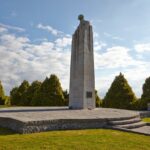
At St Julien, you visit the Canadian memorial area, including the Brooding Soldier at Vancouver Corner and the John McCrae memorial. This is one of the stops where the guide’s delivery really matters, because the story behind the memorials carries emotion even if you came in with zero poetry or zero background.
I like how these memorial points help you connect the war with language and remembrance. You stand in a place designed to hold meaning, not just facts. The guide ties the memorials back to the larger campaign so the names on stones do not feel disconnected from what happened in the fields around them.
If you plan to take photos, do it with respect. In these places, your best keepsake is not the image, it is the memory of how the site made the history feel anchored and personal.
Passendale battlefields by road: reading terrain like a map
Then you drive across the Passendale battlefields. This is not a long lecture. It is a chance to see how the land shaped what was possible. Even if you know the names, seeing the terrain helps you understand why battles were so hard, why movement was constrained, and why the fighting stretched out.
I like road-based viewing here because it keeps the pace steady. You also avoid the common problem of feeling like you missed something important while staring at a map later. The guide helps you connect what you see to the battle context, so the landscape becomes part of the story instead of just scenery.
Small practical note: weather in Flanders can change quickly. Bring a layer and keep your camera strap handy if you like taking quick reference shots of the wider views from the roads.
Tyne Cot Cemetery: the biggest CWGC scale you feel in your chest
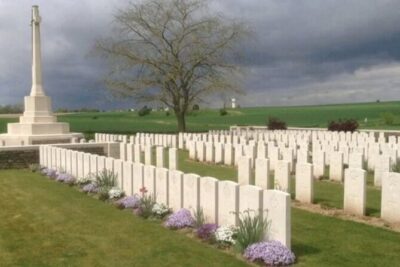
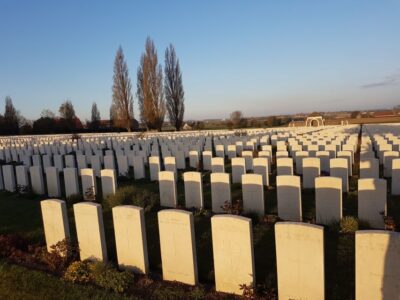
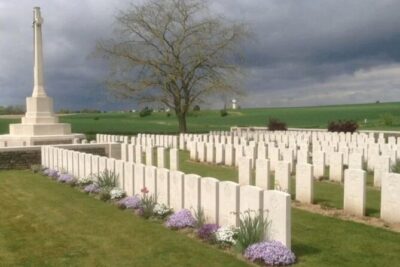
Tyne Cot Cemetery is the highlight most people talk about for a reason. It is listed as the largest CWGC cemetery in the world, and the scale is the main shock.
On this stop, you get a guided visit long enough to let the place register. I like that the guide gives you a way to process what you are seeing, including how cemeteries and memorials preserve names and stories when battle outcomes erased many lives quickly.
This is also the stop that benefits most from the earlier context. By the time you reach Tyne Cot, you already understand the casualty system and you have already stood in places that explain trench conditions. That makes the cemetery feel like the end of a connected chain, not a random tourist destination.
If you want one tip for Tyne Cot, it is this: choose one section or one direction and walk slowly through it. Let the scale build gradually, rather than trying to take it in all at once.
Price, timing, and why $88 feels like good value for this format
This tour costs $88 per person and runs about 210 minutes. For a battlefield area like the Ypres Salient, that price is less about the driving and more about interpretation and time. You are getting transport, a live English guide, and guided visits at multiple major sites without needing to plan the logistics yourself.
You also get value in the pacing. The itinerary keeps you moving, but not at a breakneck speed. The guided time at each stop is designed so you can absorb the key points instead of treating cemeteries like brief photo stops.
My advice on value: if you are the type who likes to read and research but wants the history made practical on the ground, this price is fair. If you only want a self-guided checklist, you would need to decide whether the time with the guide is worth it.
Who should book, and who might want a different day
This experience fits best if you want structured context and you care about getting the story right. I think it is especially strong for first-timers to the Ypres Salient, because it builds background early and then matches that background to the places you see.
It also works well if you care about getting more than one viewpoint. The mix of Commonwealth memorial sites, trench-era remains, and Langemark means you leave with a fuller mental picture of what the war did to multiple nations and families.
On the other hand, if you are looking for a casual, light sightseeing day, you might find this heavy. The history here is not meant to be fun. It is meant to be understood.
Should you book the Ypres deadly salient battlefield tour?
If you have half a day and you want your time in Ypres to count, I would book this. The combination of cemetery context, trench experience, Passendale terrain viewing, and both-side remembrance is exactly what makes the Ypres Salient tour more than a list of famous names.
Just be honest with yourself about two things. First, this is emotionally serious. Second, it moves at a guided pace, so wear comfortable shoes and come ready to listen.
If that sounds like your kind of trip, you will likely find this is one of the most meaningful ways to experience the Ypres Salient in a short window.
FAQ
How long is the tour?
The tour duration is 210 minutes.
What does the tour cost?
The price is $88 per person.
How big is the group?
The tour is a small group limited to 7 participants.
Is there pickup and drop-off?
Yes. Pickup and drop-off are included at your agreed location, and you travel between sites in a minivan.
What vehicle is used for transport?
You are driven from site to site in a Dark Blue Mercedes van with the Kims Battlefield Tours logo.
What sites are included in the tour?
You visit Essex Farm Cemetery, Yorkshire Trench and Dug-out, Langemark German Cemetery, the Brooding Soldier at Vancouver Corner, Passendale Battlefields, St Julien Canadian War Memorial, and Tyne Cot Cemetery.
Is the tour guide English-speaking?
Yes, the live tour guide speaks English.
What should I bring?
Bring comfortable shoes.
Is free cancellation available?
Yes. You can cancel up to 24 hours in advance for a full refund.
Can I reserve and pay later?
Yes. The option is available to reserve now & pay later.
Latest from Ypres


Ypres & WWI Battlefield Trips, compared.
Great War Flanders Fields Minibus Tour w/ Lunch
Read our review →
Flanders Fields Remembrance Tour from Brussels
Read our review →
From IEPER Private 4-hour Tour of the Ypres Battlefield
Read our review →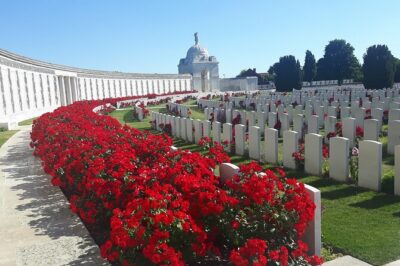
In Flanders Fields and Passchendaele Half Day Morning Tour
Read our review →
Small Group Ypres Remembrance Day Filled With War History
Read our review →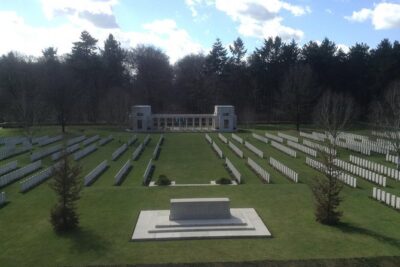
From Ypres, The Christmas Truce to Passchendaele Ypres Based WW1 private tour
Read our review →Browse the lists this tour appears in