
Reviewed · YPRES & WWI BATTLEFIELD TRIPS
Small Group Ypres Remembrance Day Filled With War History
WWI history hits you in the real places. This small-group Ypres day pairs Sanctuary Wood trenches with the evening Last Post at Menin Gate, guided in English by Joris.
I especially like two parts. First, I love the up-close trench setting at Woodmuseum Hill 62, where the preserved bunkers and trenches make the tactics feel real. Second, I like how the Menenpoort Last Post ceremony turns a long day of sites into one clear moment of respect and reflection.
One consideration: this is a 10 to 11 hour day with a lot of walking on uneven ground, plus a steady dose of heavy, emotional history. If you have mobility limits, you’ll want to plan your pace and wear shoes with real grip.
In This Review
- Key highlights worth planning for
- Sanctuary Woodmuseum Hill 62 trenches: your first real contact with WWI
- Ramparts Cemetery inside Ypres walls: reading names in the shadow of history
- Lunch near Ieper: a planned pause before the museum and the ceremony
- Ypres Cloth Hall and chocolate tasting: a gentle rhythm shift in the city center
- In Flanders Fields Museum in the Cloth Hall: the rebuilt trench that makes sense
- Menin Gate and the Last Post: the day’s emotional center
- How the pacing works on a 10 to 11 hour WWI loop
- Price and value: what $419.29 really buys you
- Who this Ypres remembrance tour fits best
- Should you book this Ypres tour?
- FAQ
- Where does this tour take place?
- How long is the tour?
- What time does the tour start?
- Is pickup offered?
- How big is the group?
- What language is the tour offered in?
- What tickets or entries are included?
- Is the Last Post ceremony included?
- How does lunch work?
- What is the cancellation policy?
- What if the tour is canceled due to minimum travelers?
Key highlights worth planning for
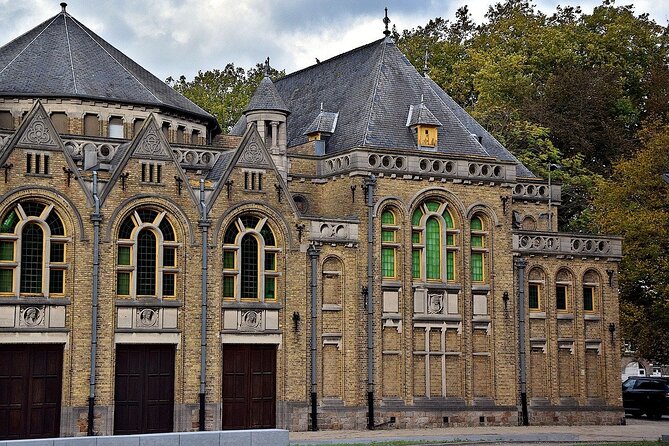
- Sanctuary Woodmuseum Hill 62 trench remains: preserved lines, bunkers, and artifacts on the ground where fighting happened
- Ramparts Cemetery inside Ypres city walls: a quiet multinational layout with names you can read slowly
- Cloth Hall time plus chocolate tasting: a break that still keeps you in the Ypres story
- In Flanders Fields Museum with a reconstructed trench: one of the best ways to understand how soldiers lived minute to minute
- Menin Gate Last Post ceremony: an iconic bugle moment held every evening since 1928
More History Tours in Ghent
- Historical Walking Tour: Legends of Gent
★ 5.0 · 1,761 reviews - Ghent: 40-Minute Historical Boat Tour of City Center
★ 4.3 · 430 reviews - Private Historical Tour: The Best of Ghent
★ 5.0 · 115 reviews - Bicycle tour in historic Ghent
★ 5.0 · 87 reviews - Chocolate history workshop Ghent
★ 5.0 · 34 reviews
Sanctuary Woodmuseum Hill 62 trenches: your first real contact with WWI
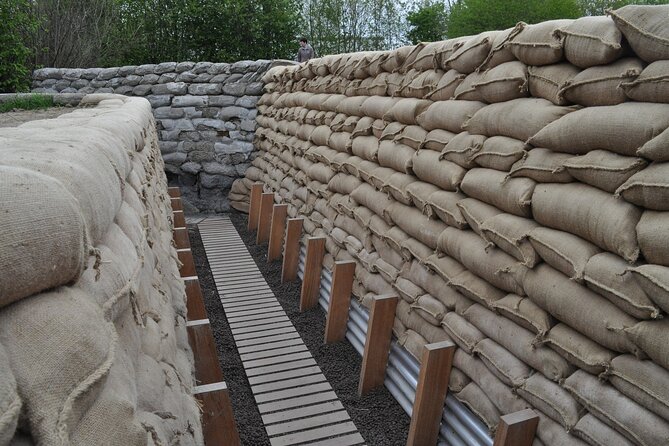
Your day starts with a drive out to Sanctuary Wood, near Ypres. The morning focuses on Woodmuseum Hill 62, a site that sits on land linked to some of the fiercest battles of the Great War. You’re not just looking at photos. You’re walking through preserved trench systems and seeing how the battlefield was laid out for survival, attack, and defense.
I like this opening for a simple reason. It gives your brain a map. Even if you know the basics, the terrain helps you understand why soldiers ended up where they did, and why the war became so slow, grinding, and deadly. There’s a good mix of what you see and what you’re guided through, including trenches, bunkers, and artifacts scattered around the landscape.
The museum time is also a strong value point. You’re given a full block of time (about 2 hours on this stop), so you can move at your speed instead of feeling rushed. Admission for this stop is free, which keeps your money going into the guided experience and not paperwork.
What to watch for: the ground can feel uneven, and trenches are not made for casual strolling. Bring comfortable shoes and be ready for a somber, focused start to your day.
Ramparts Cemetery inside Ypres walls: reading names in the shadow of history
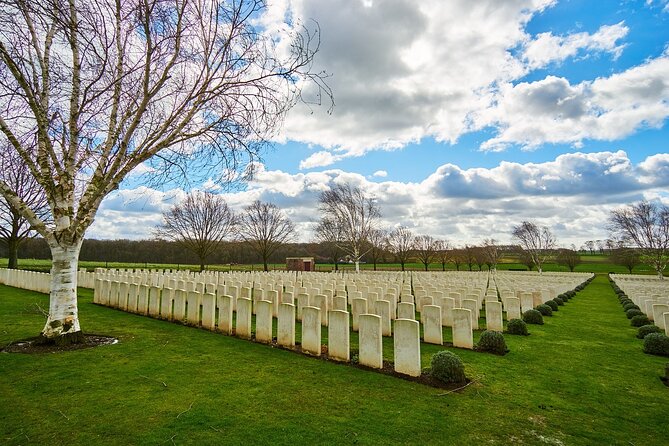
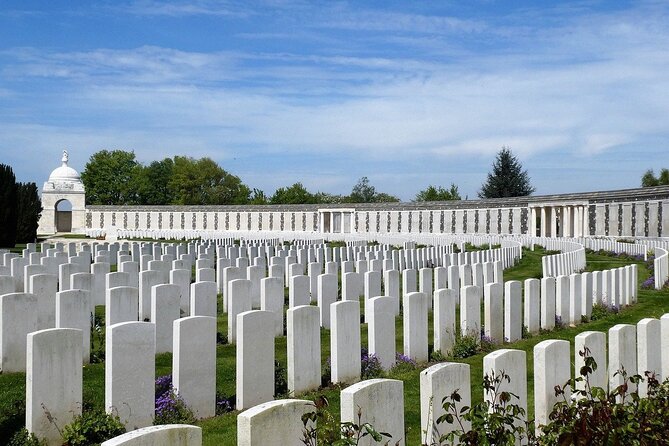
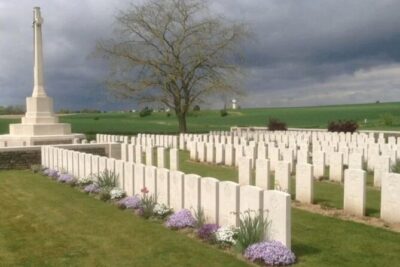
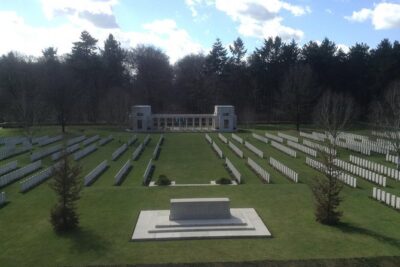
After the trench walk, you head toward Ypres itself and step into Ramparts Cemetery. This cemetery sits within the historic city walls, which adds a strange kind of contrast. You’re in a carefully maintained burial place, but the setting reminds you of the city’s defensive role during the war.
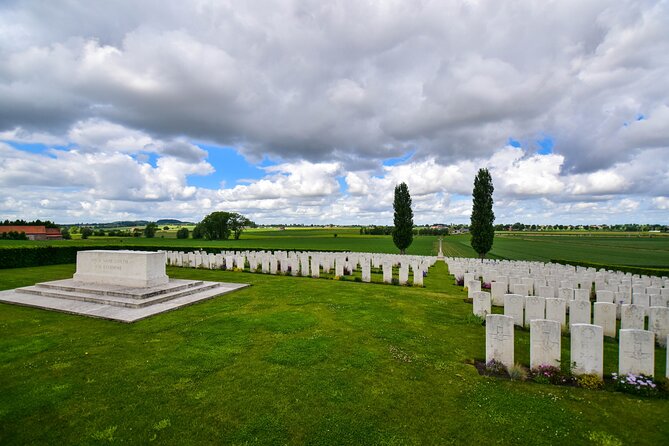
The emotional weight here comes from the details. Rows of graves are meticulously tended, and headstones carry names that link the battlefield to real people. The cemetery also reflects the multinational reality of World War I, with soldiers from different countries resting side by side.
I like that the tour doesn’t treat this as a quick photo stop. You get enough time (about 1 hour) to slow down. The setting inside the walls makes the place feel enclosed, like the memory is protected and kept close. And because admission is included for this stop, you’re not scrambling to figure out entry once you’re there.
Possible drawback: if you’re sensitive to heavy memorial spaces, this is where the day can feel emotionally intense. If you need a breather, you can take it in small pauses, like stepping aside to read fewer stones at a time.
Lunch near Ieper: a planned pause before the museum and the ceremony
The schedule includes a drive to a spot in nature for lunch, with time set aside so you’re not eating at a random street corner between monuments. This part matters more than it sounds. WWI sites can run together if you don’t reset your energy.
In at least one version of the day, the guide also prepares lunch and adds a beer tasting. Even if alcohol is not your thing, the key takeaway is that lunch is treated as a real rest, not just a break in the bus.
You’ll also likely hear conversation beyond the war story. Joris is known for bringing Belgium into the mix, including practical notes about languages and cultures while you’re driving. That kind of context helps the day feel less like a lecture and more like a guided understanding of where you are.
What to do: if you’re staying on schedule, keep an eye on timing. This is a long day, and lunch is the calm gap before more structured sites.
Ypres Cloth Hall and chocolate tasting: a gentle rhythm shift in the city center
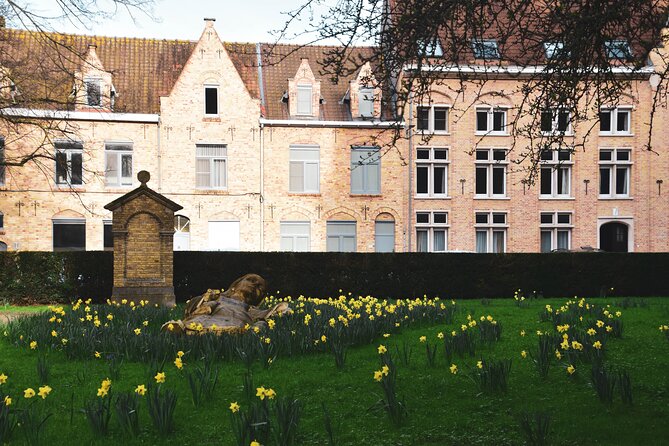
Once you reach Ypres, the tour makes a smart move: it slows down just enough to bring you back to everyday place. You spend time in the city center and include Ypres Cloth Hall, with chocolate tasting as part of the stop (about 1 hour, admission included).
Even if you’re focused on WWI, the Cloth Hall is worth your attention because it’s tied to Ypres identity and resilience. And chocolate tasting gives you an easy, low-pressure moment to regroup. It’s the kind of break that keeps the day human, not only historical.
I also like that this city time can connect the war sites to the town’s architecture. In the walk through town, the guide typically points out well-known landmarks like Cloth Hall and St. Martin’s Cathedral, so you see the beauty of the place alongside the scars of the past.
Quick tip: use the city center hour to take short photos and buy only what you can carry. You still have museum time and then the Menin Gate ceremony, so don’t overpack your day.
More of the Flanders Fields battlefields:
In Flanders Fields Museum in the Cloth Hall: the rebuilt trench that makes sense
Next comes one of the most powerful learning stops of the day: In Flanders Fields Museum inside the Cloth Hall building. You get about 1 hour 30 minutes here, and admission is included.
What I find most useful is the way the museum frames the human story of the Great War. The highlight is a reconstructed trench with elements like sandbags and barbed wire. You can walk through the trench setting, which helps you understand the harsh reality soldiers faced instead of treating the war as abstract dates.
On top of that, the museum includes personal stories and artifacts. That combination is what makes the experience stick. You see the environment, then you connect it to people. It’s easier to remember names, units, and events when you’ve also stood inside a recreated slice of life.
What to expect: museum spaces can be dim and busy, so plan to pause. If you try to race through, you’ll miss the moments that make it meaningful.
Menin Gate and the Last Post: the day’s emotional center
You finish at Menin Gate, with time set aside for the Last Post ceremony. The Menenpoort (Menin Gate) is famous for the bugle call, held every evening since 1928, with the only exception being years of German occupation during World War II. Admission for this stop is free in the tour schedule.
This is the part that changes how your brain holds the day. Earlier stops give you history in pieces, like trenches, cemeteries, and exhibits. The Last Post takes all those pieces and turns them into one shared act of remembrance. The ceremony itself is organized by the Last Post Association, and people from around the world gather to listen.
I also like that the tour treats the moment respectfully. The guide’s role is important here. You’re not just standing around. You’re prepared for what you’re seeing, and the pacing usually gives you time to reach the area and settle before the ceremony begins.
In one recent day, Joris also planned ahead so the group had an early dinner to be in good time for the ceremony. That kind of forethought matters. If you show up late, you lose the best part of the experience, which is the calm focus before the bugle.
Practical note: Menin Gate is a popular place during the ceremony. Wear layers, keep your hands free if possible, and stay quiet and attentive.
How the pacing works on a 10 to 11 hour WWI loop
This tour is long by design. It runs from 10:00 am, and the total time is about 10 to 11 hours including travel time. That sounds like a lot, but the schedule is built to avoid the common problem of squeezing too many WWI sites into a half day.
Here’s the rhythm you can expect:
- Morning trench time sets your understanding of the battlefield
- Midday shifts you into Ypres proper and the memorial setting
- Afternoon returns to context through the Cloth Hall and museum exhibits
- Evening ends with the Menin Gate ceremony, the moment everything points toward
With up to 8 travelers, the day feels more controllable than a big coach tour. Smaller groups usually mean the guide can manage pacing better, offer clearer explanations, and help people find where to stand or sit during key moments.
What to pack: comfortable shoes, a light jacket, and a water plan. In at least one review, Joris had bottled water in the car, but you shouldn’t rely on that every day.
Price and value: what $419.29 really buys you
At $419.29 per person, this is not a budget day trip. But the price makes more sense when you look at what’s included and what you’re paying for.
You’re paying for:
- Door-to-door style pickup from your hotel area, with live WhatsApp location info shared for pick-up
- Transportation through the region from Ghent to the Ypres area and back
- A max group size of 8, which keeps the experience personal
- Entry-related costs for multiple major stops, including In Flanders Fields Museum, Ramparts Cemetery, and the Cloth Hall museum area, plus ticket inclusions at other key points
- A guide who connects the sites with story and timing, including preparation for the Last Post ceremony
The best “value” part is the guide. Reviews highlight Joris for both accuracy and tone, with enthusiasm and humor that helps the day stay readable without disrespecting the subject. There’s also evidence of hands-on logistics, like texting before the tour with meeting details and having a warm, organized start.
So if your goal is understanding, not just checking landmarks, the cost can feel fair. If you want only a quick overview of Ypres for casual sight-seeing, you might find a cheaper option. But this day is built around learning, memorial focus, and ceremony timing.
Who this Ypres remembrance tour fits best
This tour is a strong match if you want WWI history that feels grounded. The trench time, the preserved sites, and the memorial spaces work best when you’re ready to pay attention and take your time.
It also fits well if you like a guide who blends respect with human energy. Joris comes across as friendly and funny, and that balance can make a heavy day feel manageable. One review even mentions playful humor like silly jokes, which helps keep your group engaged during long explanations.
You’ll probably enjoy this most if:
- You want a structured day with transport, tickets, and timing handled
- You’re interested in both battlefield sites and remembrance culture
- You prefer a small-group format over large buses
- You’re comfortable with a long day and walking on varied terrain
If you’re traveling with kids, teens, or anyone sensitive to war imagery, you’ll want to consider the emotional nature of cemeteries and reconstructed trench scenes.
Should you book this Ypres tour?
If you care about WWI history, I’d book it. The combination of Sanctuary Wood trenches, Ramparts Cemetery, In Flanders Fields Museum, and the Last Post at Menin Gate is a rare, well-sequenced way to understand the war and then honor those who were lost.
I’d think twice if you want a light, carefree day. This itinerary includes solemn memorial moments, and the walking and emotional tone are not optional. If you’re prepared for that, the small group size, English guidance, and the ceremony timing are exactly what make it feel worth it.
If you like to plan ahead, don’t wait too long. This tour is often booked well in advance, with an average booking window around 103 days, so early reservations can save you from missing your preferred date.
FAQ
Where does this tour take place?
It runs from Ghent, Belgium, with stops in the Ypres area, and it returns you to your hotel.
How long is the tour?
The duration is about 10 to 11 hours, including travel time.
What time does the tour start?
The start time is 10:00 am.
Is pickup offered?
Yes. Pickup is offered, and the live pick-up location is shared on WhatsApp.
How big is the group?
The tour has a maximum of 8 travelers.
What language is the tour offered in?
It is offered in English.
What tickets or entries are included?
Admission is included for key stops, including the In Flanders Fields Museum and Ypres Cloth Hall, and admission tickets are included for other listed stops as well. One stop notes free admission for Sanctuary Woodmuseum Hill 62.
Is the Last Post ceremony included?
Yes. The schedule includes Menin Gate for the Last Post ceremony, and it references the tradition held every evening since 1928.
How does lunch work?
Lunch is scheduled during the drive to a spot in nature near Ieper.
What is the cancellation policy?
Free cancellation is available up to 24 hours in advance for a full refund.
What if the tour is canceled due to minimum travelers?
If it is canceled because the minimum isn’t met, you will be offered a different date or experience, or a full refund.
Latest from Ghent





Ypres & WWI Battlefield Trips, compared.
Great War Flanders Fields Minibus Tour w/ Lunch
Read our review →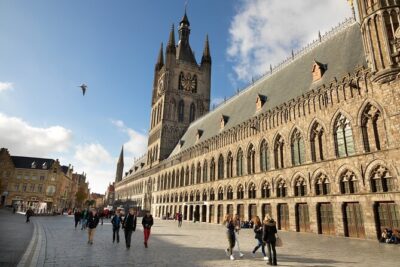
Flanders Fields Remembrance Tour from Brussels
Read our review →
From IEPER Private 4-hour Tour of the Ypres Battlefield
Read our review →
In Flanders Fields and Passchendaele Half Day Morning Tour
Read our review →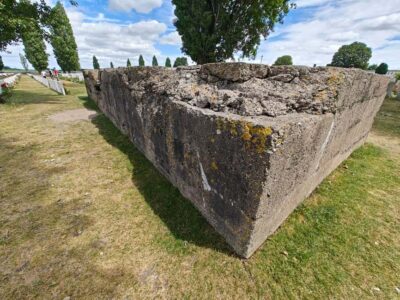
An exploration of the deadly salient battlefields
Read our review →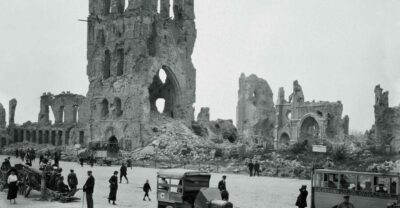
From Ypres, The Christmas Truce to Passchendaele Ypres Based WW1 private tour
Read our review →Browse the lists this tour appears in