
Reviewed · YPRES & WWI BATTLEFIELD TRIPS
Hidden Ypres: A Self-Guided Audio Tour
Ypres feels quiet today, then the audio brings it alive. Hidden Ypres is a self-guided GPS audio walk that links the rebuilt town with the brutal World War I years, ending at Menin Gate. You’ll hear stories like the 1914 Truce, the trench paper The Wipers Times, and even one of the loudest explosions in human history.
I really like two parts of this tour. First, you can set your own pace, which makes it easier to pause for photos and actually read what matters. Second, the route includes practical stops for a drink, including Mimi’s Koffie en Theehuis, De Ruyffelaer Ieper, and Brasserie Kazematten, so your walk does not turn into a nonstop grind.
One consideration: it is a smartphone-based experience, so you’ll want to bring your own phone, and you should plan to use your own headphones. If you forget those, you lose the whole point of the tour.
In This Review
- Key things to know before you go
- Why this audio walk fits Ypres so well
- Starting at Grote Markt and the Ypres Museum edge
- Rebuilt medieval Ypres: Cloth Hall, St Martin’s, and Vismarkt
- War reminders you can’t ignore: In Flanders Fields and St George’s Memorial Church
- Ramparts Cemetery and the story behind the gardeners’ children
- A quiet church stop that adds another layer: Saint Nicholas Church
- Coffee breaks that feel like part of the day
- The route’s big WWI story beats, from the 1914 Truce onward
- Lille Gate, the poppy symbol, and why remembrance got global
- Memorial stops for Indian soldiers and the long list at Menin Gate
- Price, value, and how to time it for a smooth day
- Who this self-guided Ypres walk suits best
- Should you book Hidden Ypres self-guided audio tour?
- FAQ
- Where does the Hidden Ypres self-guided audio tour start?
- Where does the tour end?
- How long does the audio tour take?
- Do I need an internet connection to use the audio?
- What equipment do I need to take this tour?
- Is the tour available year-round?
Key things to know before you go
- Self-paced GPS route so you can stop, restart, and linger without herding anyone
- Offline audio and maps for audio, maps, and geodata in the app
- Start at Grote Markt near Ypres Museum, then walk into the heart of the memorial trail
- WWI stories tied to real places like ramparts, cemeteries, and memorial churches
- Good drink recommendations along the way, including Mimi’s, De Ruyffelaer Ieper, and Brasserie Kazematten
- Ends at Menin Gate with the names of 54,896 soldiers whose bodies vanished in the Ypres battlefields
More of the Flanders Fields battlefields:
- From IEPER Private 4-hour Tour of the Ypres Battlefield
★ 5.0 · 154 reviews - In Flanders Fields and Passchendaele Half Day Morning Tour
★ 5.0 · 117 reviews - Ypres: An exploration of the deadly salient battlefields
★ 5.0 · 76 reviews - From Ypres, The Christmas Truce to Passchendaele Ypres Based WW1 private tour
★ 5.0 · 29 reviews - From Ypres: WWI Battlefields Private Tour
★ 5.0 · 25 reviews
Why this audio walk fits Ypres so well
Ypres (Ieper) was nearly erased in World War I, then rebuilt into a city that leans hard toward remembrance and peace. That makes it perfect for an audio tour, because you can move at human speed while the stories catch up. You are not stuck inside a museum. You are walking the same kind of streets where the war left its fingerprints.
This is also a nice value format. At $9.99 per person, you get lifetime access to the English tour in the app before your booking date and after it. It is the kind of purchase you only regret if you are the type who hates planning ahead or refuses to download anything.
Starting at Grote Markt and the Ypres Museum edge
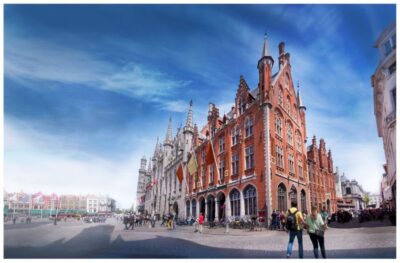
Your walk begins at Grote Markt, 8900 Ieper, right outside Ypres Museum. That is a smart place to start. The main square makes it easy to orient yourself, and it sets the tone for a town that was rebuilt with intention, not just patched up.
As you start moving, you’ll get your first look at reconstructed buildings. The audio sets up what you are seeing, including the idea that Ypres was not simply replaced, it was re-made from the ruins. There is also mention of how Churchill wanted to preserve the ruined city as it was, which helps explain why the memory of destruction still hangs in the air here.
Tip: when you begin, give yourself a minute to confirm the app’s GPS position and listen to the first segment all the way through. That way, your route stays smooth for the rest of the walk.
Rebuilt medieval Ypres: Cloth Hall, St Martin’s, and Vismarkt
From the center, the tour moves you through key sights that show what the town was before the war. You will see the vast medieval Cloth Hall, plus the gothic St Martin’s Cathedral, and the Vismarkt (fish market).
Why these stops work: each one reflects a different kind of Ypres identity. The Cloth Hall points to the city’s older commercial power, the cathedral anchors the religious and civic life of the town, and the fish market reminds you that everyday life is the real baseline. The audio uses those contrasts so the war stories feel less like trivia and more like a brutal interruption.
If you like photos, this is your window. The reconstructed buildings give you strong shapes and clean lines for pictures. And because this part of town is close together, you do not need to rush between points.
War reminders you can’t ignore: In Flanders Fields and St George’s Memorial Church
Next, the tour shifts into World War I territory, with stops like the In Flanders Fields Museum and the British St George’s Memorial Church. The audio keeps weaving you through the meaning of these sites, so you get more than a name on a sign.
The practical benefit is that your walking route doubles as an interpretation route. You do not need to guess why a memorial church exists here, or why a museum is central to the story. The audio connects the dots while you are still near the place, so it sticks.
From there, the route carries you toward the city’s edge and the ramparts, where the tone turns even more somber. This transition matters. Ypres is compact, so it is easy to feel like the war happened somewhere else. The ramparts and cemetery areas fix that.
More Self-Guided Trails in Ypres:



Ramparts Cemetery and the story behind the gardeners’ children
As the walk expands along parts of the ramparts, you’ll pass cemeteries, including Ramparts Cemetery. This is not just a location stop. The audio includes a specific human detail: a vanished school that once taught the cemetery gardeners’ children.
That kind of story hits differently than dates. It turns the war from a headline into a disruption of daily routine. You start to see how even the people who maintained the grounds were affected, and how the post-war landscape carried losses forward.
If you want this segment to land, slow down. This part of the route can feel mentally heavy. Take a few breaths, let the audio finish the thought, then move on when you feel ready.
A quiet church stop that adds another layer: Saint Nicholas Church
You’ll also pass Saint Nicholas Church and hear its story. The tour uses it as another puzzle piece in Ypres’s rebuild and remembrance. You are not just collecting memorial stops. You are building a sense of how the town’s religious and civic landmarks survived, changed, or were reinterpreted after the destruction.
I like that this stop prevents the walk from becoming one long memorial wall. It helps the town feel lived in, not turned into a single-purpose site.
Coffee breaks that feel like part of the day
One of the best parts of this walk is the built-in idea of pausing. The tour highlights places for hot or cold drinks, including Mimi’s Koffie en Theehuis, De Ruyffelaer Ieper, and Brasserie Kazematten.
This matters because Ypres memories are intense. If you plan to walk 90 minutes to 2 hours without any breaks, your mind can get tired before the stories do. Having suggested drink stops means you can reset without losing the thread of the route.
Where to be smart: if you grab a drink, do it right after an audio segment ends, not mid-sentence. That way, you keep the emotional rhythm. Also, do not plan a long sit-down meal. This tour is a walk, not a restaurant tour.
And yes, the broader idea here includes authentic bars where you can try a West Flanders beer. Brasserie-style stops are often where that works best, especially on a day when your schedule is built around walking.
The route’s big WWI story beats, from the 1914 Truce onward
The audio does a strong job of placing major wartime moments into real spaces. Along the way, you will hear about:
- The 1914 Truce, the famous pause in fighting
- The creation of The Wipers Times, the trench newspaper
- One of the loudest explosions in human history
- The ruined city context, including Churchill’s wish to preserve the damaged look
- Historic wartime photos, so you can compare what stands now versus what stood then
Here’s why this format is effective for you. When war stories are told in a museum voice, they can feel distant. When they are attached to streets, ramparts, churches, and gates, they become place-based and easier to remember. The audio keeps that connection alive while you walk.
Also, the route adds a special kind of emotional pacing. It is not nonstop tragedy. It includes the moments that show the human instinct to communicate, print, and keep meaning going even when conditions were impossible.
Lille Gate, the poppy symbol, and why remembrance got global
As you near the end stretch, you will see Lille Gate and hear how the Flanders poppy became a universal symbol of remembrance. This is one of those topics that can sound like a cultural fact. The audio approach makes it feel earned, because it is tied to the specific place where remembrance practices took on powerful meaning.
What to do here: treat it like a turning point. The poppy story is your bridge from local battlefields to global memory. If you’ve ever wondered why people wear poppies and what that ritual really signals, this segment gives the route-wide answer.
Memorial stops for Indian soldiers and the long list at Menin Gate
The walk also includes prominent memorials, including the Memorial for Indian Soldiers. That helps widen the story beyond one national angle, and it reminds you that the Ypres battles involved many countries and communities.
Finally, you end at Menin Gate, on Menenstraat, in front of the arch. Menin Gate is a huge limestone structure carved with the names of 54,896 soldiers whose bodies vanished in the Ypres battlefields. It is the kind of final stop where you may not want to rush. The audio finishes, but you may feel like you’re still reading the names.
Practical move: when you finish, take a minute before your next plan. Even if you are heading straight to dinner, give yourself time to absorb the end point. It is one of those places where your mind wants a pause.
Price, value, and how to time it for a smooth day
At $9.99 per person, this is priced for people who want a meaningful walk without paying for a guided group. The value is not just the low cost. It is the lifetime access in English, and the fact that you get offline audio, maps, and geodata.
Also, this tour gets booked ahead. The average booking time is about 32 days in advance, which is a gentle reminder that it’s popular. If you are traveling during a busy period, I’d secure it early so you can plan meals and any museum time around it.
Timing-wise, you’re looking at about 1 hour 30 minutes to 2 hours. For most people, that works as a great afternoon or pre-dinner walk. If you are visiting Ypres for the first time, this is a smart way to get context before you hit deeper museums, because it teaches you what to notice.
Who this self-guided Ypres walk suits best
This tour fits best if you like history that is tied to real places and you prefer moving on your own terms. The self-guided nature also helps if you hate the feeling of being pushed along. You do not have to coordinate with anyone else.
It is also a good fit if you want war context but do not want a lecture format. The audio includes famous moments like the 1914 Truce and the trench newspaper, plus smaller, haunting details like the vanished school.
If you are traveling with kids, the pacing can work well since the walk is short. Just know that the subject is serious, especially once you reach cemeteries and the ramparts.
Should you book Hidden Ypres self-guided audio tour?
Yes, if you want a self-paced, English audio walk that gives you real insight into Ypres and the impact of World War I, while still making time for coffee and a calmer pace. I especially like that the route balances major memorials with ordinary landmarks, so you finish with a better understanding of how a city rebuilds itself after total destruction.
Book it if you:
- want to walk between key sights without hiring a guide
- like having suggested drink stops so the day stays comfortable
- enjoy audio that connects stories to streets, churches, gates, and cemeteries
Skip it only if you:
- do not want to use your phone and headphones
- dislike walking for around 90 minutes to 2 hours
- need a fully guided, live commentary experience
If you do book, download everything for offline use before you head out, then set a realistic pace. Ypres deserves slow attention, not fast footsteps.
FAQ
Where does the Hidden Ypres self-guided audio tour start?
It starts on the main square, Grote Markt, 8900 Ieper, Belgium, outside Ypres Museum.
Where does the tour end?
The tour ends in front of Menin Gate, Menenstraat, 8900 Ieper, Belgium.
How long does the audio tour take?
Plan for about 1 hour 30 minutes to 2 hours.
Do I need an internet connection to use the audio?
You get offline access to audio, maps, and geodata in the app, so you do not need internet for the tour content.
What equipment do I need to take this tour?
You need your own smartphone and headphones. The tour uses an Android and iOS app.
Is the tour available year-round?
It is listed as open daily from 03/03/2025 to 10/06/2026, with hours shown as 12:00 AM to 11:59 PM.
Audio-Guided Ypres
- Antwerp: City Walk with Audio Guide in 7 Languages on your Phone
★ 3.0 · 15 reviews - Antwerp Scavenger Hunt and Best Landmarks Self Guided Audio Tour
★ 4.0 · 14 reviews - Antwerp Scavenger Hunt and Highlights Self Guided Audio Tour
★ 4.0 · 14 reviews - Liege Scavenger Hunt and Highlights Self Guided Audio Tour
★ 4.0 · 9 reviews
Latest from Ypres





Ypres & WWI Battlefield Trips, compared.

Great War Flanders Fields Minibus Tour w/ Lunch
Read our review →
Flanders Fields Remembrance Tour from Brussels
Read our review →

From IEPER Private 4-hour Tour of the Ypres Battlefield
Read our review →
In Flanders Fields and Passchendaele Half Day Morning Tour
Read our review →
An exploration of the deadly salient battlefields
Read our review →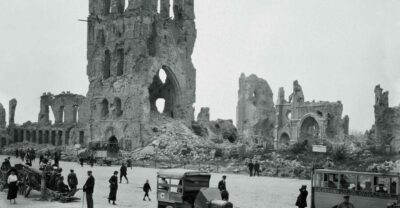

Small Group Ypres Remembrance Day Filled With War History
Read our review →Browse the lists this tour appears in