
Reviewed · YPRES & WWI BATTLEFIELD TRIPS
From Ypres, The Christmas Truce to Passchendaele Ypres Based WW1 private tour
If you want WWI sites to make sense fast, this is a smart way to do it. This private, fully customizable tour from Ypres strings together the key places around the Ypres Salient, then explains what happened on the ground, not just in textbooks. I especially like the private format, because you can shape the day to your interests and even bring family context into the route. I also like the practical touches like free bottled water, so you stay comfortable during a long, stop-heavy day.
One thing to consider: this is a full 8 hours of battlefield walking and storytelling, and lunch is not included. If you get tired easily or you like a slow pace, you’ll want to plan your energy for the day.
In This Review
- Key highlights you’ll actually feel
- Entering the Ypres Salient with the right frame of mind
- Price and value: what $420.49 gets you (and what it doesn’t)
- Getting picked up in Ypres, and why that matters
- Messines Ridge: mine craters, the Christmas Truce setting, and a chilling footnote
- Hooge Crater Cemetery, Menin Road, and the story behind a VC
- The Black Watch site: Australian HQ in 1917, with earlier actions too
- Polygon Wood: walking the woods and seeing concrete that survived
- Hill 60: Captain Woodward, the tunnelling story, and a crater at 3.10am
- Broodseinde and Zonnebeke: using the drive to keep the map in your head
- Tyne Cot Cemetery: the scale is huge, and only part of it is named
- John McCrae’s site and Menin Gate: words and names tied to place
- Sanctuary Wood Museum: original trenches and a museum that helps you picture life
- What the day feels like in real life (pace, comfort, and staying sharp)
- Who this private WW1 tour suits best
- Should you book? My call
- FAQ
- How long is the Ypres WW1 private tour?
- What does the tour cost per person?
- Is pickup included, and where does pickup work?
- What’s included in the price?
- What is not included?
- What is the cancellation policy?
Key highlights you’ll actually feel
- A tightly guided circuit of landmark WWI sites around Ypres, so you don’t waste time guessing where you are
- Messines Ridge details that connect big battles with human moments, including the Christmas Truce location and the crypt story involving Adolf Hitler
- Tyne Cot Cemetery scale and emotion: about 12,000 buried, only around 3,000 named, plus Australian VC recipients
- Hill 60 and tunnelling made visible, with the mine story tied to the crater you can stand near
- Menin Gate Memorial and the “missing” names, framed with context so the names feel real
- Trench museum time included, which helps you connect what you see outdoors with what life looked like underground
More of the Flanders Fields battlefields:
- From IEPER Private 4-hour Tour of the Ypres Battlefield
★ 5.0 · 154 reviews - In Flanders Fields and Passchendaele Half Day Morning Tour
★ 5.0 · 117 reviews - Ypres: An exploration of the deadly salient battlefields
★ 5.0 · 76 reviews - From Ypres: WWI Battlefields Private Tour
★ 5.0 · 25 reviews - Ypres Battlefields and Passchendaele Museum Full Day Tour
★ 5.0 · 10 reviews
Entering the Ypres Salient with the right frame of mind
Ypres is not the kind of place where you can just drive to “the highlights” and walk away satisfied. The ground is flat in places, the roads feel familiar in modern ways, and the battlefield geography can blur together if you do not have someone tying it to movement, artillery, and survival. That is where this tour earns its keep. You get the big picture, then you get the local details, stop by stop.
What makes it work is that your guide does more than explain what you are looking at. He connects the sites to each other as a campaign, and he keeps bringing it back to cause and effect. At these places, understanding why a ridge, a wood line, a cemetery, or a memorial matters is the difference between a quick glance and a day that sticks.
And because it is private, you avoid the “rush through everything” feeling you get on group tours. The day is built for your pace, your questions, and your focus.
Price and value: what $420.49 gets you (and what it doesn’t)
At $420.49 per person for about 8 hours, this is not a budget excursion. But I think it is priced like a true private battlefield day, with a lot of route planning and a lot of explanation baked in.
Here’s the value you are paying for:
- A guide who stays with you all day, rather than you piecing together history from signs
- Multiple high-impact stops, including major cemeteries and memorials
- Comfort support, with free bottled water during the tour
What you should plan around:
- Lunch is not included, so you’ll need to handle your own food break
- If you expect total flexibility on pickup outside the Ypres area, that is limited since pickup is Ieper based only
If you are coming for a serious, meaningful day where you want the story to land, this price starts to make sense. If you only want a light “drive-by” at the most famous memorials, you might feel the cost more.
Getting picked up in Ypres, and why that matters
The tour starts at 9:00 am, with pickup offered from select hotels in the Ieper (Ypres) area. That detail sounds small, but it changes the day. You lose less time and you spend more of the morning actually seeing and understanding the battlefield.
You also get a mobile ticket, which is a small convenience but helpful when you are juggling museums, walking shoes, and changing weather.
Because this tour is designed as a private experience for your group, it also needs a minimum number of travelers. The tour operates with at least two guests, and if that minimum is not met, you may be offered a different date or a full refund.
Messines Ridge: mine craters, the Christmas Truce setting, and a chilling footnote
The morning begins at Messines Ridge, and this is a good opener because it sets two themes early: large-scale strategy and human moments in the middle of horror.
Here you hear about the Battle of Messines, then you move through the area’s mine craters. Seeing crater terrain in person helps you understand why the ground itself became a weapon, not just a backdrop.
Then the tour shifts into one of the most talked-about episodes of WWI: the Christmas Truce location. If you only know the truce from stories and photos, this part gives you geography. You understand where contact may have happened, how close the lines were, and why that sudden pause was so shocking.
One of the most unusual details at this stop is the crypt where Adolf Hitler was treated for his wounds. Even if you do not focus on individuals, it adds an uncomfortable layer of reality to what otherwise can feel like distant history. Just expect a serious tone at this part of the day.
Practical tip: This is the kind of stop where questions help. Ask how the ridge mattered to movement and artillery, and you’ll usually get a cleaner picture of the campaign.
More Christmas market evenings in Ypres:

Hooge Crater Cemetery, Menin Road, and the story behind a VC
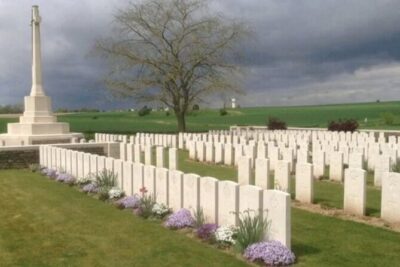
Next comes Hooge Crater Cemetery, a place that hits hardest when you understand the people connected to it. You visit the graveyard while learning about Pat Bugden VC, a 20-year-old recipient of the Victoria Cross.
Then the tour expands the view along Menin Road, including where Australian gun pits were positioned for the assault on Passchendaele. That is a key “aha” moment for first-timers. You start to see how cemeteries and memorial sites connect to specific battlefield roles like firing positions and planned breakthroughs, not just names in stone.
This stop is also short, which is smart. You get impact without fatigue. You leave ready for the next place to add more pieces.
The Black Watch site: Australian HQ in 1917, with earlier actions too
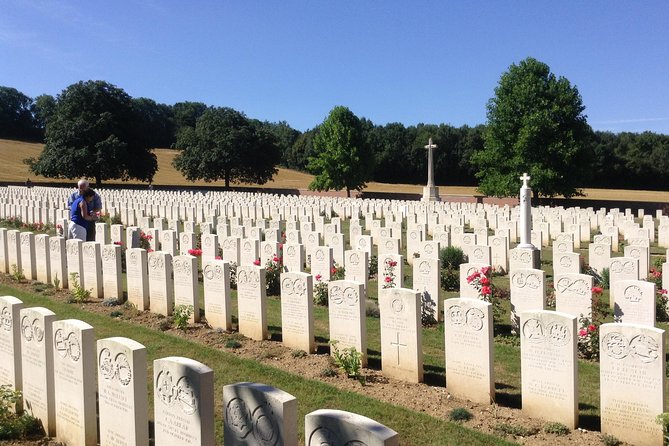
At The Black Watch, the tone gets tactical again. This site is where the Australian HQ was in September 1917. You also learn about earlier actions that took place on the same ground back in November 1914.
That “two time periods in one spot” approach is one of the tour’s best tricks. It prevents the war from feeling like a straight timeline. Instead, you realize the battlefield reused and reworked the same terrain again and again.
Even if you already know the names of places, you often do not realize how frequently the front shifted back across the same areas. This stop helps correct that.
Polygon Wood: walking the woods and seeing concrete that survived
Polygon Wood is where the tour turns into a sensory experience. You walk through the woods and visit concrete bunkers that were there during the time of the fighting when Australian forces captured parts of the area.
Walking through the woods changes your sense of how battles played out. Visibility, cover, movement, and noise all become questions, not assumptions. The tour keeps those questions connected to what soldiers actually faced.
You also get time at the cemetery and the Australian 5th Division monument. This is a good rhythm point: battlefield terrain, then a space for commemoration, then more battlefield terrain again.
If you hate feeling rushed outdoors, ask for a few extra minutes during this stop. Many people find this part the most memorable.
Hill 60: Captain Woodward, the tunnelling story, and a crater at 3.10am
Then comes one of the most compelling technical stories on the route: Hill 60. You hear the story of Captain Woodward and the 1st Australian Tunnelling Coy, including the planning and execution of a mine blown at 3.10am on 7 June 1917.
The tour’s payoff is that you can see the crater associated with the explosion. That simple fact matters. When the story is tied to terrain you can stand near, it stops being abstract and becomes physical.
This stop is long enough to feel complete, but short enough that you stay moving through the day. That balance helps because the mental load of WWI history can build quickly.
Broodseinde and Zonnebeke: using the drive to keep the map in your head
After the big walking stops, the tour moves through Broodseinde and later Zonnebeke by car. These are not the stops where you spend most of your time on foot. Instead, they keep the campaign geography alive by following the line of the Australian advance.
I like these “driving through” sections when they are done right, because they help you avoid the common problem of collecting stops that feel unrelated. Here, you get a moving map, and the guide uses the route to explain how different locations fit together.
Tyne Cot Cemetery: the scale is huge, and only part of it is named
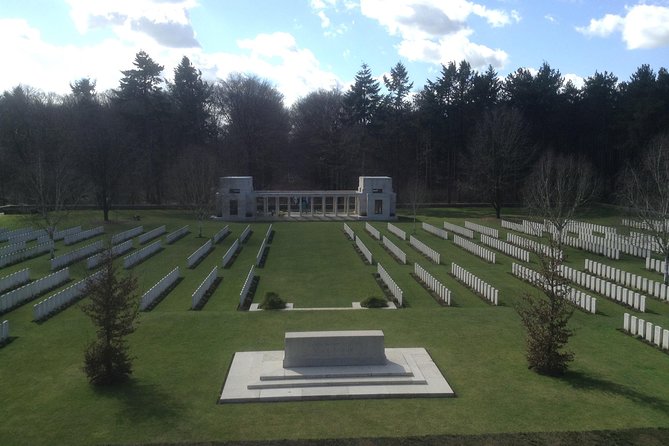
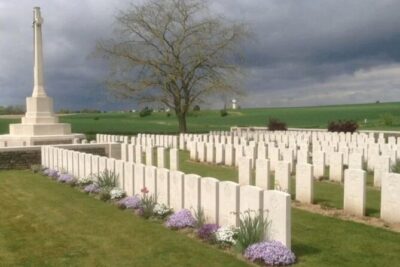
Tyne Cot Cemetery is one of those places where silence often takes over. It is the world’s largest Commonwealth War Graves Commission cemetery, with around 12,000 soldiers buried, and only about 3,000 named.
That ratio is hard to hold in your head, and the tour does a good job putting it in context. You also learn that two Australian Victoria Cross recipients are buried there, which helps personalize what otherwise could feel like only statistics.
This stop is a 45-minute block, which is just right for many people. You have time to take it in without feeling like you’re on a clock the whole time.
Practical tip: Plan to stand still here for a moment. Even if you want photos, take 30 seconds before you raise your phone. The place deserves your attention.
John McCrae’s site and Menin Gate: words and names tied to place
At John McCrae’s site, you see the hospital location where Lt Col John McCrae composed the poem In Flanders Fields. Even if you know the poem already, connecting it to the setting gives it a different weight.
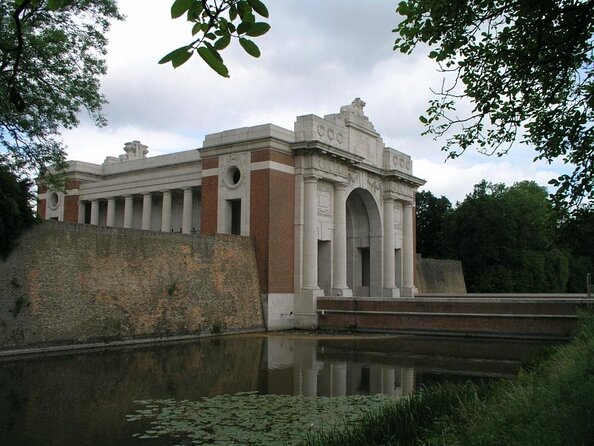
Then you move to Menin Gate Memorial, where you hear how it came about and the meaning behind the listed 55,000 names of the missing.
This is where the tour becomes less about battle mechanics and more about remembrance. I find it’s one of the best parts of the day for first-time visitors because it gives you a clear emotional framework. The names stop being “a number of casualties” and start being people.
The time here is about 20 minutes, so you might want to ask your guide one extra question at the gate, such as which names connect to the story earlier in the day. That kind of link makes the memorial feel less like a standalone stop.
Sanctuary Wood Museum: original trenches and a museum that helps you picture life
Near the end of the day, you reach Sanctuary Wood Museum, with about 40 minutes on site. You see original WWI trenches and visit a WWI museum.
This part earns its spot because it adds context. Outdoor sites can show you what’s left of the battle lines, but a museum and trench reconstruction help you understand daily life, not just famous events. It also gives your feet and brain a small reset.
Because trench museum entry is included, you avoid the need to track ticketing during a packed day.
What the day feels like in real life (pace, comfort, and staying sharp)
This tour is built as an all-day route with multiple stops, so pace matters. The combination of short walking segments, cemetery time, and driving sections makes it easier to handle. You are rarely stuck for hours in one kind of environment.
I also appreciated the free bottled water. WWI sites involve standing outdoors, walking on uneven ground, and absorbing a lot of information. Hydration keeps the day from turning into a foggy shuffle.
For your comfort:
- Wear shoes that you can trust on grass, gravel, and cemetery paths
- Bring a weather layer, because conditions around Ypres can change fast
- If you skip lunch, at least bring a plan for your own break, since it is not provided
If you have personal connections to WWI, this tour is especially worthwhile. The guide can customize the day and include family-linked details. That is the kind of personalization that makes the day more than sightseeing.
Who this private WW1 tour suits best
This is a great match if you:
- Want context for the Ypres Salient, not just a list of places
- Care about Australian involvement and Commonwealth graves, especially around Passchendaele
- Have a family link and want the places connected to that story
- Like asking questions and getting straight answers on the ground
It might not be the best fit if you:
- Only want the most famous memorials and nothing else
- Prefer to explore at your own speed without a full guided narrative
- Are sensitive to a heavy emotional tone, since cemeteries and memorials are central to the route
Should you book? My call
If you are in Ypres for a serious day and you want the battlefield to make sense, I would book this. The price is not low, but the structure is strong: major sites, clear storytelling, and included comfort, plus a private setup that lets you tailor the day.
It is especially worth it if you want more than surface-level sightseeing. The moments that stick for most people are the ones where the guide ties geography to events, and events to people. That is exactly what this route is designed to do.
If you do decide to book, come with at least one focus, like Passchendaele, the Australian advance, a specific name, or even just the overall timeline. Your guide, including Søren’s reputation for tailoring and following up with helpful links, can then shape the day around what you actually care about.
FAQ
How long is the Ypres WW1 private tour?
It runs for about 8 hours.
What does the tour cost per person?
The price is listed as $420.49 per person.
Is pickup included, and where does pickup work?
Pickup is offered from select hotels in the Ieper (Ypres) area, and pickup is Ieper based only. The tour also has a minimum of two guests.
What’s included in the price?
You get free bottled water during the experience and Sanctuary Wood Museum/trench museum is included. Mobile tickets are provided.
What is not included?
Lunch is not included.
What is the cancellation policy?
You can cancel for a full refund if you cancel at least 24 hours before the experience’s start time. If you cancel less than 24 hours before, the amount paid is not refunded.
December Evenings in Ypres
- Discover the magic of Christmas in Brussels with a local guide
★ 5.0 · 2 reviews - Christmas Magic in Bruges – Private Walking Tour
★ 4.0 · 2 reviews - From Amsterdam: Private Brussels Christmas Road Trip
★ 5.0 · 1 review - Bruges Christmas Market Tour With A Professional Guide
★ 5.0 · 1 review
Latest from Ypres


Ypres & WWI Battlefield Trips, compared.
Great War Flanders Fields Minibus Tour w/ Lunch
Read our review →
Flanders Fields Remembrance Tour from Brussels
Read our review →
From IEPER Private 4-hour Tour of the Ypres Battlefield
Read our review →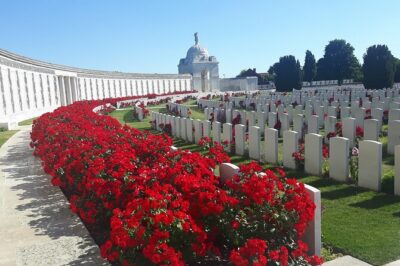
In Flanders Fields and Passchendaele Half Day Morning Tour
Read our review →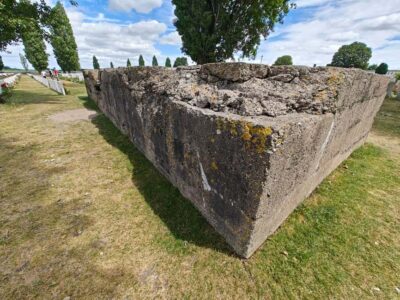
An exploration of the deadly salient battlefields
Read our review →
Small Group Ypres Remembrance Day Filled With War History
Read our review →Browse the lists this tour appears in