
Reviewed · YPRES & WWI BATTLEFIELD TRIPS
Flanders Fields Remembrance Tour from Brussels
This is history you feel in your chest.
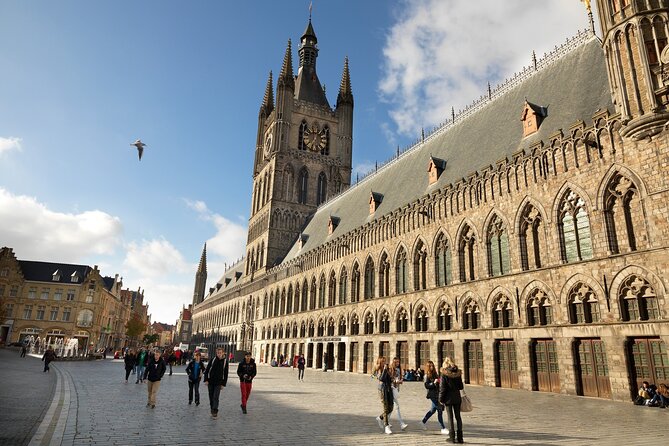
I like how this full-day tour strings together major WWI places without turning them into a checklist. You start in Brussels, ride out with an air-conditioned coach, and end back in the city after the Last Post Ceremony at Menin Gate in Ypres.
What I love most is seeing the Vladslo German Military Cemetery and Käthe Kollwitz’s sculpture Grieving Parents, then later walking through the named rows at Tyne Cot. Both stops make the war personal in a way that museum photos never do.
One heads-up: it’s a long day, roughly 13 hours, with multiple stops and plenty of time on the road. If you hate bus time or get cranky when schedules run long, this may feel like a grind.
In This Review
- Key Things You Will Notice on This Tour
- Starting in Brussels: the Coach Ride to Flanders WWI Stops
- Vladslo German War Cemetery and Käthe Kollwitz’s Grieving Parents
- Diksmuide’s Brooding Soldier and the Western Front Reminder
- Flanders Fields Museum: getting oriented before the battlefield stops
- Passchendaele and Tyne Cot: from mud memory to named graves
- Essex Farm Field Hospital, Hill 60, and John McCrae’s Poem
- Ypres at Your Pace, Then Menin Gate’s Last Post Ceremony
- A 13-Hour Logistics Reality Check and What to Pack
- Who Should Book This Tour, and Who Should Skip It
- FAQ
- What is the duration of the Flanders Fields Remembrance Tour?
- Where do I meet for the tour in Brussels?
- Where does the tour end?
- Is lunch included in the price?
- What language is the tour offered in?
- How big is the group?
- Is the coach air-conditioned?
- What time is the Last Post Ceremony?
- Are the site admission tickets included?
- Is cancellation free if plans change?
Key Things You Will Notice on This Tour
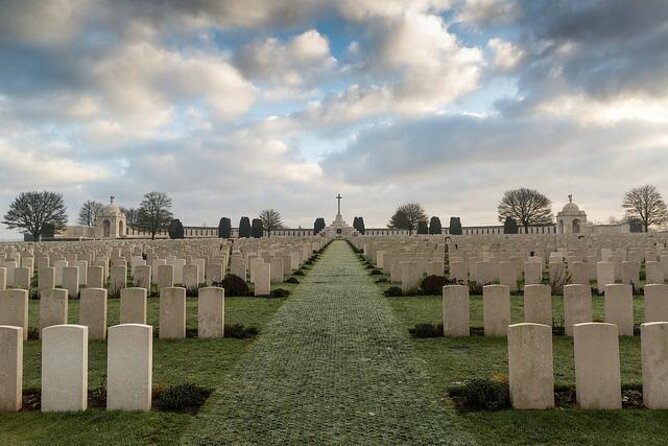
Vladslo’s Grieving Parents is the emotional anchor. The Vladslo cemetery is quiet, and Kollwitz’s sculpture hits hard because it’s about loss you can see, not just history you read.
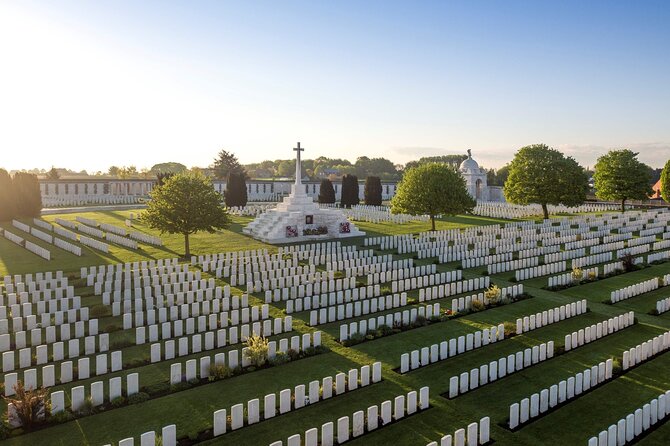
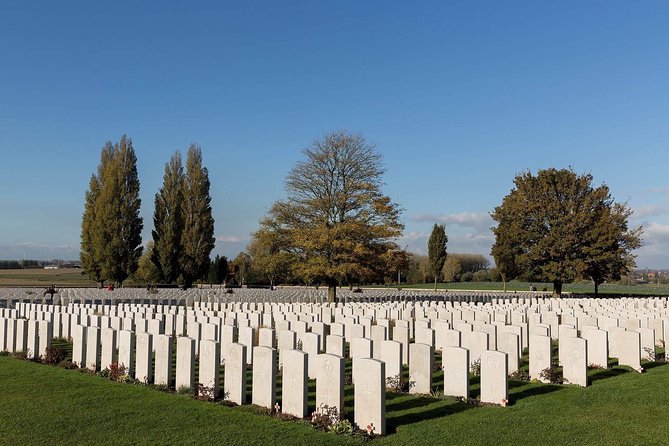
Tyne Cot Cemetery turns scale into individual names. The place is massive, with 35,000 graves. Standing there helps you understand the sheer weight of death in WWI.
Ypres builds the final context. You get time to walk around Ypres before the ceremony, so the evening doesn’t feel like an abrupt ending.
Menin Gate’s Last Post is short, but it lands. The notes and silence at the memorial are brief, yet they carry the day’s meaning in one ritual moment.
Expect a lot of driving, even with a good route. A few schedule patterns can include extra on-the-road time, so plan to be patient.
More of the Flanders Fields battlefields:
- Private World War I Battlefield Tour from Brussels to Flanders
★ 5.0 · 8 reviews - World War I Private Tour from Brussels
★ 5.0 · 8 reviews - Flanders World War I Battlefields Private Tour from Brussels
★ 4.5 · 4 reviews - Brussels: Private World War I Tour: Trenches & Battlefields
★ 5.0 · 2 reviews - From Bruges: Great War Flanders Fields Minibus Tour w/ Lunch
★ 4.9 · 1,257 reviews
Starting in Brussels: the Coach Ride to Flanders WWI Stops
You meet in central Brussels at Bd de Berlaimont 18, and the tour starts at 9:15 am. From there, you board a comfortable air-conditioned coach, and you settle in for the ride into the Ypres salient.
This is a day trip built for people who want structure. You do not need to plan routes, ticket timing, or which battlefield sites matter most. The guide keeps the story moving and gives you context so each cemetery and memorial doesn’t feel random.
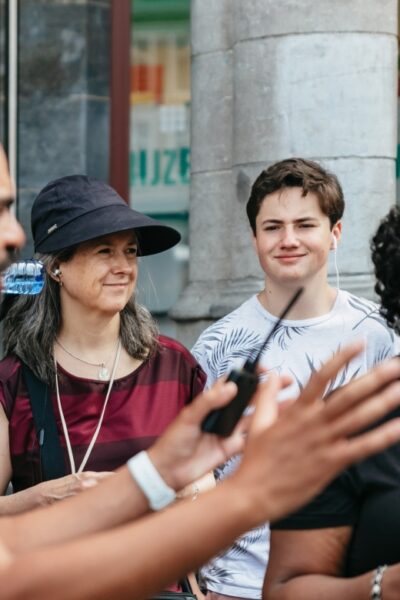
The group stays moderate in size, with a maximum of 100 travelers. You also get radios or earphones when needed, which is huge on a day with long explanations and lots of shared listening.
The main tradeoff is simple: it’s not a quick in-and-out. Even with good pacing, you’re on the coach for a big part of the day, so pack comfort items and settle in mentally for a long day.
Vladslo German War Cemetery and Käthe Kollwitz’s Grieving Parents
The first major stop is the Deutscher Soldatenfriedhof Vladslo, also called the Vladslo German War Cemetery. This is one of those places where the setting does half the emotional work. The grounds feel peaceful, which makes what happened there feel even more unbearable.
The highlight is the sculpture by Käthe Kollwitz, Grieving Parents. The name alone tells you it’s not about medals or victory. It’s about parents staring into the void left by sons who never came home.
I also like this stop because it balances the day. Many visitors expect only Commonwealth memorials and Allied cemeteries. Starting at a German military cemetery reminds you this war was fought on many sides, and the grief was real everywhere.
Admission here is free, and you’re given time to walk the cemetery and take it in at a human pace. That’s important because you can’t rush a place like this without losing the point.
If you’re sensitive to memorial spaces, bring that sensitivity with you. This stop is designed to be quiet and heavy.
Diksmuide’s Brooding Soldier and the Western Front Reminder
After Vladslo, you head to Diksmuide. The key sight is the monument of the Brooding Soldier, dedicated to the sacrifice of 2,000 Canadian soldiers during the first German gas attack.
This is a smart stop because it connects the war story to a specific moment rather than keeping things abstract. Gas warfare is hard to picture until you’re confronted with what it cost the people who suffered it.
You won’t only get a battlefield lecture. You’ll also see how monuments can carry meaning across decades, sometimes even when the landscape changes around them. That’s the point here: you learn what people wanted remembered, not just what happened.
Admission is free, and the stop is straightforward. You’ll get enough time to look up at the monument and understand what it represents before moving on.
Flanders Fields Museum: getting oriented before the battlefield stops
Next comes the Flanders Fields Museum, and this is where the day starts to click into place. Before you hit some of the most famous cemeteries and battlefield areas, the guide helps you understand what led to the conflict and how it escalated into a catastrophe.
The museum experience matters because WWI in Flanders isn’t one battle you can summarize neatly. It’s an ugly mix of occupation, trench warfare, harsh conditions, and slow, grinding change.
You also get a chance to take a lunchbreak during the transition, though lunch itself is not included in the tour price. Still, this pause helps you reset for the next emotional segment.
The best part is the guide’s framing. With the explanations, the displays feel less like “old photos” and more like a chain of choices and conditions that brought soldiers to the places you’re about to see.
Admission is free for this stop too, which makes the museum feel like an included value rather than an extra cost you still have to plan for.
A few more Brussels afternoons to weigh up


Passchendaele and Tyne Cot: from mud memory to named graves
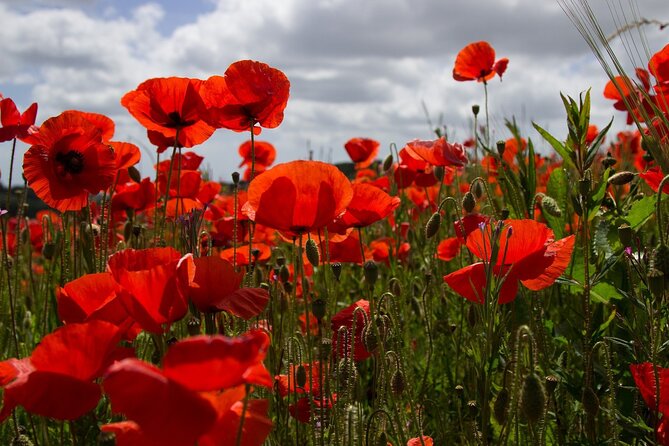
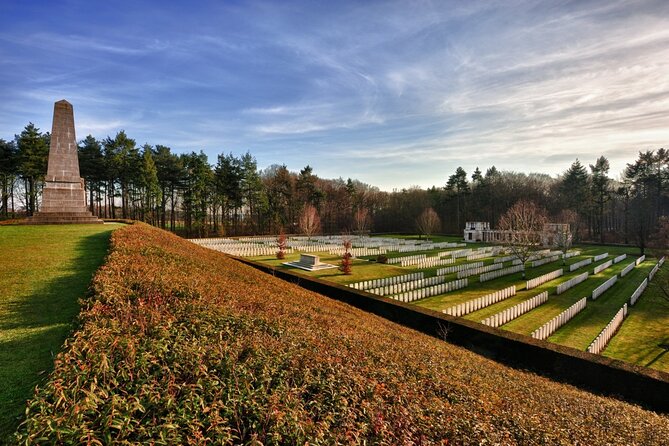
Passchendaele is next. The stop is about 30 minutes, and it’s exactly what you’d want if you’re short on time but still want the battlefield context. This is a place where the name alone signals how brutal the fight was, and where the landscape tells you the war’s scale by how slowly it recovered.
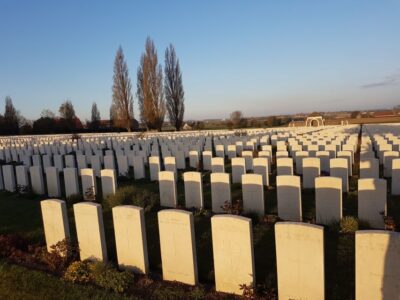
Then you move on to Tyne Cot Commonwealth War Graves Cemetery, the largest Commonwealth cemetery in the world. The numbers are staggering, with 35,000 graves for fallen soldiers from multiple countries, including British, Australian, and Canadian forces.
Here’s what I think makes Tyne Cot so powerful: it turns scale into repetition. You’re not staring at one monument. You’re facing row after row. That repetition forces you to think past one story and toward a collective loss.
I like that the tour doesn’t treat this as only a place to photograph. You get time to reflect, walk the grounds, and read what you can. The guide helps you understand why this cemetery matters historically and why it still matters emotionally.
As a reminder, admission tickets at these stops are free, so you’re paying mainly for the guide and transportation, not add-on entry fees.
Essex Farm Field Hospital, Hill 60, and John McCrae’s Poem
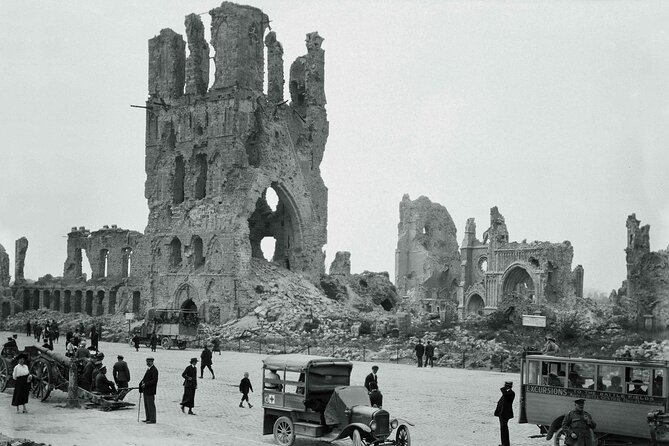
After Tyne Cot, you go to Essex Farm Field Hospital, described as the dressing station area where Dr. John McCrae wrote the poem In Flanders’ Field. Even if you already know the poem, seeing the place helps you feel its origin point rather than treating it like a quote in a textbook.
The stop is about 15 minutes. That’s not long, but it’s long enough to connect the poem to the ground and to hear the guide’s explanation of why it resonated.
You also visit Hill 60 to see strategic tunnels. This part is valuable because it shifts you from ceremonies and cemeteries into the practical reality of WWI fighting. Tunnels and underground structures were part of survival, planning, and tactics.
One thing to keep in mind: this segment is information-heavy and time-limited. If you like taking your time in historic places, stay close to the guide at first, then use the small windows you get for your own wandering.
This is the middle stretch of the day. By now, you’re likely carrying mental fatigue. If you find yourself getting “story overload,” focus on one thing at a time, like one tunnel entrance or one detail in the cemetery you pass.
Ypres at Your Pace, Then Menin Gate’s Last Post Ceremony
Eventually, you reach Ypres, and the tour gives you time for independent exploration and dinner (your own expense). I really like this break because Ypres isn’t just a backdrop. It’s a living town with its own rhythm, and that contrast matters.
Walking around before the evening helps you understand why the memorial ritual lands so hard. It’s not only about past suffering. It’s also about a community that still gathers to remember.
When it’s time to return to the main group, you head to Menin Gate for the Last Post Ceremony. The scheduled start time is 8 pm, and the total stop is about 30 minutes.
Even with that time, the actual ceremony is brief. Still, the effect can be intense because the memorial is already full of meaning, and everyone is quiet for the same reason. It’s the kind of moment where you don’t need extra facts. The ritual does the work.
This stop is often described as deeply moving, and it’s easy to see why. If the day feels emotionally heavy, the ceremony is where it becomes unified and official.
A 13-Hour Logistics Reality Check and What to Pack
This tour runs roughly 13 hours. That means it’s not just a “see the sites” day, it’s also a “manage your energy” day.
Here’s what helps:
- Wear comfortable shoes. You’re walking through cemeteries and memorial grounds.
- Dress for the weather. You’ll want something rain-friendly like a poncho or umbrella, since WWI sites are outdoors.
- Bring water if you can, especially because lunch is not included.
You also should know the tour is not a hotel pickup. You meet at a central Brussels address and then return to Brussels at the end, near Brussel-Centraal.
Finally, keep expectations realistic about the road time. The tour covers a lot, and a few schedule patterns can include extra on-the-road waiting or detours related to passenger logistics. If you get stressed by traffic delays, bring that stress with a plan to breathe through it.
The upside is that with the right mindset, those coach hours become part of the story. The guide turns the drive into the glue between stops.
Who Should Book This Tour, and Who Should Skip It
Book it if you want a structured day that hits the biggest WWI memorial sites in the Ypres area, with an expert guide explaining what connects them. I’d especially recommend it if you care about remembrance rituals, like the Last Post at Menin Gate, or if you’re drawn to how cemeteries make history personal.
It’s also a good fit for history fans who like depth but don’t want to figure everything out on their own. In particular, multiple guides named by guests, including Stefan, Diederik, and Dietrich, were praised for strong storytelling and staying organized through a long day.
Consider skipping if you’re short on patience for long days, or if you only want a quick hit. This is a “many stops, many emotions” kind of outing, and you’ll be on and off the coach throughout the day.
As for value, at $113.72 per person, it’s a solid deal if you count what you’re actually getting: transportation, an expert guide, and admission that’s listed as free for each stop. Lunch is the one big extra cost, since it’s not included, but you’ll have free time to get something in Ypres.
If you want one WWI day from Brussels that’s serious, guided, and meaningful, this is an easy “yes” with one condition: you’re ready for a long, moving day.
FAQ
What is the duration of the Flanders Fields Remembrance Tour?
The tour runs about 13 hours.
Where do I meet for the tour in Brussels?
The start meeting point is Bd de Berlaimont 18, 1000 Bruxelles, Belgium.
Where does the tour end?
The tour ends in Brussels near Brussel-Centraal, Carr de l’Europe, 1000 Bruxelles, Belgium.
Is lunch included in the price?
No. Lunch is not included.
What language is the tour offered in?
The tour is offered in English.
How big is the group?
The maximum group size is 100 travelers.
Is the coach air-conditioned?
Yes, the coach is air-conditioned.
What time is the Last Post Ceremony?
The tour attends the Last Post Ceremony at 8 pm at Menin Gate.
Are the site admission tickets included?
Admission tickets for the listed stops are shown as free.
Is cancellation free if plans change?
Yes, free cancellation is offered up to 24 hours before the experience start time.
Latest from Brussels




Ypres & WWI Battlefield Trips, compared.
Great War Flanders Fields Minibus Tour w/ Lunch
Read our review →
From IEPER Private 4-hour Tour of the Ypres Battlefield
Read our review →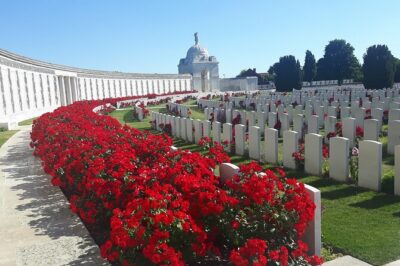
In Flanders Fields and Passchendaele Half Day Morning Tour
Read our review →
An exploration of the deadly salient battlefields
Read our review →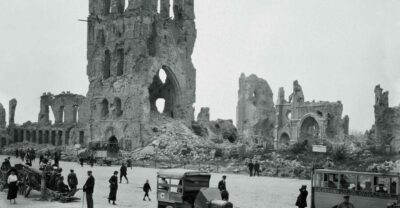
Small Group Ypres Remembrance Day Filled With War History
Read our review →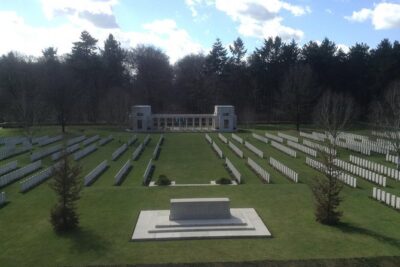
From Ypres, The Christmas Truce to Passchendaele Ypres Based WW1 private tour
Read our review →Browse the lists this tour appears in