
Reviewed · YPRES EXPERIENCES
Messines: Battle of Messines Guided Tour with Transport
Mines underfoot change how you see war. This guided Battle of Messines tour pairs small-group history with real battlefield stops, from underground tunnelling to the island where Irish soldiers’ poetry is read. I like the pace, because you get time to look closely, not just pass by. One thing to plan for, the walking can be uneven in places, so wear comfortable shoes.
I also like how the story is told with care, especially under the guidance of Kimberley Wright, who keeps the information clear and human. You’ll connect the dramatic 19 underground mine detonation to the lived experience of miners working in silence, then see how Messines village and the Church of Messines preserve lesser-known battle moments. The only drawback is that this is a reflective, weather-dependent outing, so bring layers and water so you stay comfortable.
In This Review
- Key things I’d watch for on this Battle of Messines day
- Why the Battle of Messines mines still feel real
- Meeting in Ypres: transport first, so you can focus on the sites
- Tour rhythm and timing: a 210-minute plan that keeps moving
- The underground mines story: what you learn before you look at craters
- Pool of Peace: a reflective stop that slows you down
- Standing by the Spanbroekmolen Crater: where strategy turns into geography
- Messines village and the Church of Messines: the human-scale side of the battle
- Island of Ireland Peace Park: Irish soldier poetry and the meaning after the battle
- Price and value: is $88 for 210 minutes a good deal?
- Who this tour suits best, and who might want a different format
- Tips that make the whole experience smoother
- Should you book the Battle of Messines guided tour with transport?
- FAQ
- Where are the pickup locations in Ypres?
- How long is the tour?
- How big is the group?
- Is the tour guided and in English?
- Do I need a car to do this tour?
- What is included in the price?
- Are meals and drinks included?
- What should I bring?
- What am I not allowed to do during the tour?
- Is this tour suitable for young children?
- What are the cancellation and payment options?
Key things I’d watch for on this Battle of Messines day
- 19 mines, explained: the tour focuses on how tunnelling worked and what that meant for the miners.
- Spanbroekmolen Crater views: you stand at the edge of Flanders’ largest crater and understand the attack line.
- Pool of Peace focus: you stop and listen long enough to take in the tone of remembrance.
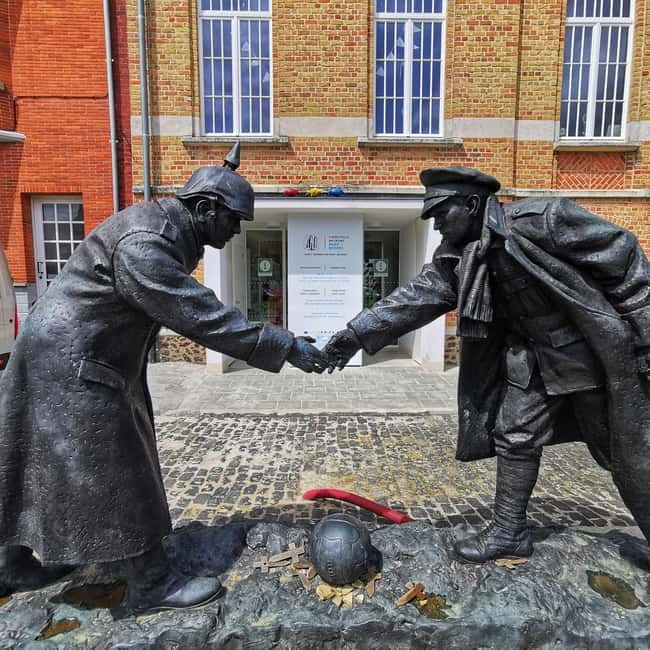
- Messines Church stories: you get lesser-known facts, plus context around the Christmas Truce of 1914.
- Island of Ireland Peace Park poetry: Irish soldier verses add a personal note to the landscape of loss.
A few more Ypres afternoons to weigh up
- From IEPER Private 4-hour Tour of the Ypres Battlefield
★ 5.0 · 154 reviews - In Flanders Fields and Passchendaele Half Day Morning Tour
★ 5.0 · 117 reviews - Ypres: An exploration of the deadly salient battlefields
★ 5.0 · 76 reviews - From Ypres, The Christmas Truce to Passchendaele Ypres Based WW1 private tour
★ 5.0 · 29 reviews - From Ypres: WWI Battlefields Private Tour
★ 5.0 · 25 reviews
Why the Battle of Messines mines still feel real
The Battle of Messines is remembered for a simple, brutal idea: underground mines detonated beneath German positions. What makes this tour hit differently is the emphasis on method, not just outcome. You learn about the tunnelling and you hear how the miners worked under pressure, in silence, and in constant danger. That engineering detail matters, because it explains how such a coordinated assault could be planned and carried out.
I love when a World War I site shows you the human side of strategy. Here, you’re not just looking at craters and trenches. You’re also trying to picture what it would feel like to move and work far from daylight, with the risk always hanging overhead. That shift in viewpoint is the reason the tour sticks with you.
The other thing I appreciate is that you also see parts that have remained relatively untouched. That’s important. It helps you understand devastation as something you can still sense in the space itself, not only as photos or dates.
Meeting in Ypres: transport first, so you can focus on the sites
This is one of those tours that makes life easier from the start. You get pickup and drop-off at an Ypres based location, with two options: Colaertplein 35 or Grote Markt 34. The van transfer is short, about 10 minutes at the beginning, then you hop back on again between stops.
That matters if you are not driving, or if you simply want your head clear for the content. You do not have to figure out routes, parking, or timing. You can show up, wear your shoes, and let the guide handle the geography.
The group size is small, limited to 7 participants. In practice, that means questions feel possible, and you are not stuck listening over someone’s back the whole time. The tour guide speaks English, so you’ll be able to follow the story without needing translation tools.
Tour rhythm and timing: a 210-minute plan that keeps moving
The full experience runs about 210 minutes. It is structured into a guided core, plus a final self-guided window so you can re-read what you found most important.
Here’s how the day flows, in plain terms:
- Van transfer from your pickup point, around 10 minutes
- Guided tour, about 1 hour
- Scenic drive, about 15 minutes
- Guided stop at the Pool of Peace, about 20 minutes
- Van transfer, about 5 minutes
- Guided tour, about 30 minutes
- Van transfer, about 2 minutes
- Guided tour in the Messines area, about 45 minutes
- Van transfer, about 5 minutes
- Self-guided time, about 15 minutes
You’ll notice the “micro-transfers” between stops. Those keep you from doing long, back-to-back walks, even though the ground can still be uneven once you’re out on site. It’s a good balance for many visitors, as long as you come prepared to stand and walk for stretches.
The underground mines story: what you learn before you look at craters
The tour’s foundation is the tunnelling and the dramatic detonation of 19 mines beneath German positions. You’ll learn the engineering method and you’ll also hear about the miners themselves, including how the work was done in silence and under serious threat.
I find this part crucial because it changes how you read the battlefield. Without the tunnelling context, a crater is just a hole. With the context, it becomes a piece of a plan, and you start connecting the ground to the people who made that plan possible.
Even if you already know the big picture of World War I, focus on the details the guide brings out about underground work. You’re looking at landscapes created by human decisions made under extreme pressure. That connection is the difference between “I saw it” and “I understand it.”
Still got an afternoon? Try these:
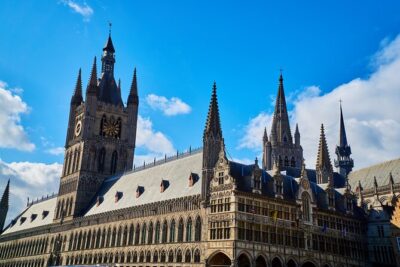
Pool of Peace: a reflective stop that slows you down
After the first guided section and a scenic drive, you reach the Pool of Peace for a 20-minute guided visit. This is not a quick photo stop. You get time to look, and the guidance steers your attention so you can absorb the meaning.
Even if you typically skip memorial areas because you feel “you’ve seen enough,” this one works because it functions like a pause button in the middle of an action-heavy story. You spent the earlier part learning about mines, tunnelling, and coordinated assault planning. Now you’re asked to shift gears and read the space as remembrance.
If you prefer tours that mix reflection with facts, you’ll appreciate this stop.
Standing by the Spanbroekmolen Crater: where strategy turns into geography
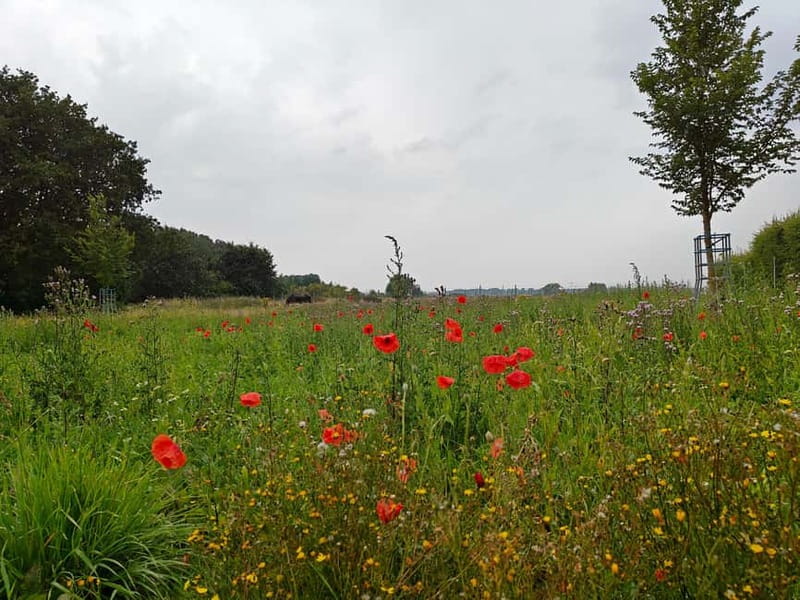
One of the most gripping moments is when you reach the edge of Spanbroekmolen Crater, described as the largest in Flanders. Being at the crater changes your perspective fast. It’s hard to think only in terms of maps once you’re physically near the scale of what happened.
The guide then helps you understand the ridge line where Allied troops launched their coordinated assault. You don’t just hear the words. You connect them to the terrain in front of you. That is the practical value here. It helps you remember where things happened and why that location mattered.
I recommend that you take a few slow minutes here. Look in multiple directions. Try to picture the ridgeline as a movement path, not just a line on a page.
Messines village and the Church of Messines: the human-scale side of the battle
Next comes time in the Messines area. You get a longer guided segment, about 45 minutes, plus a later self-guided stretch that pairs well with the Church visit and visitor centre time.
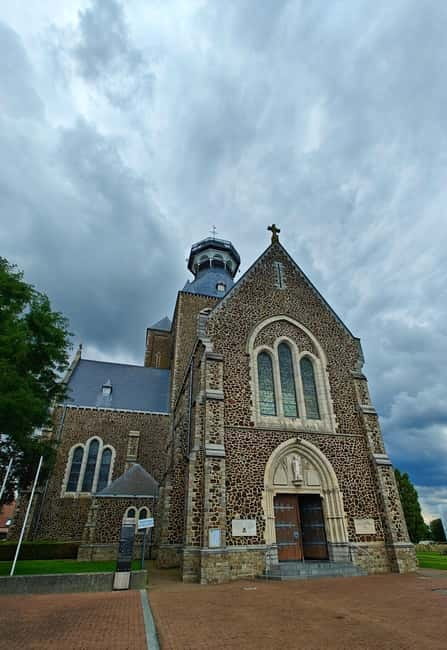
The tour includes visiting the Church of Messines and its visitor centre, with guidance that highlights lesser-known facts and stories tied to the battle. One of the specific threads mentioned is the Christmas Truce of 1914, which you explore through the lens of what happened in and around this area.
This is also where the tour can feel most grounded. A church and its nearby community setting are easier to imagine as lived-in spaces than open battlefield fields. Even when the information is heavy, the setting makes it clearer why the war mattered to daily life.
Practical note: plan for interior and outdoor time. Even if it’s not long, you may be moving between cooler indoor spaces and exposed areas outside, so layers help.
Island of Ireland Peace Park: Irish soldier poetry and the meaning after the battle
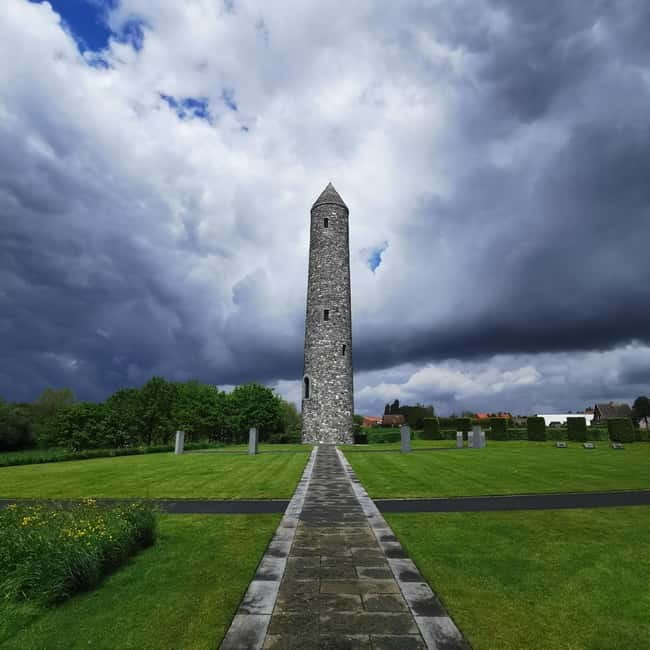
The day ends at the Island of Ireland Peace Park, where you spend about guided 20 minutes at the start of that stop, then additional time is part of the overall flow with the final self-guided window.
This is the “why we still talk about this” section of the tour. You’ll read poetry written by soldiers, including Irish soldiers, and the park is built as a place of reflection and reconciliation. It’s not a lecture. It’s a quieter ending that makes the earlier details feel even sharper, because you see how war followed people back home, into memory, and into words.
If you like history that acknowledges emotion, this final segment will land with more weight than the technical mine story. And if you prefer a strictly factual format, you can still get value here by treating it as a primary-source style experience: a short piece of writing from the people who lived through the time.
Price and value: is $88 for 210 minutes a good deal?
At $88 per person for roughly 210 minutes, the value depends on what you want to avoid. If you are doing this by yourself, you’d still need to solve transportation between Ypres and multiple sites, plus you’d likely want guidance so you can connect tunnelling, mine detonation, and terrain.
This tour includes pickup and drop-off at Ypres based locations and gives you a live English guide through the key battlefield segments, plus entry time for the Church of Messines and visitor centre. You also get a small group size capped at 7, which usually means better attention from the guide.
Your main trade-off is that meals and drinks are not included, so you may need to eat before or after on your own. If you’re coming in already hungry, that’s the only budget item that could surprise you.
For me, the value is strongest if you care about understanding the “how” behind the Battle of Messines, not just taking pictures of sites.
Who this tour suits best, and who might want a different format
This is a smart choice if you:
- want an English-guided explanation of WWI tunnelling and the 19-mine detonation
- like battlefield walking but don’t want to handle transport logistics
- prefer small groups for question time
- enjoy reflective sites where you can slow down and read the meaning, especially at the Peace Park
It may be less suitable if you:
- need long periods of full seating or easy flat ground, because the terrain can be uneven
- travel with small children, since the tour is not suitable for children under 2, under 3, under 4, under 5, under 6, or babies under 1
If you are comfortable with short walks and you pack for weather, it fits well for many adults and older teens.
Tips that make the whole experience smoother
A few practical things will help you enjoy the tour more:
- Wear comfortable shoes. The terrain can be uneven in places.
- Dress for the weather. You’ll be outdoors at multiple stops, and the day can feel long if you’re cold or soaked.
- Bring water. Hydration is recommended.
- Keep it simple with photos. Flash photography is not allowed, and smoking is not allowed.
Also, arrive at the pickup point on time. The guide meets you just outside the tourist office area, with a dark blue Mercedes van and a Kims Battlefield Tours logo.
Should you book the Battle of Messines guided tour with transport?
Book it if you want a guided, small-group way to understand why the Battle of Messines mattered, from the tunnelling method to the detonation of 19 underground mines. You’ll also get worthwhile add-ons that keep the story from becoming only technical, including the Church of Messines with its lesser-known moments and the Island of Ireland Peace Park with soldier poetry.
Skip it or consider a different style if you dislike memorial settings, or if walking on uneven ground is a problem for you. And if you prefer to spend your time alone without a guide, you might want a self-guided approach instead.
FAQ
Where are the pickup locations in Ypres?
You can be picked up at Colaertplein 35 or Grote Markt 34, both in Ypres.
How long is the tour?
The duration is about 210 minutes.
How big is the group?
The tour is limited to a small group of up to 7 participants.
Is the tour guided and in English?
Yes. It includes a live guide and the tour is in English.
Do I need a car to do this tour?
No. Pickup and drop-off at Ypres based locations are included, and you travel by van between stops.
What is included in the price?
Included are pickup and drop-off at Ypres, a guided Battle of Messines tour, and a visit to the Church of Messines and visitor centre.
Are meals and drinks included?
No. Meals and drinks are not included.
What should I bring?
Bring comfortable shoes and weather-appropriate clothing. Water is recommended.
What am I not allowed to do during the tour?
Smoking is not allowed, and flash photography is not allowed.
Is this tour suitable for young children?
No. It is not suitable for children under 2, 3, 4, 5, or 6 years old, and babies under 1 year.
What are the cancellation and payment options?
You can cancel up to 24 hours in advance for a full refund. You can also reserve now and pay later.
Latest from Ypres


Ypres Experiences, compared.
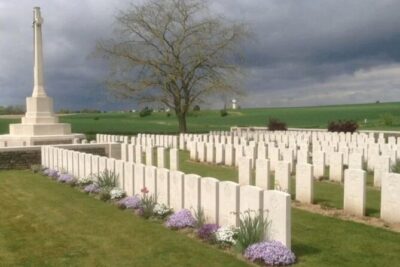
From IEPER Private 4-hour Tour of the Ypres Battlefield
Read our review →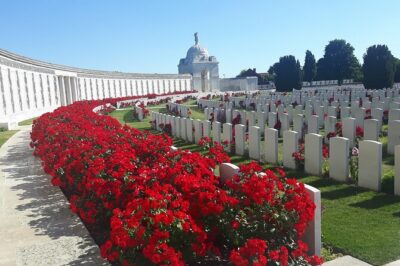
In Flanders Fields and Passchendaele Half Day Morning Tour
Read our review →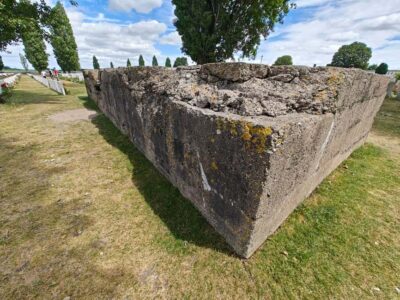
An exploration of the deadly salient battlefields
Read our review →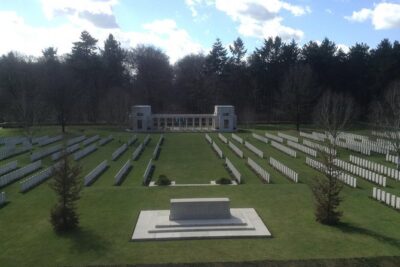
From Ypres, The Christmas Truce to Passchendaele Ypres Based WW1 private tour
Read our review →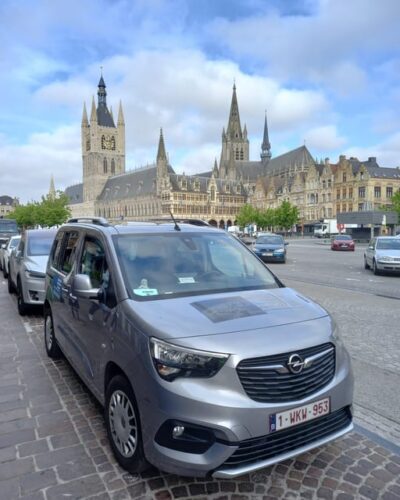

Ypres Battlefields and Passchendaele Museum Full Day Tour
Read our review →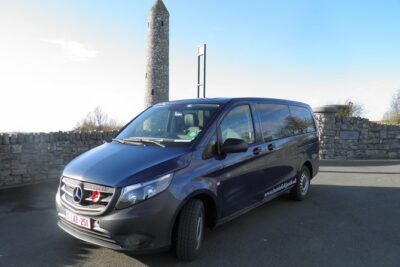
Full Day Canadian WW1 Vimy and Somme Battlefield Tour from Ypres
Read our review →Browse the lists this tour appears in