
Reviewed · YPRES & WWI BATTLEFIELD TRIPS
In Flanders Fields and Passchendaele Half Day Morning Tour
WWI history feels close at Ypres. This half-day morning tour links the Ypres Salient battle story to the places you actually walk, see, and stand in, with English explanations from a guide. You’ll ride in an air-conditioned vehicle and cover the big names of the Western Front without feeling rushed.
I like two things in particular. First, the sequence starts at Sanctuary Wood, where the fighting in the Salient makes sense before you get to the memorials and graves. Second, the time at Tyne Cot Cemetery is long enough to slow down and take it in, not just “tick the box.” One possible drawback: the Sanctuary Wood Museum costs extra (listed at €8 per person) and it is not open on Mondays, when the tour visits alternative trenches.
In This Review
- Key reasons this half-day tour works
- A half-day in Ypres Salient, planned for meaning not speed
- Where you meet and how the morning flows
- Sanctuary Wood first, so the battlefield story has a spine
- Sanctuary Wood Museum: what you pay for, and what you need to know
- Essex Farm Cemetery and the evacuation of the wounded
- Langemark Cemetery: graves, scale, and the heavy historical links afterward
- Saint Julien Memorial and the story of the first gas attacks
- Passchendaele: battlefield legacy in a short window
- Tyne Cot Cemetery, the stop you remember most
- The guide makes the difference, especially on emotional sites
- Price and value: what you’re really paying for
- Who this tour is best for
- Planning tips that make a real difference
- Should you book this Ypres Salient tour?
- FAQ
- How long is the Ypres Salient half-day morning tour?
- Where do we meet in Ypres?
- What time does the tour start?
- Is the Sanctuary Wood Museum ticket included in the price?
- Is the Sanctuary Wood Museum open every day?
- What is the maximum group size?
Key reasons this half-day tour works
- Max 8 travelers keeps the chat going and makes it easier to ask real questions.
- Air-conditioned vehicle saves energy for the longer distances between sites.
- Sanctuary Wood start gives you the battle context before you visit the cemeteries.
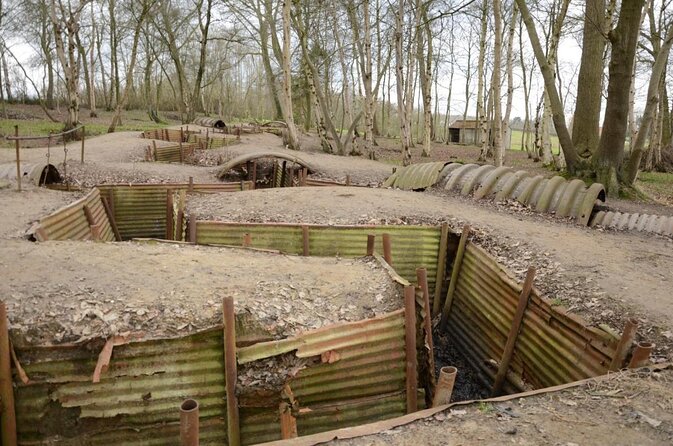
- Essex Farm Cemetery includes preserved dressing-station bunkers, not just headstones.
- Langemark Cemetery context goes beyond names to explain its later historical links.
- Tyne Cot time is built in, so you can actually absorb one of the most powerful cemeteries in the world.
More of the Flanders Fields battlefields:
- From IEPER Private 4-hour Tour of the Ypres Battlefield
★ 5.0 · 154 reviews - Ypres: An exploration of the deadly salient battlefields
★ 5.0 · 76 reviews - From Ypres, The Christmas Truce to Passchendaele Ypres Based WW1 private tour
★ 5.0 · 29 reviews - From Ypres: WWI Battlefields Private Tour
★ 5.0 · 25 reviews - Ypres Battlefields and Passchendaele Museum Full Day Tour
★ 5.0 · 10 reviews
A half-day in Ypres Salient, planned for meaning not speed
If you’re basing yourself in Ypres and want a World War I tour that feels focused, this format hits the sweet spot. Three and a half hours is short enough to do in the morning, but long enough to connect several major locations across the Ypres Salient and toward Passchendaele.
The value is in how the stops are arranged. You don’t start by staring at graves. You start with the landscape and the tactical story. Then you move from preserved battlefield features into cemeteries and memorials that carry specific themes, like the evacuation of wounded and the first gas attacks.
This is also a small-group setup, with a maximum of 8 people. That matters more than you might think on serious tours. A smaller group means the pace can flex, and it’s easier to have a two-way conversation instead of just listening over wind and buses.
Where you meet and how the morning flows
The meeting point is at Station Ieper, Colaertplein 35, 8900 Ieper, Belgium, with a 10:00 am start time. The tour ends back at the same place, which is handy when you want to grab lunch afterward without planning your transportation all over again.
You’ll use a mobile ticket, and the tour is offered in English. Since the group stays together in one vehicle, you avoid the common “WWI sightseeing chaos” problem, where you spend your energy figuring out parking, routes, and getting everyone back on schedule.
The morning plan also has another hidden advantage: it’s easy to stay mentally fresh. Many WWI sites are emotionally heavy. Doing this in the morning can leave you with energy to process the experience while you still have the rest of the day for food, photos, and quiet time.
Sanctuary Wood first, so the battlefield story has a spine
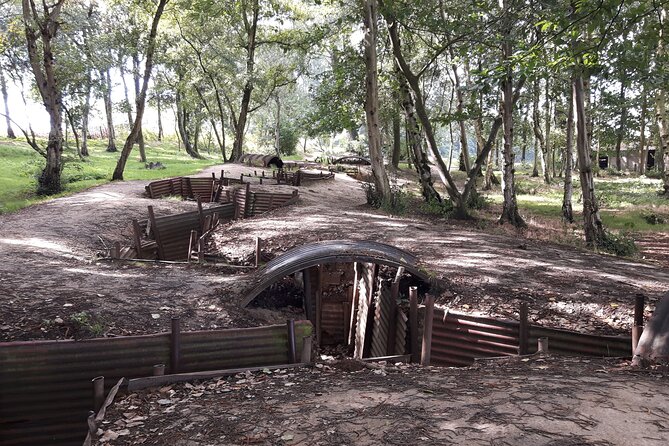
The tour begins at Sanctuary Wood. This is a smart opening stop because it gives you the big-picture overview of fighting in the Ypres Salient before you start reading names on stones.
Sanctuary Wood itself is described as part of the preserved battlefield area, and you’ll get an overview for about 30 minutes. This matters because the Salient can feel like a random scatter of memorials if you’re seeing it cold. Starting here helps you understand why the front line moved the way it did, and why the ground you’re walking through has so much strategic significance.
If you’re the type who likes the “why” behind the “what,” this opening gives you a framework. If you’re more interested in the emotional side, it also helps you read the terrain with more attention, because you’ll know what to look for rather than just taking in the atmosphere.
Sanctuary Wood Museum: what you pay for, and what you need to know
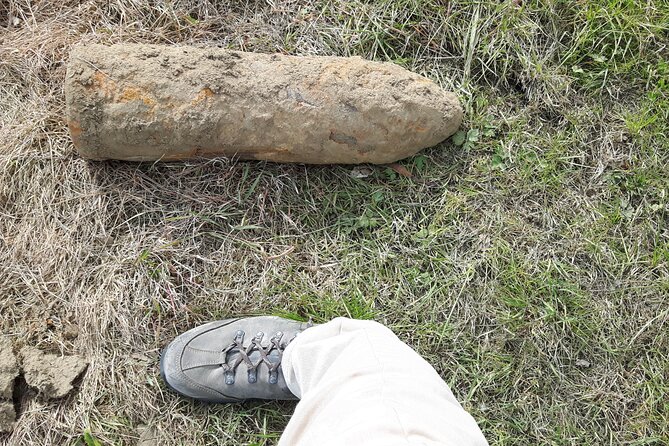
After Sanctuary Wood, you’ll visit the Sanctuary Wood Museum for about 50 minutes. Important detail: the museum entrance fee is not included, and it is listed at €8.00 per person.
The museum experience is described as iconic, and it includes preserved trenches. That combination is powerful. Outdoors, you can sense scale and place. Indoors, you get structure and explanation. Together, they help you connect the landscape to the human story.
One practical consideration: the museum is not open on Mondays. On Mondays, the tour will visit alternative trenches instead. If you’re traveling on a Monday, you’ll still get trench time, but you should expect a different museum situation.
A few more Ypres afternoons to weigh up



Essex Farm Cemetery and the evacuation of the wounded
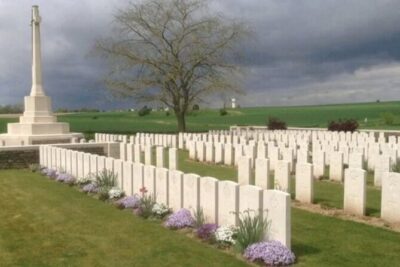
Next up is Essex Farm Cemetery. This stop focuses on preserved dressing station bunkers and the procedure for the evacuation of the wounded, with about 30 minutes scheduled.
This is one of those stops that feels different from a typical cemetery visit. Instead of only thinking about the dead, it pulls you toward how the living were processed in the chaos of battle. A dressing station is one of the places where the war’s mechanics get painfully practical.
You’ll likely walk through the preserved structures and learn what they were used for. It’s a sobering theme, but it also makes the war story more complete. Many WWI tours emphasize offense and territory. Here, the tour brings in the medical side, and that changes how you understand what these sites mean.
Langemark Cemetery: graves, scale, and the heavy historical links afterward
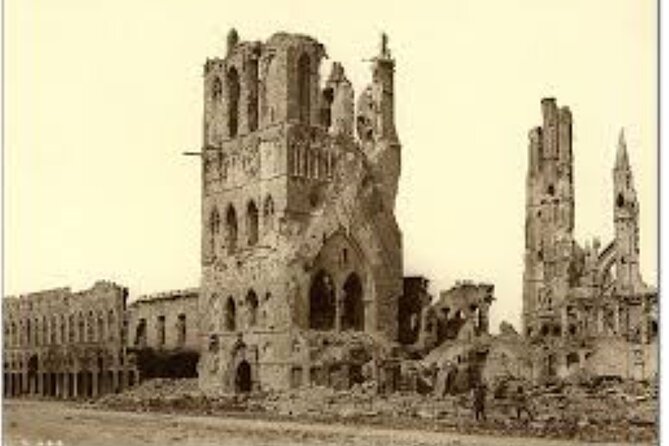
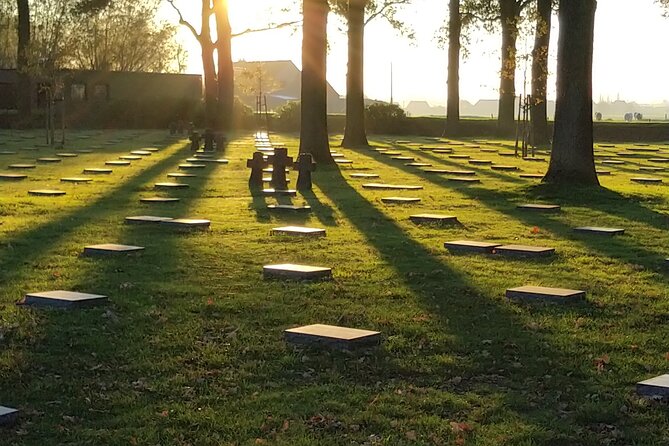
Langemark Cemetery is the kind of place where numbers matter, and the tour doesn’t shy away from that. You’ll spend about 30 minutes, and it contains about 44,000 burials.
The description also notes strong links to Hitler and the Nazis of World War II. That’s a tough subject, but it’s a crucial one to mention on a tour like this because it explains how war sites can be used, reinterpreted, and politicized long after the fighting ends.
So yes, you’ll see the cemetery. But you’ll also get a lesson about memory and propaganda, and how memorials can take on new meanings over time. If your interest is strictly frontline tactics, you might find this part heavier than expected. If you want the bigger historical picture, it’s one of the most thought-provoking stops.
Saint Julien Memorial and the story of the first gas attacks
The Saint Julien Memorial stop is shorter, about 10 minutes. Still, it’s designed to hit one of the most infamous markers of WWI: the story of the first gas attacks.
This stop works as an emotional pivot. You go from cemeteries and battlefield infrastructure into a memorial moment that points at a specific, widely remembered shift in warfare. Even with the brief time, the topic is intense enough that it tends to stick with you.
In practical terms, don’t plan to multitask here. Give it your attention. These are the kinds of places where a few extra seconds of stillness can mean more than another photo.
Passchendaele: battlefield legacy in a short window
Then you head to Passendale (Passchendaele). The time here is about 15 minutes, and the focus is on the battlefields of Passchendaele and the legacy of the Great War.
Fifteen minutes sounds small, but on a tour like this, it’s more like a directional stop. It helps you connect the earlier Ypres Salient fighting with the later push toward Passchendaele, so the story doesn’t feel like isolated chapters.
If you want a deeper Passchendaele dive, this might feel like a teaser. But as part of a half-day overview across several sites, it plays the right role: a bridge between places and themes.
Tyne Cot Cemetery, the stop you remember most
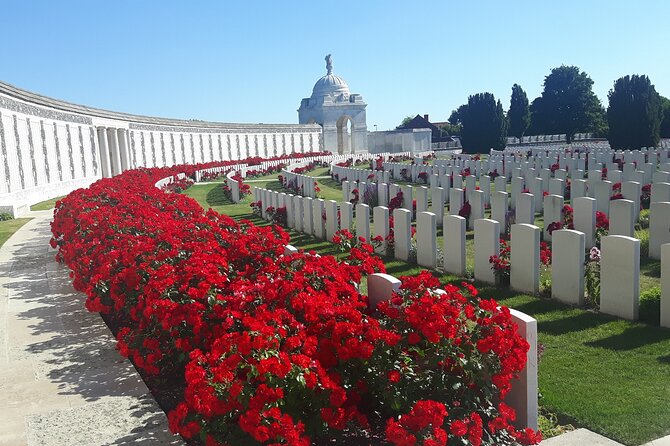
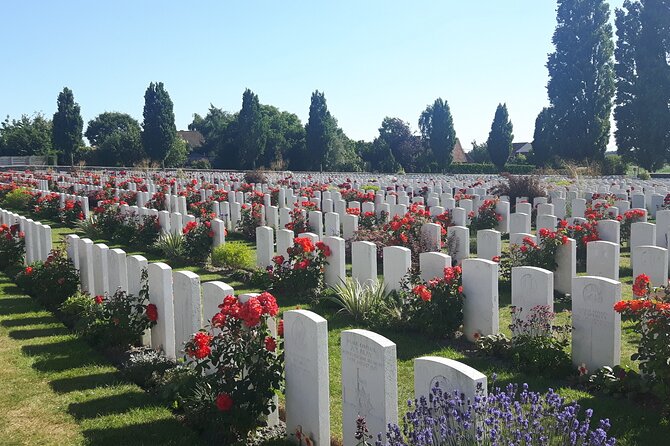
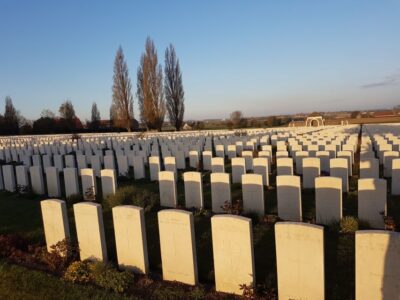
Finally, you reach Tyne Cot Cemetery. This is scheduled for about 35 minutes, and it’s described as the largest British and Commonwealth war grave cemetery in the world. It’s also called simply stunning.
This is the payoff stop. The longer time helps because Tyne Cot is not a “look and move on” location. It’s the kind of place where you naturally slow down and start reading carefully, even if you came in expecting a quick photo.
There’s also something about the scale. When a cemetery is huge like this, the stories become harder to hold in your head as individual names. Instead, your mind shifts into patterns, rows, and the sense of how many people are represented. The tour’s earlier context makes that shift feel less random, more meaningful.
If you want to make the most of Tyne Cot, give yourself time for one small habit: pause, look across the cemetery, then pick a few headstones to read slowly. You don’t need to read them all. Just let the place settle.
The guide makes the difference, especially on emotional sites
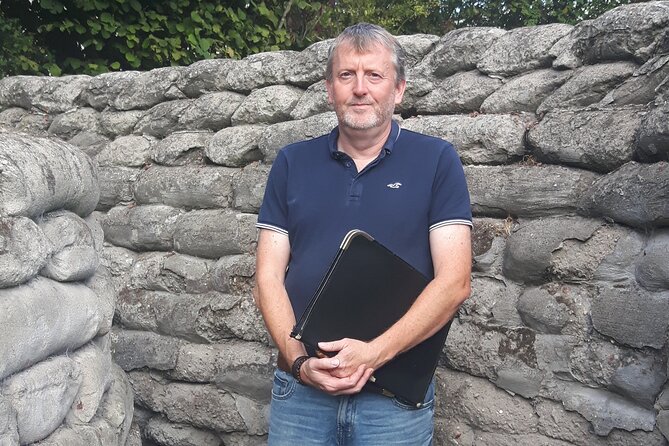
A big part of the tour’s reputation is the guide. Many people highlight Roger specifically as friendly, respectful, and very effective at pacing the group so you can absorb the sites. The most consistent theme is that he’s able to explain complicated context in a way that stays clear.
I also like the emphasis on not rushing. On serious tours, you can feel when a guide gives you space to look and process. One review notes that Roger makes it possible to move at your own pace, and that kind of control is exactly what helps on cemeteries and preserved trenches, where your reaction matters.
You might also appreciate the way he can tailor things. Some guests talk about help tracing a relative’s burial, which is not something you should assume will happen for everyone, but it shows the guide is willing to go beyond a script when someone needs it.
If you’re the type who asks questions, you’ll likely get more out of this tour because the small group makes it easier to connect the dots.
Price and value: what you’re really paying for
At $108.84 per person for about 3 hours 30 minutes, this is not a bargain, and it’s not trying to be. The value is strongest when you look at what’s included and what would cost time or stress if you did it alone.
Included:
- Air-conditioned vehicle
- A guided route across multiple major sites
Not included:
- Sanctuary Wood Museum entrance (€8 per person)
- Other site admissions listed as free in the tour plan
For me, the price feels justified if you want an organized, small-group overview that covers key places you’d struggle to stitch together quickly. If you’re traveling solo and comfortable with driving and navigating, you can DIY some of it. But on a half-day, the guided structure is often what keeps the experience from turning into “we drove there, we got out, and we tried to figure it out.”
This is especially true at places like preserved trenches, where context changes everything. Headstones tell one kind of story. Explanations tell another.
Who this tour is best for
This tour fits well if you:
- Want a focused Ypres WWI overview in a half-day
- Prefer a small group, maximum of 8, over a large bus crowd
- Like guided interpretation for cemeteries and memorials
- Are curious about how the Ypres Salient story links to Passchendaele
It’s also a good option for family-friendly travel in the sense that the structure is clear and the tour length is manageable. That said, WWI cemeteries and gas attack memorial topics are heavy, so choose what fits your child’s temperament.
If you already know a lot about WWI and you crave long stops, this may feel short. But as an introduction or a way to add clarity to what you’ve read before, it has a strong purpose.
Planning tips that make a real difference
Here are a few practical moves that help you get more from this morning tour.
- Wear comfortable shoes. Some stops involve walking and standing time in outdoor settings around memorials and cemetery grounds.
- Bring a layer. Even in mild weather, the open sites can feel chilly, and the van ride can shift temperatures.
- Have one specific question ready. Maybe it’s about the Ypres Salient, evacuation, gas attacks, or the later use of cemetery memorials. With a small group, you can often get a better answer than you’d expect.
- If you have a family connection, mention it early. The guide has shown flexibility in helping guests trace relatives, at least in some cases.
Should you book this Ypres Salient tour?
I’d book it if you want a tight, guided morning that covers the main emotional and historical stops around Ypres and the Passchendaele direction. The small group size, the vehicle comfort, and the way the tour starts with Sanctuary Wood context before moving to cemeteries and memorials make it feel coherent rather than random.
Skip it only if you already have a very detailed plan and you want to spend more time at fewer sites, or if paying for the Sanctuary Wood Museum entrance would feel like a hassle.
If your goal is to leave Ypres with a clearer understanding of what you saw and why it mattered, this half-day route is a strong, practical choice.
FAQ
How long is the Ypres Salient half-day morning tour?
It runs for approximately 3 hours 30 minutes.
Where do we meet in Ypres?
You meet at Station Ieper, Colaertplein 35, 8900 Ieper, Belgium. The tour ends back at the same meeting point.
What time does the tour start?
The start time is 10:00 am.
Is the Sanctuary Wood Museum ticket included in the price?
No. The Sanctuary Wood Museum entrance fee is not included and is listed as €8.00 per person.
Is the Sanctuary Wood Museum open every day?
No. The Sanctuary Wood Museum is not open on Mondays, and on those days the tour visits alternative trenches.
What is the maximum group size?
The tour has a maximum of 8 travelers.
Latest from Ypres



Ypres & WWI Battlefield Trips, compared.
Great War Flanders Fields Minibus Tour w/ Lunch
Read our review →
Flanders Fields Remembrance Tour from Brussels
Read our review →
From IEPER Private 4-hour Tour of the Ypres Battlefield
Read our review →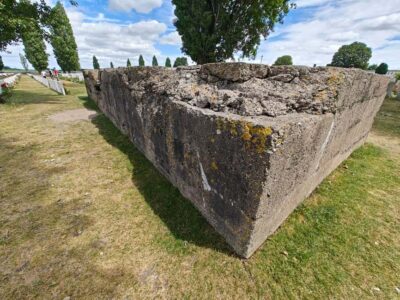
An exploration of the deadly salient battlefields
Read our review →
Small Group Ypres Remembrance Day Filled With War History
Read our review →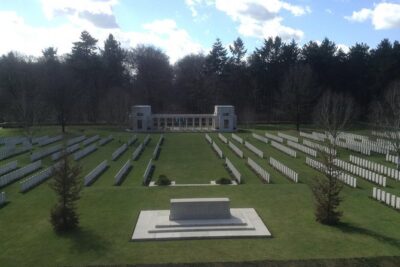
From Ypres, The Christmas Truce to Passchendaele Ypres Based WW1 private tour
Read our review →Browse the lists this tour appears in