
Reviewed · GHENT & BRUGES COMBO TRIPS
From Brussels: Bruges & Ghent Day Tour – 2 Fairytale Cities
Two medieval cities in one packed day sounds intense. I love the moment you stop at Saint Bavo Cathedral in Ghent, with its famed Adoration of the Mystic Lamb, and I love that Bruges wraps it up with a relaxed optional canal cruise. The one thing to keep in mind is that this is a lot of walking on cobblestones, so it is not a great fit if mobility is an issue.
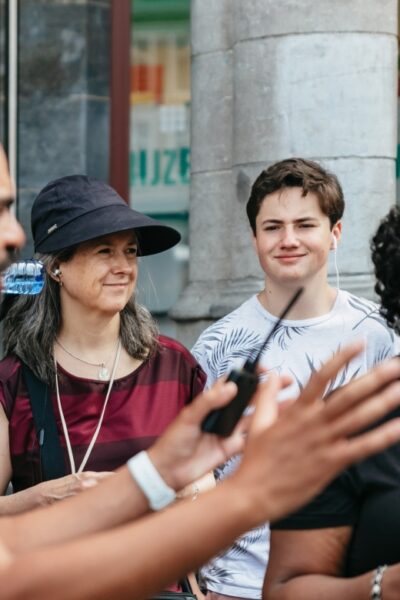
You meet the group near the National Bank of Belgium, and the day is run with a real plan: a comfortable coach, a live multilingual guide, plus radios and earphones so you do not have to play hard-of-hearing detective in crowds. In the mix, you get guided history early, then you get personal time to wander.
This is also the kind of day tour where the guide can make or break the flow. In the feedback I saw, names like Veronica, Juliana, and Johan were repeatedly linked with tight timing, good explanations, and a sense of humor, even when weather threw in a curveball.
In This Review
- Key highlights to look for
- Brussels pickup and the guide-led start you need
- Ghent’s Saint Bavo Cathedral and the Mystic Lamb
- Ghent ports and castles, plus St. Nicholas’ Church
- Ghent free time strategy: terrace breaks and smart wandering
- Bruges medieval lanes, Beguinage, and Lake of Love
- Grote Markt, Our Lady’s Church, and Michelangelo’s Madonna
- Old St John’s Hospital, the former Red Light District, and the Belfry
- The Bruges canal cruise, free time, and walking tips
- Price and logistics: why $57 can beat a DIY day
- Should you book this Ghent and Bruges day tour?
Key highlights to look for
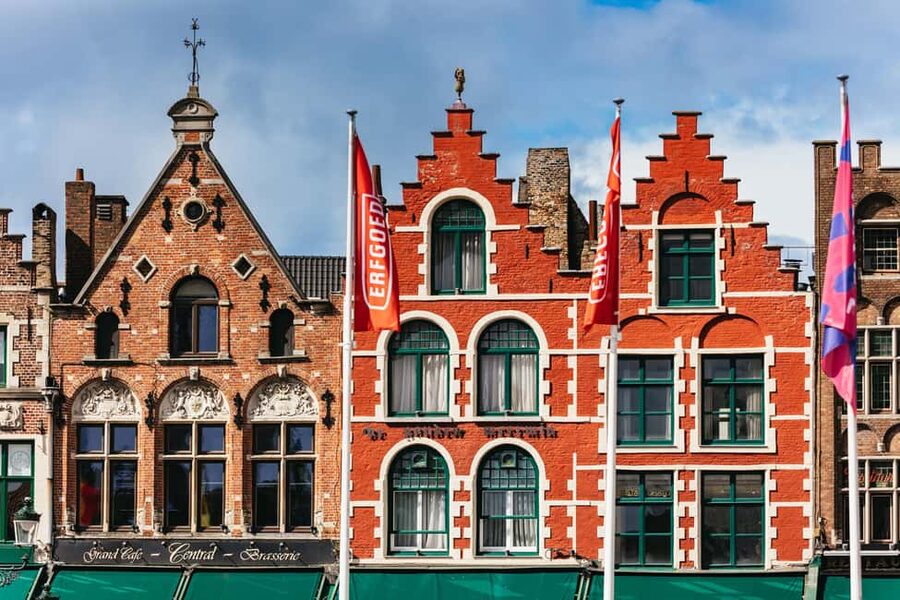
- Saint Bavo Cathedral in Ghent, including the Adoration of the Mystic Lamb
- Ghent’s port area and Graslei, made for photo stops and slow looking
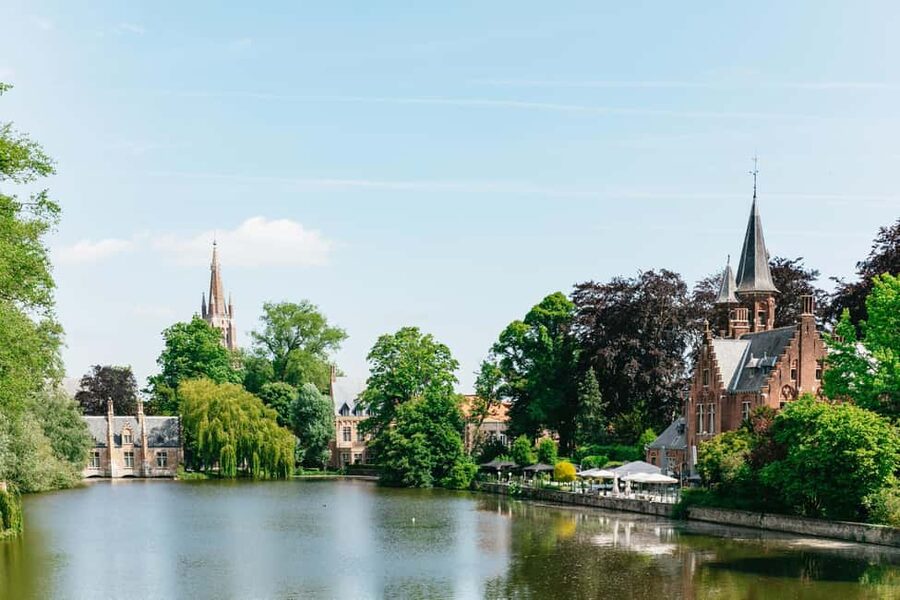
- Bruges Begijnhof and Lake of Love, calmer than you expect in the middle of the tourist buzz
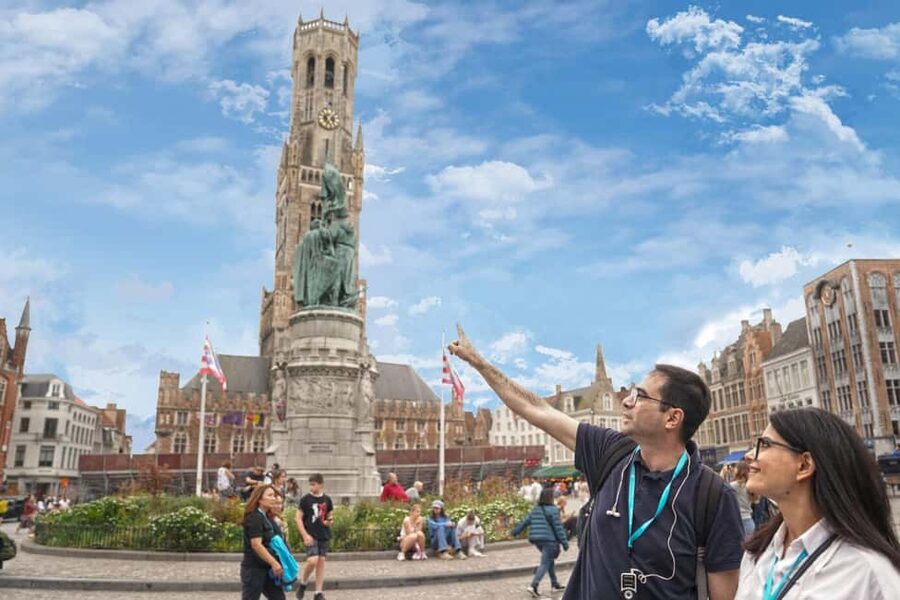
- Grote Markt and the Belfry tower, the visual heart of Bruges
- Bruges canals by boat (optional), a smart way to rest your legs and still see the city
More Ghent-and-Bruges doubles:
- From Brussels: Guided Day Trip to Bruges and Ghent
★ 4.6 · 8,353 reviews - Bruges and Ghent – Belgium’s Fairytale Cities – from Brussels
★ 4.0 · 4,809 reviews - Bruges and Ghent Day Trip from Brussels
★ 4.5 · 784 reviews - From Brussels: Bruges and Ghent Full-Day Trip by Train
★ 4.3 · 103 reviews - Bruges and Ghent Day Tour from Brussels
★ 4.0 · 46 reviews
Brussels pickup and the guide-led start you need
Your day begins at Bd de Berlaimont, outside the National Bank of Belgium, with a Keolis coach waiting for your group. If you have ever tried to run between stations and tour tickets on your own, you will appreciate how this starts with less stress and more clarity.
Once everyone is settled, the guide gives a quick but useful overview of Belgian history and key moments tied to the capital. It sounds basic, but it pays off. When you later see guild halls, cathedrals, and castles, you will understand what you are looking at instead of just photographing pretty buildings.
You are also traveling with air-conditioned transportation and radios/earphones. That matters more than people think. Bruges and Ghent reward walking, but they can also be noisy and crowded. Having instructions and context piped to you makes it easier to keep your group spot.
Ghent’s Saint Bavo Cathedral and the Mystic Lamb
Ghent is where the day stops feeling like a checklist and starts feeling like a living story. Your guided time there focuses on major landmarks first, including Saint Bavo Cathedral.
This is the big-ticket art stop. Saint Bavo Cathedral is where you will hear about the Adoration of the Mystic Lamb, one of the most famous works in the region. Even if you are not an art fanatic, it helps to have a guide connect the painting to the city’s wealth and medieval power. Ghent was not just a pretty stop. It mattered.
Also, cathedral time is usually when your brain wants a little pause. Your feet might be getting ready for another stretch, but this kind of stop is a good reset. You can stand back, take in the scale, and let the details sink in.
One practical note: cathedrals often mean uneven stone floors and lots of standing. Comfortable shoes are not optional.
Ghent ports and castles, plus St. Nicholas’ Church
After Saint Bavo, the walking tour shifts into the medieval-city flavor. You will spend time around Graslei, the historic port area where the river and old buildings create that classic “this could be a movie set” feeling.
This is also where you get a better grasp of why Ghent’s architecture looks the way it does. Port towns grow, prosper, and compete. That competition left visible traces in buildings and civic power.
Then come the landmarks that turn history into something you can almost picture. You will see the Castle of the Counts, often described in a way that helps you imagine what it meant to live with royal status nearby. The point is not fantasy. The point is perspective.
You will also run into St. Nicholas’ Church, described as a relic of the Middle Ages. That phrasing is useful. It hints that you are not just looking at a single church facade. You are seeing a structure that has survived the centuries and still anchors the city’s character.
If you want one piece of advice for Ghent, it is simple: slow down for Graslei and the surrounding squares. This is where your photos will be the most meaningful, because you are capturing the way the city actually sits by water.
Ghent free time strategy: terrace breaks and smart wandering
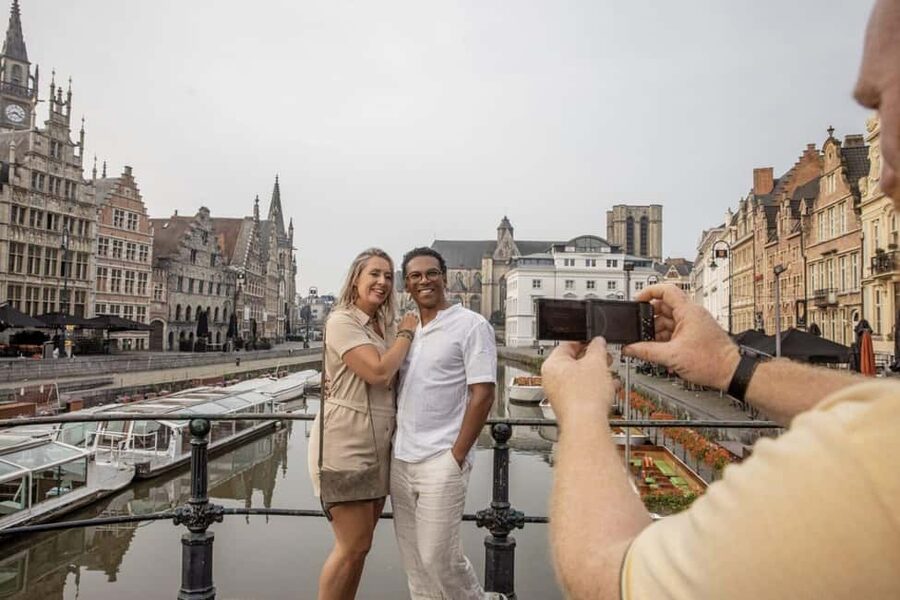
Ghent gives you a chunk of independent time, about 105 minutes. This is not a casual “do whatever” window. It is long enough to grab a snack, reposition yourself, and choose where your curiosity goes.
What I like about this setup is that your guided portion gives you orientation. Once you understand the main grid and what to look for, the free time becomes more valuable. You can duck into side streets, find a terrace, or revisit a view without feeling lost.
A few tips that help you get more out of that free time:
- Use your first 15 minutes to walk and find a comfortable starting point for your photo loop.
- If you are hungry, treat lunch/snacks as flexible. The day is structured so you can eat earlier or later depending on your pace.
- If the weather is bad, prioritize covered or indoor stops where possible, then return outside for the biggest squares.
Also, remember the walking load. One detailed tip from the feedback: expect roughly 15,000 to 17,000 steps across the day. Plan accordingly, and you will enjoy both cities instead of just surviving them.
A few more Brussels afternoons to weigh up
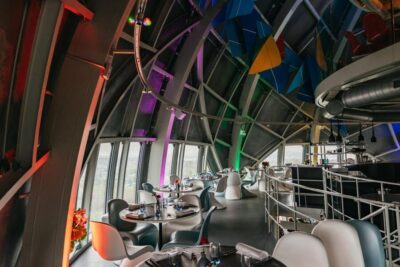


Bruges medieval lanes, Beguinage, and Lake of Love

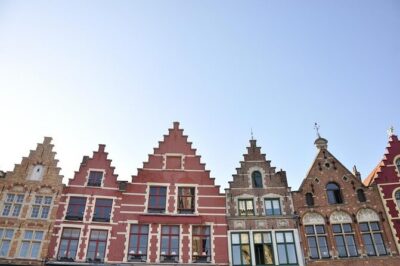
Bruges is where the day starts to feel like a fairytale, and it is easy to see why it is nicknamed the Venice of the North. The cobbled streets and canals create instant atmosphere, but the real win is how the route blends the postcard stuff with meaningful history.
Your Bruges guided time includes a walk through the Begijnhof complex, built in 1245 to house religious women. This stop is worth your attention because it changes how you see the city’s story. It is not just money and kings. It is also everyday life, faith, and community in medieval Bruges.
Then you reach the Lake of Love area. It is a calm contrast inside a city that can feel busy. Walking toward it gives your eyes a break, and it is a good moment to slow down and notice details you might otherwise miss.
If you are choosing what to do in Bruges, here is a key idea: Bruges works best when you mix “big view” with “small detail.” Big views happen in squares and around the main monuments. Small details happen in courtyards, tucked-away lanes, and canal edges. This tour nudges you into both.
Grote Markt, Our Lady’s Church, and Michelangelo’s Madonna
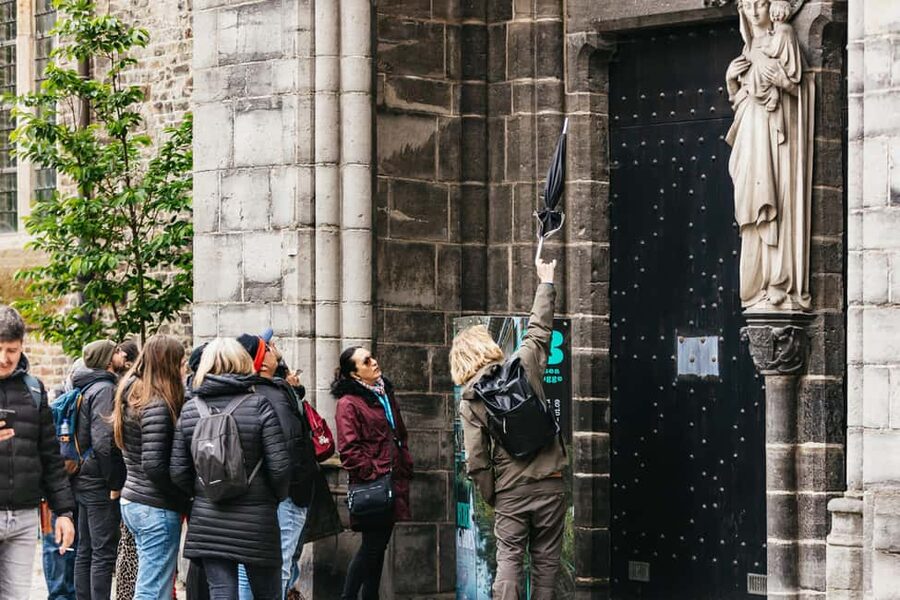
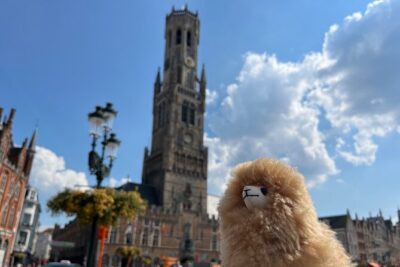
The heart of Bruges is the Grote Markt, and you will see it at the right time. This is where the Belfry tower becomes a clear anchor. Standing in the square helps everything click, because you realize how civic power was displayed in stone and height.
From there, the tour keeps moving through the religious highlights. You will visit Our Lady’s Church and learn about Michelangelo’s Madonna. This is one of those moments where a famous artwork inside a local church ties Bruges to the broader cultural world beyond Flanders.
Even if you only catch the broad strokes, the payoff comes from having context. A guide helps you connect why the church matters, and why a sculpture by Michelangelo ends up here in the first place.
Practical tip: churches tend to invite a lot of standing and looking up. Keep water handy when you can. Your legs will already be working hard on cobblestones.
Old St John’s Hospital, the former Red Light District, and the Belfry
Bruges does not live on beauty alone. Your route also includes a walk through areas tied to the city’s former Red Light District. This part matters because it reminds you that the city’s history is also about livelihoods, social change, and how places evolve.
After that, you will see the Old St. John’s Hospital, a major historic monument with a long timeline. Even when you are not going inside, this kind of exterior stop helps you understand how medieval society structured care, work, and community spaces.
The route is also built to keep you oriented. You are moving from iconic square views back into streets where the architecture looks layered. That pacing keeps your brain from shutting down from too much sameness.
And yes, you will likely notice how quickly your “quick photo” turns into “wait, look at that doorway.” Bruges has that effect. The trick is to control your pace so you do not lose track of the group.
The Bruges canal cruise, free time, and walking tips
Bruges ends with more freedom and an optional canal boat trip. You get free time, with time set aside for the cruise, about an hour in that final stretch. If you are deciding between “stay on foot” and “rest your legs,” I think the boat option is the easiest win.
A canal cruise helps in two ways. First, it gives your feet a break. Second, it changes your perspective. You stop viewing Bruges as a street map and start seeing it as connected waterways and bridges, with buildings reflecting into the water.
Lunch is on your own during the Bruges lunch time window, about an hour. Since lunch is not included, treat this as your flexibility moment. Pick a spot that is convenient for you, not just the fanciest place you see.
One more walking reality check: cobblestones are pretty, but they are also demanding. Plan to take your time on the uneven ground, and do not rush for photos. You will get better pictures when you stop trying to sprint.
Price and logistics: why $57 can beat a DIY day
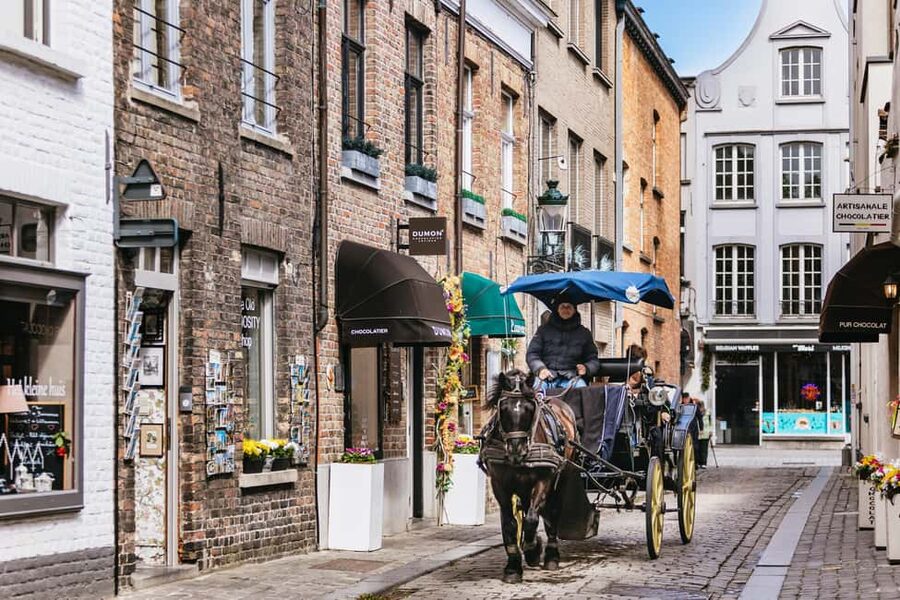
At about $57 per person for a 10.5 hour day, the value is mostly in what you do not have to coordinate. You pay for air-conditioned transport, multilingual guide time in both cities, guided walking tours, and radios and earphones so the guide can actually be heard.
Entry tickets and lunch are not included, so you should budget for those. But even with that, the tour can still be cheaper and simpler than DIY if you hate juggling trains, bus connections, and multiple timed entry tickets.
There is also a real time advantage. Taking trains on your own sounds easy until you add platform changes, station-to-center walking, and the time it takes to figure out where you should start. One piece of practical advice from the feedback: someone compared DIY costs and expected to pay around 40 euros each for a train plan. Your exact numbers will vary, but the lesson is the same. A guided day can remove expensive friction.
Also, the day schedule is tight, but it is not random. You are guided early in each city, then you get free time to breathe. That balance is one of the reasons this tour gets repeat recommendations.
Should you book this Ghent and Bruges day tour?
Book it if you want maximum “classic Flanders” in one day without planning stress. I especially think it is a good fit if:
- You like walking tours but want a guide to set context fast.
- You want both cities, not just one.
- You appreciate having a structured route plus free time to explore your own way.
Skip it, or at least rethink it, if:
- You cannot do long walking days on cobblestones.
- You want a slow, leisurely pace with lots of downtime between stops.
- You are counting on entry tickets and lunch to be included, because they are not.
If you match the style of this tour, you will come away with two very different cities under your belt. Ghent gives you the cathedral and medieval civic power. Bruges gives you the canals, squares, and those postcard views that still feel special when you know what you are looking at.
Latest from Brussels




Ghent & Bruges Combo Trips, compared.
Bruges and Ghent – Belgium’s Fairytale Cities – from Brussels
Read our review →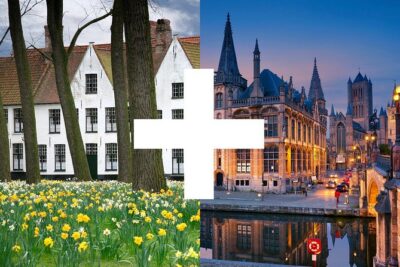
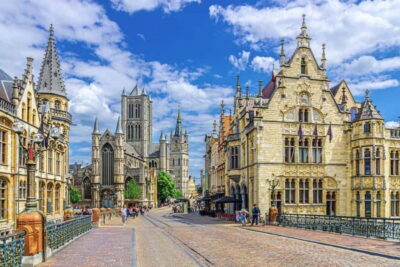
Bruges & Ghent Tour w/ Cruise & Chocolate Tasting
Read our review →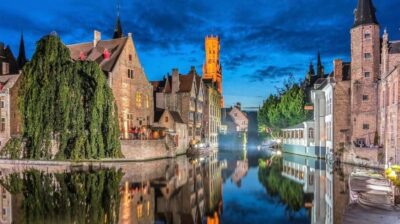
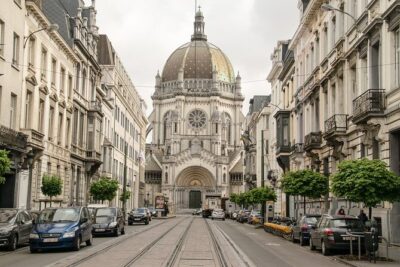
Private Full-Day Tour Bruges & Ghent from Brussels with tastings
Read our review →Browse the lists this tour appears in