
Reviewed · YPRES & WWI BATTLEFIELD TRIPS
Private tour WW1 Flanders Fields
A WW1 day trip you can actually manage. This private tour is a focused way to see Flanders Fields sites near Ypres without the stress of driving and guessing routes.
I especially liked two things: the chance to stand in the Hooge Crater trench areas, not just look at a memorial from far away, and the way the guide shapes the day around what you care about. The pickup flexibility also helps a lot, because you can start where you are staying.
The one possible drawback is budgeting, because the WW1 Museum in Passchendaele has an entrance fee that is not included, and meals are not included either. Also, the experience needs good weather to run smoothly.
In This Review
- Key highlights worth your attention
- Why a private WW1 route makes sense here
- Price and value for a group up to 8
- How the day flows, from pickup to Ypres-area stops
- Menin Gate and Ypres: memorial sites with a clear place in the route
- Hooge Crater trenches: the stop that changes how the day feels
- John McRae Memorial and the Essex Cemetery area
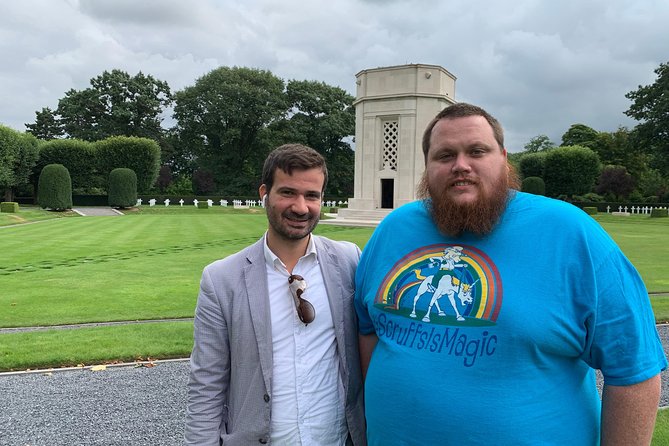
- American cemetery: closing the loop on loss and remembrance
- Passchendaele WW1 Museum: plan ahead for entrances and your time budget
- Transport comfort: mini van, small group, and a calmer pace
- What is included, what is not, and how that affects your planning
- Customization: how you can shape the day
- The guide factor: Daniel and why it matters on somber sites
- Who this tour is best for
- Should you book this private WW1 Flanders Fields tour?
- FAQ
- How long is the Private tour WW1 Flanders Fields?
- What time does the tour start?
- Where does the tour take place?
- Is hotel pickup included?
- Is the WW1 Museum in Passchendaele entrance included?
- Are meals included?
- Is this a private tour?
- What is the cancellation policy?
Key highlights worth your attention
- Original trenches at Hooge Crater for a more grounded sense of the front line
- Menin Gate and Ypres memorial sights tied together in one logical route
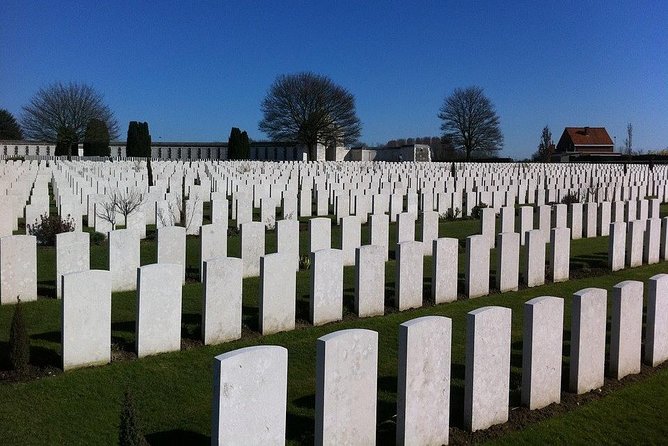
- Cemeteries that place names and sacrifice in context, including the John McRae memorial area and the American cemetery
- Flexible pickup from Belgium, northern France, and southern Netherlands
- Private, up-to-8 group size, so you can ask questions and keep a comfortable pace
More of the Flanders Fields battlefields:
- From Bruges: Great War Flanders Fields Minibus Tour w/ Lunch
★ 4.9 · 1,257 reviews - Flanders Fields Remembrance Tour from Bruges
★ 4.5 · 207 reviews - From Bruges: Flanders Fields Remembrance Full-Day Trip
★ 4.8 · 65 reviews - From Bruges: Private WW1 Flanders Fields Battlefield Day Trip
★ 5.0 · 10 reviews - Flanders Fields Remembrance Tour from Brussels
★ 4.5 · 334 reviews
Why a private WW1 route makes sense here
WW1 battlefield travel can turn into a logistics puzzle fast. Around Ypres, the sites are spread out, signage can be hit-or-miss once you get off main roads, and the driving adds mental load right when you want the day to feel focused.
This private tour solves the “how do we get there” problem. You get a guide to move you through the key stops in a sensible order, with pickup available from Belgium, northern France, and southern Netherlands. That means less time figuring things out, and more time learning what each place means.
You also get the kind of freedom that big group tours usually do not offer. Because it is private, you can steer the focus toward the parts you care about most, whether that is the battlefield ground, the cemetery sections, or the story told at the museum in Passchendaele.
Price and value for a group up to 8
The price is $1,390.33 per group, up to 8 people, for about one day. That sounds high if you compare it to a ticket for a single museum or a hop-on shuttle. But private battlefield guiding is labor plus vehicle time plus trip planning, and you are paying for someone to connect the dots on the ground.
Here is a useful way to think about it: if you fill the group to 8, the cost works out to roughly $174 per person. If you have fewer people, the per-person price climbs, so this tour is usually best when you are traveling as a family or small group with shared interests.
Also, you are not just buying “transport.” You are buying context. A guide can explain what you are looking at, help you understand why certain memorials were placed where they were, and point out elements you might miss if you were self-guided.
How the day flows, from pickup to Ypres-area stops
The tour starts at 8:00 am and runs for about one day. That early start matters here. You avoid spending the first part of the day in a rush, and you give yourself time to move calmly from major memorials to cemetery sites.
Pickup is offered flexibly, including hotels in Belgium, northern France, and southern Netherlands. That is a big practical win if you are already planning a wider trip across the region. Instead of dragging yourselves back to a fixed meeting point, you can usually start closer to where you are staying.
Once you are on the route, expect a guided circuit around Ypres and the nearby WW1 locations. The goal is to avoid the common problem of bouncing between scattered stops with no sense of how they connect. You get the emotional and historical thread, stop after stop.
Menin Gate and Ypres: memorial sites with a clear place in the route
One of your first major anchors is the Menin Gate memorial. It is the kind of location where the names and the physical setting do most of the emotional work for you. A guide helps here by giving you the right frame before you start reading details.
From there, you move through Ypres: the Flanders Cemetery in Ypres, and also the Town Hall of Ypres. Seeing the cemetery and then a prominent town landmark keeps the day from feeling one-note. The battlefield story is heavy, but the town’s presence reminds you this was not only a front-line map. It was a living place, with communities and civic life.
What I like about adding the Town Hall stop is that it gives you a pause point. You are not just moving between graves and memorial walls. You get a stronger sense of how Ypres fits into the wider story of the war, not only as a battlefield label.
Practical tip: plan to spend real time at the cemetery. Even if you do not read every name, slow down. If you try to rush, these places feel colder instead of clearer.
A few more Bruges afternoons to weigh up
Hooge Crater trenches: the stop that changes how the day feels
The most powerful part of this tour for me is the visit to the original trenches in the Hooge Crater. This is where battlefield travel stops being abstract.
Seeing trench areas on a screen is one thing. Standing near the kind of ground where people fought is another. You start to understand why the war dragged on, why the landscape mattered so much, and why memorials were needed at all.
The guide also matters a lot here. With the trench stop, you want someone who can explain what you are looking at without turning it into a lecture. You are walking through a battlefield environment, and a good guide helps you connect the terrain to the human story.
A detail from the tour experience that I found encouraging: the day includes sites that are not part of every standard route. That matters at Hooge Crater, because it can feel like many tours do the quick photo stops. Here, the emphasis is on the places that actually give you the “this happened here” feeling.
John McRae Memorial and the Essex Cemetery area
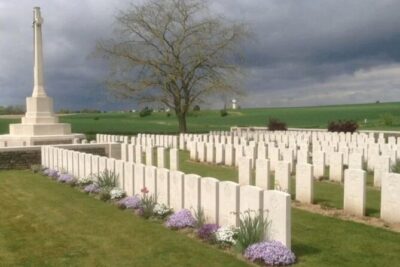
Next, you head to the John McRae Memorial in Essex Cemetery. John McCrae is strongly tied to WW1 memory, and the memorial connection gives the day a thoughtful literary and cultural angle, not only a battlefield one.
Even if you do not know much ahead of time, a guide can give you the background you need at the right moment, while you are standing there. That timing is key. When context is delivered on-site, it sticks more than reading background at home after the trip.
Essex Cemetery also provides a different kind of perspective than a major town stop. It is quieter, slower, and it keeps your focus on remembrance. For many visitors, this segment is where the day starts to feel more personal.
Practical tip: bring a small amount of patience for cemetery stops. If you are the kind of person who wants to “get through” quickly, you may want to mentally shift gears before you arrive.
American cemetery: closing the loop on loss and remembrance
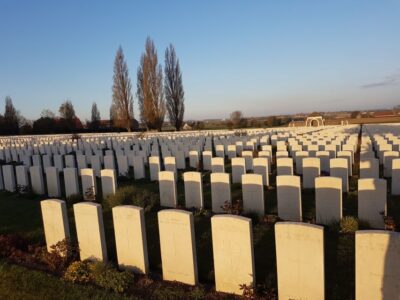
You also visit the American cemetery. This is an important component of a WW1 Flanders route because it broadens the story beyond a single national lens.
A private guide helps you make sense of what is different and what is the same across cemeteries. You are looking at graves, memorial choices, and how the sites communicate sacrifice. Those details can feel repetitive if you treat them like checkboxes, so having someone connect the dots is genuinely valuable.
If you care about seeing WW1 as a shared historical event, not just a local European one, this stop is a strong addition. It rounds out the route after the Ypres and trench focus, while still staying true to the theme of remembrance.
Passchendaele WW1 Museum: plan ahead for entrances and your time budget
The day includes the WW1 Museum in Passchendaele, but the entrance fee is not included. This is the clearest “watch your budget” point in the whole experience.
If you are already curious about Passchendaele and want the museum to anchor your understanding, you should expect to pay for admission on top of the tour price. One review experience also flagged Ypres and the museum at Paschendaele as the highlight, which tells you the museum has enough impact that it is not something to treat as optional.
Because meals are not included either, think about how you want to handle breaks. The museum can take time, and you will likely want to pace yourself instead of hopping from stop to stop without eating. If you know you get grumpy without food, plan snacks or factor in a meal during downtime, since that part is on you.
Transport comfort: mini van, small group, and a calmer pace
This is a private tour, only your group. The price covers up to 8 people, so you are not stuck in a loud bus full of strangers.
One review also mentioned the mini van being perfect for an adult family. That lines up with the best-case scenario for this kind of day: small vehicle, easier conversation, and fewer schedule headaches than larger group logistics.
The benefit is not just comfort. It is also pacing. When you are riding in a smaller vehicle, the guide can adjust the timing if you spend longer at a memorial, or if your group needs a short reset. For emotionally heavy stops like cemeteries and trench areas, that flexibility matters more than people expect.
What is included, what is not, and how that affects your planning
Included:
- All fees and taxes
Not included:
- Meals
- Museum entrances, including the WWI Museum in Passchendaele entrance fee
Also included:
- Pickup offered
- Mobile ticket
- A private guide experience
This structure is actually pretty straightforward for planning. You know the tour price covers the guiding and trip costs, so your main added variable is what you choose to spend on museum entry and food.
My practical advice: treat the museum admission as a budget line you will definitely want to cover. If Passchendaele matters to you, do not plan your day as if the museum is free.
Customization: how you can shape the day
The tour is private, and you can customize the focus based on what interests you. That matters because WW1 can pull people in different directions.
Some people want battlefield terrain. Others care more about memorials and names. Some want a museum-based explanation of what happened, why it happened, and what life on the front might have looked like.
Because your guide can tailor the day, you can keep the emotional balance right for your group. If everyone is tired, you can pace the cemetery segments. If your group loves trench details, you can spend more time around Hooge Crater.
The guide factor: Daniel and why it matters on somber sites
One review named the guide Daniel, describing him as knowledgeable and friendly. That kind of guiding style is important in this setting. WW1 sites can be heavy and confusing if you only have general facts.
A good guide helps you avoid two extremes:
- turning everything into a rapid sightseeing script
- turning it into vague talk without grounding
Daniel stood out in the feedback because the route included battle sites and areas of interest that were not part of other standard tours. That supports the idea that you are not just being delivered to the most obvious landmarks. You are being taken to meaningful sites that deepen the story.
Who this tour is best for
I think this fits best if you are:
- Traveling with family or a small group (up to 8) who wants a private guide
- Interested in WW1 sites specifically near Ypres, including trench and cemetery stops
- Tired of self-driving stress and want a structured day with pickup
- Interested in customization, so the day does not feel like a rigid checklist
It may be less ideal if:
- You are trying to do this trip as the cheapest option possible
- You want to skip museum time entirely, since the Passchendaele museum stop is part of the plan but costs extra at the door
- You prefer very slow travel with lots of long breaks, since this is designed as a one-day circuit starting at 8:00 am
Should you book this private WW1 Flanders Fields tour?
If your goal is a guided, coherent WW1 day near Ypres, I would recommend booking. The strongest selling point is the combination of private guiding and high-impact stops that go beyond the most generic route. The Hooge Crater trench visit changes the day in a way that a photo tour cannot.
You should book with eyes open on the two cost add-ons: the Passchendaele museum entrance and meals. If you are happy to budget for those, you will have a smoother, more satisfying day.
Also, the tour depends on good weather. If you are traveling in a season known for rain, keep flexible expectations and bring layers.
Overall, this is a well-priced option for groups who can fill the mini van and who value a guide who can connect the names and ground into one clear experience. If that is you, this is the kind of trip that stays with you long after the drive back.
FAQ
How long is the Private tour WW1 Flanders Fields?
It is about 1 day.
What time does the tour start?
The start time is 8:00 am.
Where does the tour take place?
It is in the Ypres area and Flanders region, with the tour based out of Bruges, Belgium.
Is hotel pickup included?
Yes. Flexible pickup is offered from Belgium, northern France, and southern Netherlands.
Is the WW1 Museum in Passchendaele entrance included?
No. The entrance fee for the WWI Museum in Passchendaele is not included.
Are meals included?
No. Meals are not included.
Is this a private tour?
Yes. This is a private tour/activity, and only your group participates.
What is the cancellation policy?
You can cancel for a full refund up to 24 hours before the experience starts. Within 24 hours, there is no refund.
Latest from Bruges

Ypres & WWI Battlefield Trips, compared.
Great War Flanders Fields Minibus Tour w/ Lunch
Read our review →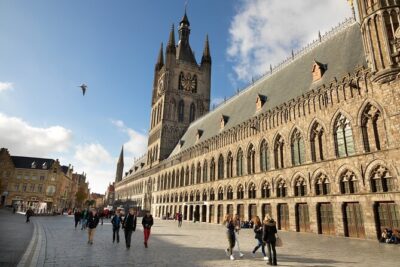
Flanders Fields Remembrance Tour from Brussels
Read our review →
From IEPER Private 4-hour Tour of the Ypres Battlefield
Read our review →
In Flanders Fields and Passchendaele Half Day Morning Tour
Read our review →
An exploration of the deadly salient battlefields
Read our review →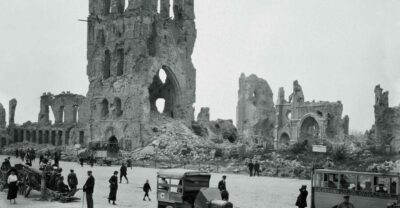
Small Group Ypres Remembrance Day Filled With War History
Read our review →Browse the lists this tour appears in