
Reviewed · DARK HISTORY WALKS
The Brussels Crime Tour
Brussels has a darker side. On this guided crime walk, you trace real cases and city legends through the historic centre, with a tone that stays respectful even when the crimes turn violent. You also come away with more than spooky tales, you learn how policing, social rules, and everyday life shaped what happened in different centuries.
I especially like how the tour balances headline cases with small, human anecdotes. You get named stories such as the Saint-Gery square case (1847) and the Jeanne Van Calk story (1906), plus the earlier Devil’s Corner legend from the 17th century. I also appreciate the storytelling style, which is often theatrical and keeps the atmosphere sharp without losing the facts.
One drawback to consider is that the experience is intentionally dark and geared toward adults. It is not suitable for children under 12, and if you prefer lighter city walks, the pacing and intensity may feel like a bit too much.
In This Review
- Key things I’d plan around
- A 2-hour walk through Brussels crime, with a serious purpose
- Stories that connect crimes to daily life
- The Devil’s Corner legend (17th century): when folklore becomes a warning
- 1850 double murder over 50kg of pork: crime as economics
- 1847 Saint-Gery square crime: the city’s pulse in one square
- 1906 Jeanne Van Calk: a name that carries weight
- The guide is part of the experience, especially in English and French
- What makes it respectful when the material gets violent
- Price and value: is $25 worth it?
- Practical tips for walking through the historic centre after dark
- Who should book this crime tour, and who should skip it
- Should you book the Brussels Crime Tour?
- FAQ
- How long is the Brussels Crime Tour?
- How much does the tour cost?
- Where does the tour start?
- Which languages are available?
- Is the tour wheelchair accessible?
- Is the tour suitable for children?
- Can I get a full refund if I cancel?
- Is pay later an option?
- What crime stories are included in the tour?
Key things I’d plan around
- A 2-hour, guided walk that focuses on crimes from the 19th and 20th centuries
- Multiple eras in one route, including the 17th-century Devil’s Corner legend
- Major cases with clear names, like Saint-Gery square (1847) and Jeanne Van Calk (1906)
- A crime-and-society approach, where customs and policing matter as much as the plot
- Theatrical narration can be a big part of the fun, and guides vary in style
More of the darker side of Brussels:
- Evening Tour: The Dark Side of Brussels
★ 4.5 · 435 reviews - Historical Walking Tour: The Story of Brussels – by Legends
★ 5.0 · 164 reviews - Private Tour: The Dark Side of Brussels
★ 5.0 · 20 reviews - Brussels: 2-Hour Dark Side of Brussels Private Tour
★ 4.8 · 16 reviews - Leuven Self-Guided Sherlock Holmes Murder Mystery Game
★ 3.0 · 1 review
A 2-hour walk through Brussels crime, with a serious purpose
This is the kind of tour where the city feels different by the halfway point. Brussels does not just look historic here, it feels like it has memory, especially as you move through darker, older streets in the centre. The goal is not shock for shock’s sake. It is to show you what crimes revealed about the people, the rules, and the anxieties of each period.
The tour lasts 2 hours, which is long enough to cover several stories, yet short enough that you are not stuck in one mood all night. It is also a practical format for visitors who want something memorable without turning the evening into a full-day project. You just need the mindset: you are walking through frightening material, sometimes brutal, while staying grounded in facts.
Stories that connect crimes to daily life
What makes the Brussels Crime Tour more than a set of spooky stops is the way it frames each incident inside its era. You do not only hear what happened. You learn how society worked, what people valued, and what authorities were like when something went wrong.
The tour promises you a walk that is gloomy and sometimes very violent, but the tone stays respectful toward the people involved. That matters in a city tour, because you want your chills without turning real harm into entertainment. I like that the narration focuses on motivations such as revenge, crimes of passion, and crimes of honour, then connects those motives to the social customs around them.
And yes, there are legends and darker myths too. The tour includes the legend of the Devil’s Corner from the 17th century, which helps explain how fear and folklore can mix with real-world violence in how cities tell their own stories.
The Devil’s Corner legend (17th century): when folklore becomes a warning
One of the earliest stories in the tour is the Devil’s Corner legend, tied to the 17th century. Even if you already know the basics of European ghost-lore, you will likely appreciate how the narration treats legend like social information, not just fantasy.
The point is not to turn history into a campfire scare. It is to show how a city’s darkest stories often start as explanations for missing answers, bad luck, and moral panic. When communities face fear they cannot control, legends give the fear a shape you can repeat.
On this kind of stop, I like paying attention to the tone more than the horror details. A good guide uses the legend to help you understand what people were trying to protect. It is often about reputation, religion, and the boundaries of acceptable behaviour. That makes the story feel less like random spooky trivia and more like a window into what people believed.
1850 double murder over 50kg of pork: crime as economics
Then the tour jumps to a striking highlight: a double murder for 50kg of pork in 1850. It is a brutal reminder that crime is not always about romance or rage. Sometimes it is about theft, hunger, desperation, or the raw value of goods in everyday life.
This story is especially interesting because the motivation is concrete. Pork, weight, and the cost of food land in a way that abstract villainy does not. You are left thinking about how people lived, what was scarce, and what consequences followed when violence crossed a line.
I also like how the tour uses cases like this to show how policing and justice worked in the 19th century. Theft could be routine, but violence around it was different. That is where you start to see patterns in how authorities reacted, and how communities judged the guilty and the innocent.
A few more Brussels afternoons to weigh up


1847 Saint-Gery square crime: the city’s pulse in one square
Another anchor story is the crime of the Saint-Gery square from 1847. Squares are city stages. People meet there, trade there, gossip there, and pass judgment there. When a crime happens in a place like that, the whole neighbourhood becomes part of the story.
What you will likely enjoy about this stop is how it turns geography into context. Saint-Gery square is not treated as a background photo. It becomes a lens for social life, where customs and daily routines influence what witnesses saw, what rumours spread, and how investigators interpreted behaviour.
A good reason to include this kind of stop in your Brussels plan is that it teaches you how “public space” affects crime stories. In older cities, the street was the courtroom before the courtroom ever got involved. Even if you are not a history buff, you can connect this to modern life fast: people react differently when everyone knows everyone else.
1906 Jeanne Van Calk: a name that carries weight
The tour’s 20th-century highlight is the Jeanne Van Calk case from 1906. This is the kind of story that sticks because it puts a human name to the larger themes of the time.
By the time you reach this segment, you should already feel the tour’s pattern: crimes are not just events. They are signals about society. A case like Jeanne Van Calk gives you a chance to compare expectations across decades, including how communities processed scandal, how authorities worked, and how the public understood motive.
This stop is also a good time to reflect on what you have learned so far. Earlier crimes and legends set up the ideas of honour, revenge, and passion. Then the Jeanne Van Calk case pushes you to think about what changed by the early 1900s, and what stayed weirdly familiar about human behaviour.
The guide is part of the experience, especially in English and French
This is a live guided tour with language options in French and English. That matters because the way the story lands depends on the guide’s voice and pacing. The tour provider uses story structure to move through time, so you are not stuck in one era’s tone.
From the tour style you can expect, delivery can be quite theatrical. One name that stood out in the information provided is Thibaud, noted for captivating, story-ready performance and an orator’s approach. Even when the specifics of your guide are different, this tour’s format seems designed for confident narration, not dry facts read off a page.
Tip for you: in a tour like this, clarity is everything. If you want to follow closely, arrive early enough to settle in and keep your attention on the guide during the first story. Once you get the rhythm, the later stops tend to feel smoother.
What makes it respectful when the material gets violent
It is impossible to do a crime tour in Brussels and keep things gentle. The tour promises a “shivering, frightening, gloomy” walk, sometimes bloody and sometimes very violent. What you should watch for is how the narration handles victims and perpetrators.
The tour description emphasizes sticking to the facts while being respectful about the protagonists. That approach is what keeps the experience from turning into sensational entertainment. You are meant to learn, not gawk.
In practice, that means you might hear about intense outcomes, but you should also hear about why the story mattered to the city. You should also feel that the guide is using violence as a historical clue, not as a punchline. If you want a darker activity that still feels grounded, that tone is a big part of the value.
Price and value: is $25 worth it?
The price is $25 per person, and the tour includes the ticket for the guided walk. For two hours, that is a reasonable ask when you factor in three things.
First, you get a structured, live storyteller. You are paying for time on the street with context, not just for passing landmarks. Second, you get multiple eras in one session, including 17th-century legend and early 1900s casework, plus named stories from 1847 and 1850. Third, the tour is in French or English, which lowers friction if you are visiting with a friend who prefers one language.
Could you DIY some of this with a map and a phone? Sure. But a crime walk like this lives on narrative flow. You will not automatically connect pork theft to justice patterns, or turn Saint-Gery square into a social stage, without someone guiding the story.
Practical tips for walking through the historic centre after dark
Because this experience leans into dark alleys and a gloomy atmosphere, your comfort matters more than usual. Keep your shoes solid, especially if you are visiting during wetter seasons. You want stable footing more than fashion points.
Also, think about attention span. One piece of feedback in the information provided notes that an intro and first story can run long, including a stretch that was described as too lengthy because the first tale was not even a crime. If you know you can tune out when a story starts slow, plan to settle into listening from the first minute. You will get more out of it as the cases move into stronger territory.
Finally, if you want photos, use quick shots. A crime tour is not an everything-photography event. You will get more out of staying present and letting the guide connect the street corners to the events.
Who should book this crime tour, and who should skip it
This is best for you if you like crime history, urban legends with context, or guided storytelling that takes social customs seriously. It is also a good fit if you want something different from the usual museum loop and you like your Brussels with edge.
It is not suitable for children under 12, and that is consistent with the tour’s promise of violent, frightening material. If you are bringing younger teens, check your own comfort level first, since this is aimed at older audiences.
If you hate gruesome details, you might find the “sometimes bloody” description a warning sign. On the other hand, if you prefer narratives that explain motives, policing, and consequences, this format is likely to feel thought-provoking instead of just grim.
Should you book the Brussels Crime Tour?
If you want Brussels to feel more human and less postcard, I think this tour is a strong choice. For $25, you get two hours of live narration that links major cases across centuries, including Devil’s Corner, Saint-Gery square (1847), the 1850 pork double murder, and the Jeanne Van Calk case (1906). You also get a tone that aims to stay respectful while still delivering chills.
Book it if you like guided stories where the city itself becomes part of the evidence. Skip it if you want a light evening out, or if you are not comfortable with violent historical content.
If you do book, arrive on time, wear comfortable shoes, and give the first part a chance. Once the guide locks in the pace, the darker side of Brussels becomes oddly memorable in the best way.
FAQ
How long is the Brussels Crime Tour?
The tour duration is 2 hours.
How much does the tour cost?
The price is $25 per person.
Where does the tour start?
The meeting point may vary depending on the option booked.
Which languages are available?
The guided tour is offered in French and English.
Is the tour wheelchair accessible?
Yes, the tour is wheelchair accessible.
Is the tour suitable for children?
No, it is not suitable for children under 12.
Can I get a full refund if I cancel?
Free cancellation is available up to 24 hours in advance for a full refund.
Is pay later an option?
Yes, there is a reserve now & pay later option, so you can book your spot and pay nothing today.
What crime stories are included in the tour?
The highlights include the Devil’s Corner legend (17th century), a double murder tied to 50kg of pork (1850), the Saint-Gery square crime (1847), and the Jeanne Van Calk case (1906).
Latest from Brussels





Dark History Walks, compared.
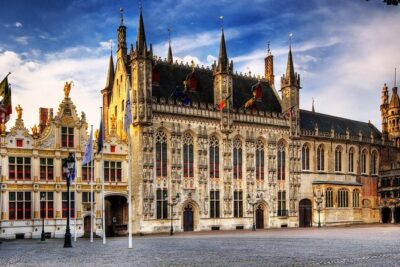


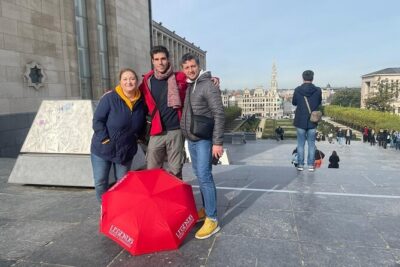
Historical Walking Tour: The Story of Brussels – by Legends
Read our review →Browse the lists this tour appears in