
Reviewed · GHENT & BRUGES COMBO TRIPS
Private Tour Best Of Ghent and Bruges From Brussels for Big Group
Two cities, one smooth day. What I like most is the Bruges canals for quick picture stops, and the Basilica of the Holy Blood for its two-part chapels and why people come here. From the moment you’re picked up in Brussels, this is set up to keep the day easy, with a certified guide, an air-conditioned mini coach, and a clear route across the big hits.
The one possible drawback is time. It runs about 7 to 9 hours, so you’ll be on a steady schedule and you can’t slow-walk every street like you might on a do-it-yourself trip.
In This Review
- Key Points You’ll Actually Notice
- How the Day Works: Pickup, Mini-Coach Comfort, and a Real Plan
- Bruges First: Canal Views, Venice of the North, and Getting Oriented Fast
- Mariastraat and Minnewaterbrug: Two Quiet Anchors for Photos
- Basilica of the Holy Blood: Lower Romanesque and Upper Chapel Views
- Beguinage Ten Wijngaarde: Middle Ages Tranquility in a Modern Day Schedule
- Belfry Tower, Our Lady Church, and Sint Janshospital: Big Bruges Icons in One Route
- Graslei and Korenlei: Old Harbour Stories You Can See
- St Bavo’s Abbey and Ghent Cathedral: Art Focus Plus a Proper Grand Building
- Gravensteen and the Castle Angle in Ghent
- Burg Square, Then Back to Brussels
- Boat Trip Options: When to Add the Water Ride
- Price and Logistics: Is This $537.59 Per Person Good Value?
- Who This Tour Fits Best (and Who Might Want Something Different)
- Should You Book This Best Of Ghent and Bruges Tour?
- FAQ
- How long does the tour take?
- Is hotel pickup and drop-off included?
- Is this a private tour?
- What transportation do you use?
- Are boat trips included?
- Is WiFi provided during the tour?
- Are admission tickets included?
- Is bottled water provided?
- What is the cancellation and change policy?
- Can children or service animals join?
Key Points You’ll Actually Notice
- Bruges canal stops built around photo moments, from Mariastraat to Minnewaterbrug
- Basilica of the Holy Blood in two chapels, with a dark Romanesque lower space you can still recognize
- Ten Wijngaarde beguinage, a Middle Ages style complex that feels quieter than the busy squares
- Ghent’s cathedral art focus, including works by Rubens and Laurent Delvaux at St Bavo’s Abbey
- Graslei and Korenlei old harbor views, with trade and merchant stories tied to the buildings
- Transport comfort plus small extras, bottled water and WiFi on board
More Ghent-and-Bruges doubles:
- From Brussels: Guided Day Trip to Bruges and Ghent
★ 4.6 · 8,353 reviews - From Brussels: Bruges & Ghent Day Tour – 2 Fairytale Cities
★ 4.7 · 8,242 reviews - Bruges and Ghent – Belgium’s Fairytale Cities – from Brussels
★ 4.0 · 4,809 reviews - Bruges and Ghent Day Trip from Brussels
★ 4.5 · 784 reviews - From Brussels: Bruges and Ghent Full-Day Trip by Train
★ 4.3 · 103 reviews
How the Day Works: Pickup, Mini-Coach Comfort, and a Real Plan
This is a straight shot day trip with structure. You start in Brussels, meet your driver and certified guide at your pickup location, then head to Bruges first. The big win for a day like this is that you do not have to figure out routes, transfers, or where to start. You just show up, get oriented, and go.
The transport is an air-conditioned mini coach, and you get bottled water plus WiFi on board. That might sound like small stuff, but on a long day it helps. You can keep your phone charged for maps and photos, and you won’t be hunting for water the moment you get warm.
It’s also a private tour where only your group participates. That matters more than people think. A private guide can pace the day based on your interests, and you’re not squeezed into a rigid group funnel.
Because this is a “best of” style itinerary, the trade-off is that you’ll cover a lot of ground. You’ll see the major landmarks, but it’s not built for deep museum time at every stop.
Bruges First: Canal Views, Venice of the North, and Getting Oriented Fast
Bruges has that postcard reputation for a reason. The tour leans into the city’s UNESCO World Heritage feel, its canals, and its Gothic architecture. Your guide uses the route to help you understand where things are, why the buildings look the way they do, and how the city’s layout shapes the experience.
The first long stretch is a Bruges stop of about 2 hours. That gives enough time to get your bearings and still feel like you’re not rushing. If it’s your first time here, that’s exactly what you want, because Bruges rewards people who start with the big reference points.
Then the day moves into smaller, targeted breaks that feel more like wandering with a purpose. You’re not just “walking around,” you’re walking to specific sights that anchor your photos and your sense of the city.
If you tend to get overwhelmed in new cities, this “start with the essentials” approach is a strong match.
Mariastraat and Minnewaterbrug: Two Quiet Anchors for Photos
Two of the earliest stops are designed for easy, low-stress moments. At Mariastraat, you have time to take photos from a small bridge. This is the kind of stop that sounds simple, but it’s smart. A good Bruges photo usually needs a little framing, and bridges give you that natural perspective over the canals.
Next comes Minnewaterbrug, the bridge by Minnewater Lake. Here’s a detail I like because it gives the name a story: “minnewater” is Dutch, and it’s made from two words. “Minne” can mean both common and love, and “water” means water. You’re basically standing at a place whose name carries a double meaning, which makes the setting feel a bit more layered than just pretty scenery.
This stop also gives you a breather between bigger landmarks. You can step away from the busiest streets for a moment, look out over the water, and reset your pace before heading into major buildings.
Basilica of the Holy Blood: Lower Romanesque and Upper Chapel Views
Burg Square is where the mood shifts from “pretty city corners” to “why people built this place.” The tour’s time at the Basilica of the Holy Blood includes a look at both the lower and upper chapels.
What I find especially interesting is the contrast the basilica offers. The lower chapel is dedicated to St Basil the Great, and it’s described as a dark Romanesque space that remains virtually unchanged. That’s not just architecture trivia. It means you can actually see how older styles held up over time, not just modern reconstructions.
The basilica is also centered on venerated Passion relics, which is why so many visitors make this a must-do. Even if you’re not there for the religious angle, it helps explain the energy of the place. People come because the building has a purpose beyond aesthetics.
If you like places with a specific reason for their fame, this stop delivers.
A few more Brussels afternoons to weigh up

Beguinage Ten Wijngaarde: Middle Ages Tranquility in a Modern Day Schedule
Right after the basilica, you get The Princely Beguinage Ten Wijngaarde. The description frames it as one of Bruges’ most representative complexes, and it’s treated as a quiet environment that feels rooted in the Middle Ages. You are not just seeing a building. You’re stepping into a slower pocket of the city.
Beguinages are known for their life outside the main bustle, so this is a good counterweight to the canal crowds. It also pairs nicely with the earlier stops. You’ve been learning the city through bridges and squares, then you get a small “pause” space where you can look around and absorb scale and layout.
Your time here is about 40 minutes. That’s enough to walk through calmly and still not feel you’ve lost the rest of the day.
Belfry Tower, Our Lady Church, and Sint Janshospital: Big Bruges Icons in One Route
The tour’s Bruges portion isn’t limited to canals and courtyards. You’re also set up to see the Belfry Tower and Our Lady Church, plus Sint Janshospital with the Memling Museum or the Groeninge Museum option. These are the classic “check the boxes” landmarks, but they’re useful boxes. They help you understand Bruges’ power, wealth, and cultural priorities across time.
A certified guide matters most at stops like these. The difference between seeing a famous tower from across the street and understanding what it meant to the city can be huge. The same goes for churches and historic hospitals, which were not just buildings. They were institutions.
If you want Bruges to feel complete without spending two full days here, this is the kind of route that does it.
Graslei and Korenlei: Old Harbour Stories You Can See
The stop at Graslei and Korenlei is one of those “you get it once you’re standing there” moments. This is described as the old harbor area, and your guide ties what you see to trade and merchant life, including references to sailours and merchants.
The big advantage of this stop is that it turns architecture into a story you can picture. The buildings aren’t just pretty facades. They connect to the way the city worked, how goods moved, and why the waterfront became such a focal point.
You get about 30 minutes here. That’s enough to look, take photos from the canal side, and hear the context without feeling rushed out the door. If you like understanding how cities made their money, this is a great use of time.
St Bavo’s Abbey and Ghent Cathedral: Art Focus Plus a Proper Grand Building
After the Bruges portion and lunch time, the day continues to Ghent. The tour’s plan puts major emphasis on the cathedral experience. You’ll have time to admire the altarpiece in the cathedral, then you move to additional major landmarks.
One highlight is St Bavo’s Abbey. The description calls out a facade that mixes Romanesque, baroque, and Gothic elements, which is a quick way of saying the outside already shows you the building’s long story. Inside, it’s framed as a repository for valuable art treasures, including works by Rubens and Laurent Delvaux.
You’re also getting an “Admission Ticket Included” stop here, which matters for value. It means at least one key museum or collection moment is covered in the tour pricing.
In plain terms, this is the stop that turns the day from “pretty canal cities” into “Belgium as an art and power center.” If you care about museums but still want an efficient day schedule, this is a strong pivot.
Gravensteen and the Castle Angle in Ghent
Ghent adds a different vibe than Bruges. You get canal and guild house views, but you also get the castle energy. The itinerary includes Gravensteen, described as one of Ghent’s most famous landmarks, and it’s tied directly to how its creation and evolution changed history in the surroundings.
The tour overview also flags the Castle of the Counts of Flanders as a must-see. In practice, this is that castle-style stop. It gives you a dramatic contrast to church interiors and market squares, and it helps you feel the old power centers of the city.
You’ll spend about 30 minutes here. Again, it’s not a long “sit and study” experience. It’s enough time to see the main structure, understand the role of the site, and keep the day moving.
Burg Square, Then Back to Brussels
Burg Square is part of the Bruges story, and it’s described as the political center of Bruges, with architecture in different styles built over more than a thousand years. That is a helpful framing, because it reminds you that this wasn’t only a pretty place people visited. It was an administrative and political space too.
The stop is about 30 minutes, so you can take photos, look at the building shapes, and connect them back to what you’ve already learned.
After your Ghent and Bruges sights, your guide and driver return you to your hotel or another agreed drop-off location in Brussels. The last stretch is part of the value. You don’t end the day stranded with tired legs and a route problem.
Boat Trip Options: When to Add the Water Ride
The tour includes optional scenic boat trips in both Bruges and Ghent. If you’re deciding whether to add them, think about what you want most on a day like this.
A canal boat is usually the best “I want views without extra walking” choice. It also helps you understand canal geography in a way that straight-line walking can’t. Bruges in particular feels instantly different from the water, and Ghent is the same story, just with a different mood.
On the other hand, boat time can steal minutes from museum stops or longer photo moments. Since this is already a packed itinerary, I’d only add a boat if you’re the type who knows you’ll relax and enjoy the ride instead of using that time to rush to the next place.
Price and Logistics: Is This $537.59 Per Person Good Value?
The price is $537.59 per person, and the tour runs about 7 to 9 hours. That’s not a cheap day trip, but the inclusions are the key to judging value.
You get:
- hotel pickup and drop-off
- a private tour setup for your group
- a professional guide
- transport by air-conditioned mini coach
- bottled water
- WiFi on board
- admission is free for many stops, with at least St Bavo’s Abbey marked as included
When a tour bundles the guide plus transport, you’re paying for time saved and decision fatigue removed. For Bruges and Ghent, that matters. These cities have enough sights to make a self-planned day feel like a juggling act. With this setup, you’re handed a plan, and a guide handles the connections between stops.
Where the cost might feel harder is if you’re traveling as just one person with no group discount. The tour does mention group discounts, but you still may find it pricey compared with DIY, especially if you’re a relaxed, slow traveler who doesn’t mind trains and walking.
My take: this is best value for small groups or friends who want comfort, a guide, and a hit list that covers Bruges and Ghent in one day without turning the day into a sprint.
Who This Tour Fits Best (and Who Might Want Something Different)
I’d book this tour if:
- you want a guided day that hits the big Bruges and Ghent landmarks
- you appreciate canal views and want a route that uses them smartly
- you’re interested in churches and art, especially the cathedral focus in Ghent
- you like the idea of optional boat rides but still want the core itinerary covered
This is also a good fit if you’re in Belgium for a limited time. Doing Bruges and Ghent together can be the right move when you don’t want to commit two separate full days.
Based on the one top review, a major praised aspect is the driver. The comment highlighted that the driver was amazing and very insightful, and the overall experience felt awesome with beautiful scenery. That matches what this kind of private guided setup should do well: keep the ride comfortable and the day coherent.
If you prefer very slow pacing, deep museum time, or lots of independent wandering with no schedule pressure, this might feel too structured.
Should You Book This Best Of Ghent and Bruges Tour?
Yes, if you want a smooth, high-impact day with a guide. The mix of Bruges canal moments, the Basilica of the Holy Blood with its lower Romanesque chapel, and Ghent’s cathedral art focus at St Bavo’s Abbey gives you variety without forcing you to plan everything yourself.
I’d also say yes if you’re the kind of visitor who likes context. Stops like Gravensteen, Gravensteen’s castle history angle, and the harbor stories at Graslei and Korenlei make the sights more than just scenery.
If you’re budget focused and don’t care about a driver plus a tightly guided route, you can probably DIY. But if you’d rather spend your energy looking at buildings than solving transport, this private setup is a strong choice.
FAQ
How long does the tour take?
The tour is listed as approximately 7 to 9 hours.
Is hotel pickup and drop-off included?
Yes, hotel pickup and drop-off are included.
Is this a private tour?
Yes. It is a private tour, and only your group will participate.
What transportation do you use?
You travel by air-conditioned mini coach.
Are boat trips included?
Boat trips are optional. You can opt for a scenic boat trip in Bruges and also consider one in Ghent.
Is WiFi provided during the tour?
Yes. WiFi is included on board.
Are admission tickets included?
Admission is marked as free for many stops. St Bavo’s Abbey has an admission ticket marked as included.
Is bottled water provided?
Yes. Bottled water is included.
What is the cancellation and change policy?
The experience is non-refundable and cannot be changed for any reason. If you cancel or ask for an amendment, the amount you paid will not be refunded.
Can children or service animals join?
Service animals are allowed. Children must be accompanied by an adult, and most travelers can participate.
Latest from Brussels



Ghent & Bruges Combo Trips, compared.
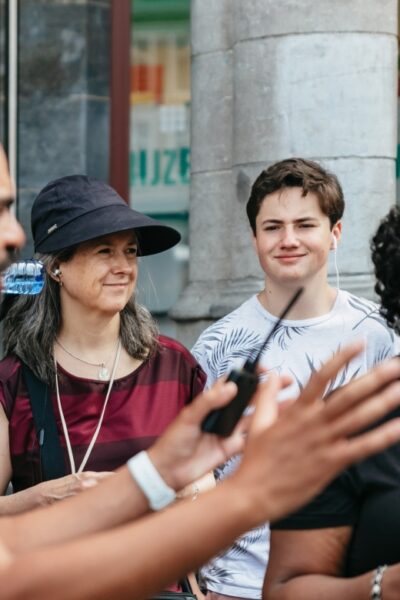
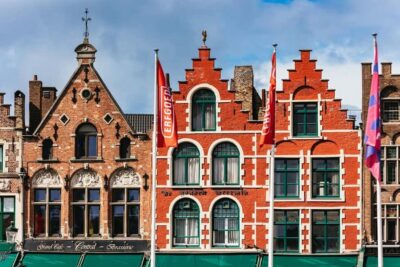
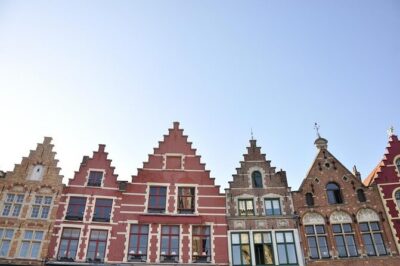
Bruges and Ghent – Belgium’s Fairytale Cities – from Brussels
Read our review →
Bruges & Ghent Tour w/ Cruise & Chocolate Tasting
Read our review →
Browse the lists this tour appears in