
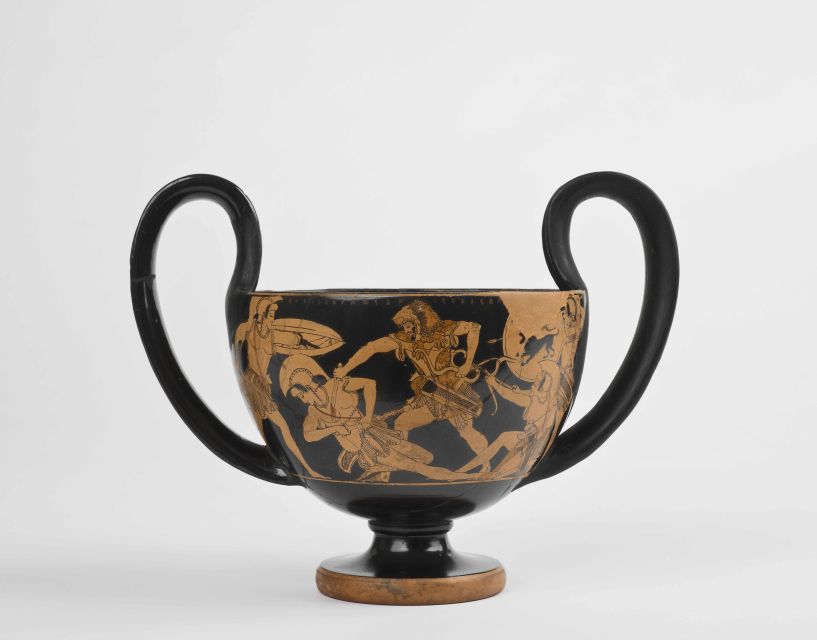
Reviewed · HISTORICAL TOURS
Brussels: Museum Art & History Entry Ticket
A museum day can feel like a time machine. At Brussels Royal Museums of Art and History, you move from early human finds to the model of Roma, then on to Egyptian mummies and beyond.
What I like most is the way the collections are clearly organized into big story blocks, so you never feel lost. I also love the ending rhythm, where you can close the day with an impromptu break at Cinquantenaire Park.
One heads up: this is a large museum. If you only have a quick stop in mind, you may end up skipping more than you planned.
In This Review
- Key things to know before you go
- Arriving at Parc du Cinquantenaire, and finding the right entrance
- Prehistory to early human finds: the national archaeology section
- Egypt, Greece, and Rome, plus the model of Roma
- Middle Ages to Art Deco: European decorative arts, 10th to 20th century
- Non-European civilisations: Islamic world, India, and China
- A smart way to structure your one-day museum visit
- Ending in Cinquantenaire Park: make the day feel complete
- Price and value for $11, and when it feels worth it
- Who should book this museum ticket
- FAQ
- What does the ticket include?
- How long is this ticket valid?
- Is there a skip-the-ticket-line option?
- Where is the entrance if I am near Autoworld?
- What are the closest public transport stops?
- Can I take photos with flash?
- Is the museum wheelchair accessible?
- Can I cancel and get a full refund?
- Should you book this museum ticket?
Key things to know before you go
- Start in prehistory, then travel straight through Egypt, Greece, and Rome without changing museums.
- The model of Roma gives you a quick, memorable visual anchor for Roman history.
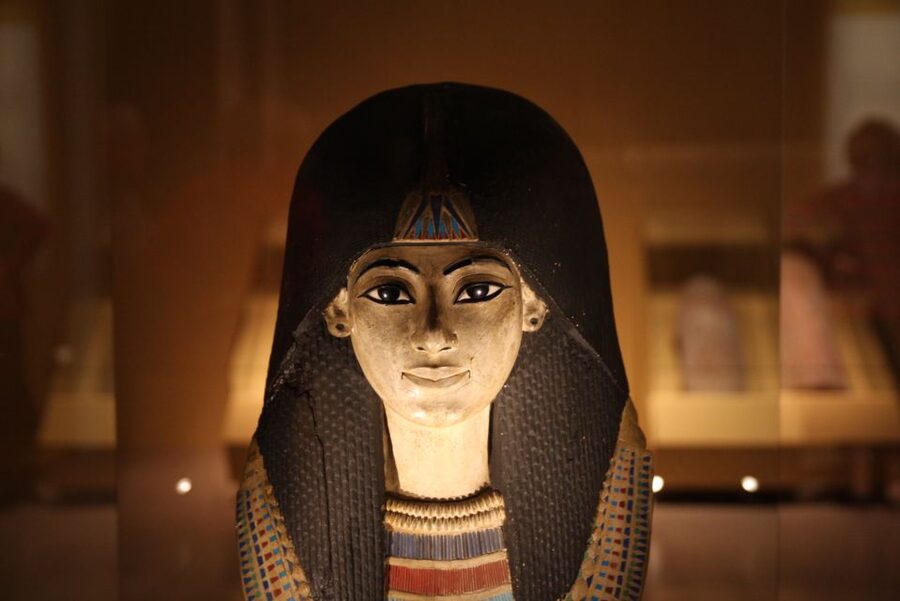
- Egyptian mummies make the ancient section feel dramatic, not just dusty facts.
- Asian Buddhas and non-European collections help you compare cultures side by side, not one after another in isolation.
- Decorative arts from the 10th to 20th century lets you shift from big stories to craftsmanship and design.
- A classic building at Parc du Cinquantenaire makes the walk to the museum and the finish outside genuinely pleasant.
More History Tours in Brussels
- Brussels: Historical Tour with Chocolate & Waffle Tasting
★ 4.8 · 1,206 reviews - Brussels: Historical Walking Tour with Chocolate & Waffle Tasting
★ 5.0 · 1,165 reviews - Historical Walking Tour: The Story of Brussels – by Legends
★ 5.0 · 164 reviews - Brussels on Foot: Historic Center with a Local Guide in 2 hours
★ 4.3 · 36 reviews - Brussels: BELvue Belgium History Museum Entry Ticket
★ 4.6 · 27 reviews
Arriving at Parc du Cinquantenaire, and finding the right entrance
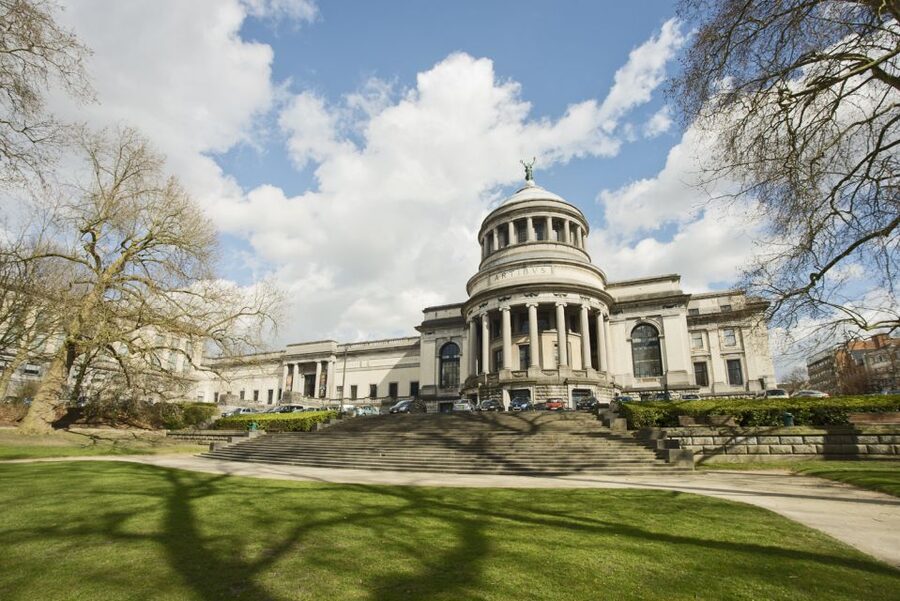
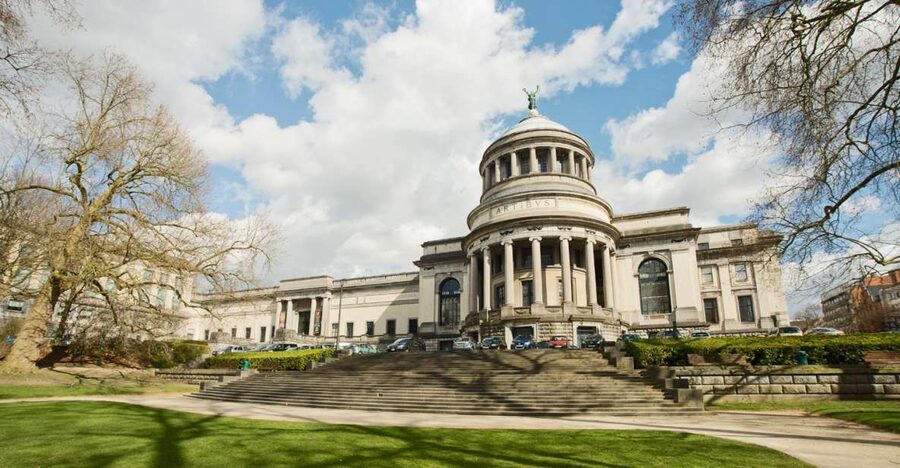
The Royal Museums of Art and History sit in a classic building at Parc du Cinquantenaire, one of Brussels most photogenic park areas. Even before you enter, the setting helps you slow down and treat this like a full day, not a rushed checklist.
Transport is convenient. Merode and Schuman are within walking distance, and Central Station works well too if you use the metro connection to reach the museum. The nearest metro stop is Schuman.
One practical detail matters: the entrance is not next to Autoworld. You need to walk around the corner and follow the signs to the entrance, so give yourself a minute to orient.
Inside, the museum experience is all about atmosphere and scale. Plan to see several sections, not just one highlight room, so you get your money’s worth. Also note flash photography is not allowed.
Prehistory to early human finds: the national archaeology section
The museum’s setup begins with archaeology tied to the story of human beginnings. You’ll see discoveries that frame how people lived before written history, which gives context to everything that comes later.
I like starting here because it trains your eye. Once you understand the earliest material culture, later galleries in Egypt, Greece, and Rome feel less like separate topics and more like a long human timeline.
If you’re visiting with kids or teens, this section can be a win because it encourages questions like what tools were made for and what daily life might have looked like. It is also a good place to reset your pace before you move into the more dramatic ancient objects.
Egypt, Greece, and Rome, plus the model of Roma
This part of the museum is a big reason people book a whole day. You step into ancient history with strong coverage of Egypt, Greece, and Rome, and the exhibits are grouped so the story doesn’t jump around.
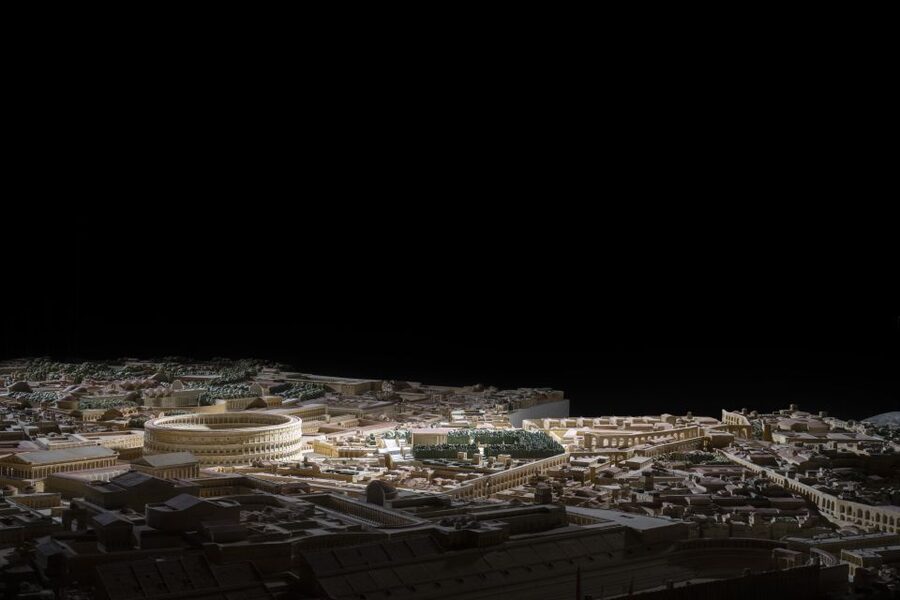
Two moments help the collections stick in your mind. The model of Roma gives you a fast visual understanding of what Rome might have looked like, especially useful if you are the type who remembers better from imagery than from dates.
Then you hit the section tied to Egyptian mummies, and the mood shifts. Even if you do not go deep on symbolism, you get that wow factor that makes ancient history feel real and human.
For Greece and Rome, the value is in how the museum connects objects to place and time. You are not only looking at artifacts, you are picking up how cultures interacted with power, religion, and art.
A practical tip: pace yourself here. If you rush, you will miss the small details that make archaeology and ancient history satisfying. Spend extra time at the transition points where one civilization’s style begins to differ from the last.
Middle Ages to Art Deco: European decorative arts, 10th to 20th century
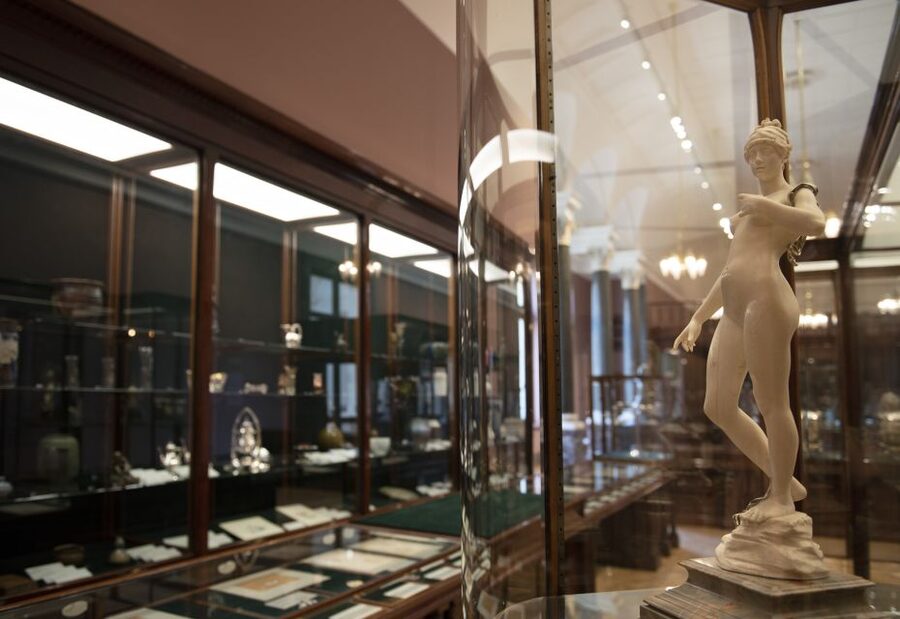
After the ancient galleries, the museum helps you shift gears into European decorative arts from the 10th to the 20th century. This is where you trade battlefield stories and temples for craftsmanship, materials, and design choices.
I find decorative arts make history feel personal. Instead of only asking who ruled, you start noticing how people dressed, decorated homes, and valued specific aesthetics. You can trace changing tastes from earlier medieval styles toward later European movements.
Near the end of this arc, you reach Art Nouveau and Art Deco from the early 20th century. This is a strong payoff if you like architecture, posters, graphic design, or any design-first way of looking at the past. Even if your interest is mainly ancient history, this section can pleasantly surprise you.
Drawback to consider: the decorative arts section can feel more interpretive than action-packed. If you prefer battles, ruins, and kings, you will want to pick a few areas to focus on rather than trying to catch everything in one pass.
More Museum Visits in Brussels


Non-European civilisations: Islamic world, India, and China
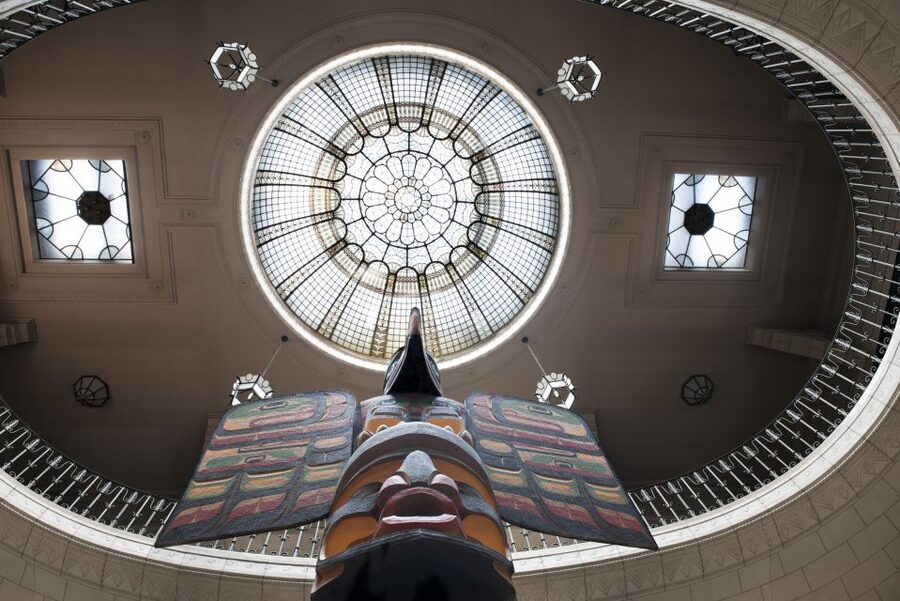
One of the best parts of this museum plan is that it does not stop at Europe. You move into non-European civilisations, including the Islamic world, India, and China, plus related collections from across Asia and other regions.
This section matters because it invites comparison without forcing one culture to act as a side note. You get to see styles, religious art, and sculpture traditions as part of a wider global story.
The highlights here include moving through an oriental world filled with Asian Buddhas. Even if you do not know the religious context, the forms, proportions, and materials help you understand how art carries meaning across generations.
If you care about world art history, this is the section that prevents the day from becoming one long Europe-only story. It also works well for mixed groups, where one person loves the Roman angle and another prefers Asian art or Islamic design.
A good approach is to slow down at the first room you enter in this section. Spend time looking at materials and scale, then carry that attention into the next gallery. That way, you feel the differences more clearly.
A smart way to structure your one-day museum visit
You get 1 day, and the ticket is valid for that visit window. With a museum this large, your success depends less on luck and more on planning a simple route.
Here is a practical rhythm that works well for most people:
Start with the big timeline sections in order, prehistory first, then Egypt, Greece, and Rome. Spend your energy in the highlights like the model of Roma and the Egyptian mummies, then shift into European decorative arts for variety. Finish with the non-European collections so the day ends with a broad cultural perspective.
You can also use the structure to manage attention. If you find yourself tiring, jump forward to a different style block, like decorative arts or the Asian and Islamic galleries. Breaking up the day like this keeps your brain from overheating on one theme.
If you really want to see everything, this can take longer than you think. If you are on a tighter schedule, pick at least one highlight from each major category so your day feels balanced.
Ending in Cinquantenaire Park: make the day feel complete
The experience is not only inside. The highlights specifically call out an ending moment with an impromptu picnic in Cinquantenaire Park.
That matters more than it sounds. After hours of indoor galleries, you need a breathing space to reset, snack, and let what you saw sink in. The park setting also turns your museum ticket into a bigger Brussels memory, not just a building you passed through.
Bring something simple, or pick up snacks nearby. Then pick a spot and take 20 to 30 minutes without rushing. You will be surprised how much your mood improves when the day ends outdoors.
Price and value for $11, and when it feels worth it
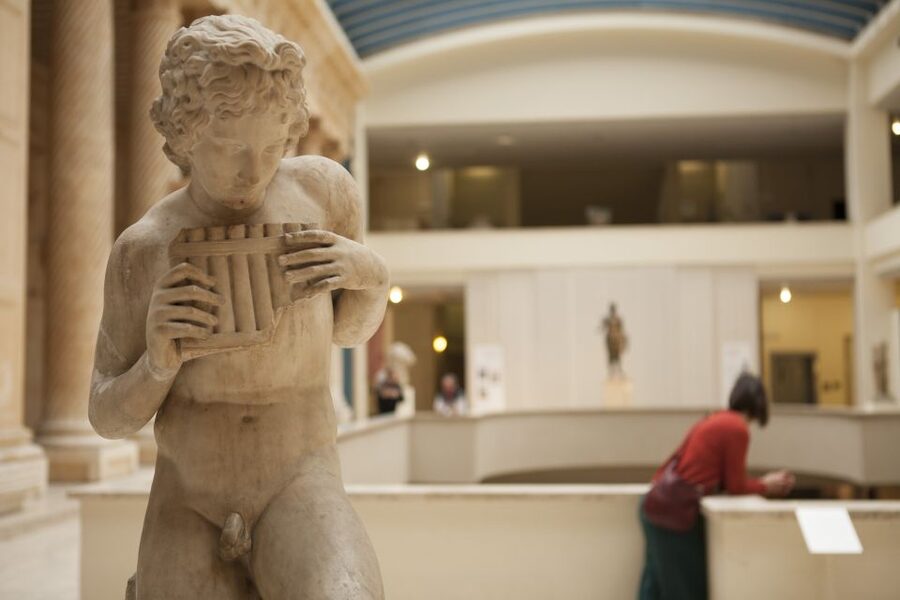
The price is listed at $11 per person, with entry tickets included and a skip the ticket line benefit. For a museum that spans multiple world cultures and several time periods, that is a pretty solid value if you actually plan to see several sections in one day.
Where the value can wobble is the same place it does for any large museum. If you walk in with the mindset of only grabbing one highlight, the cost can feel too high. One past visitor even felt they would not have needed to pay an amount around 8 euros, which is a good reminder to match your ticket to your intentions.
My advice: treat this as a full museum day. If you can spend enough time to experience the big categories, the price stops feeling like a gamble. If you only want the ancient section for a quick taste, consider whether you might prefer a shorter, more focused plan.
Also, don’t underestimate how much the park finish adds. The museum ticket plus time outdoors makes the whole outing feel longer and more satisfying than the museum time alone.
Who should book this museum ticket
This is a good fit for you if you like art and history across multiple regions and time periods, not just one era. It is also a strong option for families, since the museum can work for both adults and kids in the same visit.
You will also enjoy it if you like mixing categories, like ancient objects, decorative arts, and global collections, and then letting it all connect in your head.
If you dislike long indoor museum days, or you only want a single theme, you may need to set expectations and choose what you will skip. The museum is large, so your enjoyment depends on pacing.
FAQ
What does the ticket include?
The experience includes entry tickets to the Royal Museums of Art and History.
How long is this ticket valid?
The ticket is valid for 1 day. Starting times depend on availability, so you should check available start times when you book.
Is there a skip-the-ticket-line option?
Yes, this ticket includes skip the ticket line.
Where is the entrance if I am near Autoworld?
The entrance is not located next to Autoworld. You will need to walk around the corner and follow the signs to the entrance.
What are the closest public transport stops?
The nearest stations are Merode and Schuman (within walking distance). Central Station also works with a metro connection to the museum. The nearest metro station is Schuman. Bus lines 22, 27, 80 stop at Galliërs, and bus 61 stops at Merode. Tram 81 and 82 stop at Merode.
Can I take photos with flash?
No. Flash photography is not allowed.
Is the museum wheelchair accessible?
Yes. The museum is wheelchair accessible.
Can I cancel and get a full refund?
Yes. You can cancel up to 24 hours in advance for a full refund.
Should you book this museum ticket?
If you want a one-day Brussels experience that spans ancient Rome, Egypt, world art, and European design trends through the early 1900s, this ticket is a smart use of time. The skip the ticket line helps, and the Cinquantenaire Park picnic idea gives your day a satisfying finish.
Book it if you are the type who actually likes wandering through multiple galleries. Skip it or adjust expectations if you only want one small slice of the museum, because the building is large and the value comes from seeing more than one section.
Latest from Brussels




Historical Tours, compared.
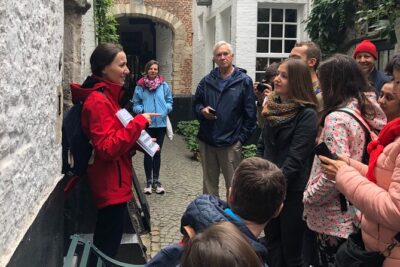
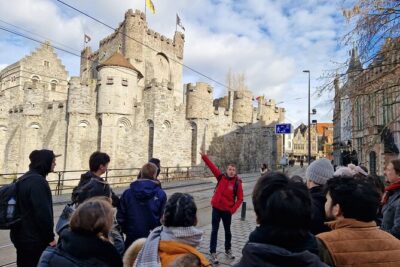

Historical Tour with Chocolate & Waffle Tasting
Read our review →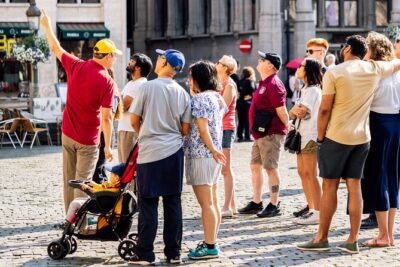
Historical Walking Tour with Chocolate & Waffle Tasting
Read our review →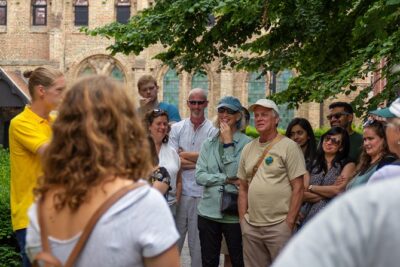
THE Storytelling Tour of Bruges | First Day Must | History & Tips
Read our review →
Browse the lists this tour appears in