
Reviewed · HISTORICAL TOURS
THE Storytelling Tour of Bruges | First Day Must | History & Tips
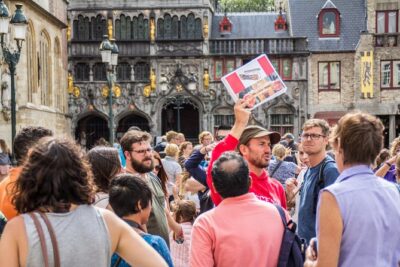
One story line beats a pile of facts in Bruges. This small-group walk strings together the city’s big moments, from the Belfort to Rozenhoedkaai, with a guide who tells it like theater. I like that the route is short, paced for real sightseeing, and focused on helping you understand what you are looking at.
I also really like the payoff for day one. You do the orientation stuff fast, then you get practical recommendations and discounts that help you plan your next meals and stops without guessing.
One consideration: this is a cobblestone walk. If rain or muddy conditions are rough, your comfort may depend on good footwear, because there is at least one little bridge with steps.
In This Review
- Key highlights at a glance
- Why a storytelling walk works in Bruges
- Price and what you should budget for (beyond the headline fee)
- Meeting at the Markt and the real walking rhythm
- Belfort: the medieval power symbol you will recognize later
- The Markt: where trading life shaped the city
- Rozenhoedkaai: the view that made Bruges famous
- Bonifaciusbrug: the tiny romantic bridge with an untold history
- Oud Sint-Jan: one of the oldest hospitals in the world
- Burg Square: where politics lived for over a thousand years
- Small detours that can improve your food plans
- Huidenvettersplein: from worst square to nicer days
- The guides: what makes the storytelling style work
- Getting your bearings for day one (and using the tips immediately)
- Weather, comfort, and who should book this
- Should you book this Bruges storytelling tour?
- FAQ
- How long is the storytelling tour of Bruges?
- Where do I meet the guide?
- Is the tour offered in English?
- What is included in the tour price?
- Do we need tickets or pay admission at the stops?
- How much should I tip?
- What does the tour cover?
- How big are the groups?
- What if the weather is bad?
- Can I get a refund if my plans change?
Key highlights at a glance
- Story-driven route through Bruges key squares and viewpoints, not a random checklist of sights
- Small groups capped at 6 per booking, with a max of 24 travelers overall for a more personal feel
- Postcard views with context at Rozenhoedkaai, plus an explanation of why it became the classic picture spot
- Rarely discussed details around places like Bonifaciusbrug, including its lesser-known history
- Hospital stop at Oud Sint-Jan framed as one of the oldest hospitals in the world, not just a photo stop
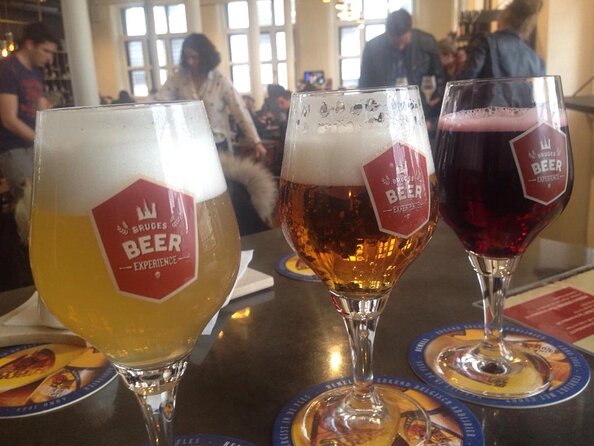
- Food and drink hints along the way, including a quick pointer to the Beer Experience and famous pralines
More History Tours in Bruges
- Historical Walking Tour: Legends of Bruges
★ 5.0 · 2,541 reviews - Private Historical Tour: The Highlights of Bruges
★ 5.0 · 315 reviews - 2-Hour Historical Walking Tour in Bruges with Praline Included
★ 5.0 · 291 reviews - Best of Bruges: History, Chocolate & Beer Tour
★ 5.0 · 256 reviews - Bruges: Private Historical Highlights Walking Tour
★ 4.7 · 191 reviews
Why a storytelling walk works in Bruges
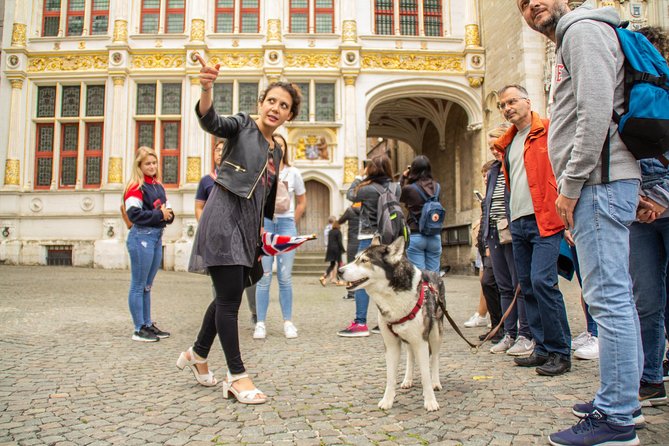
Bruges can feel like it is built out of postcards. The trick is learning what makes each postcard scene matter, and this tour does that by turning buildings and squares into stories you can recall later.
You start with the city’s power and commerce, then you move to the romantic views people always photograph. Along the way, your guide links places that look separate on a map, but make sense together on foot.
Price and what you should budget for (beyond the headline fee)
The listed price is $3.62 per person, which is surprisingly low for a guided walk. What makes it make sense is the pay-what-you-want tip structure at the end, which is standard for this kind of storytelling service.
Tips are welcome and expected, and many people choose around €10 to $50 per person. In other words, you should think of your total cost as the small booking fee plus a tip that matches how much you enjoyed the guide and the pacing.
Meeting at the Markt and the real walking rhythm
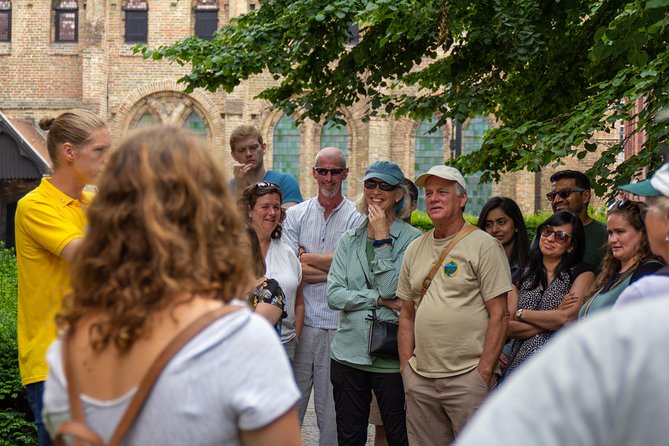
The tour meets at the Markt square in central Bruges, near the Belfry area. You will spot the guide by the meeting instructions and yellow umbrellas, and the group starts a few minutes before the walk begins.
This is typically a 2 to 3 hour experience with short stops, often around 5 to 15 minutes each. That timing matters because you are not stuck listening for ages at one place, and you still have enough time to look around, take photos, and keep moving.
Also, this route is best with a little walking stamina. Many streets are cobblestoned, there is at least one small bridge with a few steps, and that can be tiring if you are not used to uneven ground.
Belfort: the medieval power symbol you will recognize later
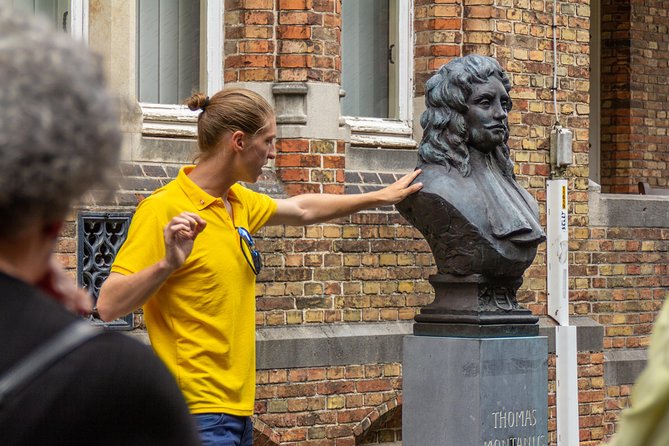
The Belfort stop is your first big anchor. It is the icon of Bruges and a key symbol of how the city held power in the Middle Ages, so you are not just looking at a pretty tower.
Even with a short stop, this is a smart start because it gives you a framework. Once you understand why the Belfort mattered, the rest of the city’s squares and civic spaces make more sense.
Admission at this stop is listed as free, so you can focus on the guide’s explanation rather than planning tickets. In plain terms, this is where the tour begins teaching you how to read Bruges.
Still got an afternoon? Try these:
The Markt: where trading life shaped the city
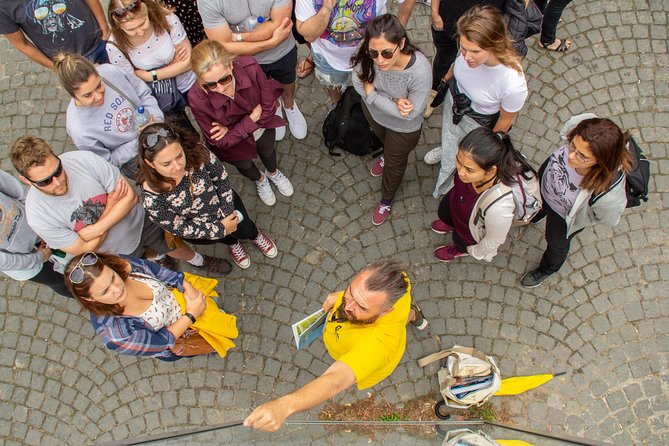
From the Belfort, you head into the Markt, the medieval trading heart of Bruges. This is the kind of place where you can feel the city’s busy past just by imagining merchants, negotiations, and arrivals.
A quick stop here still works because your guide frames the space. You learn what to notice, like how markets shaped civic life and why the city’s center became such a strong gathering point.
Admission is listed as free for the stop, and that’s a plus if you want a low-friction start. You are learning without extra payment pauses.
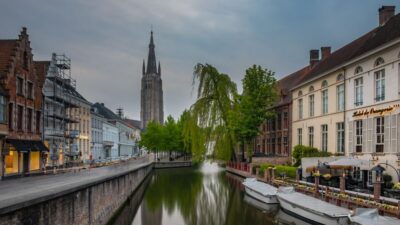
Rozenhoedkaai: the view that made Bruges famous
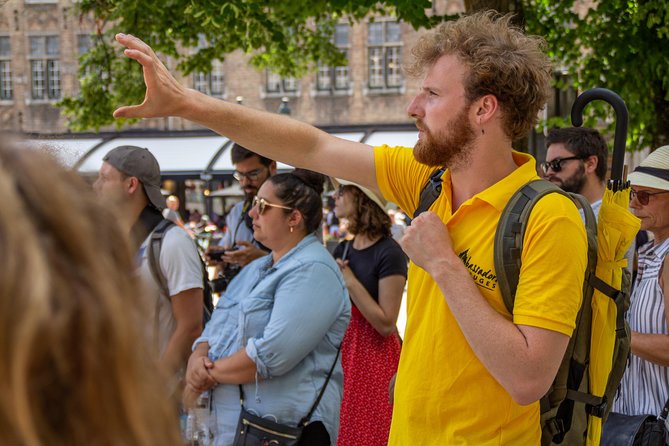
Next comes one of the most photographed scenes in Bruges. At Quai du Rosaire / Rozenhoedkaai, your guide points out the view people remember, and then explains why it became the postcard angle.
This is where the storytelling really pays off if you love photography or just love understanding what you see. You are not only taking a picture, you are learning how the setting, the canal edge, and the architecture combine into that instantly recognizable image.
The stop is brief, around 5 minutes, which keeps you moving. If the light is right, you will appreciate the quick timing, and if weather is iffy, you still get the key viewpoint without losing the whole walk.
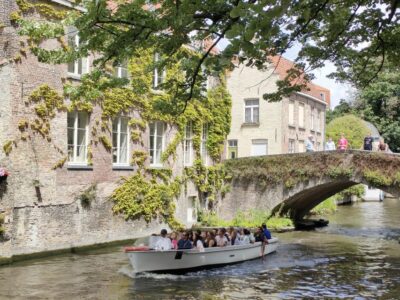
Bonifaciusbrug: the tiny romantic bridge with an untold history
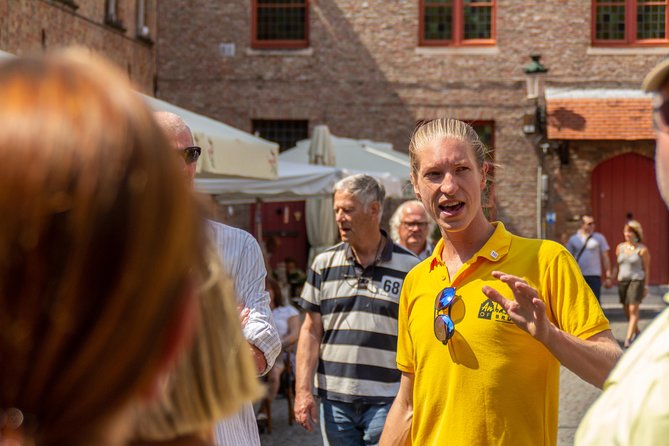
Then you reach Bonifaciusbrug, one of the smallest and most romantic bridges in the city. The tour promise here is not just the scenery, it is the unknown history behind it.
A short stop of about 10 minutes is enough to make you see the bridge differently. You will likely slow down for photos because you understand the human story attached to it.
Admission is listed as free for this stop, so you are paying for the explanation, not a ticket. And that matters because the bridge is small, meaning context is what makes it memorable.
Oud Sint-Jan: one of the oldest hospitals in the world
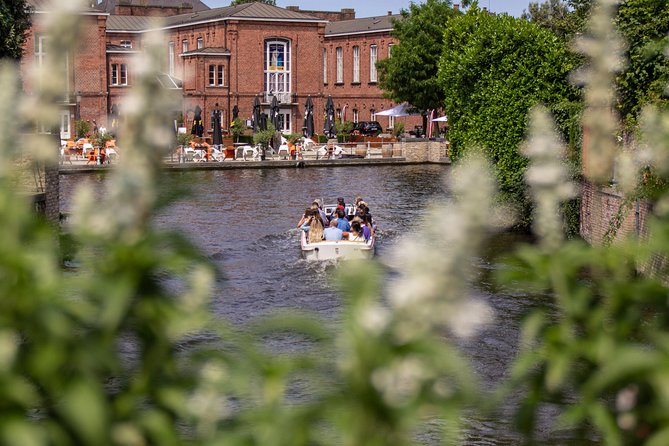
At Site Oud Sint-Jan, the tour shifts from postcard Bruges to a place with real social weight. This site is described as one of the oldest hospitals in the world, and the tour focuses on what that means in the city’s long timeline.
This stop is typically around 10 minutes, and it can include details like herb gardens based on guide focus. Even if you only get a brief look, you walk away with an understanding of how civic institutions worked and how care was tied to the city.
Admission is listed as free at this stop too. That is a nice value add because you get a meaningful stop without extra planning or costs that might otherwise turn a walk into a ticket marathon.
Burg Square: where politics lived for over a thousand years
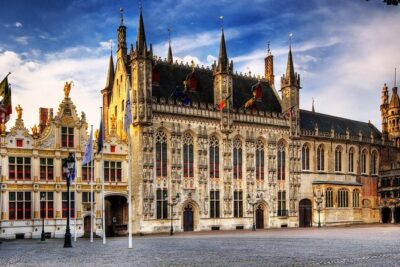
Next is Burg Square, the political heart of Bruges. This is where the city’s civic power is on display, with architecture that makes you feel how long the city has been making decisions in the same space.
This stop is about 10 minutes, but it is one of the most important stops for orientation. If you want to understand why Bruges feels like a living museum, Burg Square is part of the answer.
Admission is listed as free here as well. So your money goes to the story and the interpretation, not entry fees.
Small detours that can improve your food plans
This tour also includes a couple of quick pointers that help you shop and snack like a local.
As you pass by the Bruges Beer Experience, your guide briefly points out different parts to visit and explains why it is worth doing. Even if you skip it, the tour gives you a mental map of what you might want to explore later.
There is also a short praline stop focused on Olivier. The guide shares the story of how the pralines are made by Olivier’s dad and brother. It is a quick moment, but it is exactly the kind of personal angle that makes Bruges sweets feel less touristy and more like family tradition.
Huidenvettersplein: from worst square to nicer days
The walk ends with Huidenvettersplein, a small square with an interesting identity shift. It was once described as the worst square, and now it is a much nicer place to linger.
This is a great last stop because it shows Bruges is not frozen in time. Cities change, neighborhoods evolve, and even small squares tell that story if you know what to listen for.
The stop is short, around 5 minutes, which helps you finish while you still have energy for your next move. It is the right kind of ending for a first-day tour.
The guides: what makes the storytelling style work
The biggest praise thread across the guides is clear: performance and clarity. Guides such as Pascal, Nick, Thijs, Arthur, Alistair, Alasdair, and Gosha are repeatedly described as energetic, funny, and able to make details stick without turning the walk into a lecture.
You can expect the information to come with story beats, not just dates. That matters in Bruges because the sights can blur together if you only look at architecture without context.
If you are traveling with teens or a mix of ages, this is also a good choice. The tour style is designed to hold attention while still being accurate enough to feel worth your time.
Getting your bearings for day one (and using the tips immediately)
This is marketed as a first day must, and the logic holds up. Once you know the major squares, canals, and bridges, the whole city becomes easier to navigate on your own.
You also get tips and recommendations for Bruges, plus discounts at local businesses. Even if you only use one or two of those suggestions, the tour has effectively paid you back through smarter choices.
If you like to walk in Bruges on your own later, this tour sets your internal map. You will recognize where you are standing and why it matters, instead of wondering where the best photo spot is and which square is the civic center.
Weather, comfort, and who should book this
The tour requires good weather. If conditions are poor, you will be offered a different date or a full refund, so you are not stuck pushing through miserable conditions.
It is designed for most travelers, and service animals are allowed. Still, the cobblestones and the small bridge with steps mean you should pack sensible shoes and take your time, especially if it has rained.
This is a strong fit if you are:
- First time in Bruges and want a fast orientation
- Interested in how the city worked, not just what it looks like
- Traveling with a partner, family, or a small group who wants a guided start without feeling rushed
Should you book this Bruges storytelling tour?
I think you should book it if you want your first hours in Bruges to feel organized and meaningful. The route hits key civic spaces, the classic canal view, and the less obvious backstory around a few places, all within a reasonable 2 to 3 hours.
It is also a good value bet because the base fee is low and the experience comes with tips and local recommendations. Just plan your tip budget in advance, and bring footwear that can handle cobblestones.
If you prefer tours that stay quiet and strictly factual, this might feel a bit more theatrical than your style. If you like humor and human stories layered on top of real landmarks, you will likely love it.
FAQ
How long is the storytelling tour of Bruges?
It runs about 2 to 3 hours, with short stops at each main location.
Where do I meet the guide?
You meet at the Markt, Bruges, near the Belfry Tower area.
Is the tour offered in English?
Yes, it is offered in English.
What is included in the tour price?
You get an English speaking local professional storyteller, tips and recommendations for Bruges, and discounts at local businesses. You also receive a mobile ticket, and the price includes the online booking fee for handling the reservation process.
Do we need tickets or pay admission at the stops?
For the listed stops, admission tickets are indicated as free.
How much should I tip?
Tips are pay-what-you-want at the end, and many people choose around €10 to $50 per person.
What does the tour cover?
It includes stops at Belfort, the Markt, Quai du Rosaire / Rozenhoedkaai, Bonifaciusbrug, Site Oud Sint-Jan, Burg Square, and Huidenvettersplein. There are also brief pointers related to the Bruges Beer Experience and Olivier pralines.
How big are the groups?
There is a maximum of 6 people per booking to keep the group balanced, and a maximum of 24 travelers overall.
What if the weather is bad?
This experience requires good weather. If it is canceled due to poor weather, you are offered another date or a full refund.
Can I get a refund if my plans change?
Yes. Free cancellation is allowed up to 24 hours in advance for a full refund.
Latest from Bruges
Historical Tours, compared.
Historical Tour with Chocolate & Waffle Tasting
Read our review →
Historical Walking Tour with Chocolate & Waffle Tasting
Read our review →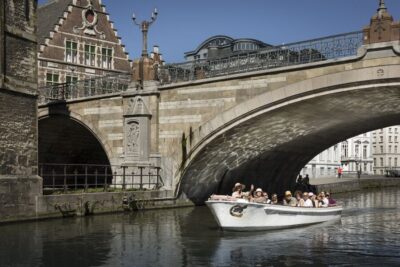
Private Historical Tour: The Highlights of Bruges
Read our review →Browse the lists this tour appears in