
Reviewed · HISTORICAL TOURS
Brussels: BELvue Belgium History Museum Entry Ticket
Belgium fits in seven rooms. BELvue Museum turns big ideas like democracy and Europe into a visit you can handle yourself, using a free mobile audio guide and themed spaces built for wandering. I like how it feels practical, not stuffy, even when the topics are political.
I also appreciate the museum’s talent for mixing serious themes with objects you can actually picture at home. You might spot things like coffee filters, an electric fryer, or Val Saint-Lambert crystal vases, plus a football signed by the Red Devils.
One possible drawback: it can feel like a lot to take in. With videos, posters, charts, news clips, and more than 200 items in the gallery, you may need to move with intention, or you will end up staring at everything and landing on nothing.
In This Review
- Key things to know before you go
- BELvue Museum by the Royal Palace, and why it works as a solo visit
- Seven themes, seven rooms, how to pace the story
- Using the free audio guide on your phone (and why it’s better than reading everything)
- The gallery of everyday Belgium, and how to spot meaning in objects
- Videos, testimonies, and the social side of language and security
- The football moment, and why it belongs in a history museum
- Price and value: what $11 gets you in Brussels terms
- Who should book BELvue, and who may want a different kind of museum
- Before you go: practical tips for a smooth visit
- Should you book the BELvue entry ticket?
- FAQ
- Where is the entrance for BELvue Museum?
- How much time should I plan for this experience?
- Does the ticket include an audio guide?
- Is there a live guide included?
- Is BELvue wheelchair accessible?
- Are pets allowed in the museum?
- How much does it cost?
Key things to know before you go
- Seven themed rooms map Belgium’s story through democracy, prosperity, solidarity, pluralism, migration, language, and Europe
- Free audio guide on your phone helps you control the pace without waiting for a group
- Over 200 gallery objects connect national life to everyday “material memory”
- Short videos and contemporary testimonies add human scale to policy topics
- A football signed by the Red Devils gives sports fans a quick, fun win
More History Tours in Brussels
- Brussels: Historical Tour with Chocolate & Waffle Tasting
★ 4.8 · 1,206 reviews - Brussels: Historical Walking Tour with Chocolate & Waffle Tasting
★ 5.0 · 1,165 reviews - Historical Walking Tour: The Story of Brussels – by Legends
★ 5.0 · 164 reviews - Brussels: Museum Art & History Entry Ticket
★ 4.5 · 58 reviews - Brussels on Foot: Historic Center with a Local Guide in 2 hours
★ 4.3 · 36 reviews
BELvue Museum by the Royal Palace, and why it works as a solo visit
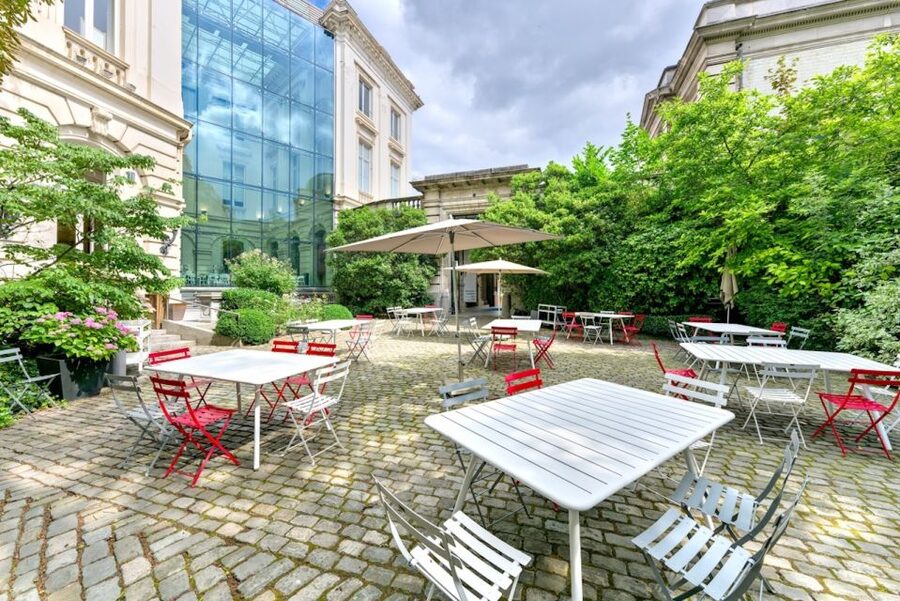
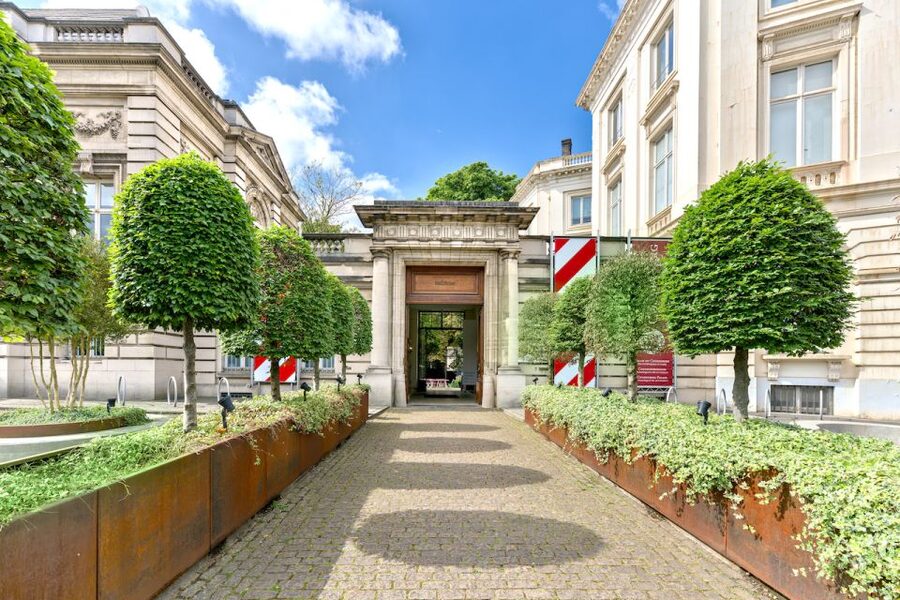
BELvue Museum is one of those places that makes self-guided travel feel easy. The entrance is next to the Royal Palace, so you can pair it naturally with an early walk around the palace area and then step inside without overthinking logistics.
What I like most is the museum’s tone. It does not treat history as a distant textbook. It uses contemporary society as the lens, so you are not only learning what Belgium used to be, you are seeing how debates and policies shape real daily life. The “you are here now” vibe comes through in the mix of exhibits: news clips, posters, charts or graphs, and spoken testimonies.
You can go alone, as a couple, or with children. Since there is no requirement for a live guide, you can stop where something grabs your attention and skip what does not. That flexibility is a big deal in Brussels, where time disappears fast.
Seven themes, seven rooms, how to pace the story
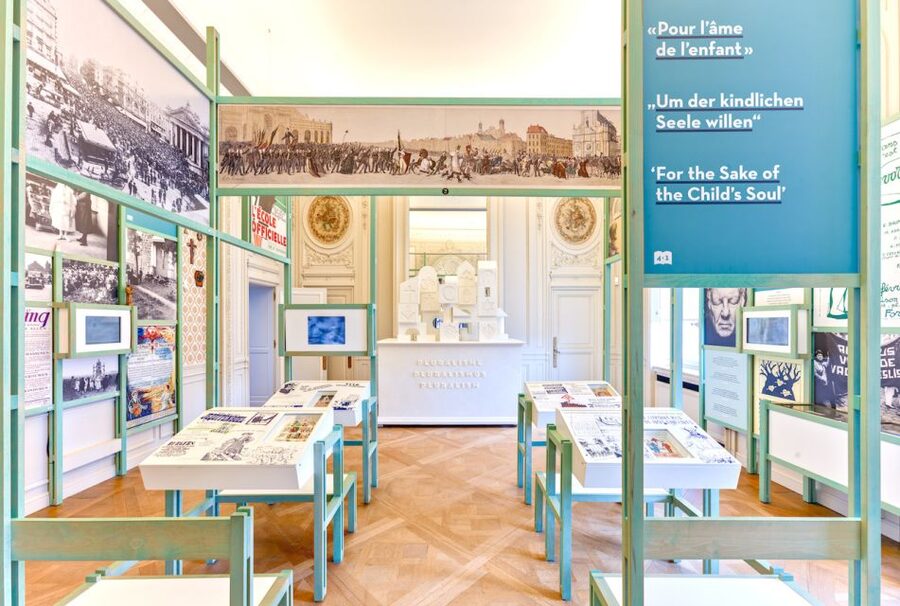
BELvue organizes the visit through seven themes in seven rooms: democracy, prosperity, solidarity, pluralism, migration, language, and Europe. Think of these as chapters, not as a strict test you must finish. The museum gives you plenty to read and watch, but you control how deep you go.
Here’s a practical way to pace it so you do not end up mentally overloaded:
- Start with the room that feels most personal to you. If you care about civic life, begin with democracy and keep that mindset as you move forward. If your interest is more social, aim for solidarity and pluralism early.
- After one or two rooms, take a breather and then return with fresh eyes. The museum throws lots of evidence at you, which is great, but your brain needs short breaks to process it.
- Plan to spend extra time in the language and migration parts. These tend to connect the abstract to lived experience through media and testimony, so they reward slower attention.
Why this structure matters: it keeps Belgium’s story from becoming a straight timeline where you “collect dates.” Instead, you see how themes repeat and evolve. One room can help you understand the next, especially when it comes to language and social organization.
Using the free audio guide on your phone (and why it’s better than reading everything)
The ticket includes a free downloadable audio guide for four languages? Actually, the info provided lists Dutch, English, French, German, and Italian, so you should be able to pick one that fits you. The biggest advantage is that you can listen instead of trying to read every panel while also looking at objects.
Practically, this helps with two common museum problems:
- You do not have to guess what is important. The audio steers you toward the key ideas.
- You can match the pace to your attention span. If a chart is too dense, you can move on and let the audio give you the meaning.
I like that this setup supports different travel styles. If you enjoy learning slowly, you can loop back to parts you skimmed. If you prefer a “good enough, move on” approach, the audio keeps you from getting lost.
One consideration: because it is self-guided, you need to decide how much time you want per room. If you go in with no plan, you might drift and lose time. A simple strategy works well: pick one theme to focus on, then treat the other rooms as supportive context.
The gallery of everyday Belgium, and how to spot meaning in objects
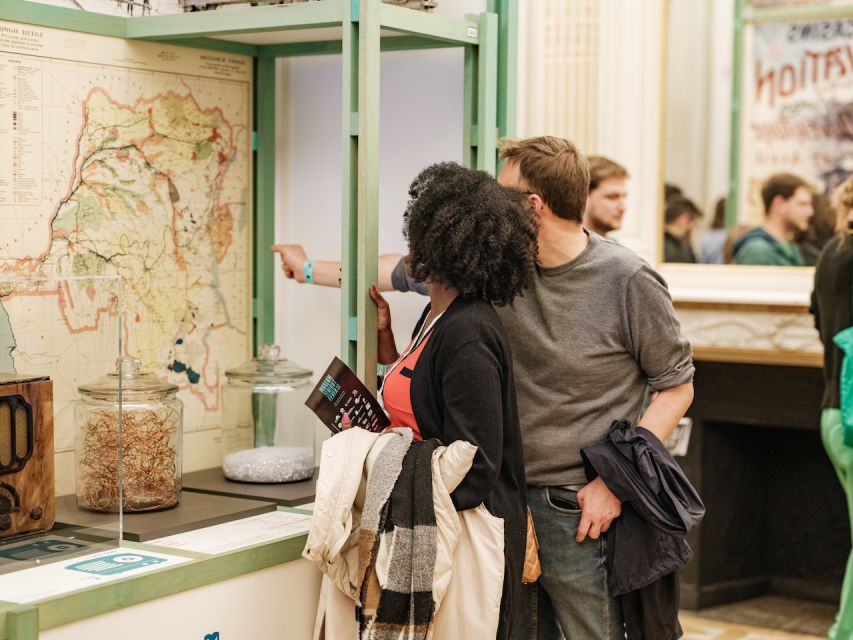
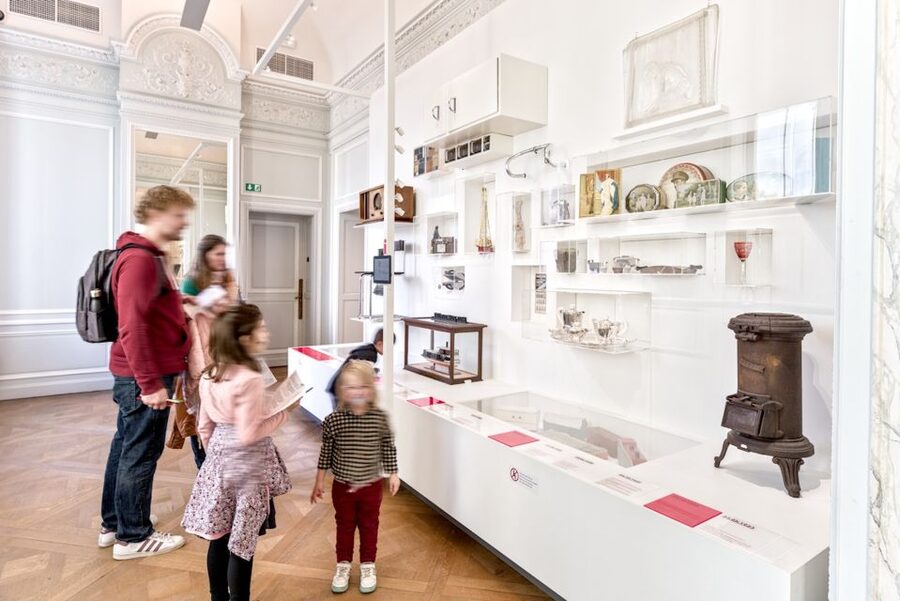
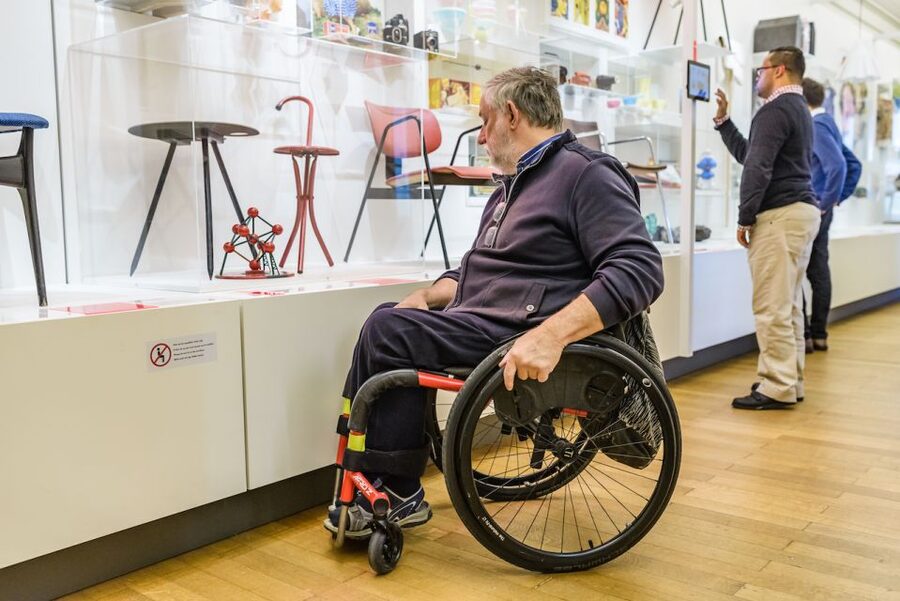
One of the strongest reasons to book BELvue is the gallery with over 200 objects. This is where the museum earns its charm. It is not only photos and documents. It highlights Belgium’s “material memory,” the physical artifacts that tell you what people used, valued, and built.
The object types mentioned in the exhibit description are exactly what make this section click. You might see everyday items like coffee-related pieces or household tools, and then jump to cultural and industrial markers like crystal vases from Val Saint-Lambert. That contrast is the point. It shows how identity forms through both daily routines and famous products.
How to get the most out of the gallery:
- Look for pairs, not singles. For example, find one object that represents everyday life and one that represents industry or luxury, then connect them to the themes you just heard in the rooms.
- Do not try to read everything in one pass. With 200+ items, you will do better by choosing a few to examine closely and using the audio guide to fill the gaps.
If you are the type who likes museums that feel tactile, this section is likely to land well. It gives you something concrete to anchor the more abstract topics.
More Museum Visits in Brussels

Videos, testimonies, and the social side of language and security
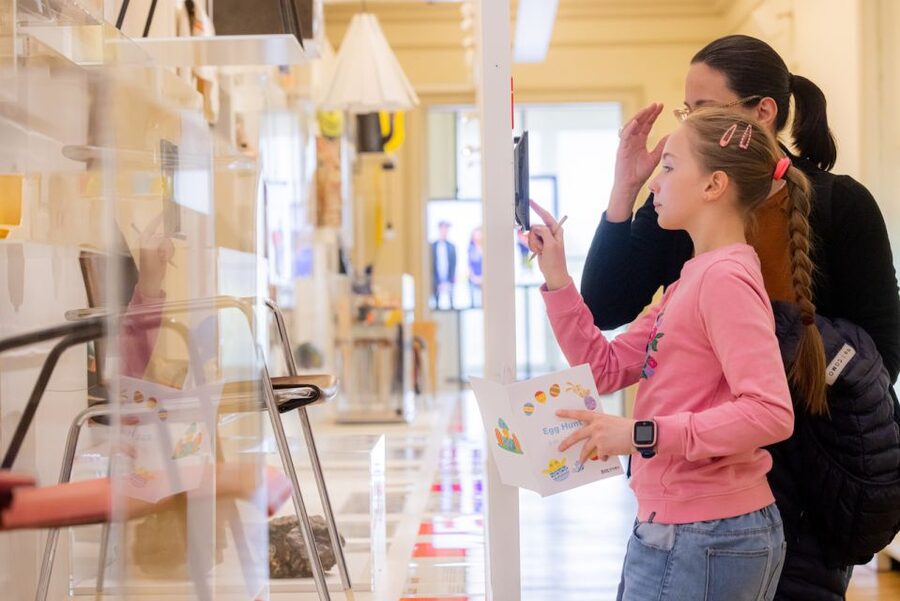
Belgium’s complexity often gets simplified in casual conversation, so I appreciate that BELvue builds in media elements. The museum uses videos and contemporary testimonies, plus visuals like posters and charts. It aims to connect spoken languages and social security to the country’s lived reality.
You should expect to see content that links language to more than grammar. In Belgium, language can influence access, institutions, and everyday relationships. The museum also points you toward how social programs and security systems fit into the broader national picture.
A helpful tip if you are not a “watch every video” person: pick one video and commit to it. Let it set the tone for the surrounding exhibits. Then use the audio guide to keep moving. This way, you still get the human context without burning your whole day on screens.
The football moment, and why it belongs in a history museum
I love when a museum includes a detail you can feel in your gut. BELvue includes a ball signed by the Red Devils. That might sound like a small thing, but it does something important: it lowers the temperature.
Sports connects to national identity quickly. It also makes the exhibits less intimidating if you are visiting with kids or if you prefer learning through familiar hooks. You get to transition from serious themes to something light without it feeling like a random add-on.
Price and value: what $11 gets you in Brussels terms
At about $11 per person, the value is strong, especially because the ticket includes more than entry.
You get:
- BELvue Museum entry ticket
- a visitor information booklet
- a free downloadable audio guide (multiple languages)
No live guide is included, which keeps the price lean. For independent travelers, that is a plus. You are not paying for someone to lead you through at a pace that may not match yours. You can spend as long as you want, return to a room if you missed something, and leave when your brain says enough.
If you are on a tight Brussels budget, this is a smart way to buy cultural time. You do not need extra tickets for guided extras, and the audio guide turns your visit into a structured learning experience without added cost.
Who should book BELvue, and who may want a different kind of museum
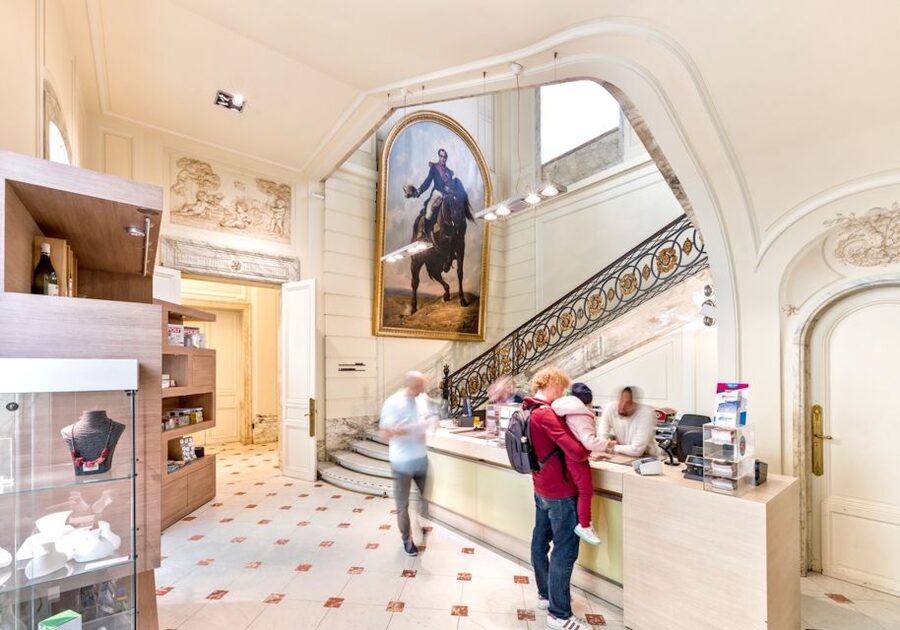
BELvue fits best if you like museums that explain ideas through objects and media. It is also a good match if you enjoy learning at your own pace, since there is no guide included and the audio guide does the heavy lifting.
You will likely enjoy it if:
- you want to understand Belgium through everyday life, not only dates
- you like a mix of reading, visuals, and listening
- you are traveling solo, as a couple, or with children who can handle short media segments
It may feel less ideal if:
- you dislike information-dense museums
- you prefer a quiet, slow “one exhibit at a time” approach
- you only want a light overview and would rather not encounter videos, charts, and a large object gallery
Based on the kinds of feedback tied to the experience, the museum can run long if you try to take in everything at once. The fix is simple: choose priorities and let the audio guide point you to what matters most.
Before you go: practical tips for a smooth visit
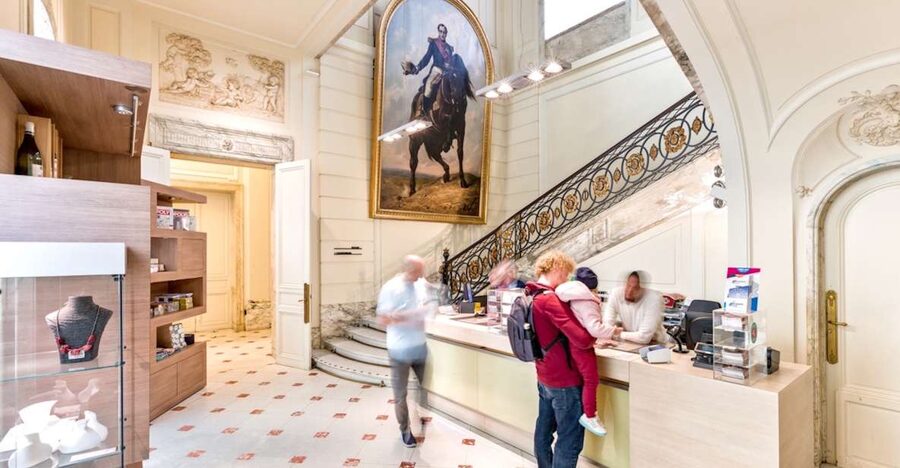
Meeting point: the entrance is next to the Royal Palace. That makes it easy to connect with a broader day in central Brussels.
Audio setup: since the audio guide is on your phone, bring your headphones and make sure your phone has enough battery before you go in.
Pets: pets are not allowed, but assistance dogs are allowed.
Wheelchair access: the museum is wheelchair accessible. If you will visit with a wheelchair, let the museum know in advance so they can prepare properly. That small step can save you stress once you arrive.
Should you book the BELvue entry ticket?
If you want an independent Brussels museum visit that mixes politics with objects and media, I think you should book. The included audio guide, the seven themed rooms, and the large object gallery are exactly the kind of combination that makes a ticket feel worth it, even if you only have one day.
Book it with confidence if Belgium language, society, and identity interest you. If you know you get overwhelmed by lots of displays, plan to skim with intention: pick one or two themes, watch one video, then spend your time in the object gallery where meaning becomes easier to grasp.
FAQ
Where is the entrance for BELvue Museum?
The entrance is next to the Royal Palace in Brussels.
How much time should I plan for this experience?
The experience is valid for 1 day. The visit duration is listed as 1 day, so you can plan to spend a full museum outing at your own pace.
Does the ticket include an audio guide?
Yes. The BELvue Museum entry ticket includes a free downloadable audio guide in Dutch, English, French, German, and Italian.
Is there a live guide included?
No. A guide is not included, so you will rely on the audio guide and the visitor information booklet.
Is BELvue wheelchair accessible?
Yes, it is wheelchair accessible. If you are visiting with a wheelchair, you should let the museum know in advance so they can make the right preparations.
Are pets allowed in the museum?
Pets are not allowed. Assistance dogs are allowed.
How much does it cost?
The price is listed as about $11 per person.
Latest from Brussels




Historical Tours, compared.

Historical Tour with Chocolate & Waffle Tasting
Read our review →
Historical Walking Tour with Chocolate & Waffle Tasting
Read our review →
THE Storytelling Tour of Bruges | First Day Must | History & Tips
Read our review →
Browse the lists this tour appears in