
Reviewed · WALKING TOURS
Walking Tour with Degustation in the Heart of Brussels
Brussels is better when you eat as you walk. This 3-hour route strings together the Grand-Place, the Royal Galleries, and a Gothic cathedral finale, while your guide connects the streets to Belgian flavors and traditional drinks. I like how the tour doesn’t treat food as an afterthought, it uses the city as the menu.
Two things I’d put at the top: the chance to hear the history behind classic dishes like moules frites and carbonnade de la Flamand, and the guided stops in the center that help you notice details you would normally miss. One consideration, it is not suitable for wheelchair users, so the route is for people who can handle walking most of the way on their own.
In This Review
- Key Points You Should Know Before You Go
- A 3-Hour Brussels Walk That Combines Sights and Belgian Food Culture
- Finding the Guide at Rue du Marché aux Herbes (Yellow Sign Moment)
- Saint-Hubert Royal Galleries: Architecture You Can Actually Walk Through
- Toone and the Streets Between Landmarks
- Grand-Place: The Square You Came For
- Rue de la Fourche: Snack Time That Keeps It Belgian
- Place de la Bourse and St Nicholas Church: A Different Side of the Center
- Pl. des Barricades 4: Small Stop, Big Story Potential
- Cathedral of St Michael and St Gudula: The Gothic Finale
- Beer, Chocolate, Fries, and the Real Meaning of Belgian Comfort Food
- Price and Value: Is $82 Worth a 3-Hour Walk?
- Who This Tour Suits Best
- Should You Book This Walking Tour?
- FAQ
- How long is the walking tour?
- Where does the tour start?
- What should I look for at the meeting point?
- What is included in the price?
- What languages are available?
- Is the tour wheelchair accessible?
- What should I bring?
- Is there free cancellation?
Key Points You Should Know Before You Go
- Grand-Place time built in so you see the square properly, not just from the curb
- Food history plus one tasting and a drink (so you get flavor and context, not just samples)
- Traditional Belgian drinks, including monastic Trappist beer as part of the story
- Iconic indoor architecture at Saint-Hubert Royal Galleries during the walk
- Gothic payoff at St Michael and St Gudula with a nod to Victor Hugo’s take on the style
- Comfort-first packing with comfortable shoes, water, and an umbrella recommended
More Guided Walks in Brussels
- Brussels: Guided Walking Tour
★ 4.6 · 3,560 reviews - Brussels: Historical Walking Tour with Chocolate & Waffle Tasting
★ 5.0 · 1,165 reviews - Brussels Walking and Tasting Tour (Beers,Chocolates&Fries/Waffle)
★ 5.0 · 929 reviews - Brussels Chocolate Walking Tour and Workshop
★ 4.5 · 885 reviews - Brussels: City Highlights Walking and Tasting Tour
★ 4.9 · 505 reviews
A 3-Hour Brussels Walk That Combines Sights and Belgian Food Culture
This is the kind of tour that makes Brussels feel like one place, not a list of disconnected postcards. You start in the heart of the city and keep moving through classic architecture, street-level culture, and storytelling moments that connect back to food and drink.
The schedule is short enough to fit easily into a busy day, but long enough for your guide to slow you down at the important corners. You are walking through big-name landmarks like the Grand-Place, yet you also get called out for smaller visual details along the route, including mural art that shows up in the city’s visual culture.
And yes, you do taste something. The tour includes one tasting of food and a drink, which matters because it keeps expectations realistic. You are not leaving full on Belgian comfort food, you are leaving with a better sense of what you ate, why it matters, and what to order next.
Finding the Guide at Rue du Marché aux Herbes (Yellow Sign Moment)
Your starting point is Rue du Marché aux Herbes, and you meet the guide at the statue of Karel Huls. The key practical tip is simple: look for the guide holding the yellow sign that reads Bruxeslles 15:15/My Super Tour.
That detail helps a lot in Brussels, where multiple walking tours can cluster in the same central area. If you are arriving by transit, give yourself a few extra minutes to orient, then you can enjoy the walk instead of rushing.
The tour runs with a live guide in English or Russian, so if you know your language preference, choose it up front and you will get more out of the explanations.
Saint-Hubert Royal Galleries: Architecture You Can Actually Walk Through
One of the best parts of this route is how you get inside Brussels instead of staying outdoors the whole time. You spend time at Saint-Hubert Royal Galleries, and it is a reminder that Brussels is not just street scenes, it has elegant indoor spaces too.
This stop works well because it is paced like a proper visit. You are given time to look, not just pass through. You also get a shift in rhythm, which is useful in a three-hour tour. When the guide points out features, you start noticing why this type of gallery became such an essential part of European city life.
One practical note: indoor spaces can still feel cool or drafty, so if you are sensitive to temperature changes, a light layer helps.
Toone and the Streets Between Landmarks
Next comes Toone, where you spend a short stretch getting your bearings and picking up city context from the guide. This is one of those stops that acts like a bridge, it helps connect the big monuments with everyday Brussels culture.
Even without stopping for long, it has value because it keeps the walk from becoming a straight line of famous names. Your guide uses these shorter stops to highlight local character, so by the time you reach the Grand-Place, you understand more than just what you are looking at.
Still got an afternoon? Try these:

Grand-Place: The Square You Came For
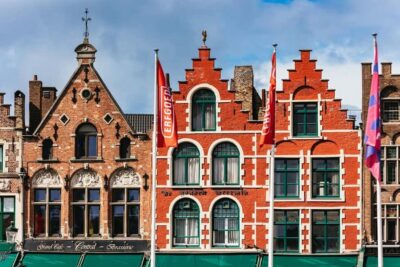
The heart of the tour is the Grand-Place, where you get about 40 minutes. This is not a quick photo break. You spend enough time to notice the details and to understand why the square is so highly regarded.
I like that the guide frames it in a way that connects to daily life and local identity. Yes, it is spectacular. More importantly, it is the kind of place that makes the rest of Brussels click. When you see the square at a relaxed pace, it becomes easier to imagine the city’s historical energy.
If you plan to visit on a busy day, expect more foot traffic near the square. Go with a slow mindset, and focus on the buildings and the atmosphere rather than trying to get the perfect empty-frame photo.
Rue de la Fourche: Snack Time That Keeps It Belgian
Then you head to Rue de la Fourche, a street associated with classic Belgian street food energy. You spend about 30 minutes here, and this is where the tour’s food focus becomes more literal.
You also get a tasting as part of the experience, and one review specifically highlighted the waffle tasting as a standout. That fits the broader theme, waffles and chocolate are central to how many people experience Belgium, and this tour treats them as more than sweet treats.
Because the tour includes only one tasting of food and a drink, think of this stop as a sample and a lesson. Use it as an appetizer to guide your later ordering choices. You will be in a better position to say yes to what you actually want, not just what looks good in a glance.
What to do with that knowledge: after your tasting, ask yourself what dish you want next, moules frites, waterzooi, carbonnade, or something sweeter like speculos. The guide’s stories help you make that call.
Place de la Bourse and St Nicholas Church: A Different Side of the Center
After the snack street, you move to Place de la Bourse for about 30 minutes. This is a change of pace, and it helps you see Brussels with more balance. You get out of the pure postcard zone and into a more everyday civic feel.
Then you take a shorter stop at Saint Nicholas Church. It is brief, but it adds variety. A church stop can work really well on a food-focused tour, because it reminds you Brussels is not only about what’s on plates. It also has deep roots in the buildings that shaped community life.
If you have even a mild interest in architecture, this section pays off. If churches and squares are not your thing, you can still enjoy it as scenic downtime between tastings and big storytelling moments.
Pl. des Barricades 4: Small Stop, Big Story Potential
You also visit Pl. des Barricades 4 for about 20 minutes. This is the kind of stop that often turns into one of the most memorable parts of a city walk, because you are away from the most obvious tourist flow.
Even if you cannot predict what you will see, keep your eyes open for whatever the guide points out. These mid-route moments tend to be where local history and culture get translated into something you can actually visualize while walking.
This is also where the tour leans into the idea of the belly of Brussels, the city’s less obvious layers. If you like learning how a place got the way it is, this section is a good match.
Cathedral of St Michael and St Gudula: The Gothic Finale
The walk ends at the Cathedral of St Michael and St Gudula, and you get about 30 minutes there. This is a strong ending choice, because it gives your legs a final scenic reward and your brain a final architectural one.
The cathedral is described as the purest example of the Gothic style by Victor Hugo. That kind of framing matters because it gives you something to look for. You can focus on the vertical lines, the sense of lift in the design, and the overall Gothic character instead of just staring at a big building.
If you want to keep the tour going after the walk, the cathedral area gives you a natural place to linger, grab a drink nearby, and reflect on what you learned.
Beer, Chocolate, Fries, and the Real Meaning of Belgian Comfort Food
What makes this tour more than just a sightseeing walk is how the guide connects the city to Belgian food traditions. You hear about Belgian specialties like chocolate, waffles, French fries, and beer.
More than that, you get explanations about dishes that represent the real range of Belgian comfort food and regional influences, including moules frites, cuberdon, speculos, pom cook, waterzooi, and carbonnade de la Flamand.
Then there is the drink angle. The tour specifically points you toward traditional drinks and monastic Trappist beer. That’s a great theme for a Brussels walk because it adds depth. Belgian beer is not just a local hobby, it is tied to traditions and brewing culture, and the guide uses that to connect what you see on the street to what people drink and celebrate.
Now, a quick reality check: the tour includes only one tasting of food and a drink. That means you should not expect to sample every dish listed in the stories. The value is learning what matters, so when you sit down later for dinner, you can order with confidence.
Price and Value: Is $82 Worth a 3-Hour Walk?
At $82 per person for about three hours, the real question is what you get for that money. You get a professional local guide, plus one food tasting and a drink. You also get a structured walk that covers major central landmarks without forcing you to plan the route yourself.
If you like city walking and you want a guided path that mixes architecture and food culture, this is a fair setup. The cost becomes easier to justify because you are paying for interpretation. A lot of people can walk through Brussels on their own. Fewer people will understand why the food traditions are worth caring about, and how the stories connect to the places you visit.
One reason this tour can feel like a good deal is the combination: Grand-Place time plus Royal Galleries, plus a cathedral finale, plus food-and-drink storytelling. You are getting “what to see” and “what it means” in the same block of time.
Who This Tour Suits Best
This is a great fit if you:
- want a food-focused introduction to Brussels that still treats architecture seriously
- like guided explanations instead of solo wandering
- prefer a short, structured walk that ends at a major landmark
It might not be ideal if you:
- dislike walking for several stops in a row, because comfortable shoes matter
- need wheelchair access, since the tour is not suitable for wheelchair users
You should also bring an umbrella and water. Brussels weather can switch fast, and a three-hour walk is long enough to feel it.
Should You Book This Walking Tour?
I think you should book if you want Brussels in one practical, guided package: major sights, Belgian food stories, and a real tasting plus a drink. The guide-led explanations around dishes like moules frites and carbonnade de la Flamand, and the focus on Trappist beer, make the tour feel purposeful, not random.
Skip it only if you already have a tight food plan and you do not want any tasting included, or if you cannot handle the walking demands.
If you do book, wear comfortable shoes, bring your umbrella, and arrive ready to learn one or two orders for later. When you leave, you will know what to seek out, and that is when a Brussels tour pays off.
FAQ
How long is the walking tour?
It lasts 3 hours.
Where does the tour start?
It starts at Rue du Marché aux Herbes, where you look for the guide at the statue of Karel Huls.
What should I look for at the meeting point?
Look for your guide with a yellow sign that says Bruxeslles 15:15/My Super Tour.
What is included in the price?
The tour includes one tasting of food and a drink, plus a professional local guide.
What languages are available?
The live guide is available in English and Russian.
Is the tour wheelchair accessible?
No, it is not suitable for wheelchair users.
What should I bring?
Bring comfortable shoes, an umbrella, and water.
Is there free cancellation?
Yes, you can cancel up to 24 hours in advance for a full refund.
Latest from Brussels



Walking Tours, compared.
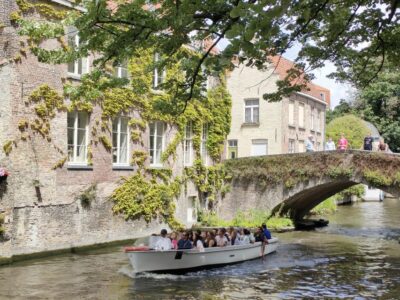
Small Group Boat Cruise and Guided Walking Tour
Read our review →
Historical Walking Tour with Chocolate & Waffle Tasting
Read our review →
Brussels Walking and Tasting Tour (Beers,Chocolates&Fries/Waffle)
Read our review →
Browse the lists this tour appears in