
Reviewed · WALKING TOURS
Walking Tour The Highlights Of Brussels – The Capital Of United States Of Europe
Brussels packs Europe into one walk, and it moves fast. I love the mix of Belgian everyday legends and big EU institutions, with stops built around Manneken Pis energy and the European Parliament’s role in lawmaking. You also get a clear feel for how Flemish and Walloon worlds meet in the same streets, plus the religious and civic landmarks that explain why this city looks the way it does.
The one thing to watch is cost creep. Several standout sights on the route, like Atomium and Mini-Europe, are not included and require separate entrance fees, so your final price depends on how many add-ons you want.
In This Review
- Key Points You Should Know Before You Walk
- Brussels in One 6-and-a-Half-Hour Walk
- Price and Value for a Private Group Up to 6
- Where the Tour Starts and Why That Matters
- Parc du Cinquantenaire: Belgian Independence in Monument Form
- The Royal Palace: Where Administration Meets Drama
- The European Parliament Hemicycle: Free Access With a Big Catch
- St. Michael and St. Gudula Cathedral: Faith and Royal Identity
- Grand Place: Brussels’ Main Square and the Flower Carpet
- Brussels City Museum and Hotel de Ville: Bread House vs City Rights
- Manneken Pis and Jeanneke Pis: The Funny Side of Belgian History
- Atomium: The 1956 Iron Crystal You Should Plan For
- Mini-Europe: 350-Plus City Models at a Scale of 1:25
- Optional Waterloo: Napoleon’s Last Defeat, About 20 km Away
- What You’ll Feel by the End of the Walk
- Who This Tour Suits Best (and Who Might Skip It)
- Should You Book This Brussels Highlights Tour?
- FAQ
- How long is the Brussels walking tour?
- Is this tour private, and how large is the group?
- What is included in the price?
- Which entrances are not included?
- Can I visit the European Parliament during any day?
- Is Waterloo included in the tour?
Key Points You Should Know Before You Walk
- Private group, up to 6 people means you move as a real unit, not a crowd.
- 6 hours 30 minutes is long enough to feel you saw the city, but not so long that you hate your shoes.
- Many major stops are free to enter, but a few high-profile attractions cost extra.
- European Parliament access is free but limited because it is closed on weekends and holidays.
- Mobile ticket keeps things simple on the day.
- Optional Waterloo can stretch the day if you want Napoleon’s final battle site.
More Guided Walks in Brussels
- Brussels: Guided Walking Tour
★ 4.6 · 3,560 reviews - Brussels: Historical Walking Tour with Chocolate & Waffle Tasting
★ 5.0 · 1,165 reviews - Brussels Walking and Tasting Tour (Beers,Chocolates&Fries/Waffle)
★ 5.0 · 929 reviews - Brussels Chocolate Walking Tour and Workshop
★ 4.5 · 885 reviews - Brussels: City Highlights Walking and Tasting Tour
★ 4.9 · 505 reviews
Brussels in One 6-and-a-Half-Hour Walk
This is the kind of Brussels tour that helps you get your bearings quickly. The route is built to show you both the “Belgium you can taste and giggle at” side, and the “Brussels runs decisions for Europe” side. You’ll bounce between grand public buildings, major churches, and the playful statues that make locals smile.
I like that the tour is structured around big symbols, not random photo stops. When you walk past a place like Parc du Cinquantenaire, then continue toward royal and EU institutions, the city starts to make sense. The same goes for stepping into civic power at the Grand Place area, then shifting to the tiny comic scale of Manneken Pis.
Also, this is a small, private experience. That matters in Brussels, where a route can turn into a traffic problem if you’re stuck behind a slow moving group.
Price and Value for a Private Group Up to 6
The price is $541.74 per group, for up to 6 people. If you fill the group, the per-person cost drops a lot, which is when this style of tour becomes strong value. If you’re going solo or as a couple, you might feel the price more, because you’re still paying for the whole group slot.
What helps justify the price is that your tour includes only the guide service, and many stops are free to access as you go. You’re paying for a guided, timed route through the city’s key identity points, not for a bundle of paid museum tickets.
One more reality check: some big attractions are not included, and you’ll choose whether to pay for them. The optional costs are manageable if you plan ahead, but they do affect your “all-in” budget. One online booking note to keep in mind: the experience is non-refundable and cannot be changed.
Where the Tour Starts and Why That Matters
You meet at Brussels-Centraal, at Carr de l’Europe, 1000 Bruxelles, Belgium. Ending back at the same place is convenient, especially if you plan dinner near the station or you want an easy rail connection after.
This start location also works well because Brussels-Centraal is a major hub. So if you’re juggling another museum visit later, or you just want the freedom to bail out early, it’s easier than meeting somewhere deep in the neighborhoods.
Expect the tour to run for about 6 hours 30 minutes, and plan on a lot of walking plus short stop times. That pacing is part of the “highlights” approach, so you’ll get the key sights, not a slow lingering tour.
Parc du Cinquantenaire: Belgian Independence in Monument Form
The walk begins at Parc du Cinquantenaire, a memorial place created for the 50th anniversary of Belgian independence. Even if you only spend a short stretch here, it gives you the political and national context you need for everything after.
This stop is valuable because it sets the tone. Brussels can feel like a city of symbols, and this is one of the clearest early ones. When you know this park is tied to independence, the rest of the day’s focus on monarchy, civic rights, and European governance starts to connect.
It’s also a low-pressure start. The admission is free, so you can focus on the architecture and the purpose of the place rather than thinking about ticket lines.
Still got an afternoon? Try these:

The Royal Palace: Where Administration Meets Drama
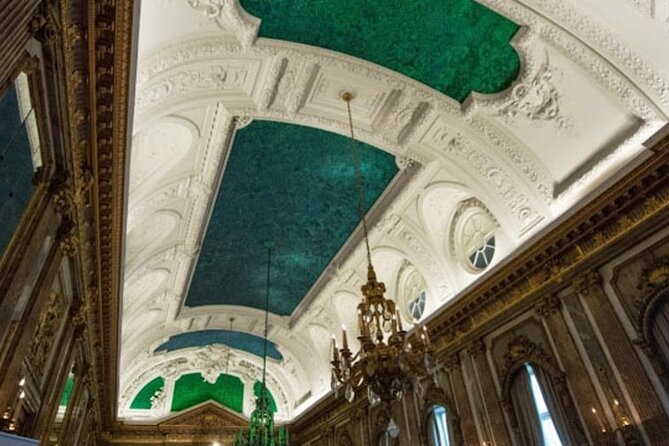
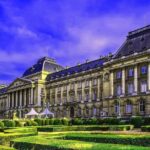
Next up is the Royal Palace (Palais Royal), described as the Belgian King’s administrative residence and main workplace. The key detail I would not skip is the visual theme inside, including rooms decorated with millions of emerald-colored bug wings.
This is one of those places where Belgium’s mix of seriousness and oddball artistry shows up. You’re not just looking at royal power, you’re seeing a specific design concept that sounds whimsical until you realize how much work it takes to maintain.
Practical note: the tour includes free admission, but access is tied to opening conditions. So if the palace is operating on limited public schedule, your experience may feel more like an exterior or partial-view visit. That’s normal, and it’s why being in a group with a guide helps you adjust your expectations in real time.
The European Parliament Hemicycle: Free Access With a Big Catch
The route then moves into the heart of European governance: the European Parliament Hemicycle. The good news is that visitors are welcome for free self-guided visits.
The important catch is timing. The European Parliament is closed on weekends and holidays. So if you’re booking for a day off, check your calendar before you count on stepping inside.
What I like about including the hemicycle is that it reframes Brussels. This isn’t just a pretty capital. It’s a place where the architecture of power is literally designed to house decision-making. After seeing this, the civic buildings later in the day hit different, because you’re comparing monarchy and city rights with EU lawmaking.
St. Michael and St. Gudula Cathedral: Faith and Royal Identity
Your next stop is St. Michael and St. Gudula Cathedral (Cathedrale St-Michel et Ste-Gudule), one of Belgium’s most important religious buildings for Belgian Catholics and for the Belgian Royal family.
Even if you’re not a “cathedral person,” this stop works because it explains why the royal family and the Catholic tradition are intertwined in Belgium’s public image. The building is not just a church. It’s a stage where national identity shows up in stone and space.
The tour gives you free admission and about 20 minutes here. That’s enough time to orient yourself, look for standout details, and then move on without feeling like you’re missing everything.
Grand Place: Brussels’ Main Square and the Flower Carpet
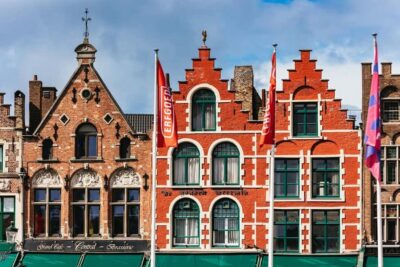
If you only remember one location from the day, make it Grand Place. This is Brussels’ main market square, built above the river line with the grand old town buildings surrounding it.
Here’s the unique detail that makes this stop worth more than a quick glance. Every second year in mid-August, there’s the world-famous Brussels Flower Carpet event. You don’t need to be there during that exact season to feel why people build up to it. The square’s scale and layout are designed for crowds and big visual moments.
Timing matters. The tour includes about 20 minutes here, which is a good amount to take photos, read the building vibe, and get a feel for how the space works.
Brussels City Museum and Hotel de Ville: Bread House vs City Rights
The next chunk of the walk shifts into civic power, and it’s one of the most instructive parts of the day.
You’ll visit Brussels City Museum, also known as the Bread House, in a building about 500 years old. The key concept is that it was built as a counterweight to the City Hall building. The idea was symbolic: one side represented powerful monarchy or regency, the other side represented citizens’ human freedoms.
Then comes Hotel de Ville de Bruxelles. This is the building erected by and belonged to the free citizens, merchants, and craftsmen of Brussels, and it’s described as a symbol of city rights. It’s said to have been central to political and administrative life for more than 600 years.
Both are not included in the ticket price. If you want to go inside, you’ll pay entrance fees on your own:
- Brussels City Museum: adults €8, seniors 65+ €6, up to 18 free
- Hotel de Ville de Bruxelles: adults €15 (and a €25 panoramic tour on Saturday only), seniors 65+ €6
I like this pair because it teaches you how to “read” Brussels. You start noticing which buildings shout authority, and which ones claim citizen power. With that lens, the rest of the walking tour becomes less like checklist sightseeing.
Manneken Pis and Jeanneke Pis: The Funny Side of Belgian History
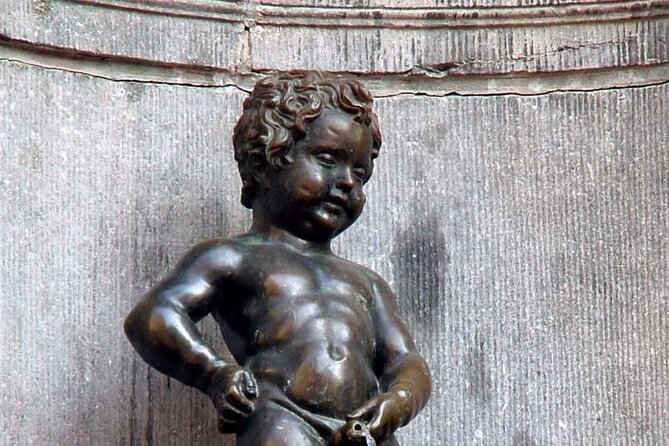
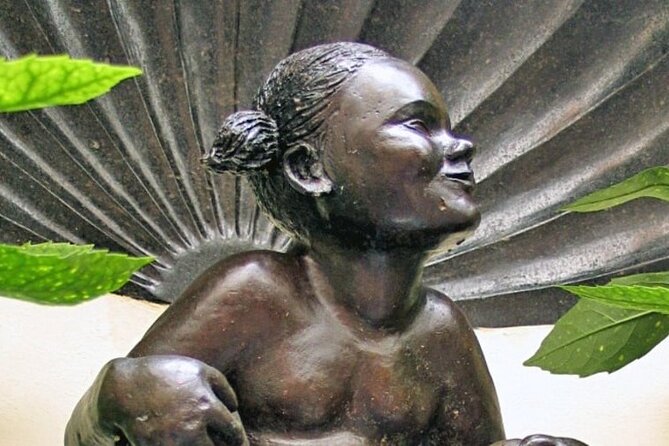
Then you get the plot twist. Manneken Pis is only about 60 cm tall, but it has huge cultural presence and plenty of funny stories linked to its history and role through the centuries. You’ll also meet Jeanneke Pis, described as the younger sister of Manneken Pis.
These stops are short, and they’re free, but they matter more than people expect. They’re Brussels’ way of keeping power grounded with humor. In a day that includes monarchs, parliaments, and cathedrals, it’s a relief to see the city’s lighter personality right in the streets.
My practical tip: don’t treat these as just a quick “gotcha statue.” Look at the small details around them, then think about the contrast. That contrast is what makes Brussels feel like Belgium instead of just a capital city.
Atomium: The 1956 Iron Crystal You Should Plan For
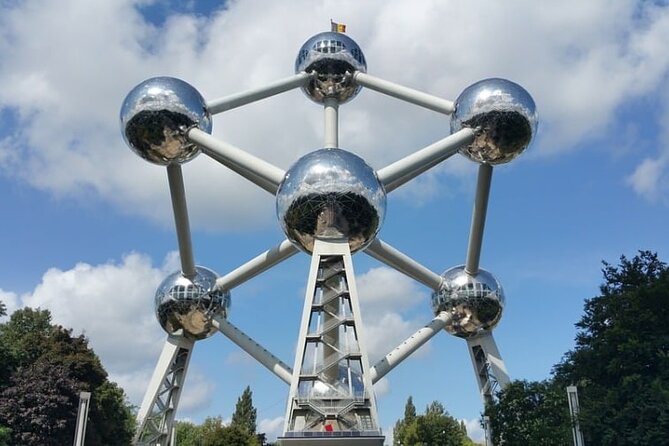
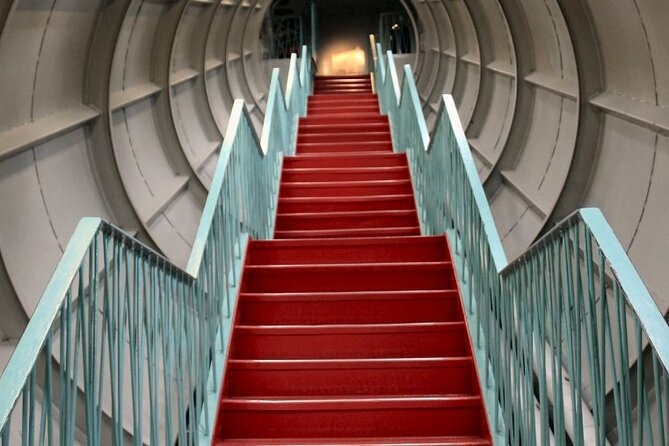
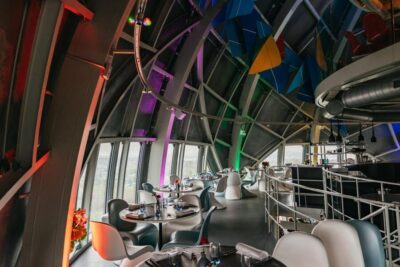
Now for a major landmark with a built-in sense of scale: the Atomium. It was constructed in 1956 in the shape of an iron crystal magnified 165 billion times. That design idea is why the Atomium is one of the most recognizable Brussels images.
Here’s the decision point for you. Atomium entrance is not included. Adults (18 to 64) pay €16, seniors 65+ €14, and children up to 17 €8.
Is it worth paying? In my view, yes if you enjoy iconic modern architecture and you want the “Brussels postcard” structure up close. But if you’re more focused on older city fabric and you’d rather spend your time elsewhere, you can treat Atomium as an optional stop. The tour gives you the chance to see it and decide.
Mini-Europe: 350-Plus City Models at a Scale of 1:25
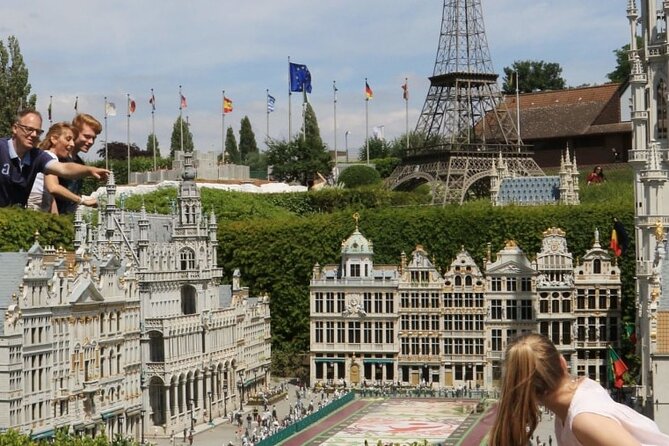
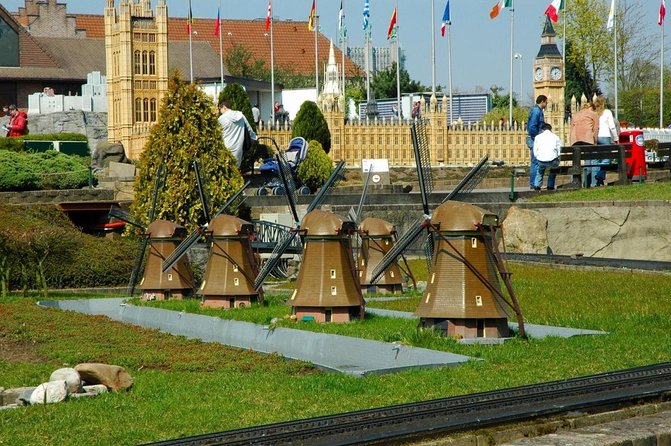
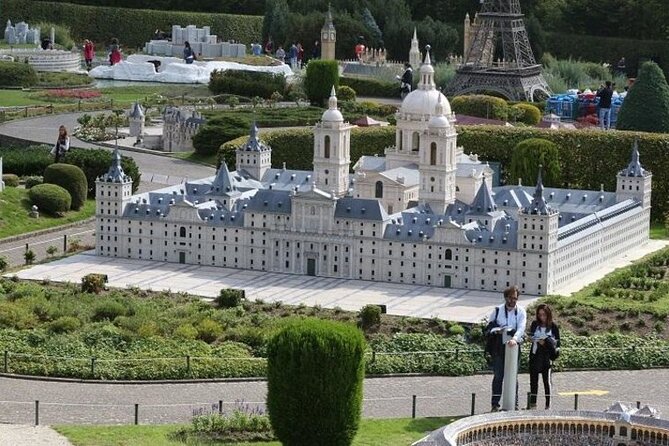
After Atomium, the route continues to Mini-Europe, where you can see more than 350 European city pearls and famous buildings models at a scale of 1:25.
This is another add-on choice because the entrance is not included. Adults and teenagers 12+ pay €17.
One practical warning from the provided info: Mini-Europe has an annual closure, meaning it can shut down for part of the year. If your trip falls near that window, check ahead so you do not show up expecting a full day of models.
Who tends to enjoy Mini-Europe most? People who like quick pattern recognition, architecture at a distance, and the idea of comparing many cities without booking day trips.
Optional Waterloo: Napoleon’s Last Defeat, About 20 km Away
The day also includes the chance to go to Waterloo, described as the battlefield of Napoleon’s last battle and final defeat, about 20 km (12.5 miles) from Brussels.
The key detail is that going to Waterloo from Brussels is optional and not considered a full core part of the tour. So you can treat it like a “if we have energy and time” add-on.
If you’re into Napoleonic history, this is a good way to satisfy that curiosity without trying to coordinate everything on your own in a single day. If you prefer to stay centered in Brussels, you can keep the day focused and avoid a longer transit swing.
What You’ll Feel by the End of the Walk
By the time you return to Brussels-Centraal, you should feel like you understand the two main Brussels engines running under the surface.
First engine: Belgium’s national pride and royal identity, from independence symbolism at Parc du Cinquantenaire to the Royal Palace and the cathedral’s Catholic and royal role.
Second engine: Europe’s political engine, shown through the European Parliament hemicycle and then softened by the city’s human scale at the Grand Place and the famous comic statues.
That combination is the real value of this tour. You’re not just collecting landmarks. You’re learning what kinds of power exist here and how the city keeps those powers from feeling abstract.
Who This Tour Suits Best (and Who Might Skip It)
This walking tour fits best if you want:
- A guided highlights route that saves you from building your own logic chain through Brussels
- A mix of royal, religious, civic, and European themes
- A tour format where many stops are free, and paid attractions are optional
It may be less ideal if you want deep time in museums or you want a slow, unhurried walk without ticket decisions. Also, if Atomium or Mini-Europe are must-dos for you, you’ll want to budget entrance fees in advance.
Good news: the tour notes that most people can participate, and service animals are allowed.
Should You Book This Brussels Highlights Tour?
I think this is a smart booking for first-timers who want a guided structure and a high satisfaction chance. The route mixes the obvious icons with the less obvious meaning behind them, which is what turns a highlights walk into something you can remember and use.
Book it if:
- You want Belgian identity plus European politics in one day.
- You like the idea of free access at several key stops and you are open to paying for just the add-ons you care about.
Consider skipping or choosing something else if:
- You hate making last-minute entrance fee decisions.
- Your travel dates fall on a weekend or holiday, when European Parliament visits are closed.
One last note: the experience has a 5/5 rating based on one review. That’s not a huge dataset, but it supports the idea that the operation and guide service are working well.
If you want, tell me your travel month and whether you care more about Atomium, Mini-Europe, or Waterloo. I can help you plan which paid stops are worth your time on the day.
FAQ
How long is the Brussels walking tour?
It runs for about 6 hours 30 minutes.
Is this tour private, and how large is the group?
Yes. It is private, and your group is the only group participating. It is priced for up to 6 people.
What is included in the price?
The tour includes tour guide services and you receive a mobile ticket. Entrance tickets for some attractions are free, but not all are included.
Which entrances are not included?
Not included are the Brussels City Museum, Hotel de Ville de Bruxelles (Town Hall), Atomium, and Mini-Europe. Fees are listed in euros in the tour details.
Can I visit the European Parliament during any day?
The hemicycle visit is free and self-guided, but the European Parliament is closed on weekends and holidays, so plan for that.
Is Waterloo included in the tour?
Going to Waterloo is optional and is not described as part of the core tour.
Latest from Brussels



Walking Tours, compared.
Small Group Boat Cruise and Guided Walking Tour
Read our review →
Historical Walking Tour with Chocolate & Waffle Tasting
Read our review →
Brussels Walking and Tasting Tour (Beers,Chocolates&Fries/Waffle)
Read our review →
Browse the lists this tour appears in