
Reviewed · HISTORICAL TOURS
Private Historical Tour: The Highlights of Bruges
Bruges is better when someone orders the chaos. This private historical highlights walk gives you a tight route through the city’s most important squares and buildings, with an English-speaking guide turning stones, towers, and trade stories into something you can actually picture. You also get a smooth hotel pickup and drop-off, so you start sightseeing fast and stop worrying about logistics.
I like two things a lot. First, you get true personalization because it’s only your group, which makes it easier to ask questions and move at a comfortable pace. Second, the guide’s local context helps you know what to look for next, from where to eat to which museums are worth your limited time.
One possible drawback: it’s a short walk, so if you want to actually enter every ticketed stop, you may need to buy extra admissions on-site. Also, in at least one situation people said the tour ended earlier than expected, which meant two planned locations were missed, so it’s smart to confirm your start time and keep an eye on the schedule.
In This Review
- Key highlights that make this tour worth your time
- Why a private Highlights Tour fits Bruges so well
- Entering the Markt, where Bruges became a trading powerhouse
- Belfort and the bell tower story, civic pride in brick form
- Gruuthuse: a palace that shows what monopoly power looked like
- St John’s Hospital and Ten Wijngaarde Beguinage: care and community
- Minnewater Lake, swans, and the Maximilian conflict angle
- Beer pipelines, the De Halve Maan stop, and how locals think about taste
- Onze-Lieve-Vrouwekerk and the Michelangelo statue context
- Groeningemuseum garden and Huidenvettersplein: art and tanner life
- Ending at Burg Square, the political heart of Bruges
- Tickets, timing, and how to avoid spending extra when you don’t want to
- Price and value: what you’re really paying for at about $99.81
- Who should book this Bruges private historical walk
- Should you book? My honest recommendation
- FAQ
- How long is the Private Historical Tour The Highlights of Bruges?
- Is this tour private?
- What language is the guide?
- What about hotel pickup and drop-off?
- Are admissions included for museums and churches?
- Where does the tour start and end?
Key highlights that make this tour worth your time
- Private, hotel-to-hotel setup: less time finding the guide, more time seeing Bruges.
- Belfry focus: you don’t just look at the tower, you learn why it mattered in medieval civic life.
- Trade and power stories: Markt, palace wealth, monopoly control, and city politics are tied together.
- Beguinage and Minnewater: community life and the swan-and-story angle land in one smooth route.
- Art meets everyday Bruges: Michelangelo’s statue context is paired with what locals see daily.
- Practical local tips: several guides share places to eat and drink, plus smart next steps after the walk.
More History Tours in Bruges
- Historical Walking Tour: Legends of Bruges
★ 5.0 · 2,541 reviews - THE Storytelling Tour of Bruges | First Day Must | History & Tips
★ 5.0 · 925 reviews - 2-Hour Historical Walking Tour in Bruges with Praline Included
★ 5.0 · 291 reviews - Best of Bruges: History, Chocolate & Beer Tour
★ 5.0 · 256 reviews - Bruges: Private Historical Highlights Walking Tour
★ 4.7 · 191 reviews
Why a private Highlights Tour fits Bruges so well
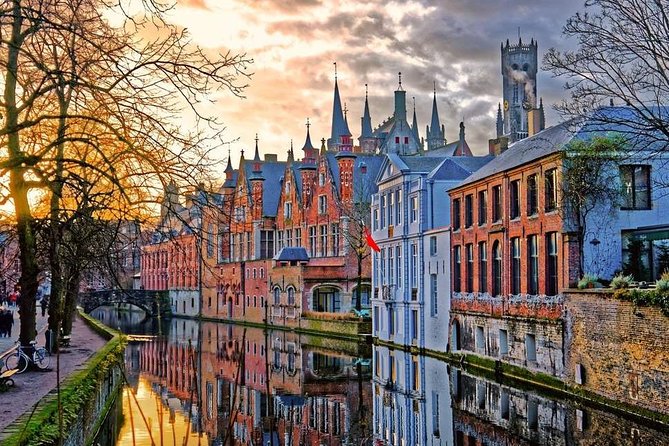
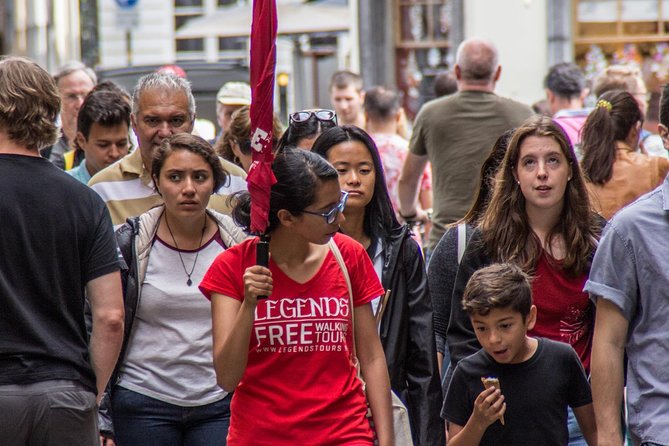
Bruges can feel like a postcard factory. The canals are gorgeous, but the streets can also be crowded, especially around markets and peak sightseeing hours. Doing a private 2-hour overview early in your day helps you get your bearings quickly, so later you can wander with purpose instead of just following foot traffic.
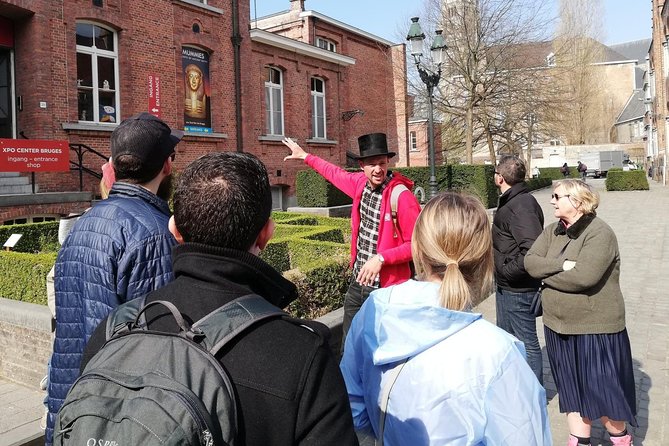
The private format matters more than it sounds. When it’s just your group, you can ask follow-up questions, pause for photos, and spend a little longer on the parts that click for you, whether that’s medieval politics or religious art. In the best moments, the guide reads the room and adjusts the pace, including quick picture stops without turning the walk into a rushed stamp-collection.
And because pickup and drop-off from your Bruges hotel are included, you avoid that common tourist pain: meeting in the wrong place, arriving early to wait, or walking in cold weather with no clear plan. In reviews, people also appreciated that guides reached out with clear meeting details the day before, which is exactly what you want when you’re juggling your itinerary.
Entering the Markt, where Bruges became a trading powerhouse
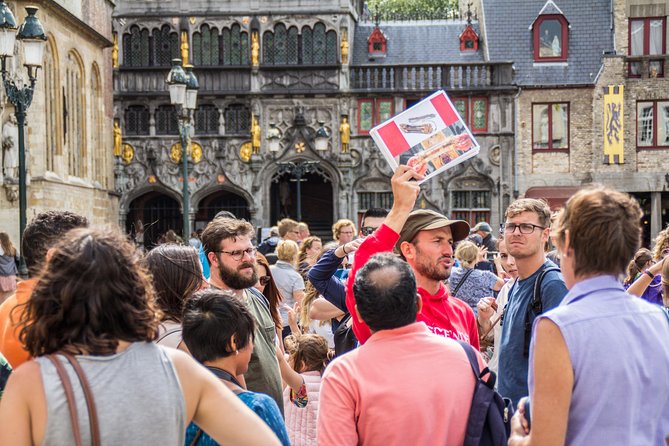
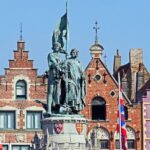
Your walk kicks off at the Markt, Bruges’ famous central square. Here, the guide starts with the big picture: why this city mattered in the medieval trading world, not just as a pretty stop, but as a place where money, goods, and influence moved. This context changes how you see the buildings, because you start noticing civic power signals, not only architectural beauty.
You’ll also hear about the city’s complicated relationship with French royal power. That might sound like political trivia, but it’s useful. Once you understand Bruges’ “city versus kings” theme, you get why so many landmarks feel civic and proud, not just religious or decorative.
What to watch for: as you stand in the Markt area, look up at the fronts and think in terms of roles, merchant life, and public authority. The guide’s job is to connect those roles to what you see in front of you, and this stop sets the tone for the rest of the route.
Belfort and the bell tower story, civic pride in brick form
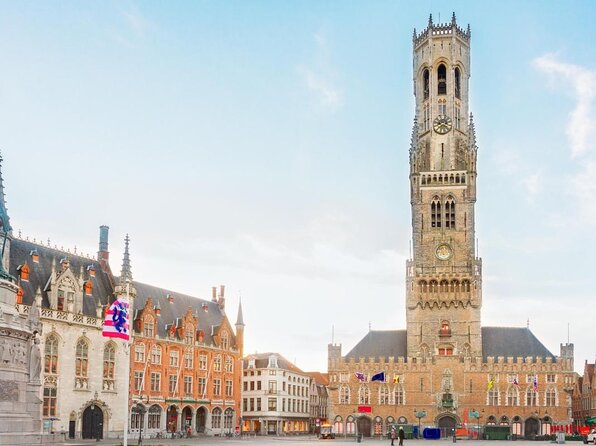
Next comes the Belfort, and specifically the halls behind the bell tower. This matters because the Belfry of Bruges is not just a viewpoint, it’s tied to how the city ran itself during the Middle Ages. You get explanations about how the tower functioned and why the city invested in this kind of power landmark.
This stop is short, but it’s one of the most “explains the city” parts of the whole tour. Many city walks point at a tower. This one helps you understand what the tower represented: timing, record-keeping, authority, and public identity.
A practical tip for your pictures: plan to capture both the tower presence and the surrounding square feel. Even a few seconds of framing changes your later ability to “remember what you learned” when you look back at photos.
Gruuthuse: a palace that shows what monopoly power looked like
Then you’ll reach the Gruuthusemuseum, housed in a palace tied to a wealthy Bruges family. What makes this stop special is the way it connects architecture to economics. You’ll hear how that family held influence tied to a trade monopoly, so the building stops being just “a museum stop” and becomes a physical reminder of how wealth worked in the city.
The museum stop is ticketed on your own (admission not included). That doesn’t make it a bad stop. It just means you have options. If you’re the type who wants to go inside and see artifacts and interiors, you can plan for it. If you’re more into outdoor orientation and big stories, you can still use the explanation as a reference point for later.
Consideration: if you want to enter multiple ticketed sites during your two-hour window, you might feel the time pressure. I’d use your guide’s explanation first, then decide on the spot whether you’ll pay for an entry or save it for a future visit.
Still got an afternoon? Try these:
St John’s Hospital and Ten Wijngaarde Beguinage: care and community
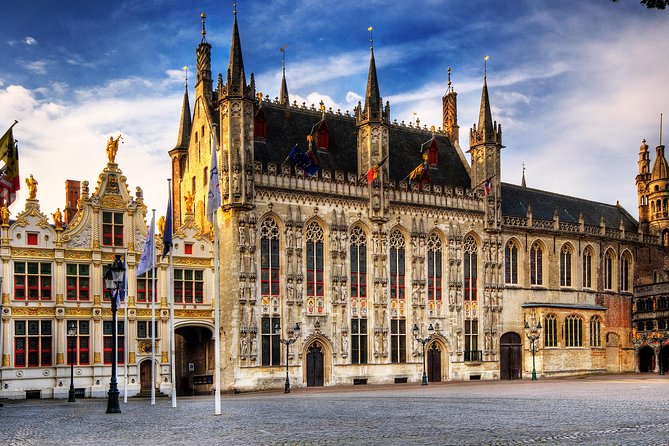
One of the best “Bruges beyond the postcard” moments is the stop at Sint-Janshospitaal, the Hospital of St John. The key idea here is the place’s long role in medieval society, showing how community care functioned long before modern hospitals. You’ll get the sense that this wasn’t only about medicine, it was about social structure and responsibility.
This is also ticketed (admission not included), so again, you choose your level of entry. Even if you do not go inside, the historical framing is valuable because it helps you see the building as part of daily life, not just an old structure for tourists.
After that, you walk into the Princely Beguinage Ten Wijngaarde, often described as the biggest of its kind. This is another stop where the guide’s storytelling matters. You learn how a community of women lived together for over 800 years, and you start understanding why beguinages had such a lasting place in the social landscape.
This stop is marked as free admission in the tour structure, which makes it a great use of your limited time. It’s also the kind of place where you naturally slow down, because the atmosphere and layout invite quiet observation.
Minnewater Lake, swans, and the Maximilian conflict angle
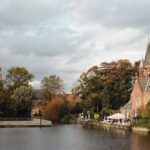
At Minnewater Lake, you get a classic Bruges image, the lake setting people associate with love and romance. What makes this stop more interesting than the postcard version is the explanation of why there are swans on the canals and how the story ties into a conflict involving Emperor Maximilian of Austria.
This is where a good guide earns their keep. Instead of treating Minnewater as a photo stop, the guide links the local symbol to a historical reason. Even if the facts are only part of the story, the outcome is practical for you: you’ll remember the place as a meaningful chapter, not just scenery.
Time-wise: this is one of the longer segments in the route (about 15 minutes). It gives you a bit more breathing room, which helps on cold days and when streets are crowded.
Beer pipelines, the De Halve Maan stop, and how locals think about taste
Bruges has a way of turning daily life into something you can track through history. At De Halve Maan Brewery, you’ll stand outside and hear the story behind the nickname people use for Bruges, plus details about the beer pipeline that runs beneath the city.
This is ticketed on your own (admission not included). The value of the stop is not necessarily that you must enter right then. It’s that the guide gives you the backstory so the name and the local food culture make sense when you taste it later.
If you’re planning a beer-focused evening, this stop is a good early primer. Even if you don’t go inside, you’ll leave knowing why breweries matter to the city’s identity, and you’ll likely order more confidently later.
Onze-Lieve-Vrouwekerk and the Michelangelo statue context
Next comes the major icon stop: Onze-Lieve-Vrouwekerk. The guide explains why this church is so important, including the detail that it has the second tallest brick tower in the world. You’ll also hear about the statue by Michelangelo and the tombs of the last Dukes of Burgundy.
Again, this is admission not included, so you decide whether you want to pay to enter during your two-hour walk. In practice, many people treat this church stop as a “learn the story” moment first. If you later want to go inside, you’ll know what you’re looking for, which saves time on your own.
Tip for art lovers: if you do enter, go in with the Michelangelo and Burgundy tomb context in mind. That framing helps you connect the pieces instead of wandering and hoping the building explains itself.
Groeningemuseum garden and Huidenvettersplein: art and tanner life
The walk also includes the garden area of Groeningemuseum. This one is short in the tour plan (about 5 minutes), and admission is not included. The point here is orientation and context rather than a long museum session, unless you choose to extend your day later.
Then you reach Huidenvettersplein, the old Tanner’s Square. This stop is all about everyday industry: what made tanners famous, why it was a smelly business, and how leather work shaped the city. It’s a reminder that Bruges didn’t only run on noble families and churches. It also ran on work, labor, and the supply chain of medieval life.
The tanner’s story adds balance to your route. After palaces, hospitals, and churches, you get the grit of “how products moved.” That mix is exactly what makes a highlights tour feel like a real picture, not just monuments.
Ending at Burg Square, the political heart of Bruges
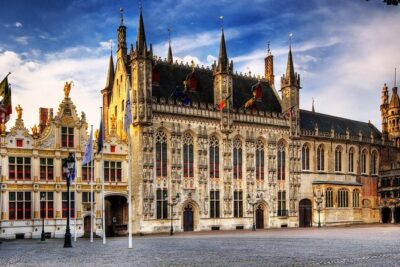
The tour finishes at Burg Square, described as the political center and the birthplace of the city of Bruges. This ending is smart. After learning about trade hubs, civic power, family wealth, care institutions, and religious art, you land at the spot that ties the whole theme together: authority.
If you’re planning what to do after the tour, Burg Square is a good launch point. It helps you connect the dots quickly and decide where you want to spend more time, whether that’s another church, a museum, or a slower canal walk.
Photo tip: take one last wide shot here. You’ll want something that captures the square’s role in the city, not just the prettiest angle.
Tickets, timing, and how to avoid spending extra when you don’t want to
Even though the tour calls itself a highlights experience, it’s still a walking route with multiple stops. Some are free in terms of admission, and some are not included, meaning you might pay if you want to go inside.
Here’s how to think about it as you plan your day:
- If you love interiors and artifacts, expect you might add admissions at places like Gruuthusemuseum, St John’s Hospital, Onze-Lieve-Vrouwekerk, the brewery, and Groeningemuseum.
- If you prefer street-level history, you can still get a lot from the storytelling without entering every ticketed site.
Timing is part of the deal. Each stop is designed to be brief, which is great for getting an overview. But it means you should decide what matters most to you before the clock gets strict. If you’re someone who likes to linger, ask your guide early if you can prioritize one or two ticketed locations.
Price and value: what you’re really paying for at about $99.81
At about $99.81 per person for a private tour around 2 hours, this price makes sense if you value comfort and efficiency. You’re not just paying for a guide. You’re paying for the private format, the hotel pickup and drop-off, and the fact that the route focuses on the biggest “story landmarks” rather than a scattershot walk.
It can be great value compared to larger group tours when:
- you want your questions answered without waiting,
- you care about pace control, especially in cold or rainy weather,
- you’re visiting for a short time and want a clear plan for what comes next.
It’s also a good fit for families and mixed-age groups, since a private pace can flex around slower legs and more photo breaks. Several people also liked the way guides offered follow-up suggestions after the walk, including food choices like waffles and fries and local beer ideas.
If your goal is only to get photos at the main sites, a cheaper self-guided route can work. But if your goal is to understand what you’re seeing, and to leave with smart next steps, this is the type of tour that feels worth the money.
Who should book this Bruges private historical walk
I’d strongly consider booking this if you:
- want an efficient Bruges orientation that connects landmarks to their real roles,
- prefer a private experience with a flexible pace,
- appreciate practical guidance, including local food and drink suggestions,
- are planning a short stay and want to reduce guesswork.
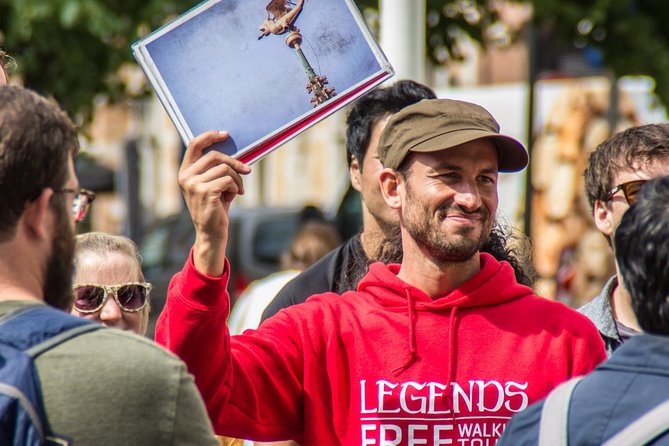
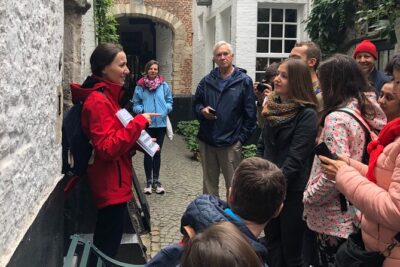
It’s also a solid choice if you like storytelling and visual support. In guides’ approaches shared in feedback, some guides used laminated pictures to show what buildings looked like in earlier eras, which helps you read the city instead of just looking at it. Others shared how to navigate crowds during busy market periods, which is a real problem in Bruges.
If you’re the type who hates walking, this might feel like a lot. But the tour’s structure is designed for most people to participate, and the private format helps keep it manageable.
Should you book? My honest recommendation
If you want a private historical highlights tour that gets you oriented fast, teaches you the “why” behind Bruges landmarks, and hands you local pointers for what to do after, this is an easy yes. The balance of civic sites (Markt, Belfort, Burg Square), community life (Beguinage and St John’s Hospital), and culture (church art and museum context) gives you a rounded first impression.
Two smart checks before you commit:
- Decide whether you want to enter the ticketed sites, and if so, plan your budget.
- Confirm your start time so the full route has a fair shot of staying on track.
When those boxes are covered, you’ll likely leave with the kind of Bruges understanding that makes your next walk feel intentional, not random.
FAQ
How long is the Private Historical Tour The Highlights of Bruges?
It’s listed as about 2 hours.
Is this tour private?
Yes. It’s a private tour, and only your group participates.
What language is the guide?
The tour is offered in English.
What about hotel pickup and drop-off?
Hotel pickup and drop-off within Bruges are included, making it easier to start without finding a meeting point on your own.
Are admissions included for museums and churches?
Not always. Some stops are marked as ticket free, while others have admission not included, such as the Gruuthusemuseum, Sint-Janshospitaal, De Halve Maan Brewery, Onze-Lieve-Vrouwekerk, and Groeningemuseum.
Where does the tour start and end?
It starts at Pieter de Coninck en Jan BreydelMarkt, 8000 Brugge, Belgium and ends at Burg Square, Burg, 8000 Brugge, Belgium.
Latest from Bruges

Historical Tours, compared.
Historical Tour with Chocolate & Waffle Tasting
Read our review →
Historical Walking Tour with Chocolate & Waffle Tasting
Read our review →
THE Storytelling Tour of Bruges | First Day Must | History & Tips
Read our review →
Browse the lists this tour appears in