
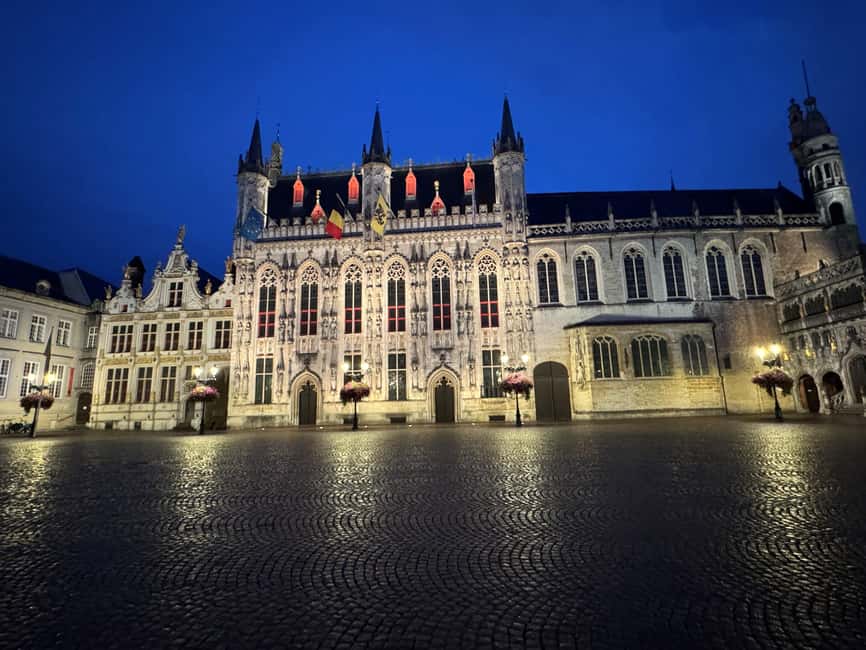
Reviewed · DARK HISTORY WALKS
Haunted Bruges Walking Tour
Bruges has a darker heartbeat at night. This Haunted Bruges walking tour turns postcard streets into real medieval stories, and I love how the guide uses local locations to make the past feel close. I also like the pace, you move city blocks at a walking speed that keeps the scary bits readable, not exhausting.
You’ll hear about plague, executions, betrayals, and witch trials with torture methods. That’s history with teeth, so the biggest drawback is simple: it may be too heavy for kids and for anyone who gets rattled by grim details.
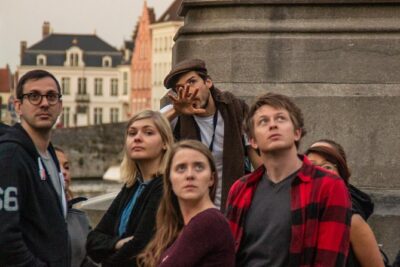
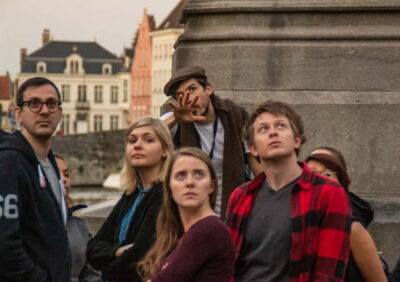
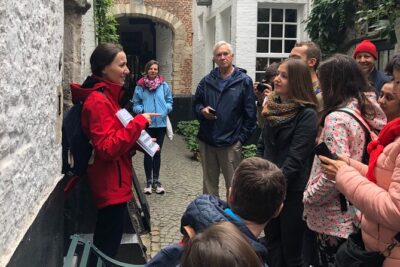
I went in expecting a spooky stroll, and the reviews were right about the guide. Matteo, warm and funny, keeps it grounded in what Bruges is, not just what sounds good in a ghost story. Starting in Markt Square in front of the Belfort Tower sets the mood fast, and you’ll feel like you’re learning the city for the first time, after the sun goes down.
In This Review
- Key things that make this ghost walk worth your time
- Markt Square and the Belfort Tower, where the bells may still ring
- Spanjaardstraat Ghost House: canal romance, cold drafts, and quiet footsteps
- Burg Square and Count Charles the Good, betrayal with a visible footprint
- Vismarkt Fish Market: hunger, drowning secrets, and vaults under stones
- St. John’s Hospital wards: mercy during plague, and sounds you cannot place
- Bonifacius Bridge: a postcard view with an eel legend
- Gruuthuse Palace: curses, waiting nights, and windows that seem to watch
- What you learn beyond the scares: plague, punishment, and witch trial details
- Price and pacing: is $29 good value for 90 minutes?
- Who should book this ghost walk, and who should skip it
- Should you book Haunted Bruges?
- FAQ
- Where is the meeting point?
- How long is the Haunted Bruges Walking Tour?
- What language is the tour in?
- How much does the tour cost?
- Is this tour suitable for children?
- Is it a theatrical scare tour?
- What should I bring or wear?
- Who should avoid this tour?
- Can I cancel or pay later?
Key things that make this ghost walk worth your time
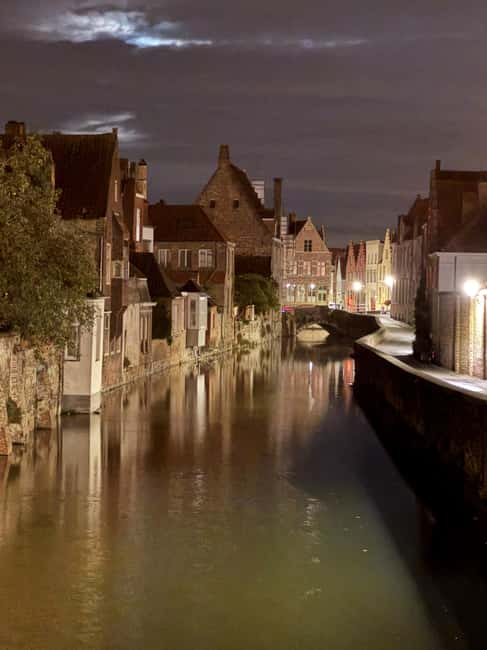
- Market Square at dusk links plague, bells, and mass death to a very specific place in Bruges
- Matteo’s storytelling mixes humor with dark history, so you stay engaged instead of just scared
- Spanjaardstraat’s Ghost House and the canal-side romance story add grit to the fairytale vibe
- Stops by water (Vismarkt, St. John’s Hospital area, Bonifacius Bridge) build a creepy theme that fits Bruges
- Gruuthuse Palace keeps the atmosphere going with windows that seem to watch the street below
More Guided Walks in Bruges
- Bruges: Small Group Boat Cruise and Guided Walking Tour
★ 4.8 · 4,102 reviews - Historical Walking Tour: Legends of Bruges
★ 5.0 · 2,541 reviews - Guided boat trip and walk
★ 4.5 · 703 reviews - Bruges: Guided Walking Tour
★ 4.5 · 682 reviews - Walking tour of Bruges with boat option and/or beer tasting
★ 4.0 · 416 reviews
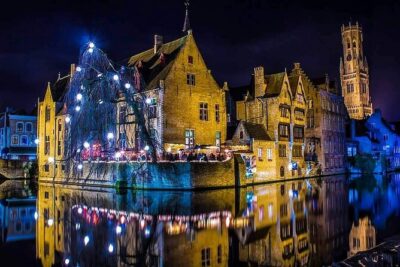
Markt Square and the Belfort Tower, where the bells may still ring
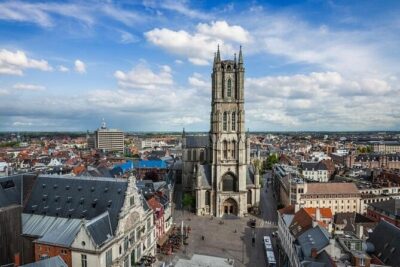
Your tour starts in Market Square, Markt, right in front of the Belfort Tower. This is the heart of Bruges trade in the old days, and it becomes the heart of the story the moment the guide begins.
You’ll learn how the Black Plague hit so hard that nearly half the city died. The story isn’t abstract. It lands on the idea that the Belfry bells tolled while people were dying. Even if you don’t buy the ghost part, that mental picture helps you understand why Bruges feels reverent in places that look just pretty from afar.
Then the tour pushes into the creepy zone with a legend tied to those cobblestones. You’ll hear about a priest who supposedly buried victims until he joined them, and people say he still walks beneath the ground. It’s the kind of tale that can sound like folklore on paper. In person, with the medieval square around you and the night air doing its job, it clicks into the mood.
Practical tip: arrive a few minutes early, and get your shoes set. Markt Square is open, so you’ll feel the wind if you’re not dressed warmly.
Spanjaardstraat Ghost House: canal romance, cold drafts, and quiet footsteps
After the open square, you step into narrower streets and a hidden alley toward the Ghost House on Spanjaardstraat. Bruges narrow lanes are already atmospheric in daylight, but at night they turn into something else. The guide leans into that geometry, using the tight passageways to sell the idea of secrets that can’t stay sealed.
Here, the focus is a forbidden romance, a young nun and a monk whose story ended in violence beneath the canal. You may hear reports that visitors feel cold drafts and hear soft footsteps when nobody is there. The story namechecks a specific presence, Sister Beatrix, said to still take her nightly route.
Whether you believe in the supernatural or not, this stop is valuable because it reminds you Bruges history includes religious institutions, rules, and punishment, not just art and canals. It also shows how the city’s built environment, canals, cellars, and alleys, can make stories feel physically rooted.
Consideration: the emotional tone is darker than a casual sightseeing stroll. If you’re sensitive to themes around violence, keep that in mind before joining.
Burg Square and Count Charles the Good, betrayal with a visible footprint
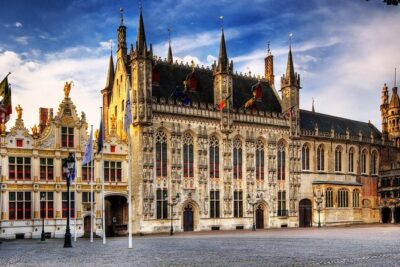
Next comes Burg Square. This is another big shift, because you move from Market Square’s trade-and-plague energy into the kind of power story that makes medieval streets feel political and dangerous.
Burg Square once held a great cathedral, and the tour uses that context to set up a violent moment: the assassination of Count Charles the Good in 1127. The conspirators were executed nearby, brutally. That matters because you’re not just hearing about a bad day. You’re learning where the consequences landed.
The ghost story here adds a final chill. A shadowy figure kneeling in prayer has been spotted long after the square is empty. It’s the same pattern as earlier stops: an ordinary-looking historic spot becomes a stage for a specific legend, tied to bloodshed and power.
If you like history you can picture, this is a strong stop. Burg Square gives you a sense of how leadership, religion, and public punishment were braided together in medieval life.
Vismarkt Fish Market: hunger, drowning secrets, and vaults under stones
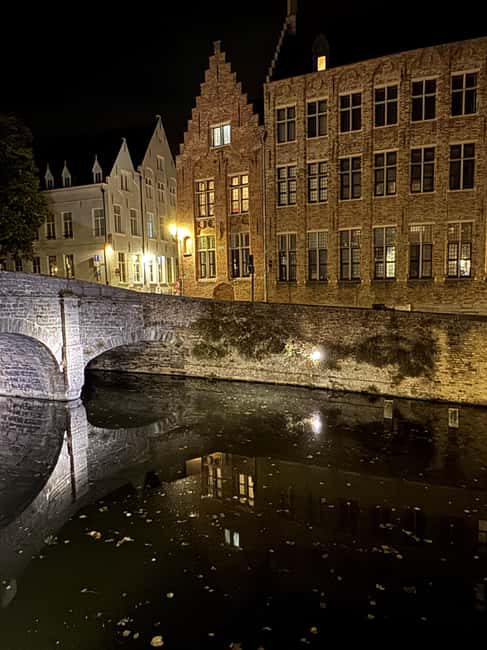
From Burg Square, the walk continues to the old Fish Market area, Vismarkt. The guide paints it as a place of hunger and desperation, and then the story becomes water-linked in a very Bruges way.
Here you hear about hidden vaults under the stones connected to betrayal and restless spirits. The vibe is less about a single dramatic death and more about what happens when systems fail people. You’re meant to feel that the city held grief in layers, like basement rooms you never notice until someone points them out.
This stop also helps the tour stay cohesive. From plague to canal stories, the theme becomes how death and hardship shaped daily life. You’re not just chasing ghosts, you’re understanding why rumors, fear, and punishment lasted long enough to become legends.
Small practical note: Vismarkt area streets can be uneven. Comfortable walking shoes are not optional here, even if you think you’re used to old cities.
More of the darker side of Bruges:
St. John’s Hospital wards: mercy during plague, and sounds you cannot place
Then you reach St. John’s Hospital, an 800-year-old place with a serious purpose in the medieval world. The guide frames it around plague victims and the dying who prayed for mercy. That’s an important tonal change. It turns the stories away from only violence and into fear, suffering, and hope.
You might notice how the atmosphere changes just by standing in the right kind of historic setting. Even when you’re not focusing on ghost claims, the building age and the hospital context bring weight to the stories.
The tour also includes reports of ghostly figures and unexplained sounds around the ancient wards. I find these kinds of “unexplained” moments work best when the guide treats them like part of local storytelling rather than a gimmick. That’s how this tour is presented, more city story than jump-scare performance.
If you’re the type who likes your scary tours to stay respectful, this stop is one of the best balances. It’s grim, but it’s grounded.
Bonifacius Bridge: a postcard view with an eel legend
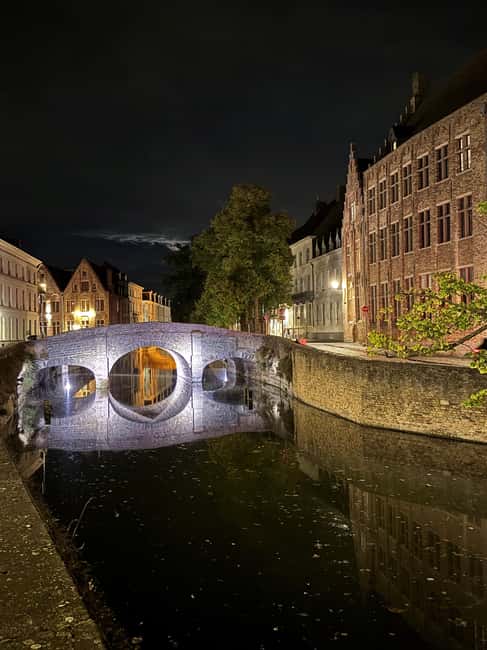
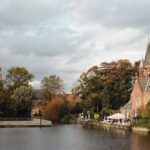
Bonifacius Bridge looks like it could be a photo backdrop, and that contrast is exactly what makes it effective for a ghost walk. The guide uses that clean, scenic setting to deliver a dark legend: a sinister eel that pulls the unwary into the canal.
You also hear about heartbroken lovers who leapt instead of facing life alone. Again, the point is not only the shock value. It’s the way Bruges stories cluster around water, danger, and desperation.
This is also a useful stop for you because it shows how legends often act like warnings. Even if you treat the eel story as myth, it points to a real risk older canal cities lived with, slippery footing, hidden drops, and isolation after dark.
Practical tip: bring your eyes for this one. Look down toward the canal and then look back up at the bridge lines. The guide’s storytelling usually tracks the sightlines so the story feels anchored.
Gruuthuse Palace: curses, waiting nights, and windows that seem to watch
Your final stop is the grand Gruuthuse Palace. This is where the tour wraps up with powerful medieval family drama and a sense of tragedy that wealth could not stop.
The guide’s story focuses on curses and hauntings tied to the family. One especially memorable legend is about a woman who waited each night for a lover who never returned. The story ends with a haunting image: windows here still seem to watch the street below.
By the time you reach Gruuthuse Palace, you’ve already collected several versions of the same theme. Bruges beauty did not erase suffering. It just hid it in architecture, alleys, and the spaces between the canals.
The tour ending in this kind of grand setting also makes it feel like a full circle. You start in a central square, move through smaller lanes and water-linked spots, and finish where status and power once lived. Then you realize the ghost stories are really about people, not special effects.
What you learn beyond the scares: plague, punishment, and witch trial details
One reason this tour feels different from a generic ghost walk is that it repeatedly ties legends to real medieval forces. The guide explains how plague and punishment shaped Bruges. You hear about forgotten victims, including those connected to witch hunts and persecution.
The tour also references torture methods of the Middle Ages. That means this is not only spooky mood lighting. It’s a history talk with supernatural elements layered on top.
If you care about authentic place-based storytelling, this works well. The guide isn’t just describing spooky places. You’re learning how the city functioned under pressure, how fear became public, and how suffering lived in the same spaces you now visit for charm and photos.
If that topic mix feels like too much, you can still enjoy the structure and the setting. Just be honest with yourself about what kind of dark history you can handle for 90 minutes.
Price and pacing: is $29 good value for 90 minutes?
At $29 per person for a 90-minute, live English guided walk, I think this is fair value, especially if you want stories tied to specific Bruges spots rather than a broad “haunts around town” route.
The duration matters. Ninety minutes is long enough for a real arc, starting at Markt and ending at Gruuthuse Palace, with a series of story beats. It’s also short enough that you’re not stuck in the cold for hours.
The guide being live, and the tour being story-driven, is the main value driver. You’re paying for human pacing, for the way the guide connects locations like Spanjaardstraat, Vismarkt, and Bonifacius Bridge to themes like plague, betrayal, and execution.
If you’re choosing between a quick nighttime walk and a longer one, this is a strong middle option. You get the “night Bruges” feeling without turning the evening into a full commitment.
Who should book this ghost walk, and who should skip it
This tour is a good fit if you enjoy dark legends with a factual backbone, and if you like city history that’s told while you walk.
You’ll likely enjoy it if:
- You like tours where the guide actually explains why the story belongs in that exact spot
- You want a nighttime experience that feels distinctly Bruges, not copy-paste spooky
- You appreciate a mix of humor and creepiness, like Matteo’s warm, funny approach highlighted in the reviews
It’s not a great fit if:
- You have mobility impairments, since it is a walking tour through narrow streets and historic ground
- You have heart problems, because the experience involves walking and potentially stressful themes
- You’re traveling with children under 12, since the material includes executions, witch hunts, and torture methods
- You get easily distressed by plague-era deaths and other violent historical details
If you’re on the fence, think about your own tolerance for grim medieval themes. The tour is designed to be chilling, not family-friendly.
Should you book Haunted Bruges?
If you want Bruges at night with stories tied to real places, I’d book it. This is the kind of tour that makes the city’s fairy-tale look more honest. You’ll walk away with a map in your mind that includes bells, canals, hospital wards, and palace windows, and each stop has a reason behind the legend.
Skip it if you want light entertainment or if you’re not comfortable with plague, executions, and witch trials. Also skip it if you need step-free or limited-walking support, since this is very much a traditional walking format.
Bottom line: for $29 and 90 minutes in English, with a live guide like Matteo, you’re getting a focused Bruges night story that most visitors miss. It’s not theatre. It’s medieval Bruges, walking.
FAQ
Where is the meeting point?
You meet at Market Square (Markt), in front of the Belfort Tower.
How long is the Haunted Bruges Walking Tour?
The tour lasts 90 minutes.
What language is the tour in?
The tour is guided in English.
How much does the tour cost?
The price is $29 per person.
Is this tour suitable for children?
It is not suitable for children under 12 due to the dark historical content.
Is it a theatrical scare tour?
No. It is presented as a journey into Bruges’ dark past told in the locations where the stories are set.
What should I bring or wear?
Wear comfortable shoes and warm clothing, since it is a walking tour.
Who should avoid this tour?
It is not suitable for people with mobility impairments or people with heart problems.
Can I cancel or pay later?
Yes. You can cancel up to 24 hours in advance for a full refund. You can also reserve now and pay later, meaning you can book your spot without paying today.
Latest from Bruges
Dark History Walks, compared.


Historical Walking Tour: The Story of Brussels – by Legends
Read our review →Browse the lists this tour appears in