
Reviewed · CYCLING TOURS
From Brussels to Flanders 100km road cycling tour
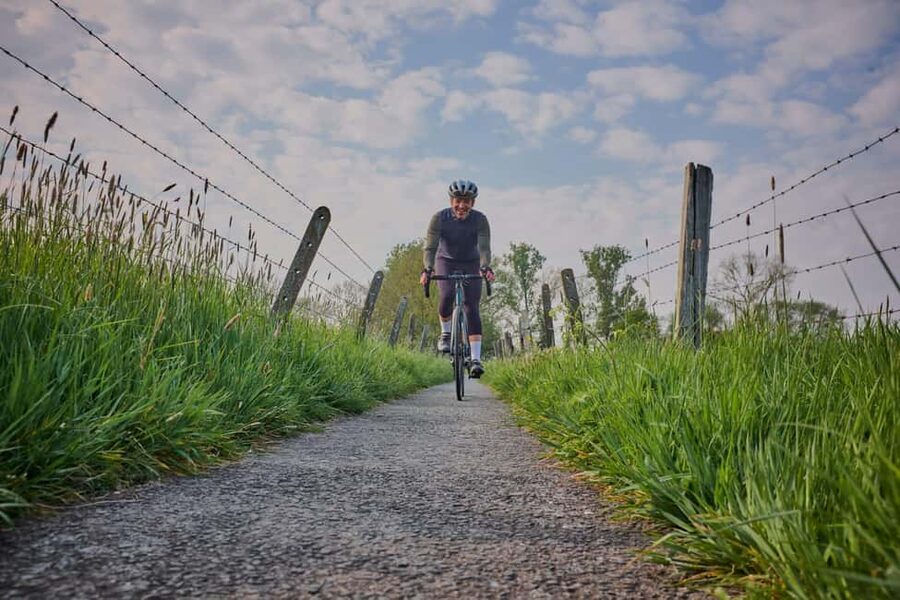
One of the fastest ways to feel Belgian cycling culture is on a classic-style ride. This Brussels to Flanders tour strings together the kinds of roads you see on the Tour of Flanders, including the Muur from Geraardsbergen and big-feeling climbs like Bosberg, with cobbles and countryside all the way through.
What I like most is the mix of iconic climbs plus calm country pacing, and the fact it stays private, geared to your effort level instead of trying to turn you into a racer. The one thing to consider is that this is for cyclists, not super-fit racers, and the combo of hills and Belgian cobbles can still feel demanding if you are not used to riding that way.
In This Review
- Key Points You Will Care About
- Brussels To Flemish Classics: What This 100km Ride Delivers
- The Ritchey Road Logic, Pickup From Brussels, and Real Pacing
- Leaving Brussels: Traditional Villages and the Slow Shift Into Countryside
- The Muur van Geraardsbergen Moment You Will Feel in Your Legs
- Pajottenland Farmland: Where the Ride Gets Calm, Then Suddenly Interesting
- Bosberg Climb and the Top-Café Break That Changes the Mood
- Congobergstraat, Baasberg, and De Rustberg: More Climbing, Less Confusion
- Cobblestones and Hill Effort: How To Prepare Without Overthinking
- Price and Value at $353: What You Are Really Buying
- Who This Tour Fits Best
- Should You Book This Brussels to Flanders Tour?
- FAQ
- How long is the Brussels to Flanders cycling tour?
- How far do I ride?
- Where does the tour start and end?
- What bike and safety gear are included?
- Is this tour competitive?
- What languages is the guide available in?
- What should I bring and is it suitable for kids?
Key Points You Will Care About
- Iconic hellingen without the race pressure, so the experience stays fun and controllable
- Muur van Geraardsbergen plus Bosberg are the headline climbs, with guided context as you ride
- Belgian cobblestones and small farming roads, giving you the real texture of Flanders riding
- Bosberg café stop at the top, where you can grab a bite or a Belgian beer (time and effort permitting)
- Guide-led safety and smart routing, including handling detours when roads change
More Cycling Days in Brussels:
- Brussels: City Highlights and Hidden Gems Bike Tour
★ 4.8 · 443 reviews - Small-Group Highlights of Brussels Bike Tour
★ 4.5 · 260 reviews - Brussels Highlights & Hidden Gems Bike Tour
★ 5.0 · 195 reviews - Brussels: Sightseeing Bike Tour
★ 4.7 · 106 reviews - Brussels: Private City Tour on Bike with Drink Stop
★ 3.9 · 4 reviews
Brussels To Flemish Classics: What This 100km Ride Delivers
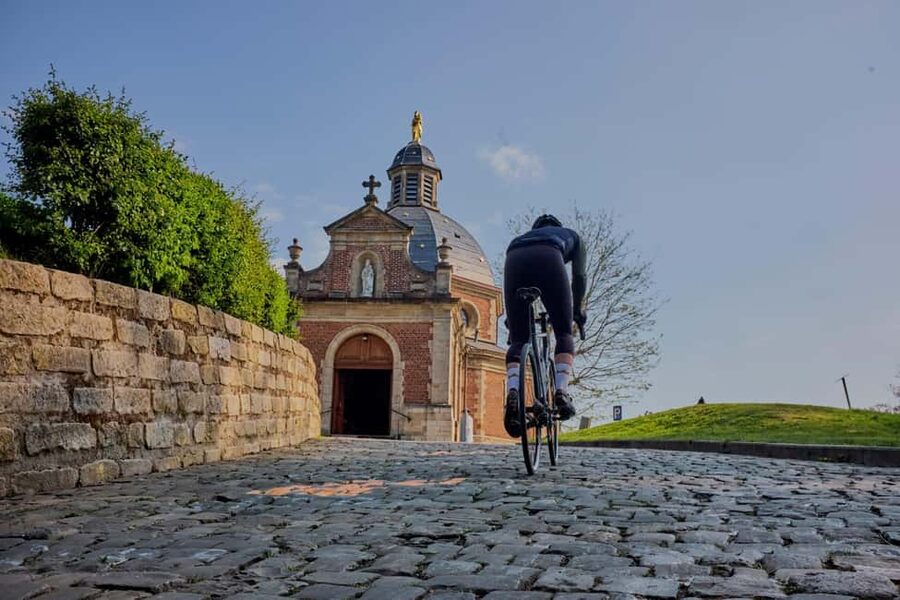
This tour is basically a half-day crash course in what makes Flemish cycling feel different from many other places. You start in central Brussels, then slowly trade city noise for small roads where the countryside takes over. You keep moving at a pace that aims to match you, not a stopwatch, and you spend the day riding the kinds of hills, turns, and road surfaces that show up again and again in Belgian classics.
The route is about quality miles, not distance-chasing. At 100km over roughly 6 hours, you are not trying to set records. You are trying to experience the cycling folklore: sharp climbs, short cobbled sections, and those rolling views that make you understand why local riders talk about these stretches like they are part of daily life.
And yes, there are famous spots. The Muur van Geraardsbergen is the one most riders dream about, but this ride also builds the feeling with other climbs in the same vein. That matters, because you come away with more than just a photo at one landmark. You get the rhythm of the region.
The Ritchey Road Logic, Pickup From Brussels, and Real Pacing
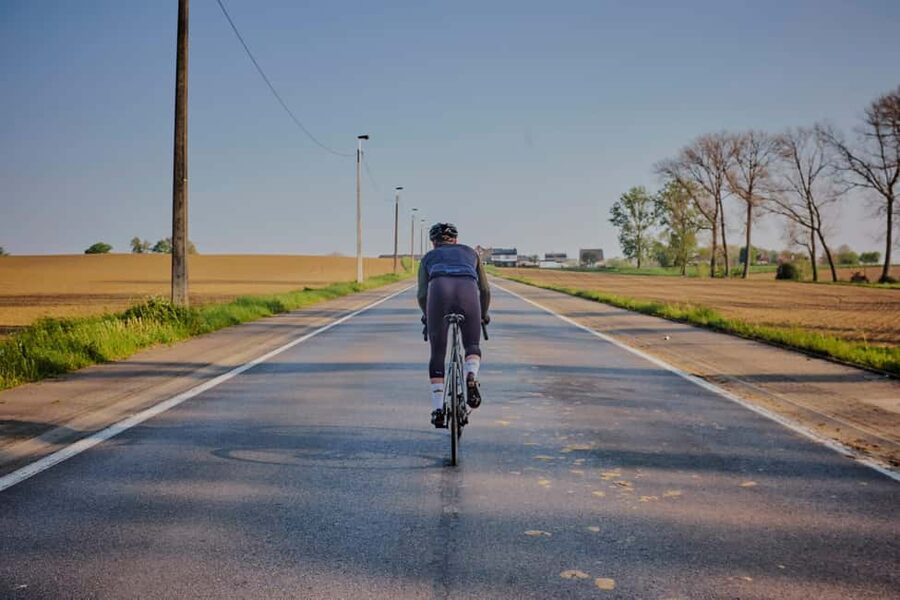
The practical side here is strong. You get a Ritchey Road Logic road bike, plus a helmet, water bottles, inner tubes, and even gels and bananas. You can choose the pedals too. That means you can travel light. You are not trying to show up with a bike bag full of essentials.
You also get something that often gets overlooked in cycling tours: how the ride is managed. This is a private tour for a maximum of 2 customers, and it is meant to be personally tailored. The goal is an enjoyable ride that fits your level. In the feedback I see from riders, a guide named Karl stands out for pacing that makes sense, slowing when needed and picking things up at the right time. That is exactly what you want when the route includes cobbles and steep sections.
Another detail that adds comfort: a bike is brought to and from where you are staying in Brussels. So you are not wasting your pre-ride morning wrestling navigation or dragging equipment around town. You show up, get set up, and go ride.
Leaving Brussels: Traditional Villages and the Slow Shift Into Countryside
Right after pickup, the day starts with a transition from urban to rural. You pass through traditional villages and get scenic views along the way, with photo stops that help you lock in the moment. This part sounds simple, but it is actually useful. It helps you settle into the ride before the climbs begin, and it gives you a sense of how Belgian towns and farms sit close together.
It is also where cobbles and road surfaces start to make sense. Even before you reach the big named climbs, you feel the culture of the roads: narrow stretches, farm fields nearby, and the kind of corners that require you to be present. If you have never ridden Belgium, the biggest shock is not the climbs. It is how quickly the roads can change texture and how often you deal with short efforts back to back.
The Muur van Geraardsbergen Moment You Will Feel in Your Legs
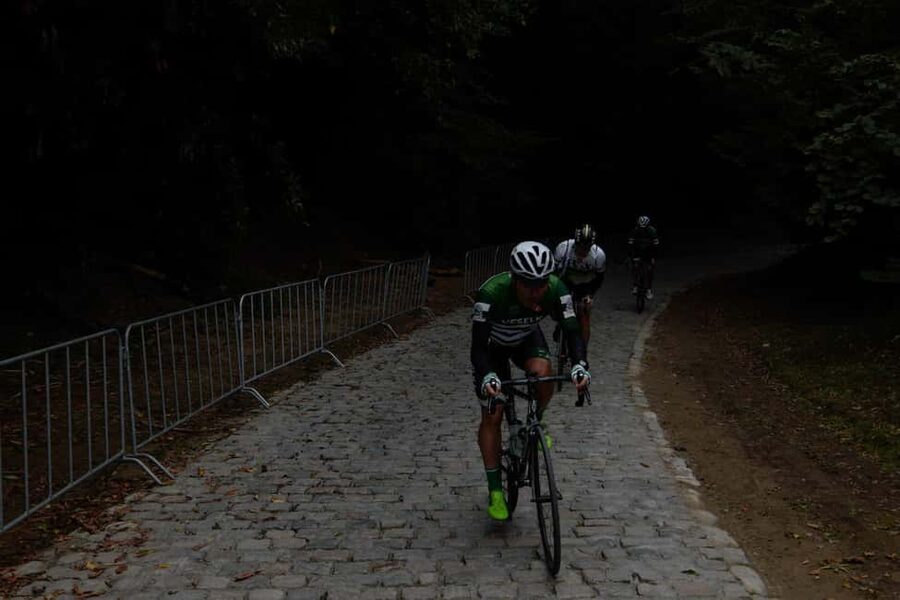
The Muur van Geraardsbergen is the headline. It is steep, iconic, and famous for a reason. Here, you get a photo stop and a guided look before and around the climb so it is not just a physical effort, it is also a story you understand while you are breathing hard.
Why that matters: when someone tells you where the gradients bite and how the classic races use sections like this, your body stops guessing. You can make smarter choices about effort. Instead of fighting the hill blindly, you can ride it with a plan.
There is also something mental that happens on a climb like this. You are not just chasing altitude. You are connecting to cycling history. You can feel the road’s place in Flemish culture, especially when the guide adds context during the stop and the ride continues immediately after.
Practical note: the Muur is part of a bigger day. If you go too hard at the start, the rest of the route will feel meaner than it needs to. If you stay controlled, you will enjoy the day more and you will be ready for what comes next.
A few more Brussels afternoons to weigh up

Pajottenland Farmland: Where the Ride Gets Calm, Then Suddenly Interesting
After the big classic energy, the tour settles into the best part of Flanders riding for many people: country lanes through farmland, with the kind of small-road scenery that feels local rather than touristy.
This is also where you get to experience more of what makes the region special. You are on small country roads, and you encounter Belgian cobblestones and hills that show up in the classic races. The point is not pain for pain’s sake. It is the texture. Cobblestones change your cadence and your balance. Hills force you to pay attention to gear choices and your breathing rhythm.
If you have ridden smooth asphalt elsewhere, this is where you learn to respect road surface. You do not need to be fearless. You just need to be steady: keep your weight stable, soften your grip, and aim for a smooth pedal stroke through the rough patches.
The tour also includes guided passing along these sections, so you are not left wondering what you are looking at. That keeps the ride moving in a satisfying way. You are still cycling, but you also feel like you understand where you are and why it matters.
Bosberg Climb and the Top-Café Break That Changes the Mood
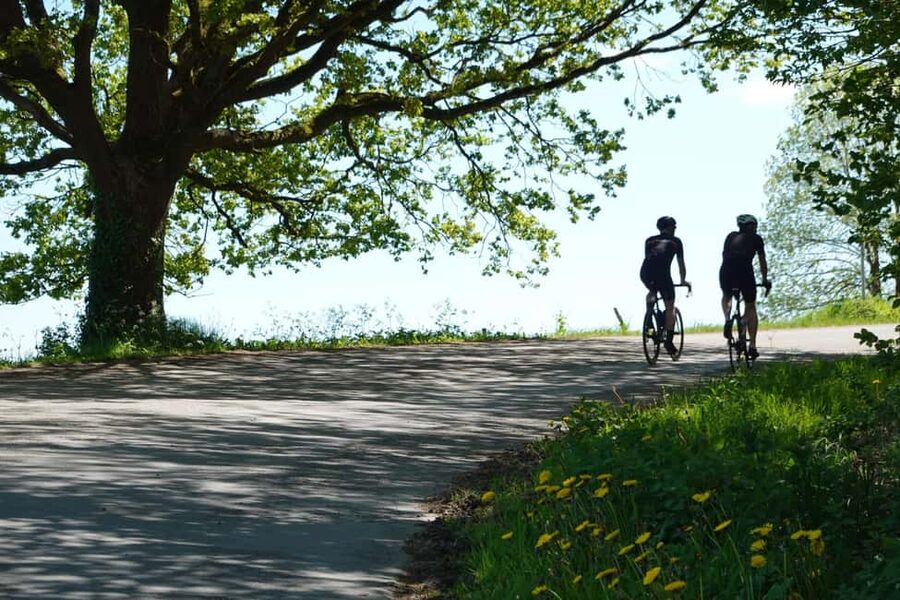
Bosberg is another name that carries weight in Flemish cycling. Like the Muur, it is both a physical climb and a cultural marker. Here, you get guidance on the climb and then, at the top, there is a café stop.
This is a really good design choice. A climb can be a full-body event, but your whole day stays enjoyable when you have a simple recovery moment. At the top, you can stop for a bite or a Belgian beer. The guide network knows the café owner, so this is not just a random place you stumble onto. You get a more welcoming, local-feeling pause.
Why this café stop matters for value: it breaks up the day so you are not forced to ride on empty or treat every climb like a test. You regain control of your energy. You also get a chance to look around properly. From that height, the views and the road alignment start making sense in a way that photos cannot fully do.
If you want to maximize the experience, keep the café stop simple. Bring a little hunger back online, sip water, and avoid turning recovery into a long meal that steals time from the remaining climbs.
Congobergstraat, Baasberg, and De Rustberg: More Climbing, Less Confusion
After Bosberg and Pajottenland riding, the tour adds more named hellingen, including Congobergstraat, Baasberg, and De Rustberg. You get photo stops and guided context, plus scenic viewing during the ride.
I like how this is handled. It avoids the common mistake in cycling tours where you see too much, stop too often, and end up spending half the day dismounted. Here, the rhythm stays bike-first. You stop when it helps you understand what you are about to ride or when it is worth grabbing a photo. Then you keep moving.
Also, these climbs work together. You start to recognize the pattern: steep sections that demand focus, followed by short relief where you can recover and reset your breathing. By the time you reach the later hills, you are not starting from zero. The earlier climbs teach you how to pace the day.
One more thing: because it is private and tailored, the guide can adjust. If you are feeling great, you can ride forward confidently. If you are not, you can still get the full route without feeling like you are failing. The overall goal is a memorable Belgian classic experience, not a competition.
Cobblestones and Hill Effort: How To Prepare Without Overthinking
If you are new to Belgian riding, you will want two things: comfort and control. This route includes Belgian cobblestones and hills. That means your preparation should focus on steady power and handling, not fantasy fitness.
What to bring is straightforward: cycling clothing. You will be on a road bike, not a gravel rig, so plan for a more traditional road riding setup. Even with provided basics like tubes, you will feel better if you are wearing a kit you already know works for you.
How you ride matters as much as your gear. On cobbles, keep your effort smooth, avoid sprinting early, and stay relaxed in your upper body. The rough surface punishes death-grips and jerky steering. Aim for a steady cadence, even if it is slower than you expect.
On the climbs, pick a gear that lets you spin just enough to keep your breathing under control. If you try to grind through steep cobbles with a too-heavy gear, your legs will pay a bigger price later in the day.
The tour is not a race, and that is a real advantage. You can ride these sections with respect instead of panic.
Price and Value at $353: What You Are Really Buying
At $353 per person for a 6-hour, 100km private ride, the value is not just the miles. You are paying for a lot of the annoying parts to be handled cleanly.
You get:
- a road bike (Ritchey Road Logic), plus helmet, bottles, inner tubes, gels, and bananas
- pickup from your Brussels residence or hotel, and the same return afterward
- a private experience for up to 2 customers
- a live English, German, Swedish, Finnish, French, Dutch, or Spanish guide
- climbs and cobbles of the Flemish classics, with guided context instead of you trying to guess what each named stretch is about
Bike rental in a major city plus a guided route plus logistics can add up fast, even before you factor in that this tour aims to remove navigation stress entirely. Here, the point is a full package, so you can focus on riding.
Also, because it is tailored, you might get more satisfaction than on a generic group ride. You are more likely to finish the day feeling proud, not wrecked. That is often what makes a tour worth paying for.
Who This Tour Fits Best
This is for cyclists. The tour data is clear that you need to be a cyclist, not a pro and not someone who only rides occasionally. If you are comfortable riding 100km on a road bike and you handle hills, you will likely enjoy it a lot.
It is especially good if you want:
- a classic Flemish experience without a race vibe
- private coaching-style pacing and safety
- a guided story around legendary climbs like the Muur and other hellingen
It is not for children under 18, and it is not designed to be a casual sightseeing stroll. It is cycling with purpose and a bit of folklore built in.
Should You Book This Brussels to Flanders Tour?
Book it if you want an authentic Belgian classic ride with a guide who treats the day like it should be ridden: safe, paced, and connected to the culture. The strongest reasons to choose it are the controlled private setup, the focus on named climbs you actually feel, and the way the guide can handle changes on the road, including reroutes when road construction shows up.
Skip it if you are expecting an easy cruise. The route has climbs and Belgian cobblestones. Even with a non-racing approach, your legs will work, and you should go in already comfortable on a road bike.
If you like the idea of riding Flemish classics with less hassle and more local confidence, this tour is a smart way to spend a half-day in Belgium.
FAQ
How long is the Brussels to Flanders cycling tour?
It lasts about 6 hours.
How far do I ride?
The route is 100km.
Where does the tour start and end?
It starts in Brussels center and ends back at the same spot, returning you to where you stayed in Brussels for pickup and drop-off.
What bike and safety gear are included?
You ride a Ritchey Road Logic road bike, and you get a helmet, water bottles, inner tubes, plus gels and bananas. Pedals are of your choice.
Is this tour competitive?
No. It is not a competition. The goal is a great cycling experience adjusted to your level.
What languages is the guide available in?
The live guide can speak English, German, Swedish, Finnish, French, Dutch, or Spanish.
What should I bring and is it suitable for kids?
Bring cycling clothing. It is not suitable for children under 18.
If you want, tell me your approximate fitness level and whether you have ridden cobbles before, and I can help you decide if 100km plus the Muur-style climbs feels like a good match for you.
Latest from Brussels


Cycling Tours, compared.
Guided Retro Bike Tour of Highlights and Hidden Gems
Read our review →
Guided Bike Tour: 2 Hours Highlights of Antwerp
Read our review →
Guided Bike Tour with a Local to Sights & Secrets
Read our review →
Browse the lists this tour appears in