
Reviewed · WATERLOO BATTLEFIELD TRIPS
From Brussels : Napoleon’s Last Campaign in Belgium Tour
Waterloo arrives fast when you’re riding out of Brussels. In a single private 6-hour outing, you follow Napoleon’s last campaign across the fields of Ligny, Quatre-Bras, and Waterloo, ending on Lion’s Hill. I especially like how the driving route mirrors the actual chronology, and I like the finale at Lion’s Hill, where the Dutch built a victory site and you can understand who was wounded and why the ground mattered.
The possible downside is simple: the battlefield stops are tightly timed, so if you want a slow, museum-style explanation at every corner, this day may feel like it moves too quickly.
Still, I like the “get picked up, get explained, get dropped off” flow. You start from your Brussels hotel area, you get drinks during the day, and you leave with a souvenir so the visit feels like more than just photos.
In This Review
- Key takeaways before you go
- Brussels to Wallonia, in one smooth half-day plan
- Ligny battlefield: Napoleon’s last victory, seen on the ground
- Quatre-Bras: the crossroads fight that set Waterloo in motion
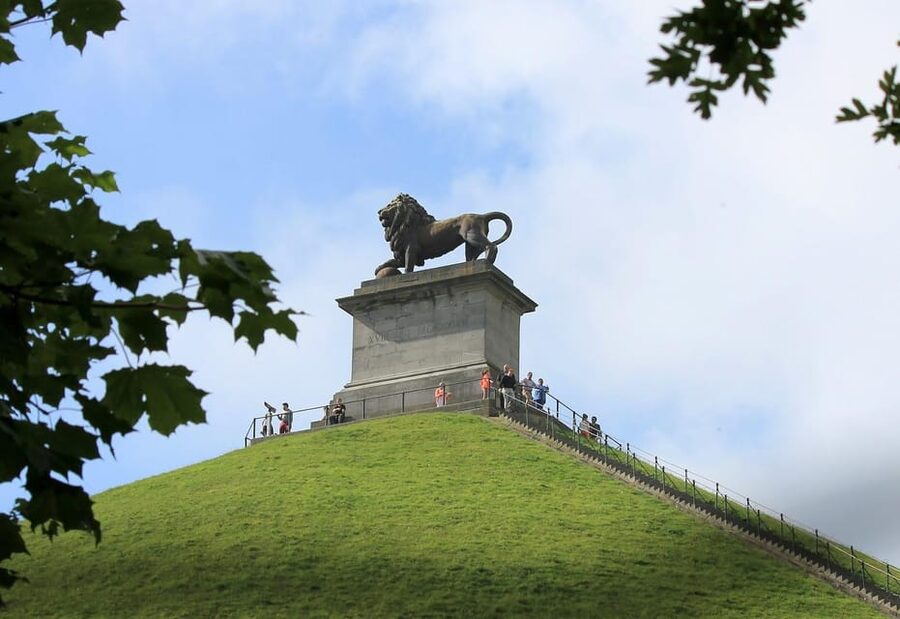
- Waterloo battlefield and Lion’s Hill: the story ends where the Dutch built their victory site
- Hougoumont: why that side stop can be a real unlock
- Weather matters on June 18, 1815
- Lunch in Wallonia: plan for one hour, and budget for food
- Price and value: what you’re really paying for at this $764 level
- Simple value check for you
- Who this Napoleon battlefield day suits best
- Should you book this tour?
- FAQ
- Where does the tour start and where does it end?
- How long is the tour?
- Which battlefields are included?
- What languages is the live guide available in?
- What’s included in the price, and what’s not?
- Is there a lunch stop, and for how long?
- What should I bring for this day on the battlefield?
Key takeaways before you go
- Three battlefields, one tight loop that tracks Napoleon’s last moves in a logical order.
- Lion’s Hill and the Dutch memorial focus gives the story a clear ending, not just a dramatic stop at the main monument.
- Hougoumont prep: there’s a free video on site, and it can be the fastest way to get your bearings.
- Guide quality matters on a private day, and the best guides bring the geography and timing into focus quickly.
- Lunch is flexible by necessity since the meal stop is on a one-hour window and the first choice can be busy.
More of the Waterloo battlefield:
- Napoleon Last Campaign (Waterloo, Ligny..) Day Tour from Brussels
★ 4.5 · 10 reviews - Waterloo Private Battlegrounds Tour with Lion Hill
★ 4.5 · 9 reviews - From Brussels : Napoleon’s Last Battle of Waterloo Tour
★ 3.7 · 5 reviews - Napoleon’s Waterloo Battlefield Private Guided Tour from Brussels
★ 3.5 · 3 reviews - “From Brussels: Waterloo Battlefield History Private Tour
★ 4.8 · 2 reviews
Brussels to Wallonia, in one smooth half-day plan
This is a private group tour built for convenience. You get pickup from your Brussels hotel (and surrounding areas) and the guide and driver meet you in the accommodation lobby about 10 minutes before pickup time. Then it’s straight to Wallonia for the campaign loop.
The day is scheduled for 6 hours total, and that time includes travel, guided stops, and a 1-hour lunch break. Tours like this are great if you want big historical payback without spending your day on trains, buses, and ticket lines.
One more practical point: you’ll want comfortable shoes. The routes at battle sites are often on grass, compact paths, and uneven ground. And since you’re outside for several stops, weather-appropriate clothing is not optional.
You’ll also benefit from knowing the tour runs with a live guide in French or English. If your history brain likes asking questions, this is the kind of setting where your questions can meaningfully change what you notice next.
Ligny battlefield: Napoleon’s last victory, seen on the ground
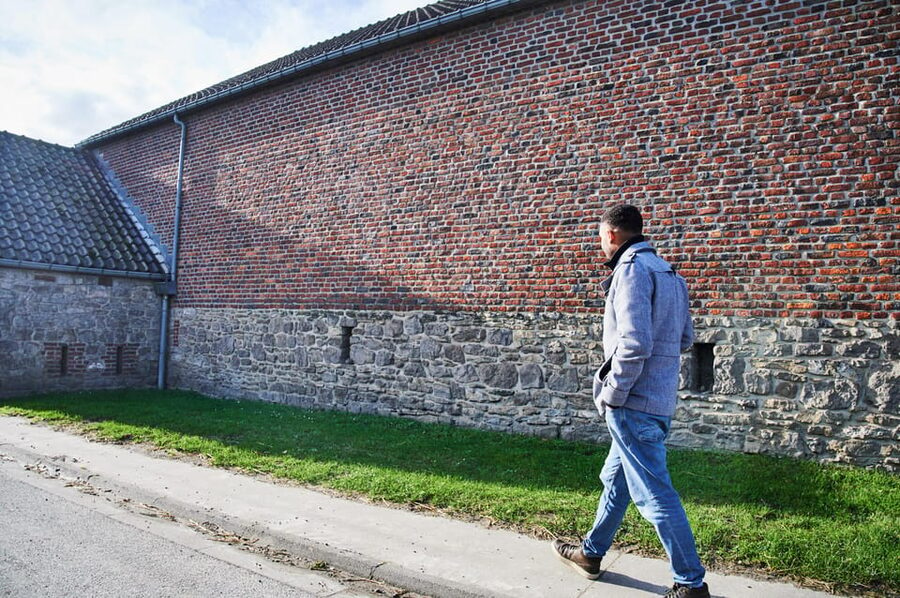
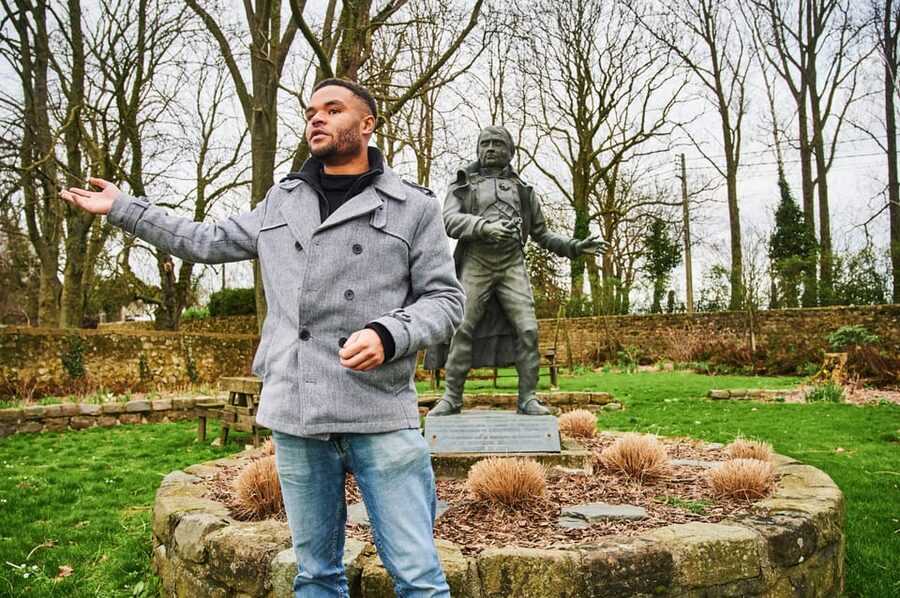
Ligny is the first guided stop, with about 45 minutes on site. The tone here is different from what most people expect from Waterloo day. Instead of starting with the defeat, you start with the momentum, where Napoleon fought and achieved what would be his last victory in Belgium.
What makes Ligny click for me is that you’re not just hearing names. You’re learning how the ground shaped movement and decisions. In one of the strongest guide-led versions of this tour, the explanation links the terrain to what commanders could realistically do in the hours of battle.
There’s also a sobering detail that helps you feel the stakes: one guide’s framing included the heavy losses, with around 20,000 Prussians reported lost at Ligny. Even if those numbers don’t instantly make sense at first glance, having them tied to a specific place helps your mental map stay anchored.
If you tend to remember history best through “because of the hill, because of the road,” Ligny is where your day starts working.
Time note: 45 minutes is solid, but it’s not a long wander. If you’re a total battlefield nerd, go prepared with a couple of questions you want answered, like where key lines were likely positioned or what the terrain forced.
Quatre-Bras: the crossroads fight that set Waterloo in motion
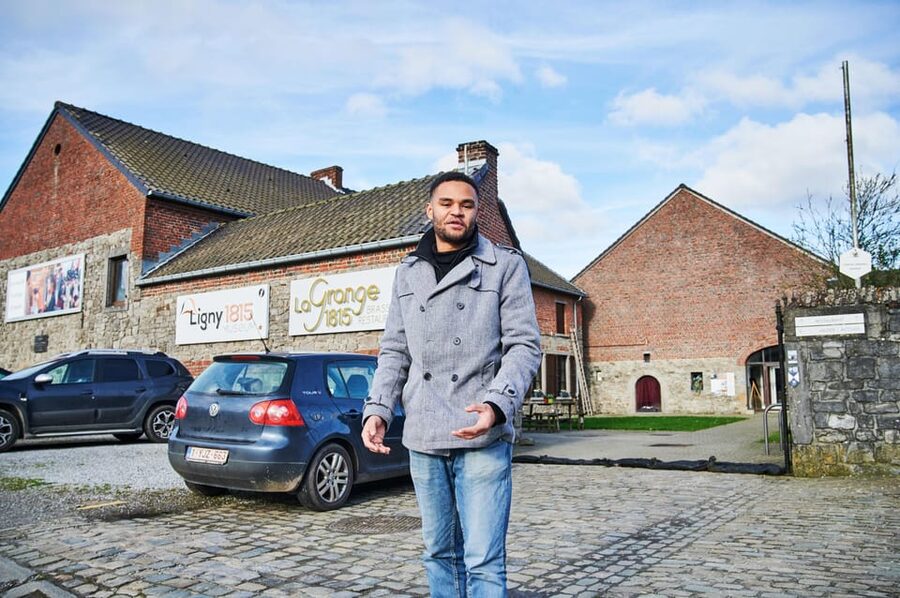
Next you go to Quatre-Bras for about 30 minutes guided. Quatre-Bras is often discussed as part of the larger Waterloo story, not as a standalone blockbuster site. That’s exactly why this stop is valuable.
A short stop can still be meaningful when your guide helps you understand what the crossroads meant. Here’s the key idea: battles in 1815 were not neat, isolated events. They were connected by timing, roads, and the ability to reinforce. Quatre-Bras is where the French and British clash enters your mental timeline as a problem to solve, not just a footnote.
You might find the most useful part of this stop is learning how to read the terrain quickly. In a private tour format, you can ask the guide to point out what they want you to notice, like vantage points, lines of movement, and how the ground “bends” the story.
Time note again: 30 minutes sounds short because it is. So treat this stop as a guided orientation. It sets up what you’ll experience more deeply later at Waterloo and Lion’s Hill.
Waterloo battlefield and Lion’s Hill: the story ends where the Dutch built their victory site
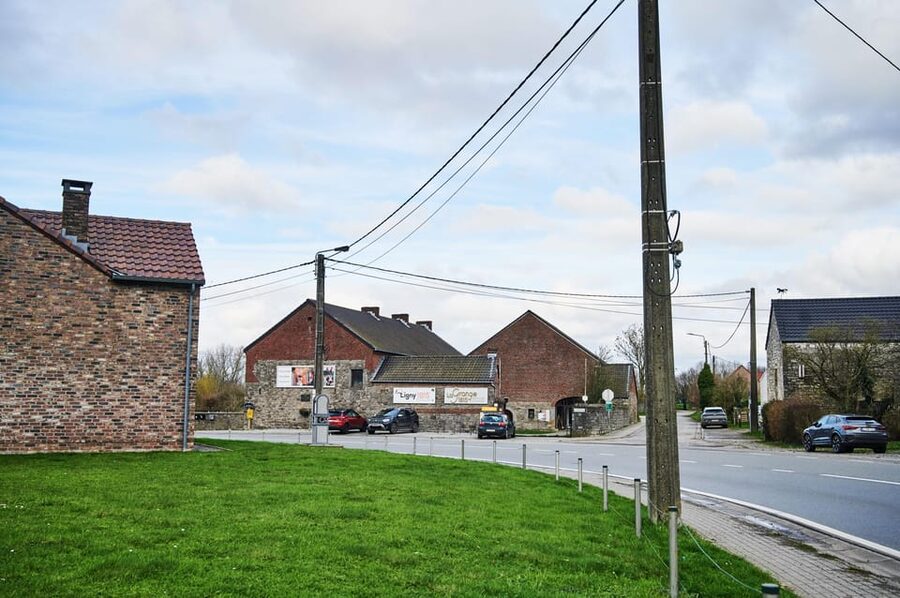
The biggest chunk of the day is Waterloo, with about 2 hours and 8 minutes of guided time. This is where you get the core narrative, starting from where Napoleon’s army clashed with the British and Prussian forces and ending at the Lion’s Hill area and the Waterloo Memorial.
Two things help this stop land. First, you get the geography tied to the fight, not just a sequence of dates. Second, you finish with the Dutch-built victory site, which shifts the viewpoint from a single-hero story to a larger political and military outcome.
One detail worth paying attention to is that the Lion’s Hill area includes a story about a Dutch prince who was wounded there. If you’re expecting Waterloo to be purely about Napoleon, this ending nudges you into a broader, more human scale of consequences.
A few more Brussels afternoons to weigh up

Hougoumont: why that side stop can be a real unlock
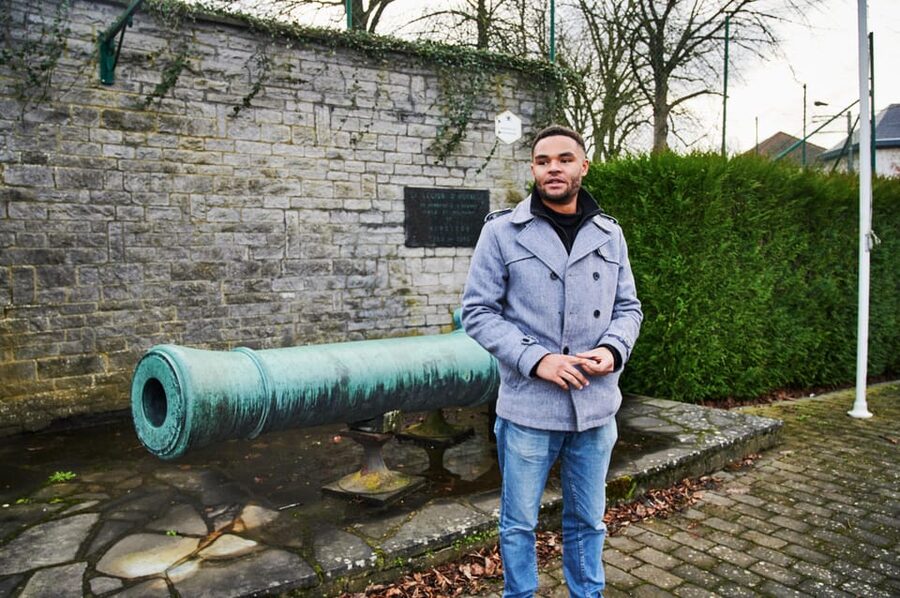
Hougoumont is one of the places where Waterloo history has a reputation for obsession. In a less-perfect experience of this tour, the most informative moment for one guest was a free video at Hougoumont. That’s a great tip for you, even if your guide is excellent.
So if you arrive at Hougoumont and there’s a chance to watch that free video, do it early or as soon as your guide suggests it. It can help you get your bearings fast, so the rest of the ground explanations make more sense.
Weather matters on June 18, 1815
A good guide will also connect the battle to conditions on the day. One of the explanations I liked from a strong guide performance referenced that a volcano erupted about two months earlier, which contributed to torrential rain during the campaign period. If you understand that the weather turned the battle conditions into something harsher, you’ll read the battlefield choices differently.
This is where the guide earns their fee. If they help you picture time, terrain, and conditions together, Waterloo becomes less like a static photo and more like a set of urgent decisions.
Lunch in Wallonia: plan for one hour, and budget for food
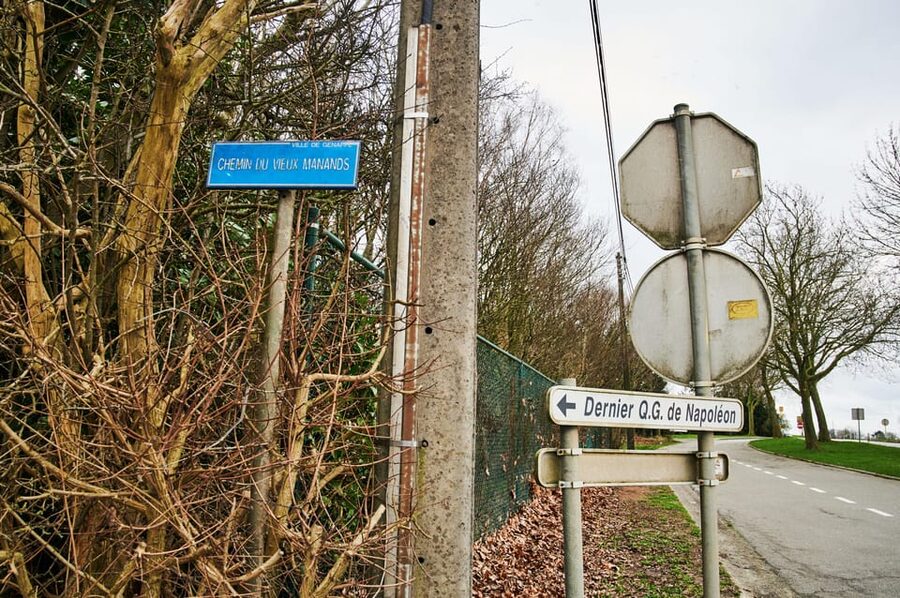
You’ll have a 1-hour stop at a local restaurant for lunch. The food is not included in the tour price, so budget for a meal on top of what you pay for the tour.
The day includes drinks during the tour, which helps a bit, but it doesn’t replace an actual lunch.
Here’s the practical caution: one experience of this tour included a lunch interruption when the first restaurant stop was full, forcing an alternative. You can’t control that, but you can control how you prepare. Keep your expectations flexible. If you’re hungry, eat before you’re picked up or keep your lunch request simple and fast.
Also, since you’re in a private tour and not a crowded bus system, you can often ask the guide what kind of food will be easiest in the time you have. In most cases, that keeps the day from feeling like it’s running on an empty tank.
Price and value: what you’re really paying for at this $764 level
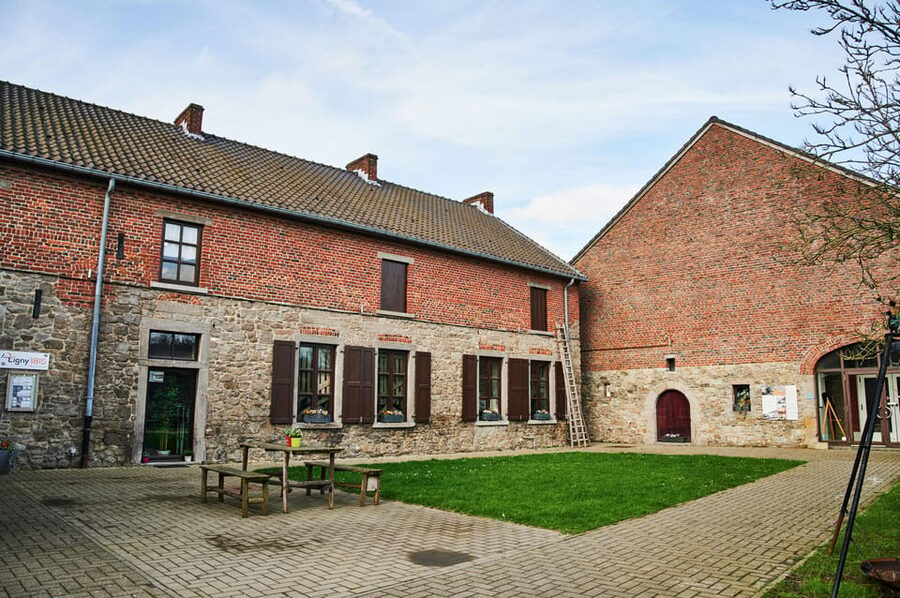
At $764 per person for a 6-hour private tour, this is not a bargain. The value comes from what’s bundled: private transportation, a private guide, drinks, souvenirs, and fees, plus the guided time across multiple major sites.
That bundle matters because the “big three” of Napoleon’s last campaign are far enough from Brussels that doing this efficiently on your own can be a hassle. The tour also avoids the common problem of spending your time figuring out logistics instead of understanding what you’re seeing.
But you should be honest about where the risk is. This experience can be excellent when the guide explains the geography and the timing with confidence. One positive guide-led version highlighted how Jeremie tied the campaign together with clear descriptions of what happened where, and how the driver and guide ensured you hit the key venues. Another strong guide version, led by Eric, focused on topography and connecting chronology to the weather and conditions.
On the flip side, one negative experience pointed to thin explanation at the stops and felt like the day delivered less depth than the price suggests. That tells you something important as a buyer: if you care about detailed storytelling at each battlefield point, you should plan to ask questions early and during the drive.
Simple value check for you
This tour tends to be worth it if:
- You want a structured route that covers Ligny, Quatre-Bras, and Waterloo in one day.
- You like having a guide connect terrain, timing, and outcomes.
- You prefer private comfort over sorting out group transport.
It may feel overpriced if:
- You want long stays at each site.
- You rely on interpretation more than on the sites themselves.
- You usually learn best without a guide nudging your attention.
Who this Napoleon battlefield day suits best
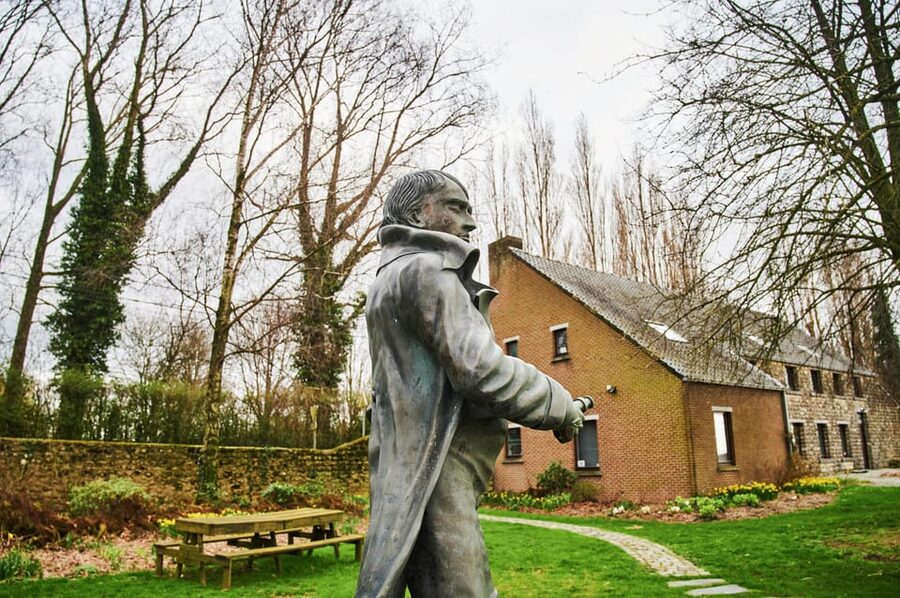
This is a strong pick if you’re the type of person who likes having a plan and then letting the ground teach you the details. The “private guide, private transport” format is especially helpful at Waterloo, where the battlefield can feel big and confusing if you don’t have a narrative thread.
It’s also a smart choice if you’re short on time in Belgium. A full day around Waterloo on your own can eat time, and you may end up bouncing between viewpoints. Here, the schedule pushes you through the key areas, and the finish at Lion’s Hill gives closure to the story.
If you’re traveling as a small group, a private setup usually feels more efficient than joining a larger tour. And because the guide speaks English and French, you’re more likely to get a clear explanation no matter your language comfort.
Should you book this tour?
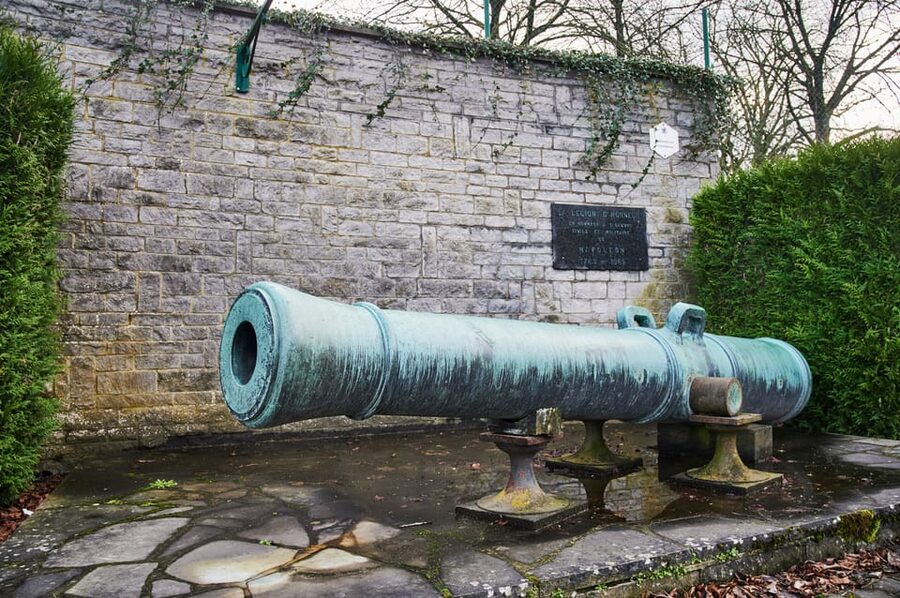
I’d book it if you want a focused, time-friendly way to see Napoleon’s last campaign in Belgium, and you care about understanding why each battlefield mattered. The best part is the combination of multiple sites plus the Waterloo ending at Lion’s Hill, where you get a fuller picture than you get from just the most famous monument.
I would hesitate if you’re the kind of traveler who needs lots of minutes per site to read, reflect, and slowly absorb. This tour is built for a 6-hour sweep, with guided segments like 45 minutes at Ligny and 30 minutes at Quatre-Bras. You’ll leave knowing the big picture, but you may still want extra time to explore on your own.
One last practical nudge: bring your curiosity. Ask questions about how the ground influenced choices, and use that Hougoumont video moment if it’s available. That’s how you turn a scheduled route into a day that stays with you.
FAQ
Where does the tour start and where does it end?
Pickup starts in Brussels (and surrounding areas) from your hotel area. You end back in Brussels (or the surrounding area) after the battlefield visits and the lunch stop.
How long is the tour?
The tour runs for 6 hours total.
Which battlefields are included?
The tour includes guided visits to Ligny, Quatre-Bras, and Waterloo. It also includes the Lion’s Hill and the Waterloo Memorial area.
What languages is the live guide available in?
The live tour guide speaks French and English.
What’s included in the price, and what’s not?
Included are private transportation, a private guide, drinks, souvenirs, and fees tied to the tour. Lunch food is not included.
Is there a lunch stop, and for how long?
Yes, there is a 1-hour lunch stop at a local restaurant. The tour does not include the cost of the meal.
What should I bring for this day on the battlefield?
Wear comfortable shoes and bring weather-appropriate clothing. The tour is outdoors for multiple stops.
Latest from Brussels






Waterloo Battlefield Trips, compared.
Napoleon Last Campaign (Waterloo, Ligny..) Day Tour from Brussels
Read our review →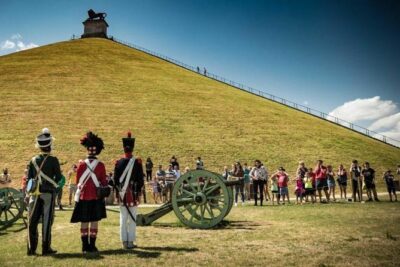
Waterloo Private Battlegrounds Tour with Lion Hill
Read our review →
Napoleon’s Waterloo Battlefield Private Guided Tour from Brussels
Read our review →
“From Brussels: Waterloo Battlefield History Private Tour
Read our review →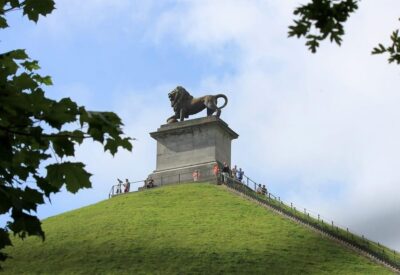
Browse the lists this tour appears in