
Reviewed · BASTOGNE & ARDENNES WAR TRIPS
From Brussels: Battle of the Bulge Day Trip
The Ardennes becomes real in one day. This Wallonia and Luxembourg Battle of the Bulge trip from Brussels turns the usual history lecture into named battlefield stops and clear storytelling. You’ll ride in all-comfort transportation and get a live guide in English or French as you move between Belgian and Luxembourg sites tied to the Offensive of the Ardennes.
I love how the route connects the big-picture turning point, the end of the American counter-offensive, with specific places you can point to on a map. I also like the hands-on feel of sites like Bois Jacques and the Schumannseck area, where you’re walking through the kind of wooded terrain where thousands of soldiers fought. The main drawback is simple: it’s a long 10-hour day with lots of walking and it is not a fit if you need a wheelchair-friendly route or if your doctor says you should avoid strenuous activity.
In This Review
- Key highlights worth your attention
- Why this Battle of the Bulge trip works better than a drive-by tour
- From Brussels to Bois Jacques, where Band of Brothers finds the real woods
- Mardasson Memorial and the Battle of the Bulge Museum, where the story has layers
- Into Luxembourg at Schumannseck, a forest battle you can read with your feet
- Chaumont’s quarry walk, foxholes and German fortifications in plain view
- Bastogne stops, from MacAuliffe Square to Patton monument and the Barracks
- Patton Museum vs. War Rooms time, how to choose without stress
- Lunch at a Belgian fries spot, a real reset in the middle of the day
- The 10-hour schedule, what to plan for so you enjoy it more
- Price and value at about $964 per person, when it feels worth it
- Should you book this Battle of the Bulge day trip from Brussels?
- FAQ
- How long is the Battle of the Bulge day trip from Brussels?
- Where does pickup happen?
- What languages are the live tours offered in?
- Is lunch included in the price?
- What is included for museum access?
- Is this tour suitable for children?
- Is it wheelchair accessible?
Key highlights worth your attention
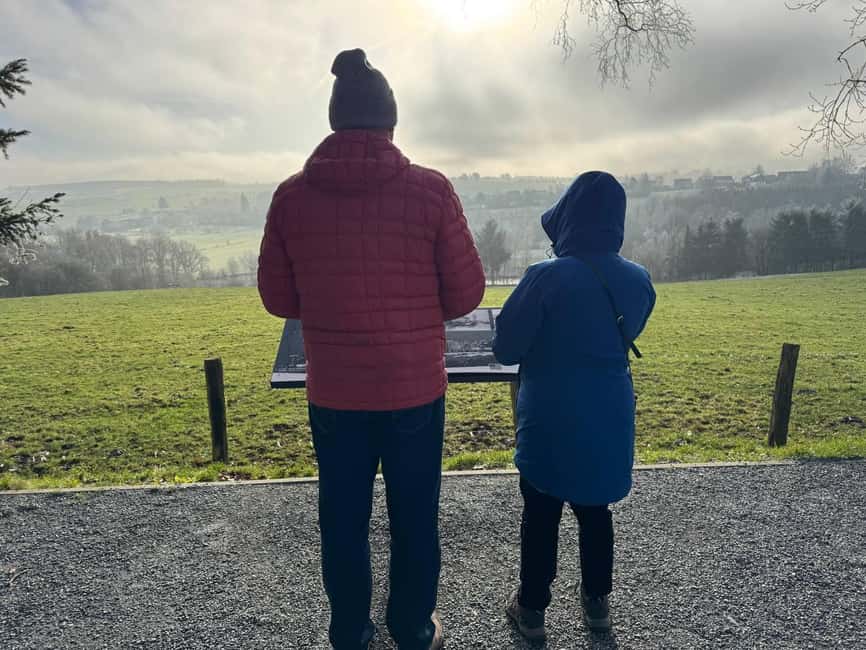
- Bois Jacques, with a TV show link that helps you picture what soldiers faced in the foxholes
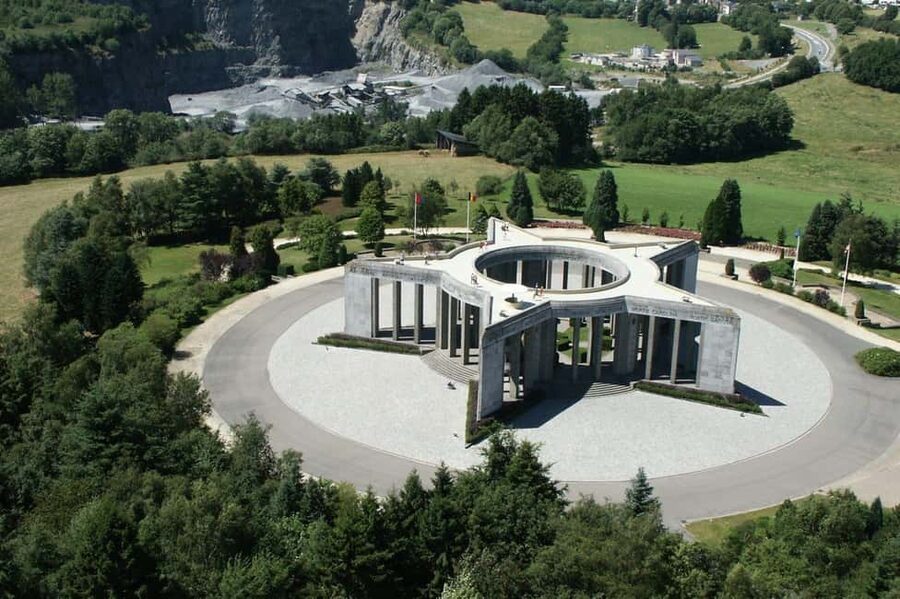
- Mardasson Memorial where the guide brings you to the memorial crypt and its mosaic niches
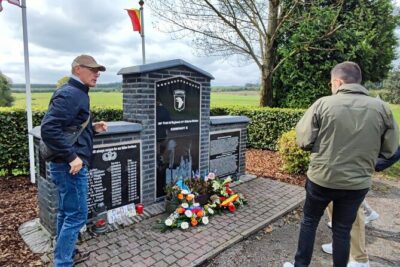
- Schumannseck Memorial and the Luxembourg forest fight tied to the deadliest action on Luxembourg soil
- Chaumont’s quarry terrain with American foxholes and German fortifications you can actually see
- Bastogne focus on Patton and MacAuliffe at MacAuliffe Square, Patton monument, and the Bastogne Barracks
- A planned fries lunch stop at a traditional Belgian spot, like Wagon Leo (meals not included)
More of the Ardennes and Bastogne:
- The Battle of the Bulge Experience – A day tour from Brussels
★ 5.0 · 29 reviews - Bastogne: Battle of the Bulge Battlefield – 2 Day Tour
★ 5.0 · 1 review - Remembrance Tour: The Battle of the Bulge in the Ardennes
★ 5.0 · 51 reviews - From Brussels: The Battle of the Bulge Remembrance Tour
★ 4.8 · 37 reviews - Bastogne Battle of the Bulge from Brussels (semi-private)
★ 4.5 · 26 reviews
Why this Battle of the Bulge trip works better than a drive-by tour
When you visit the Battle of the Bulge sites on your own, you can end up reading plaques and hoping the story clicks. This tour is different because you get a live guide who keeps pulling the timeline into place as you move from Belgium into Luxembourg and back again.
The payoff is that you come away with a clear mental map of what happened: the German offensive pressure in the Ardennes, the frantic period around Bastogne, and the moment when the American counter-offensive hit a wall. It’s not just “what is a monument.” It’s why that exact spot mattered.
And yes, the scenery helps. It is practical, not movie magic. You’re in wooded areas and historical terrain that make you understand why visibility, cover, and movement mattered so much.
From Brussels to Bois Jacques, where Band of Brothers finds the real woods
You start with pickup in Brussels, and the guide meets you in the lobby about five minutes before the scheduled time. Then the day begins with the drive into Wallonia toward Bois Jacques.
Bois Jacques is one of those stops that benefits from context. It is mentioned in the TV series Band of Brothers, and that matters because it gives your brain a visual hook when you stand in the landscape. On cold days, the place can feel even more like what old footage suggests: a tense stillness, the kind that makes soldiers huddle and stay low.
The guide’s job here is not to pile on facts, but to connect you to what you’re seeing. Why the terrain shaped movement. Why the battle lines shifted. Why small distances mattered in thick woods.
What to watch for: this stop is guided for about 30 minutes, so don’t come with the expectation of slow wandering. Come ready to listen, then look, then ask one good question if your guide invites it.
Who this stop suits: if you like battlefield history that links storytelling to geography, Bois Jacques is a strong first anchor for the day.
Mardasson Memorial and the Battle of the Bulge Museum, where the story has layers
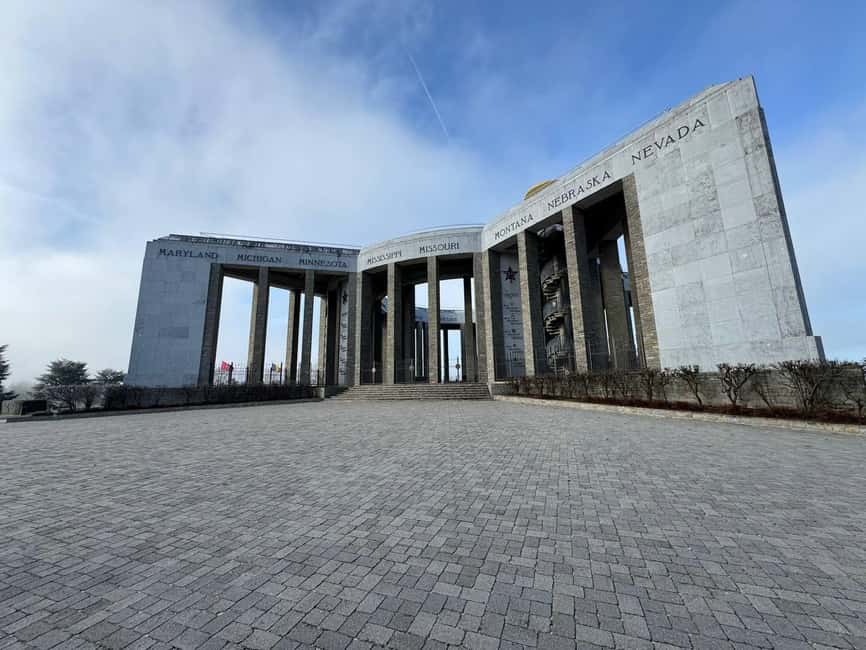
Next comes the Mardasson Memorial and its Battle of the Bulge museum setting. Expect about another 30 minutes with the guide, plus time for you to take in the panoramic viewpoint.
This is a “you feel it, then you understand it” kind of stop. From above, you can grasp why certain areas became choke points and why holding ground was never just symbolic. Down at the memorial, the tour gets more specific.
One of the best moments here is when the guide brings you into the memorial crypt area. In at least one run, the guide Gino made sure the group went down to see the three mosaic niches below. Those details are the kind you might miss if you just rush through the main level.
What I like about Mardasson is that it doesn’t force you to pick between emotion and explanation. It gives you both, and your guide helps translate the “why” behind what you see.
Possible consideration: this stop can be a bit intense if you’re not in the headspace for WWII memorial spaces. If you want a lighter day, pace yourself, take a breather, and use the next outdoor sites to reset.
Into Luxembourg at Schumannseck, a forest battle you can read with your feet
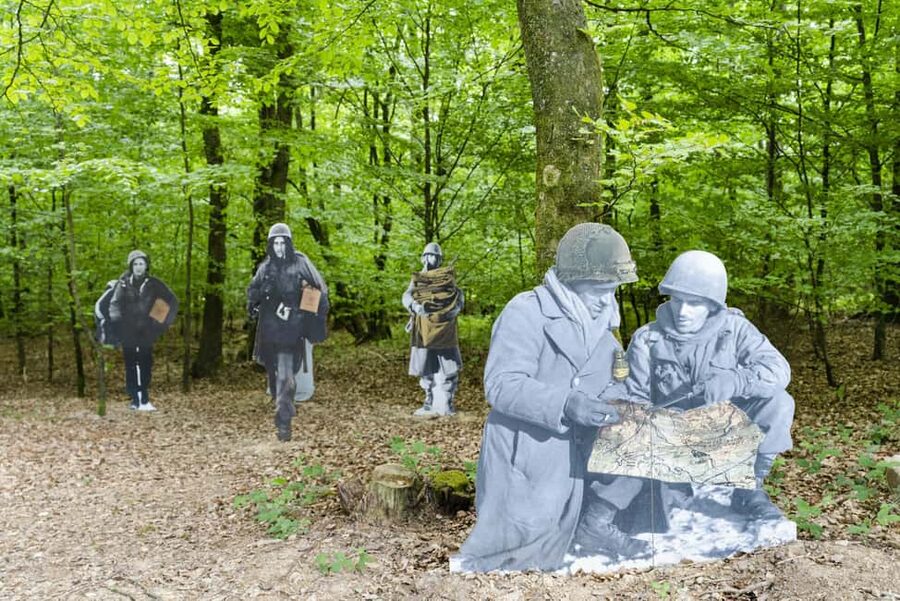
After Belgium, you move into Luxembourg territory, and Schumannseck Memorial is where the story sharpens. This part is guided for about 30 minutes, and it is tied to the deadliest battle in Luxembourg territory.
Schumannseck matters because it reminds you that the fighting was not only “near the famous places.” This was local land, with local costs, and you’re now standing in a setting connected to a fight where several thousand American soldiers battled in the forest.
Your guide helps you notice the pattern: cover and concealment, movement under pressure, and how commanders tried to keep units working even when conditions fought back. The value here is clarity. You come to understand what kind of terrain creates confusion and fear, then how that confusion affects decisions.
What you’ll probably like most: the shift in landscape and perspective as you cross borders, and the way the guide keeps bringing you back to “what happened here” rather than turning it into a generic memorial visit.
What to keep in mind: wear warm clothing. Even if the sun is out, forest sites can feel cooler, and you will be standing outside.
A few more Wallonia afternoons to weigh up
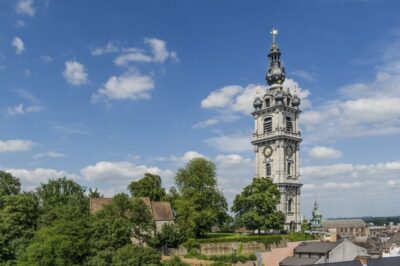
Chaumont’s quarry walk, foxholes and German fortifications in plain view
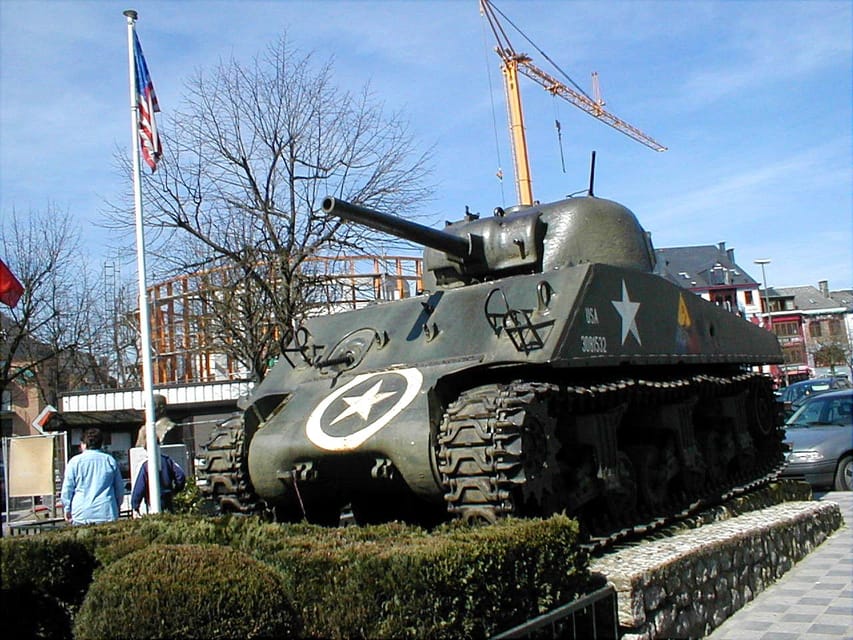
Chaumont is a highlight for a reason. About 30 minutes guided, then you walk through a setting connected to Patton’s offensive to help liberate Bastogne.
The distinctive thing at Chaumont is the quarry context. You’re walking among American foxholes and German fortifications in older rock-quarry ground. That combination, foxholes plus fortifications, helps you visualize the push-pull of attack and defense without relying on imagination alone.
In one account, a husband and daughter actually preferred Chaumont over Bois Jacques, which tells you something: not everyone reacts the same way to the different memorials. Chaumont can feel more “real-time” because you can see how the earth and structures shaped positions.
Practical tip: take photos, but also pause and look without your phone for a minute. In spots like this, a wide, steady glance helps your brain stitch together what the guide is saying.
Bastogne stops, from MacAuliffe Square to Patton monument and the Barracks
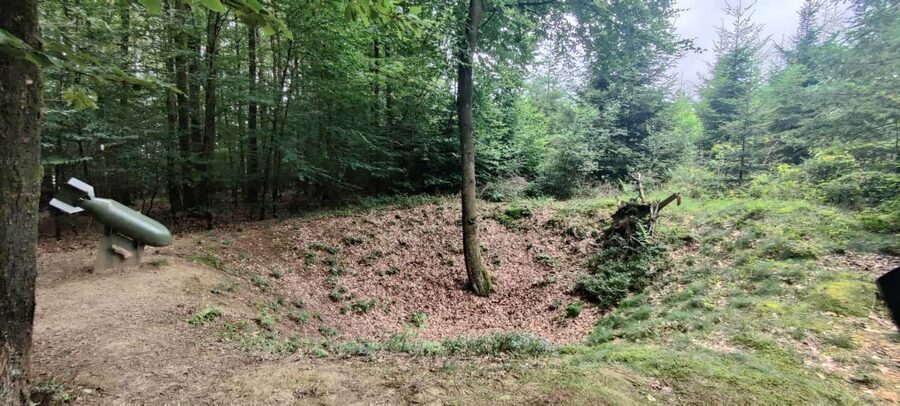
Then you reach Bastogne, and the tone shifts from “terrain story” to “named people and turning points.” Your guided time here is about two hours, and the visit is focused on several key areas: MacAuliffe Square, the Patton monument, and the Bastogne Barracks.
MacAuliffe Square is where the story becomes more personal. It’s a strong stop if you want the human side of WWII history explained in a way that connects decision-making to consequences.
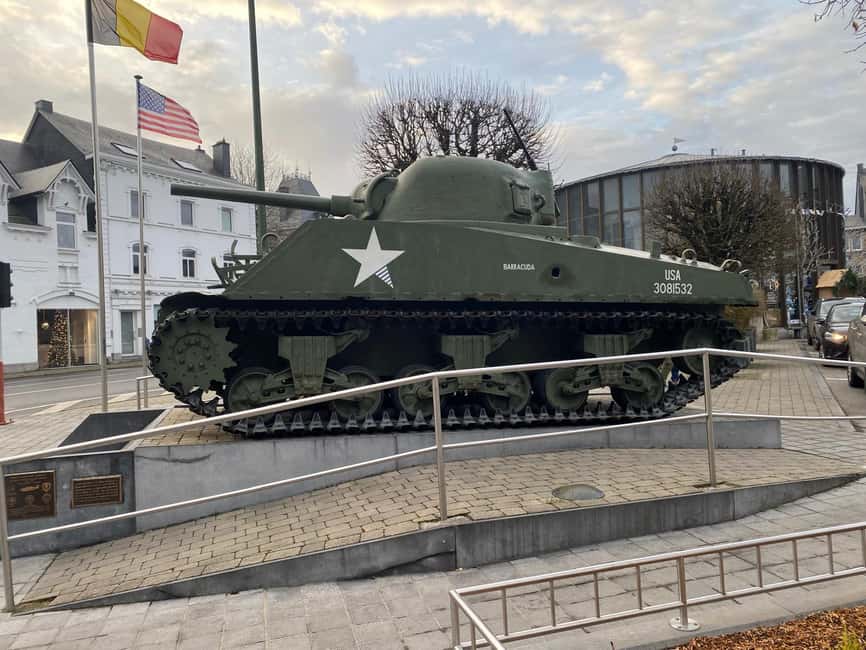
You also see the Patton monument, which helps you place the timeline in your head. This is part of why Bastogne is such an important node in the broader Ardennes story: Patton’s push toward liberation becomes more understandable when you have the geography and key stops in view.
At the Bastogne Barracks, you’ll hear about MacAuliffe’s legendary NUTS response. It’s one of those lines that became famous for a reason, and the setting makes it hit differently. It’s not just a quote for a textbook. It’s a moment tied to the stress of being surrounded and needing resolve.
Tour pacing note: the included time is two hours, and the complex contains multiple sights. If you’re someone who likes moving fast and seeing everything, you may feel a little tight on time. If you prefer deeper attention in fewer spots, you can focus on the areas that matter most to you.
Patton Museum vs. War Rooms time, how to choose without stress
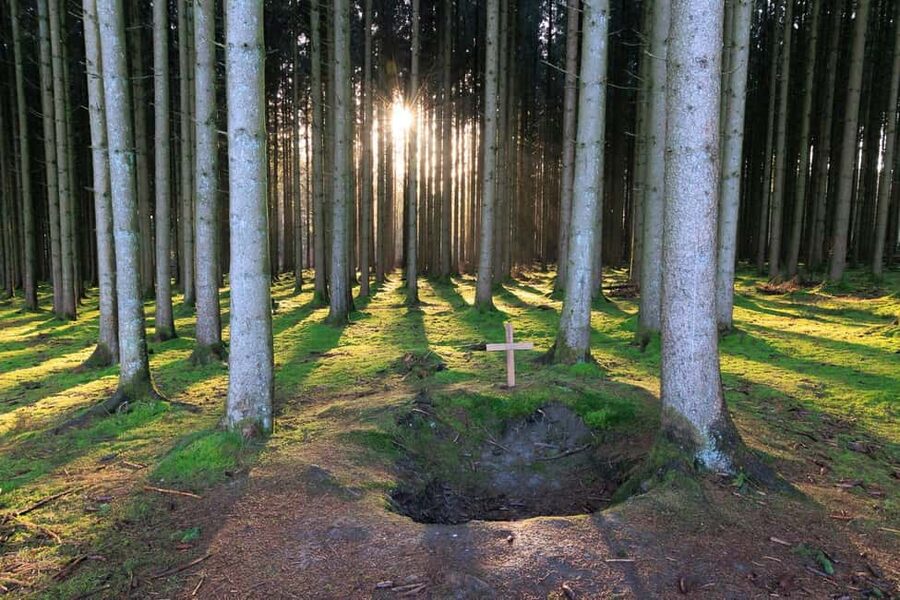
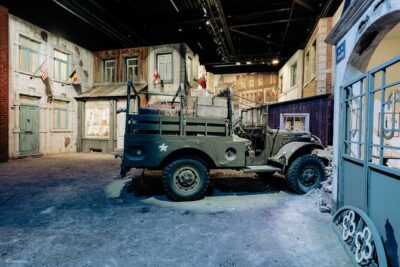
The tour includes entrance to the Patton Museum. You may also encounter additional WWII rooms and monuments as part of the Bastogne area visit, and your guide can help you decide what to prioritize inside the time window.
In at least one experience, the group skipped the Patton Museum and one other monument site to concentrate elsewhere in the War Rooms area. That makes sense, because museum time can either refresh you with detail or simply consume your energy if you’re already feeling the weight of the memorial stops.
Here’s the decision rule I’d use: if museums are your thing, commit to the Patton Museum. If you’d rather spend time in the operational settings tied to command and planning, focus on the War Rooms angle and keep the rest lighter.
Bottom line: you don’t need to see everything. Pick the type of WWII story you want most, then let the guide do the sorting.
Lunch at a Belgian fries spot, a real reset in the middle of the day
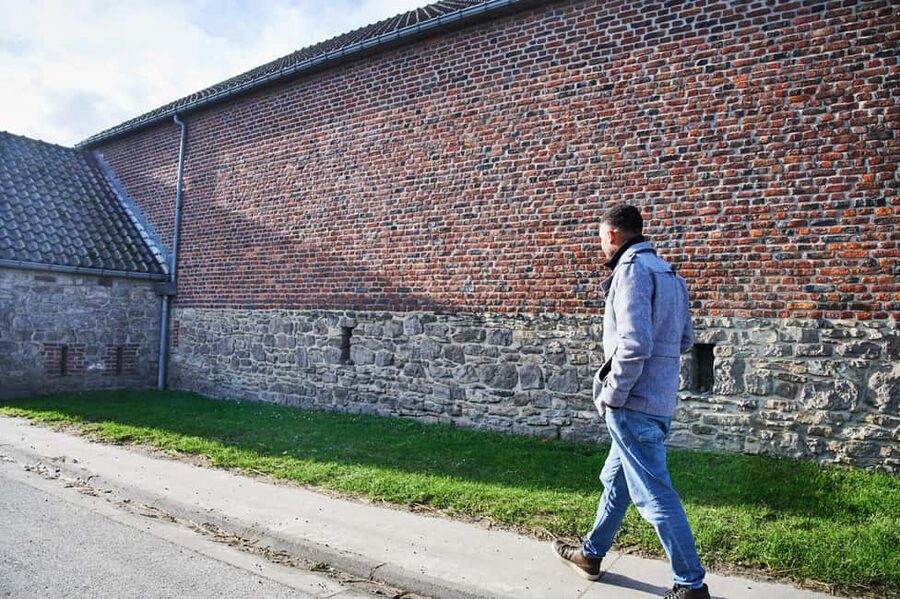
You get a lunch break, and it is planned as a traditional Belgian fries restaurant stop. The food is not included in the price, but this is still a practical element of the day because it prevents the usual “grab something on the run” problem.
A specific example from one run was lunch at Wagon Leo, described as delicious and very French/Belgian in spirit. Whether you land at the same place or a similar one, the value is that you can eat something familiar and quick, then get back to the sites.
Bring a bit of patience for the rhythm of the day. You’re touring monuments and walking terrain, so choose lunch that doesn’t slow you down. Keep it simple, drink water, and use the break to warm up if you’ve been outside.
The 10-hour schedule, what to plan for so you enjoy it more
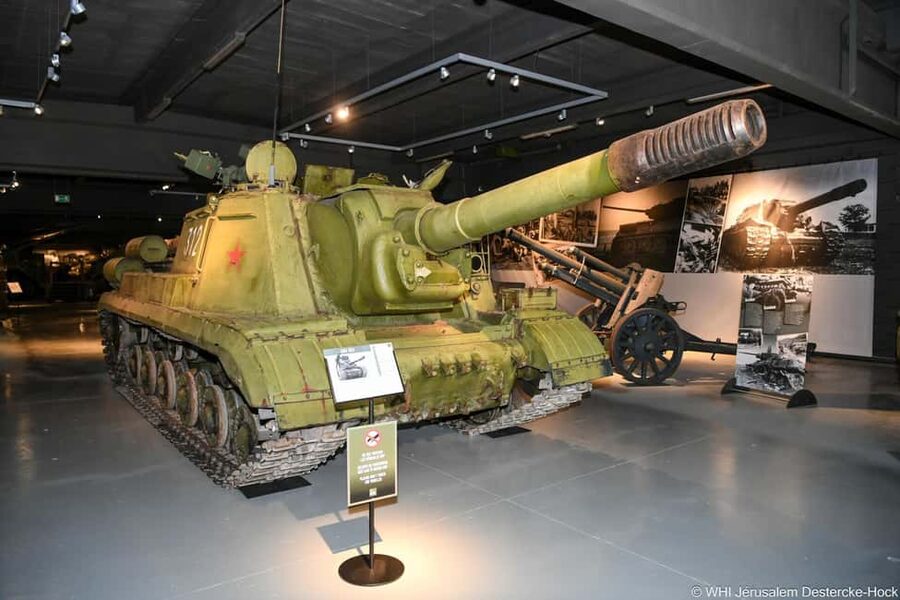
Ten hours from Brussels is long enough that your comfort choices matter. The tour includes transport by car, so you won’t be navigating trains or transfers on your own. Still, you’ll spend time outside and moving between sites.
From a comfort standpoint, the tour is best for people who can handle a steady pace. If you’re sensitive to cold, take warm clothing seriously. If you like to linger for photos, give yourself permission to pause, but don’t expect long detours beyond the guided structure.
Also note what you can bring. You’re asked to bring passport or ID, comfortable shoes, warm clothing, camera, snacks, and water. High heels are not allowed, and luggage or large bags are also not allowed, so keep it light.
If you have heart problems, it is not considered suitable. Children under 12 also fall outside the ideal range. This is a history and walking day, not a playground day.
Price and value at about $964 per person, when it feels worth it
At $964 per person, this isn’t a budget outing. The key question is: what are you buying?
You’re buying a private group experience with car transport, a live guide, entrance to the Patton Museum, guided visits to battlefields and monuments, and fresh drinks. That package can feel like good value if you care about interpretation, you want the guide to point out details like crypt mosaics, and you don’t want to spend your day piecing together logistics.
It may feel expensive if you’re the type who enjoys reading plaques at your own pace and you’re comfortable researching routes in advance. In that case, you could create a self-guided day with less cost.
But if your priority is a structured, English or French explanation that connects every stop to the same battle narrative, then the price starts making sense. You’re paying for time, transport, and the human glue that keeps the story coherent.
Should you book this Battle of the Bulge day trip from Brussels?
Book it if you want the Battle of the Bulge story in the locations where it actually unfolded, with a guide who helps you see the meaning behind what you’re standing in front of. I’d also recommend it if you like WWII history that follows a timeline and connects the people, like Patton and MacAuliffe, to the terrain.
I’d think twice if you’re traveling with kids under 12, need wheelchair access, or have heart conditions where a full day of walking is not advisable. I’d also reconsider if you hate cold weather and don’t plan to dress for it.
If you do book, treat the day like a battlefield walk with breaks, not a museum sprint. Wear solid shoes, bring water and snacks even if fresh drinks are included, and focus your photo taking on moments you can actually look at twice.
This is one of those tours where the “why it mattered” clicks faster than it would on your own, especially once you’ve seen Bois Jacques, the Mardasson Memorial crypt details, and then the foxhole terrain around Chaumont and Bastogne.
FAQ
How long is the Battle of the Bulge day trip from Brussels?
It lasts about 10 hours.
Where does pickup happen?
Pickup is included in Brussels. You should wait in the lobby of your accommodation about 5 minutes before the pick-up time.
What languages are the live tours offered in?
The live guide offers English and French.
Is lunch included in the price?
No. Lunch is a break at a traditional Belgian fries restaurant, but meals are not included.
What is included for museum access?
Entrance to the Patton Museum is included.
Is this tour suitable for children?
No, it is not suitable for children under 12.
Is it wheelchair accessible?
No. Wheelchair users are not suitable for this tour.
Latest from Wallonia




Bastogne & Ardennes War Trips, compared.
Remembrance Tour: The Battle of the Bulge in the Ardennes
Read our review →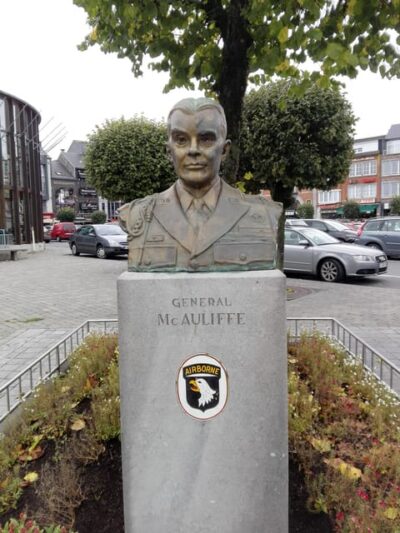
The Battle of the Bulge Experience – A day tour from Brussels
Read our review →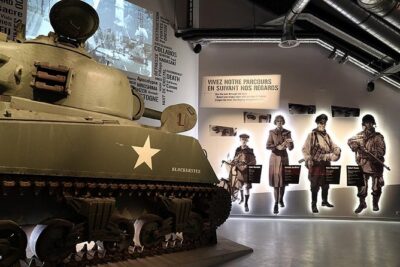
Bastogne Battle of the Bulge from Brussels (semi-private)
Read our review →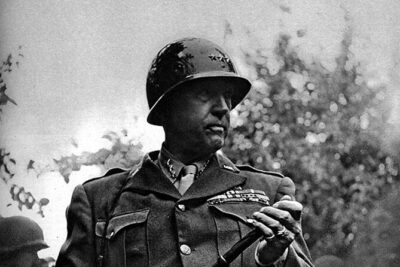
Patton’s Battle of the Bulge Day Trip (LUX+BE)
Read our review →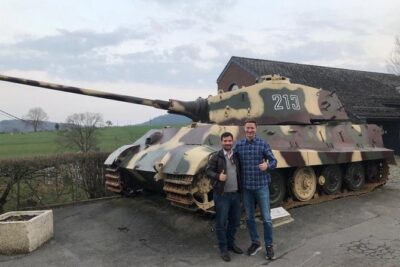
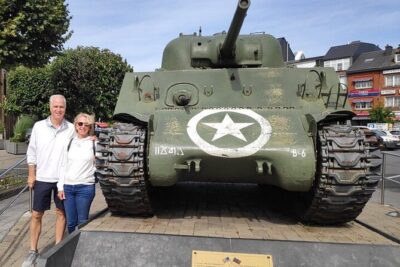
WWII Battle of the Bulge Private Guided Day Tour from Brussels
Read our review →
Bastogne: Battle of the Bulge Battlefield – 2 Day Tour
Read our review →Browse the lists this tour appears in