
Reviewed · BASTOGNE & ARDENNES WAR TRIPS
Bastogne: Battle of the Bulge Battlefield – 2 Day Tour
Hard to believe this happened so close.
This 2-day Bastogne battlefield tour in Wallonia, Belgium turns WWII into something you can point at, walk beside, and discuss with your guide. I especially love the up-close remains you’ll see, like visible vehicles and foxholes that show how Americans resisted under pressure. I also like that the route does not just stop at big names, it tracks specific actions and places along the way, from the American cemetery at Henri-Chapelle to the Fraiture Barracks area and then back toward Bastogne. One drawback to plan for: this is not kid-friendly, and it is not wheelchair accessible, so it works best if everyone in your group can manage comfortable walking and standing.
On day one, you’ll follow key parts of the wider campaign, including the route tied to Kampfgruppe Peiper, and you’ll end the day with another remnant at Grandmenil. The guide I met was Fredrick, and his style was very much about answering every question, not waving you off. If you prefer a purely museum-based experience, you might want to choose the optional Bastogne War Museum stop instead, because this tour is built around outdoors, monuments, and battlefield sites.
The best parts you will feel quickly are how concrete everything becomes, and how much you’ll understand when you connect the places to the fight. Bring comfortable shoes, expect a day focused on history and walking, and keep lunch plans flexible since meals are not included.
In This Review
- Key highlights to look for on this 2-day route
- Why Bastogne hits different when you’re walking the ground
- Day one: Henri-Chapelle, Peiper’s route, and the wartime mechanics of failure
- American cemetery of Henri-Chapelle, nearly 8,000 soldiers
- Following the Kampfgruppe Peiper route, including the Malmedy abuses link
- La Gleize and the tank that stayed behind
- Fraiture Barracks and Parker’s Crossroads resistance
- Grandmenil remnant to close the day
- Day two: Bastogne and the 101st Airborne story you’ll recognize
- Understanding the 101st Airborne resistance, not just the headline
- Optional Bastogne War Museum, when you want more depth
- What’s included, and what you’ll need to bring to make it work
- Private group value: why the price makes sense for small teams
- Who should book this Bastogne battlefield tour
- Final call: should you book it?
- FAQ
- What is the duration of the Bastogne Battle of the Bulge Battlefield tour?
- Where does the tour operate?
- What is the price and group size?
- What’s included in the tour?
- What is not included?
- What languages will the guide speak?
- Is the Bastogne War Museum included?
- What should I wear and bring?
- Is the tour suitable for children and wheelchair users?
- What is the cancellation policy?
Key highlights to look for on this 2-day route
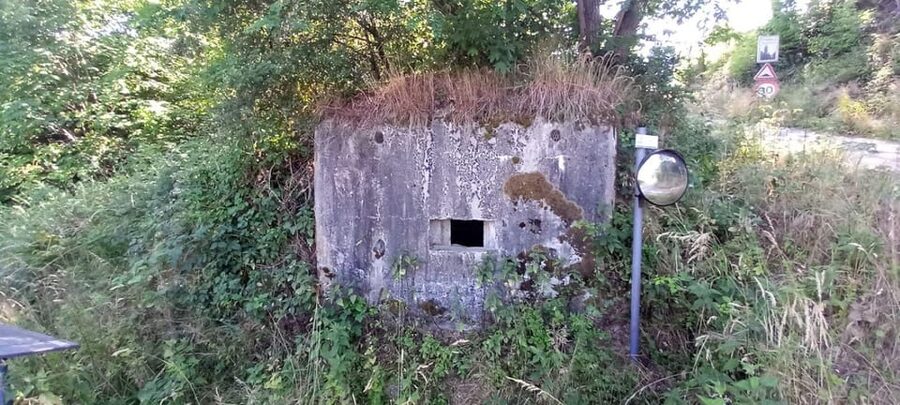
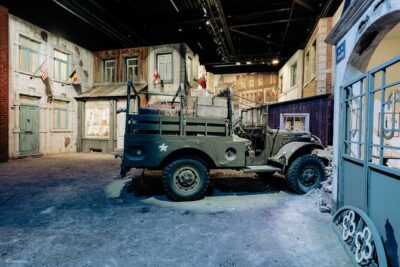
- Battle remains you can see in person, including tanks and other wartime vehicles
- American cemetery focus at Henri-Chapelle, where nearly 8,000 soldiers are buried
- Kampfgruppe Peiper context, including the infamous abuses linked to its route near Malmedy
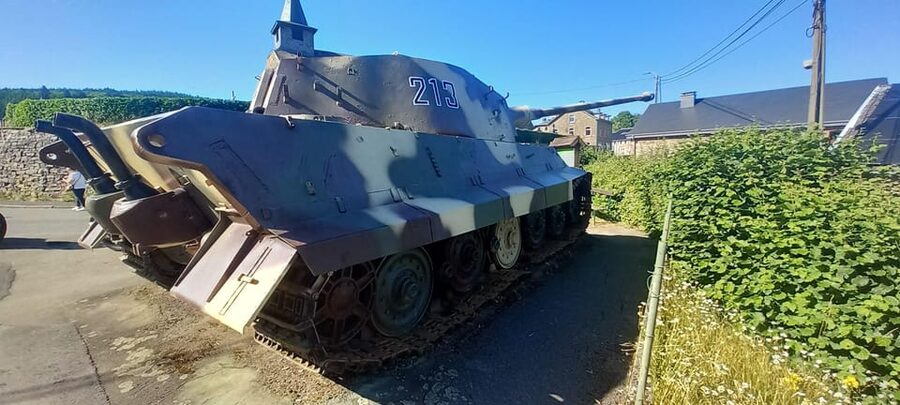
- Tank story at La Gleize, where tanks were abandoned for lack of fuel and one is still visible
- 101st Airborne and Easy Company context around Bastogne, tied to the Band of Brothers series
- Optional Bastogne War Museum if you want extra context beyond the outdoor stops
More of the Ardennes and Bastogne:
- The Battle of the Bulge Experience – A day tour from Brussels
★ 5.0 · 29 reviews - From Brussels: Battle of the Bulge Day Trip
★ 5.0 · 2 reviews - Remembrance Tour: The Battle of the Bulge in the Ardennes
★ 5.0 · 51 reviews - From Brussels: The Battle of the Bulge Remembrance Tour
★ 4.8 · 37 reviews - Bastogne Battle of the Bulge from Brussels (semi-private)
★ 4.5 · 26 reviews
Why Bastogne hits different when you’re walking the ground
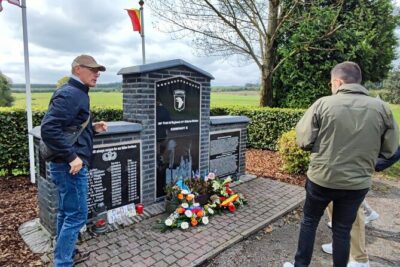
The Battle of the Bulge is often told as a clash of dates and divisions. What this tour does well is turn that into direction and distance. You do not just hear about the battle, you see the physical reminders, the marks in the ground, the monuments, and the military cemeteries that stay even after the noise stopped.
I like that it is not only about the American story, even though you spend meaningful time with it. The day one routing includes the Kampfgruppe Peiper trail, which helps you understand that the campaign moved through many towns and decisions, not one single dramatic moment. That context matters because it explains why so many places near Bastogne still feel linked together.
You should also know what kind of energy to expect. This is a history-focused, guided experience with stops that reward attention. If you are the type who asks questions, or you like piecing together how one place influenced the next, you’ll get a lot out of it. If you want a relaxed scenic tour with minimal walking, you may find the pace a bit intense.
Day one: Henri-Chapelle, Peiper’s route, and the wartime mechanics of failure
Day one is where you build the spine of the story. You start with the American cemetery of Henri-Chapelle, then you keep following the route of Kampfgruppe Peiper and the points where the German advance changed, slowed, or broke.
American cemetery of Henri-Chapelle, nearly 8,000 soldiers
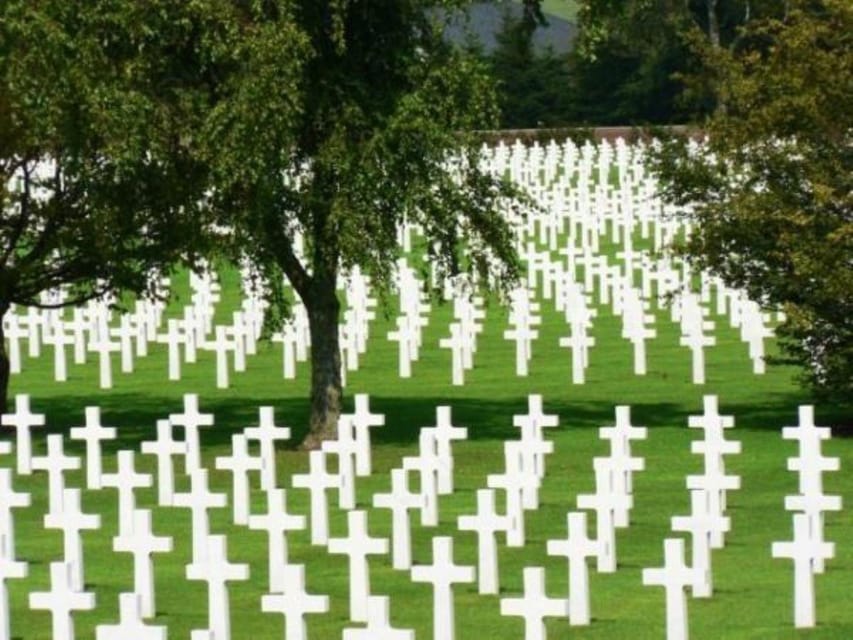
The American cemetery at Henri-Chapelle is an anchoring stop. It holds nearly 8,000 soldiers, and that number alone gives you a sense of scale before you even start looking around. Cemeteries like this do not ask for imagination. They give you names, rows, and a grounded way to process what you’re seeing on the battlefield sites later.
If you care about understanding the human cost, this stop is one of the most valuable parts of the two days. It also changes how you view later sites like foxholes and monuments. You’ll feel less like you are studying tactics and more like you are tracing consequences.
Following the Kampfgruppe Peiper route, including the Malmedy abuses link
After Henri-Chapelle, you continue along the route taken by Kampfgruppe Peiper, a unit infamous for abuses committed near Malmedy. That phrasing matters. It sets a moral and historical context so you do not treat the battle as only a contest of armies in uniforms.
This is not just a dramatic footnote. Knowing that background helps you understand why the history here is taught with care, and why certain stops carry extra weight beyond military geography. You will likely find that your guide’s explanations make the movement feel less abstract and more like a chain of choices with real outcomes.
A few more Wallonia afternoons to weigh up
La Gleize and the tank that stayed behind
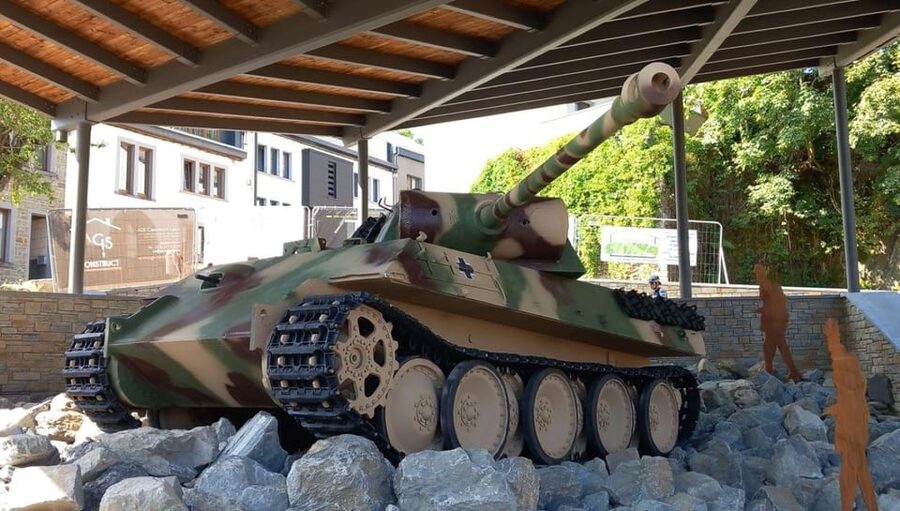
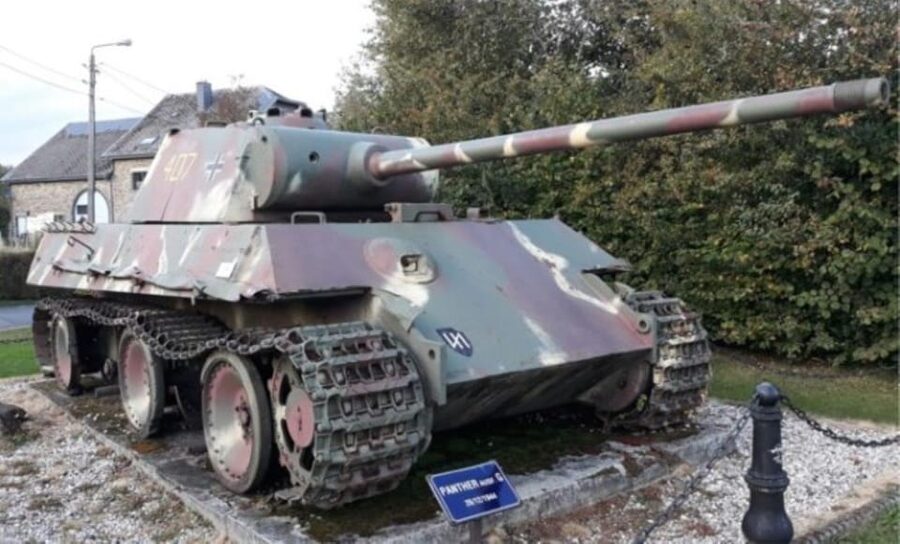
Next comes La Gleize, where one of the tanks is still visible. The tour connects this to a key moment in the German advance: tanks had to be abandoned for lack of fuel. That detail is the kind of practical battlefield reality that often gets lost when people focus only on big troop movements.
What you’ll get from seeing the tank remnant is a reminder that warfare runs on logistics. Fuel, time, roads, and supply all decide what can happen, even when leaders plan something bold. Standing near what’s left can make that lesson land fast, because it turns the word failure into something physical.
Fraiture Barracks and Parker’s Crossroads resistance
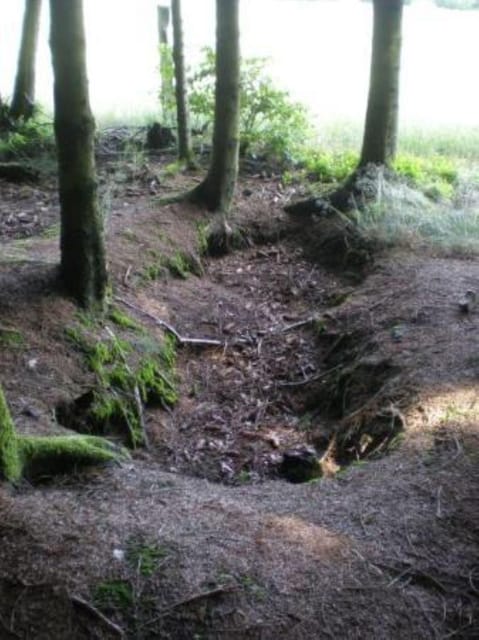
You then visit the Fraiture Barracks to discuss heroic acts by American troops aimed at slowing or halting the German advance near Parker’s Crossroads. This is where you start seeing how resistance worked, not just where it happened.
From a reader perspective, this stop is valuable because it gives you a framework for interpreting the sites you’ll see next. You’ll understand that resistance can be small-scale, tactical, and uneven, yet still matter in the bigger timeline. Your guide should tie these points together, so that when you reach Bastogne, you know what you are looking for.
Grandmenil remnant to close the day
Day one ends with a final stop in Grandmenil, where you can discover another remnant of the battle. Think of this as your last piece of the “how it unfolded” puzzle. By this point, you’ve already seen cemetery context, a controversial route tied to Kampfgruppe Peiper, and visible reminders like the tank.
That last remnant helps you keep the day connected. You do not finish with a random stop. You finish with something that continues the theme of physical survival, reminders, and how the terrain absorbed the conflict.
Day two: Bastogne and the 101st Airborne story you’ll recognize
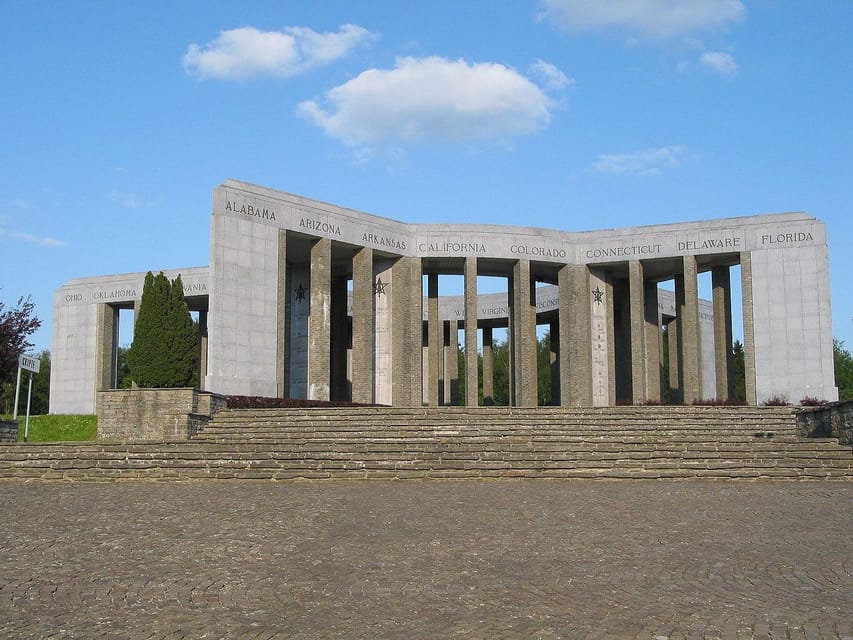
Day two shifts your focus tightly onto Bastogne and its surroundings. This is where you get the fierce resistance linked to the 101st American Airborne Division and Easy Company, made famous by the Band of Brothers series.
Even if you know the show, you’ll likely appreciate this more when you see the ground-level setting. TV scenes compress time. The tour expands time back out into geography. And that makes the story feel more human, less simplified.
Understanding the 101st Airborne resistance, not just the headline
This day is designed to show why Bastogne became such a symbol. The resistance of the 101st Airborne is discussed in the context of the battle around the town. You’ll connect the area’s layout to why certain approaches, delays, and defensive positions mattered.
I like the way this kind of focus prevents the story from turning into trivia. It pushes you to ask the practical question: why here, why then, and how did actions on the ground change what happened next?
Optional Bastogne War Museum, when you want more depth
There is an option to visit the Bastogne War Museum. If you choose this, it’s a smart move on a second day because museum time can give you the bigger picture behind what you walked through.
This is also useful if you learn best by switching formats. You get outdoor observation first, then indoor interpretation. Just remember that museum access is not included, so plan for extra museum fees if you add it.
What’s included, and what you’ll need to bring to make it work
This tour is set up for a private group and includes transportation from Bastogne, an English-speaking French tour guide, and bottled water for travelers. That matters because day one is multiple locations in the area, and you do not want to spend your energy on logistics.
What is not included are lunches and any extra fees as access to museums. You will also want to plan for souvenirs and personal expenses on your own. In plain terms: budget for food and anything you add at sites, especially if you pick the museum option.
For what to bring: wear comfortable shoes and comfortable clothes. This is not a “wear fancy boots and pose” situation. You’ll be walking and standing enough that foot comfort will affect your whole experience.
Private group value: why the price makes sense for small teams
The price listed is $1,590 per group, up to 4 people, for 2 days. That might sound high at first, until you think about what private battlefield guiding actually costs in time and effort.
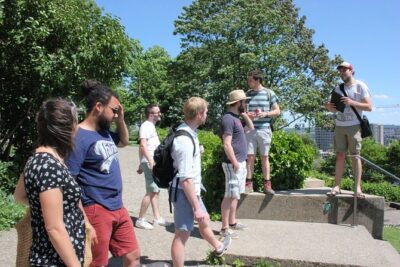
You are not sharing the guide with a large crowd. You have a chance to ask direct questions, and you can adjust your focus based on what you care about. That shows up in the tone of the experience: it is thorough, and the guide you meet should answer questions in a real back-and-forth way.
Also, your transportation is handled from Bastogne. When you are moving between cemeteries, monuments, foxholes, and remnant sites, private transport time is part of the value. You pay to save yourself the stress of stitching together rides while still trying to learn the story.
If you can split the cost with 3 travel companions, the per-person value improves quickly. If you are traveling solo, this is the kind of tour that may still be worth it for the guiding quality and for not having to manage day-to-day movement, but you’ll feel the price more.
Who should book this Bastogne battlefield tour
This tour is a great fit if you are:
- A history buff who likes details and context
- Traveling with someone who will enjoy asking questions (and reading monuments closely)
- Visiting Wallonia with a “learn while you walk” mindset
- Interested in the Battle of the Bulge story as a sequence of real places, not just a single museum
It is not suitable for children under 11 or wheelchair users. Also, if you want mostly indoor time, you may find the outdoor walking component more than you prefer, unless you add the optional museum time.
Your best move is to match your expectations. If you want to slow down and absorb the sites, this is exactly that kind of tour.
Final call: should you book it?
I’d book this tour if you want to understand the Battle of the Bulge through places, not just dates. The combination of the American cemetery at Henri-Chapelle, the Kampfgruppe Peiper route context near Malmedy, the visible tank remnant at La Gleize, and the Bastogne focus on the 101st Airborne makes the two days feel like one connected story.
Especially if you value a guide who answers questions thoughtfully, this experience is likely to feel worth the money. And if you like the Band of Brothers connection, day two adds a familiar thread you can place directly into real geography.
If you hate walking, dislike history discussions, or need full wheelchair accessibility, look for a different style of tour. But if you are ready for real sites and real context, this is one of the better ways to make Bastogne stick in your head for years.
FAQ
What is the duration of the Bastogne Battle of the Bulge Battlefield tour?
It is a 2-day tour.
Where does the tour operate?
It takes place in Wallonia, Belgium, with transportation provided from Bastogne.
What is the price and group size?
The price is $1,590 per group for up to 4 people. A larger group up to 7 people may be possible if you contact them first.
What’s included in the tour?
Included are transportation from Bastogne, an English-speaking French tour guide, and bottles of water for travelers.
What is not included?
Lunches and any extra fees for museum access are not included, plus souvenirs and personal expenses.
What languages will the guide speak?
The tour guide speaks English and French.
Is the Bastogne War Museum included?
Museum access is not included in general, but the tour offers an option to visit the Bastogne War Museum.
What should I wear and bring?
Bring comfortable shoes and comfortable clothes.
Is the tour suitable for children and wheelchair users?
It is not suitable for children under 11, and it is not suitable for wheelchair users.
What is the cancellation policy?
You can cancel up to 24 hours in advance for a full refund.
Latest from Wallonia






Bastogne & Ardennes War Trips, compared.
Remembrance Tour: The Battle of the Bulge in the Ardennes
Read our review →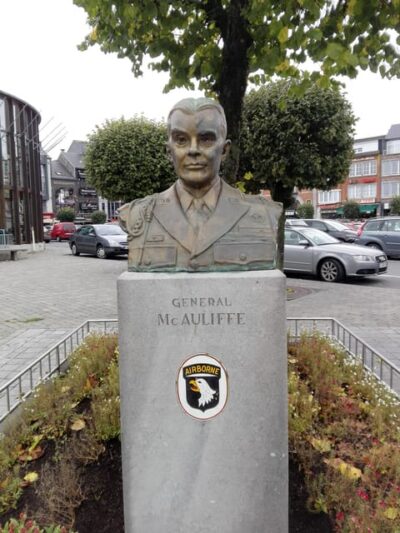
The Battle of the Bulge Experience – A day tour from Brussels
Read our review →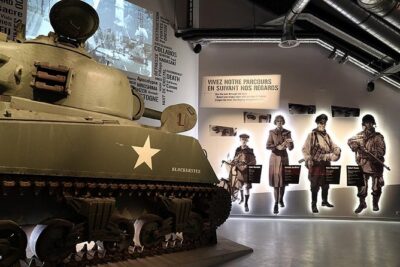
Bastogne Battle of the Bulge from Brussels (semi-private)
Read our review →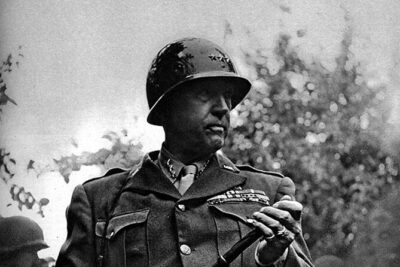
Patton’s Battle of the Bulge Day Trip (LUX+BE)
Read our review →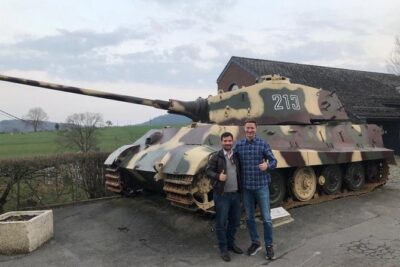
WWII Battle of the Bulge Private Guided Day Tour from Brussels
Read our review →
Browse the lists this tour appears in