Reviewed · BRUSSELS EXPERIENCES
Essential Brussels Tour
Brussels rewards quick walking. This essential lower-city tour strings together the big-name sights, plus the stories behind them, from Grand Place to the panoramic finish at Mont des Arts. You also get the Belgian angle on food and culture, including chocolate, French fries, and beer, without turning it into a museum marathon.
I especially like the practical mix of highlights that actually help you get your bearings fast. Grand Place anchors the whole experience, then Manneken Pis follows with a costume-focused story that makes the landmark feel less like a photo and more like a tradition. A second win is how the route connects history with everyday Belgian life, including the independence backstory, the importance of comics, and a stop in the Galeries Royales Saint-Hubert where chocolate lore takes center stage.
One consideration: with only about 2 hours 15 minutes, the pace stays brisk. You will see a lot of ground and hit major stops, but you might want more time to linger if you are the type who reads every plaque twice.
In This Review
- Key points at a glance
- Why this 2-hour 15-minute Brussels walk works
- Grand Place to Manneken Pis: the city’s two big symbols
- Place de la Bourse and the Church of San Nicolas
- Opera de La Monnaie and the independence story you will remember
- Galeries Royales Saint-Hubert: chocolate, architecture, and comics culture
- St. Michael and St. Gudula Cathedral: royal weddings and a classic feel
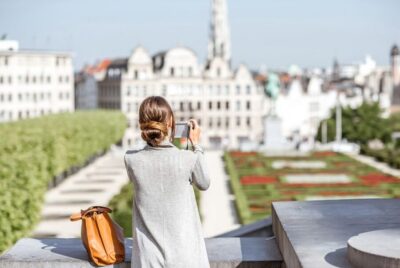
- Mont des Arts: ending with a panoramic payoff
- Price and logistics: value for your time
- Should you book? My call
- FAQ
- How long is the essential Brussels walking tour?
- What is the price per person?
- Is there an English speaking guide?
- Where does the tour start and end?
- Is the ticket mobile?
- What is the cancellation window?
Key points at a glance
- Grand Place start sets the tone with a fast, clear introduction to Brussels and Belgium
- Manneken Pis with costume stories turns a tiny statue into a cultural moment
- Galeries Royales Saint-Hubert connects architecture to Belgian chocolate history
- St. Michael and St. Gudula Cathedral adds a royal wedding connection and a classic cathedral feel
- Mont des Arts ends with a view that is ideal for photos and a last easy walk
A few more Brussels afternoons to weigh up
- Brussels: Atomium Entry Ticket with Design Museum Ticket
★ 4.4 · 9,254 reviews - From Brussels: Guided Day Trip to Bruges and Ghent
★ 4.6 · 8,353 reviews - From Brussels: Bruges & Ghent Day Tour – 2 Fairytale Cities
★ 4.7 · 8,242 reviews - Choco-Story Brussels: Chocolate Museum Entrance with Tasting
★ 4.3 · 4,883 reviews - Bruges and Ghent – Belgium’s Fairytale Cities – from Brussels
★ 4.0 · 4,809 reviews
Why this 2-hour 15-minute Brussels walk works
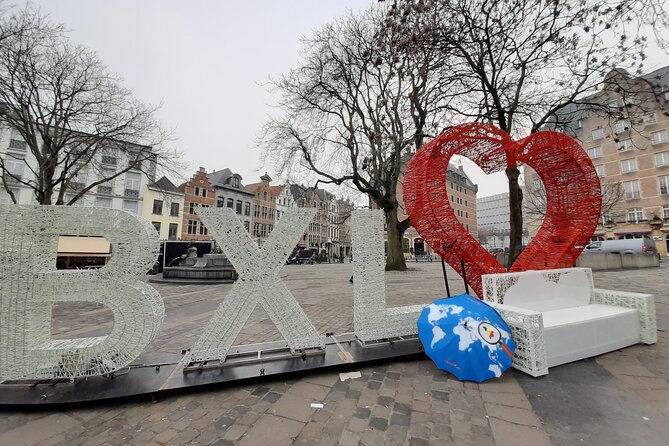
This tour is built for travelers who want the big hits without getting stuck planning. It stays in the lower part of Brussels and focuses on landmarks that most people travel for, but it also explains why they matter. That matters because Brussels can feel a bit scattered. This route gives you a straight line through the essential sights, so you finish with a mental map that helps for the rest of your trip.
Timing also makes a difference. At about 2 hours 15 minutes, you still have energy afterward to explore on your own. You are not trapped for half a day, and you are not forced into the “one stop at a time” luxury of a long guided day either. It is the sweet spot for a quick first visit.
And yes, the price is eye-catching. At $3.60 per person, you are getting an English speaking guide, a structured walk, and stop-by-stop context. The tour also lists free admission at each stop, which means you are not hit with surprise entry fees while you are already paying for the experience.
One more small plus: the max group size is up to 40. That usually keeps things friendly enough for questions, while still feeling like a real tour and not a private lecture.
Grand Place to Manneken Pis: the city’s two big symbols
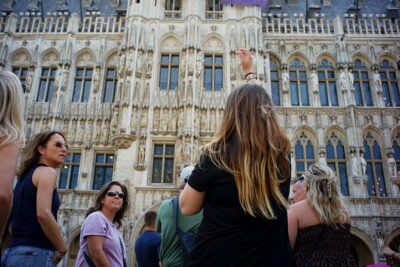
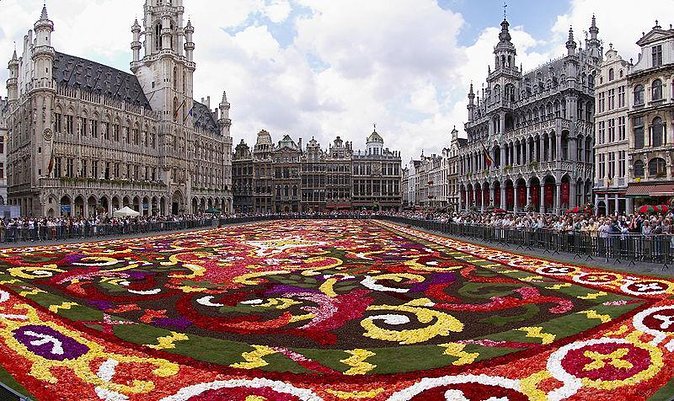
You begin at Grand Place, Grote Markt. This is the place that makes people stop mid-sentence. Even if you only know Brussels from a postcard, Grand Place gives you the real thing: a sense of scale, ornate buildings, and a square that feels like it has been the social center forever. The guide’s job here is to get you oriented, so the rest of the walk makes sense instead of feeling like a checklist.
After a short time at Grand Place, you head to Manneken Pis. This is the symbol of Brussels, but the best part is not the statue itself. It is the story around it, especially the tradition of costumes. When a guide explains how those costumes work and why they matter, the landmark shifts from a quick “seen it” stop into something more fun and memorable.
Practical tip: plan to take photos quickly here. Manneken Pis is small, and that means crowds can become an issue fast, especially if the weather is good. If you want the best shot, stand where the guide is pointing, listen for the costume detail, then do your photos right after the story lands.
Place de la Bourse and the Church of San Nicolas
Next you move toward Place De La Bourse, where you get an emblematic building view and a historic religious stop nearby. The big takeaway at this stage is that Brussels history is not all about palaces and squares. It also lives in the surrounding streets and older institutions.
The tour includes the Church of San Nicolas, described as the oldest in the historic center. That is a strong clue for what the guide is going to emphasize: continuity. You are standing in a place that existed before the modern face of the city, and the context helps you notice details you might otherwise ignore, like how old religious architecture shapes the neighborhood’s feel.
Possible drawback here is patience. If you are rushing through Belgium to fit in multiple cities, this stop can feel like a short pause between bigger photo moments. But the tradeoff is that you learn a reason Brussels evolved the way it did, and that makes later stops click.
Opera de La Monnaie and the independence story you will remember
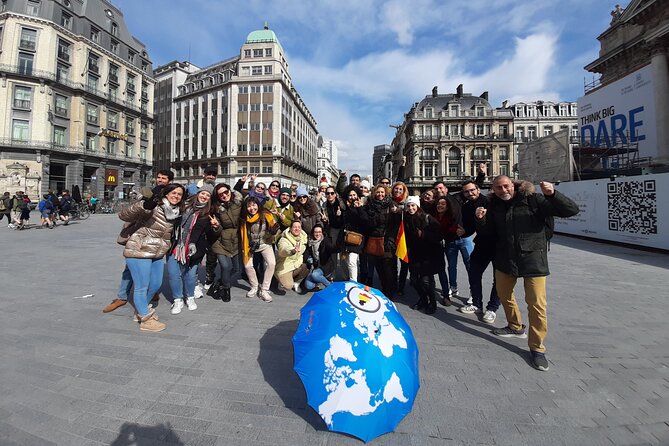
Then comes Opera de La Monnaie. The opera house is impressive enough on its own, but the tour links the building area to the place where Belgium’s independence began. That historical connection is what turns an architectural stop into a story stop.
This is also where the guide’s narrative style matters. One past booking specifically praised Andrea for making the history of Brussels and Belgium feel alive, not heavy. If you get a similarly enthusiastic guide, the independence thread tends to stick with you, because it is tied to something you can see.
One thing to keep in mind: this stop is presented as part of the tour’s storytelling spine, not as a full opera or museum experience. So if you are hoping for interior access, you might find this moment more about understanding the significance and looking at the exterior surroundings than about going deep into performances or collections.
Still got an afternoon? Try these:
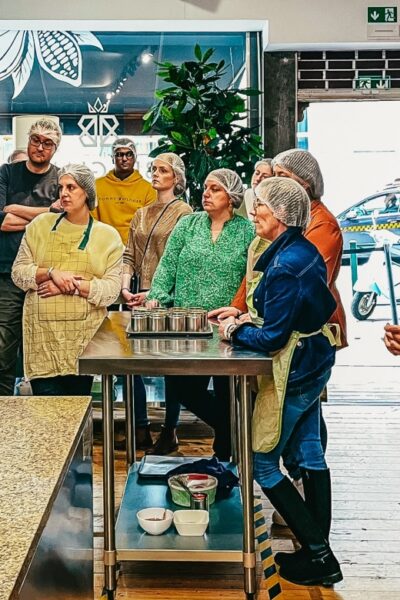
Galeries Royales Saint-Hubert: chocolate, architecture, and comics culture
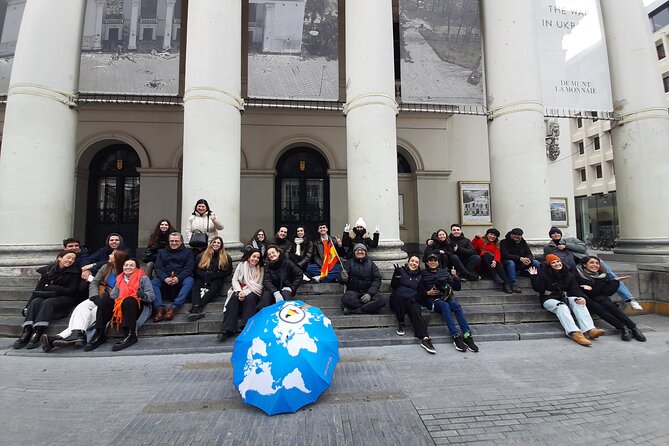
The tour’s food and culture energy rises at Les Galeries Royales Saint-Hubert. You will visit the first covered galleries in Europe, and this is where the tour connects the space to the history of Belgian chocolate.
That combination is smart. Covered galleries are not just pretty. They are practical. They shaped how people shop, socialize, and linger in cities, especially when weather is unpredictable. When the guide ties that to chocolate, you understand why Belgium became famous for it beyond the marketing slogans.
The tour also nods to broader Belgian culture, including why the world of comics is so important here. You might not leave with a printed list of creators, but you should walk away with a sense that comics are treated like part of the national identity, not a niche hobby. That cultural context can change how you notice street art, posters, and even how people talk about their creative heritage.
If you are food-minded, keep this stop in your mind for later. You will likely want to follow up on your own with something chocolate-related afterward, because the guide’s explanation gives you a lens to judge what you see in shops.
St. Michael and St. Gudula Cathedral: royal weddings and a classic feel
Next is St. Michael and St. Gudula Cathedral (Cathedrale St-Michel et Ste-Gudule). The tour description emphasizes that it is a cathedral in Brussels that will remind you of another famous cathedral, and it also highlights that this is the place of royal weddings.
Even if you are not a cathedral superfan, this stop adds a different texture to the day. So far you have moved through squares, civic landmarks, and cultural buildings. A major cathedral gives you a sense of ceremony and continuity, plus it helps you understand how royal and religious life intersected in European capitals.
How to enjoy it most: when the guide points out connections to royal weddings, pay attention to the meaning, not just the fact. It helps you see the cathedral as a living backdrop to national stories, not just a pretty building you pass by.
Downside to consider: because the tour blocks are time-limited, you may not get long to soak in the interior details if you are hoping for a slow, contemplative visit. Use the guided time to learn what you should look for, then if you want more, go back later on your own for extra time.
Mont des Arts: ending with a panoramic payoff
The tour culminates at Mont des Arts. This is one of those Brussels viewpoints that makes sense even for people who are not obsessed with scenic lookouts. You get a panoramic view, and the guide ties the final moment back to the city’s story.
This is a good end point for two reasons. First, you are walking out with a new “view picture” in your head. Second, it gives you an easy transition into independent exploring. After a guided walk, a view helps you decide where you want to go next.
Photo tip: plan to take your last photos as the group settles near the best vantage spots. If you wait until you are fully dispersed, you will spend time repositioning while other people are already moving.
Price and logistics: value for your time
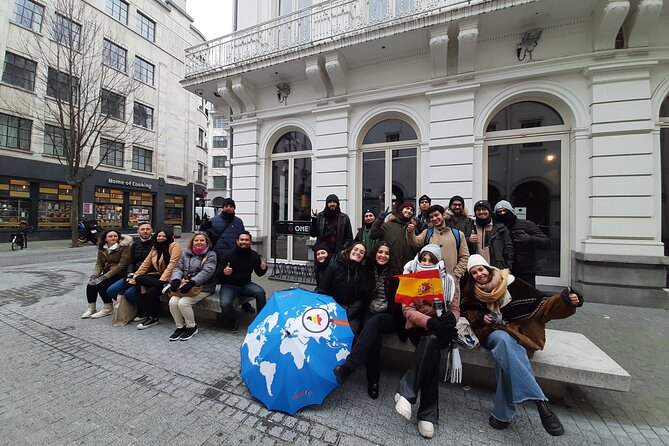
Let’s talk about value, because this is where the tour punches above its weight. At $3.60, you are paying for:
- An English speaking guide
- A timed route across major lower-city highlights
- Explanations that tie history, architecture, and culture together
- A mobile ticket, which is handy on a day when you do not want to fuss with paper
The tour also lists admission as free at each stop. That does not mean there are never any small costs in real life, but for your budgeting mindset, it is a big deal. You do not have to wonder if the guide suddenly schedules an expensive museum ticket.
Group size and duration matter too. With a max of 40 travelers and an approximately 2 hours 15 minutes running time, the experience is designed to feel structured. It is enough time to learn, but not enough time to drain you. If you are trying to see Brussels efficiently, this format fits.
Who this suits best:
- First-time visitors who want a solid introduction
- Travelers who like history but prefer it in short, guided story form
- People who want to snack later, because the chocolate and food references plant ideas
- Anyone who wants to walk with confidence, with a route and explanations already handled
Who might want to skip or add extra time:
- If you already know Brussels well and just want one or two sights in detail, a fixed 2h15 can feel too short.
- If you hate crowds, some stops may feel busy, since major Brussels landmarks tend to attract people naturally.
Should you book? My call
I would book this if you want a fast, guided “Brussels orientation” that covers the must-see sights plus the stories that make them more than photos. The Grand Place start is a great anchor, Manneken Pis adds charm with the costume tradition, and the final view at Mont des Arts helps you land your trip emotionally.
The big reason to consider it is value for what you get. The price is low, the guide-led context is the core product, and the route stays focused on the lower city. Even if you only have one short day, you will walk away knowing what to prioritize next.
If you can spare a bit of time after the tour, do it. Use the guided stops to learn what matters, then return on your own for extra lingering where you feel curious. That is the best way to turn a simple guided walk into a personal Brussels day.
FAQ
How long is the essential Brussels walking tour?
It runs for approximately 2 hours 15 minutes.
What is the price per person?
The listed price is $3.60 per person.
Is there an English speaking guide?
Yes, the tour includes an English speaking guide.
Where does the tour start and end?
It starts at Grand Place, Grote Markt, 1000 Brussel, Belgium, and ends at Mont des Arts 1, 1000 Bruxelles, Belgium.
Is the ticket mobile?
Yes, the tour uses a mobile ticket.
What is the cancellation window?
You can cancel up to 24 hours in advance for a full refund. If you cancel less than 24 hours before the start time, the amount paid will not be refunded.
Latest from Brussels



Brussels Experiences, compared.
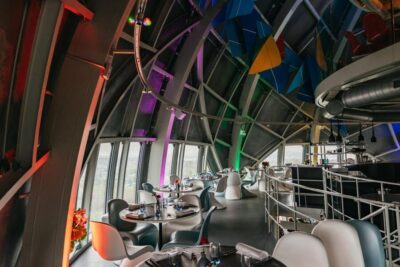
Atomium Entry Ticket with Design Museum Ticket
Read our review →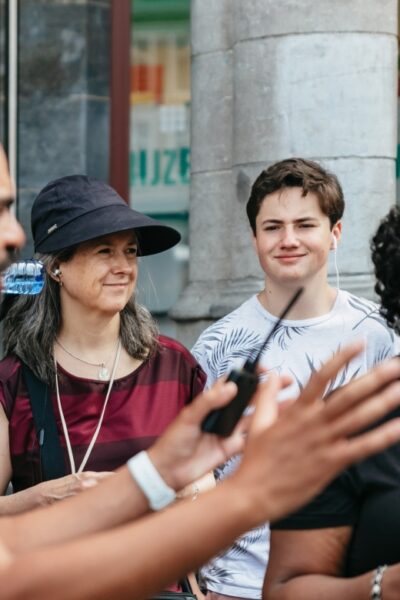
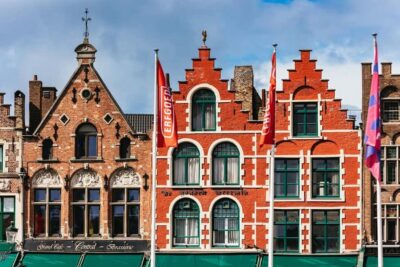

Choco-Story Brussels: Chocolate Museum Entrance with Tasting
Read our review →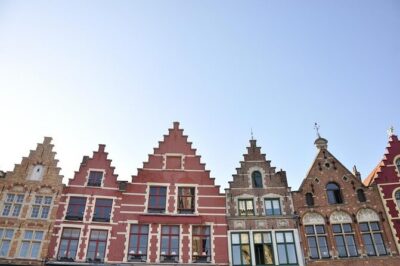
Bruges and Ghent – Belgium’s Fairytale Cities – from Brussels
Read our review →