
Reviewed · CHOCOLATE MAKING WORKSHOPS
Chocolate history workshop Ghent
Chocolate in Ghent has a new meaning. This workshop is built around hands-on chocolate making plus storytelling that moves across centuries, right in a 16th-century shop near Gravensteen. The one thing to consider is it is not a tempering or truffle-making class, so you want to be ready for grinding cacao beans with your hands and wrists.
I like that the pace is tight and practical, you craft a bar from scratch, then you taste its way through Belgian chocolate makers. I also like that the history does not feel like a lecture, it is tied directly to what you’re eating and mixing. If you get cold easily, plan for a shop temperature around 18°C or lower, and bring a light layer.
In This Review
- Chocolate Ambassade near Gravensteen: the setting that flavors everything
- What makes this stop feel authentic
- Your bar starts with grinding cacao beans, not melting chocolate
- The “workout” factor (and how to prepare)
- A chocolate expert, a small group, and history you can taste
- Why this storytelling approach is useful
- Recreate a 17th-century hot chocolate recipe, then customize it
- What you’re really learning with this step
- Four bonbons from top Belgian chocolatiers, including the seashells
- How to taste more like a chocolatier
- The 5000-year chocolate drink: why it’s more than a trivia moment
- What is included, and what you should not expect
- Price and value in Ghent: $81 for 90 minutes of real work
- Take-home chocolate: a great souvenir
- Getting the timing right in Ghent
- Who this chocolate history workshop is best for
- Who should skip or think twice
- Quick tips so you have a smooth 90 minutes
- Should you book this Ghent chocolate history workshop?
- FAQ
- How long is the Chocolate History Workshop in Ghent?
- Where does the workshop meet?
- What do I make during the workshop?
- Is this a chocolate tempering or truffle-making class?
- What tastings are included?
- Are the tastings and explanations in English?
- How big is the group?
- Can I take my chocolate home?
- What should I wear or bring?
- Is it suitable for children?
Chocolate Ambassade near Gravensteen: the setting that flavors everything
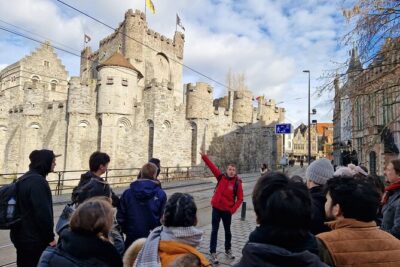
You meet at Chocolade Ambassade, just around the corner from Gravensteen (the Castle of the Counts). The location matters here because the workshop is in one of Ghent’s older houses, a 16th-century building that already sets the mood before you start grinding cacao beans.
This is also a smart “use your time well” activity. Ghent sights like Patershol and Graslei/Korenlei are within a short walk after your 90 minutes are done. It is the kind of stop that fits naturally between sightseeing blocks, not something that hijacks your whole day.
More Chocolate Tastings in Ghent
- Ghent: Belgian Chocolate Walking Tour with Tastings
★ 4.9 · 259 reviews - Brussels: Bruges & Ghent Tour w/ Cruise & Chocolate Tasting
★ 4.2 · 144 reviews - Ghent: Famous Belgian Chocolate Walking Tour with Tastings
★ 5.0 · 131 reviews - Ghent: Guided City Tour with Chocolate Tastings
★ 4.8 · 36 reviews - Chocolate history workshop Ghent
★ 5.0 · 34 reviews
What makes this stop feel authentic
The shop environment is part of the experience. Because you are working with chocolate inside, you’re in the right place for browsing Belgian artisanal bars and bonbons afterward if you want to.
Also, the small group format helps. With a maximum of 6 participants and an English instructor, you get real attention while you work, not just a quick overview and a wall of samples.
Your bar starts with grinding cacao beans, not melting chocolate
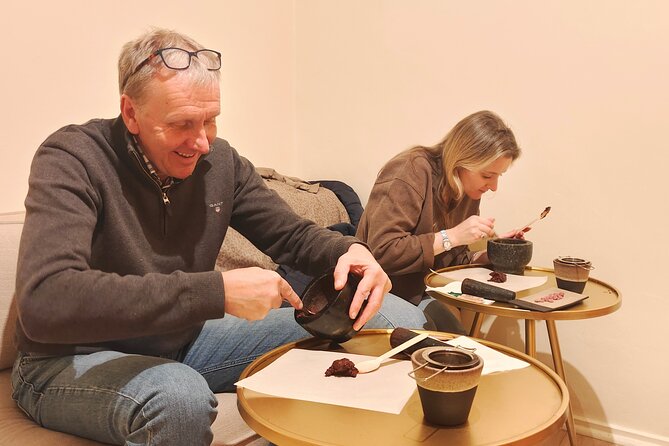
This workshop is hands-on from the first minutes. You begin with a short intro from the chocolate expert on how chocolate is made from cacao. Then you get right into making your own chocolate bar using a specialty cacao variety.
Here’s the big practical detail: this is not a technique-only class. It is not focused on the kind of professional chocolate-making skills like tempering, melting, or shaping chocolates into truffles or bonbons. Instead, you create chocolate from scratch by grinding cacao beans into a usable chocolate base.
The “workout” factor (and how to prepare)
Grinding can be challenging if you have reduced strength in your hands or wrists, such as from arthritis or rheumatism. If that might be an issue for you, consider whether you want to risk discomfort for 90 minutes. The upside is that you will learn in a direct way, you understand texture and process because you physically do part of it.
Wear comfortable clothing. There can be a small chance chocolate lands on your clothes while grinding. And since the shop keeps a cooler temperature around 18°C or lower to preserve chocolate quality, bring a sweater or light jacket if you tend to feel cold.
A chocolate expert, a small group, and history you can taste
The strongest praised aspect of this workshop is the engaging explanations. The chocolate expert guides you through the story of chocolate across time, while you taste along the way.
You go from early use of cocoa through later European developments, with anecdotes that connect to what you’re eating. The program spans themes from indigenous civilizations in the Americas to well-known figures and shifts in taste trends over the centuries.
More History Tours in Ghent
Why this storytelling approach is useful
If you’ve ever done tastings where someone hands you samples and leaves you with guesses, this is different. The history here is tied to specific flavors and chocolate products, so you learn the “why” behind changes in drinks, recipes, and formats.
It also helps that the group is limited to 6. That makes it easier to ask questions, hear the explanation clearly, and keep the energy from turning into a passive show.
Recreate a 17th-century hot chocolate recipe, then customize it
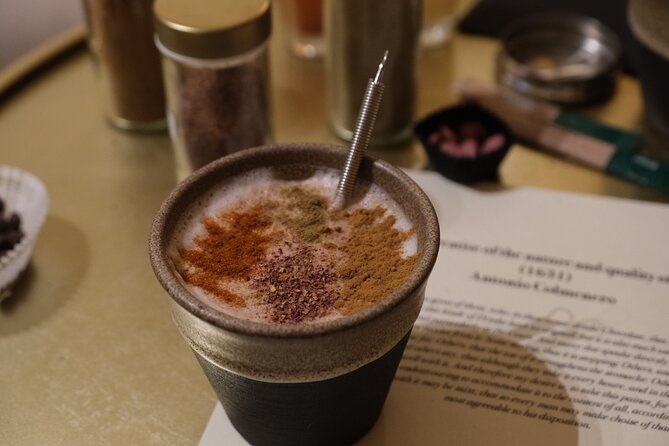
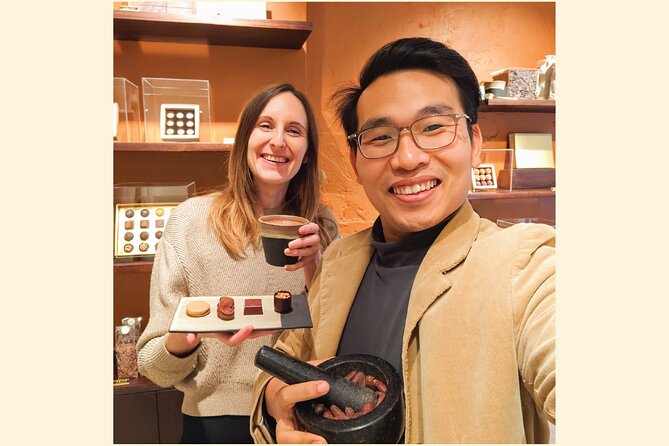
After your bar is shaped, it is time for a classic historic project: recreating a 17th-century hot chocolate recipe. You customize it with the spices, chocolate, and sugar levels you prefer.
One caution is built right into the experience: chili can be more powerful than you expect. If you are sensitive to heat, go light. If you like spice, you’ll be able to dial it in and compare it to the sweeter or more chocolate-forward versions you taste earlier in the workshop.
What you’re really learning with this step
Hot chocolate history can sound vague until you start adjusting ingredients. This is a hands-on way to understand how European-style cocoa drinks evolved, how spice shows up, and how sweetness changes the feel of the cup.
Also, the drink element makes the workshop feel complete. You are not only making and eating a bar, you are tasting liquid forms that shaped how cocoa was enjoyed.
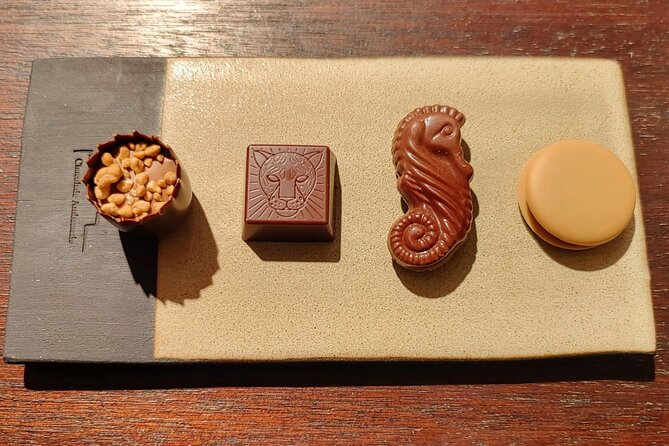
Four bonbons from top Belgian chocolatiers, including the seashells
To finish, you taste four chocolate bonbons from different top Belgian chocolatiers. The selection includes classic flavors, and you’ll even find the iconic seashell bonbons in the mix.
This tasting part is one of the most satisfying for most people because it gives you immediate context. You can compare styles, textures, and flavor directions after you’ve already made your own cacao-based bar.
How to taste more like a chocolatier
You don’t need fancy jargon. Focus on three things as you taste:
- Texture as it melts or holds its shape
- The order of flavors, first hit then aftertaste
- How sweetness balances chocolate depth
Once you notice those, you can better decide what you actually want to buy after the workshop.
The 5000-year chocolate drink: why it’s more than a trivia moment
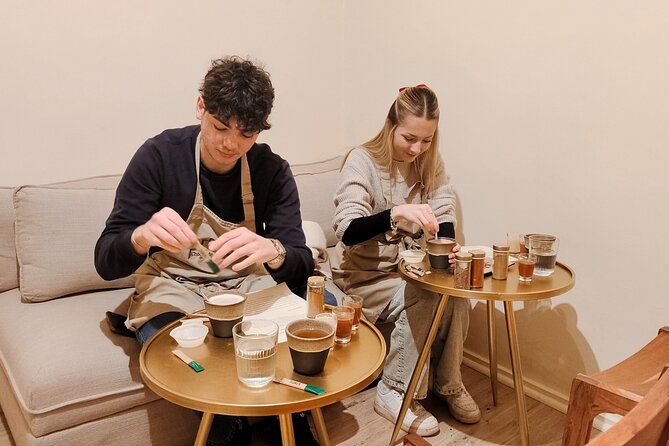
One of the headline items is tasting a 5000-year-old chocolate drink. While you should expect this as a guided tasting rather than a time machine, it still matters because it broadens what you think chocolate is.
You also sample different cacao products during the workshop. That variety helps you realize cacao is not only about dark bars and sweet bonbons. It can be used for drinks, and the flavor profile can shift depending on how it is prepared and what it’s paired with.
What is included, and what you should not expect
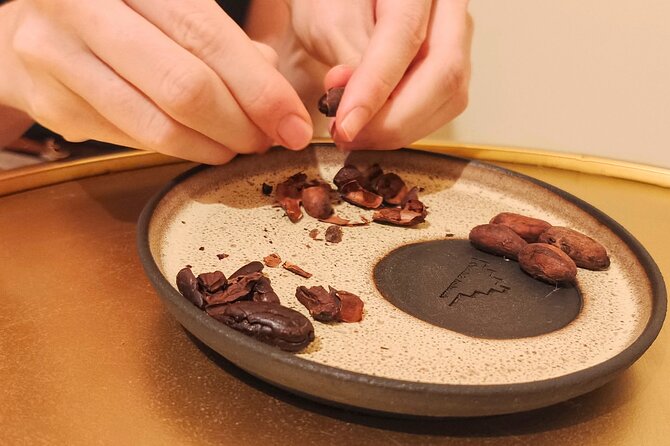
Here’s the clean breakdown of what you get:
- You craft your own chocolate bar from cacao beans
- You taste Belgian artisanal chocolates from different makers
- You recreate and drink a hot chocolate with a recipe
- You try various cacao products during the history walkthrough
- Water is provided
- Explanations come from a chocolate expert
And here’s what is explicitly not included:
- Skills training in tempering, melting, or shaping chocolates into truffles or bonbons
So if your dream class is learning confection techniques, this isn’t that. If your dream class is making chocolate from scratch and learning the story behind it with real tastings, you’re in the right place.
Price and value in Ghent: $81 for 90 minutes of real work
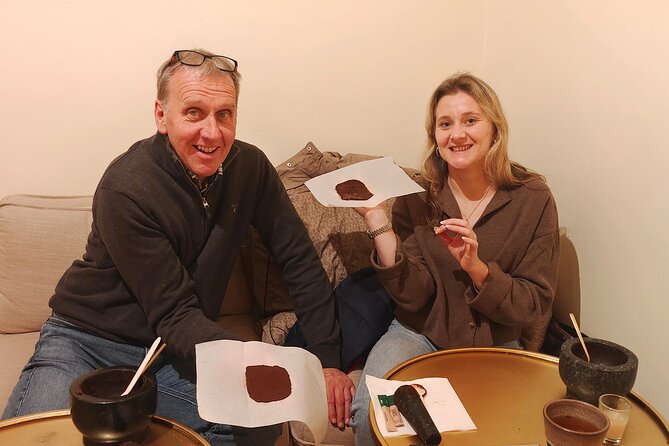
At $81 per person for about 90 minutes, this is not a budget activity. But it does offer value in the ways that matter.
You’re paying for:
- A small group experience (max 6)
- An expert who explains how chocolate is made and how it developed
- Active chocolate creation, not just watching or tasting
- Multiple tastings from different Belgian chocolatiers
- A hot chocolate recipe you can recreate in your own kitchen
The “value math” here is simple: you get both a product (your bar) and context (what you taste and why). Many chocolate experiences are heavier on shopping and light on actual making. This one has you grind cacao and build a bar, so you leave with something tangible and a stronger understanding of what makes Belgian chocolate feel different.
Take-home chocolate: a great souvenir
You can taste your bar at the end, or take it home to share. That adds real payoff, because it’s not only an experience, it’s also food you can keep.
Getting the timing right in Ghent
The workshop lasts 90 minutes, and it runs in English. Since your meeting point is near Gravensteen, it is easy to pair with other central sights.
A natural flow:
- Do the workshop first, then walk toward Patershol and the Graslei/Korenlei waterfront
- Or start your day sightseeing, then use the workshop as a break that ends with a full, not-too-far-reaching tasting session
Because it is not a full-day commitment, it works well even if you plan a few museums or boat time later.
Who this chocolate history workshop is best for
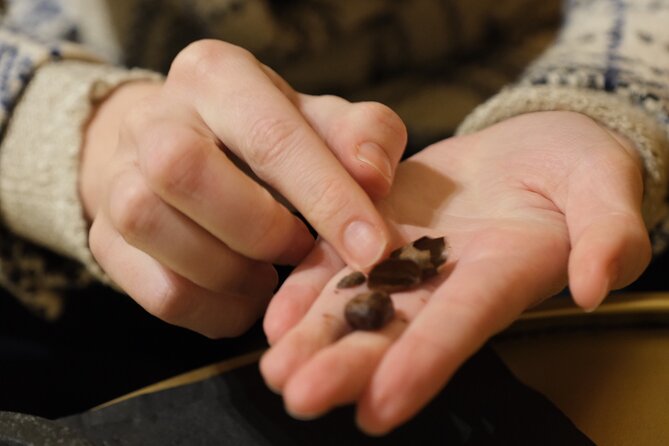
You’ll likely enjoy this most if you:
- Like learning through food, not through slideshow facts
- Enjoy Belgian chocolate and want to understand what you’re tasting
- Want an active role, grinding cacao and making your own bar
- Prefer a small group setup with a real guide
It is also a strong pick for couples and friends who want something different from the usual city walking.
Who should skip or think twice
The main caution is hand and wrist strength. Grinding cacao beans can be difficult if you have reduced strength. Also, it is not suitable for children under 12.
If you’re traveling with kids, double-check ages before you book. If you’re sensitive to colder indoor conditions, plan a warm layer.
Quick tips so you have a smooth 90 minutes
A few small choices make a big difference:
- Bring a sweater or light jacket for an 18°C or lower shop
- Wear comfortable clothes, chocolate can end up on your outfit while grinding
- If you have wrist or hand issues, evaluate whether grinding is manageable for you
- Go in ready to taste slowly, you’ll sample drinks and bonbons as part of the story
- If you love what you make, plan to browse after, since shopping is available with no pressure
Should you book this Ghent chocolate history workshop?
Book it if you want a hands-on Belgian chocolate experience that also teaches you what changed over time, from early cacao use to classic candy styles. The best reason is the combination of making your own bar, recreating a historic hot chocolate, and ending with a guided bonbon tasting from multiple Belgian makers.
Skip it if you’re specifically looking for a chocolate technique class like tempering and candy shaping, or if grinding cacao beans would likely be uncomfortable for you.
If you want a rewarding, food-centered break near Gravensteen, this fits the bill.
FAQ
How long is the Chocolate History Workshop in Ghent?
The workshop lasts 90 minutes.
Where does the workshop meet?
You meet at Chocolade Ambassade, just around the corner of Gravensteen castle. Look for the tallest traditional Flemish stairs house.
What do I make during the workshop?
You create your own chocolate bar from cacao beans.
Is this a chocolate tempering or truffle-making class?
No. It is not focused on techniques like tempering, melting, or shaping chocolates into truffles or bonbons.
What tastings are included?
You taste Belgian artisanal chocolates, you recreate and enjoy a 17th-century hot chocolate, and you also taste various cacao products including a 5000-year-old chocolate drink. You finish with four bonbons from top Belgian chocolatiers.
Are the tastings and explanations in English?
Yes, the workshop is taught in English.
How big is the group?
The group is limited to 6 participants.
Can I take my chocolate home?
Yes, you can taste your chocolate bar or take it home to share.
What should I wear or bring?
Wear comfortable clothing, since a small amount of chocolate may land on you while grinding. The shop is kept around 18°C or lower, so bring a sweater or light jacket if you get cold.
Is it suitable for children?
It is not suitable for children under 12 years old.
Belgian Things to Make in Ghent
- Ghent: Belgian Waffle-Making Workshop with Beer Tasting
★ 4.8 · 256 reviews - The Waffles ‘n Beer Workshop in Ghent Centre
★ 5.0 · 67 reviews - Ghent: Belgian Chocolate Making Workshop with Beer Tasting
★ 4.3 · 15 reviews - Ghent: Chocolate Truffle Workshop – Make and Take 25 Truffles
★ 5.0 · 1 review
Sweet Stops in Ghent
- Charlie’s Private Chocolate Tour (Ghent)
★ 5.0 · 34 reviews - Private Chocolate Experience in Ghent
★ 5.0 · 31 reviews - Discover authentic Ghent with historian & taste the best chocolate
★ 5.0 · 30 reviews - Ghent Chocolate Tasting and Sightseeing Tour
★ 5.0 · 21 reviews
Latest from Ghent




Chocolate Making Workshops, compared.
Choco-Story Brussels: Chocolate Museum Entrance with Tasting
Read our review →
Hungry Mary’s Famous Beer and Chocolate Tour in Brussels
Read our review →
Choco-Story Museum with Audio Guide and Tastings
Read our review →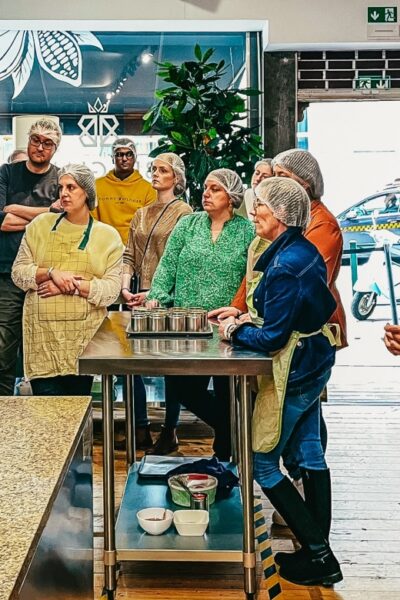
Belgian Chocolate Making Workshop with Tastings
Read our review →
Historical Tour with Chocolate & Waffle Tasting
Read our review →
Historical Walking Tour with Chocolate & Waffle Tasting
Read our review →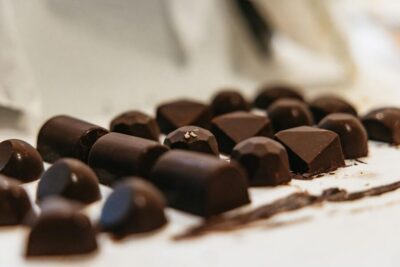
Browse the lists this tour appears in