Reviewed · BRUSSELS EXPERIENCES
Brussels: Colonial Horrors of Leopold II in Congo Tour
Leopold II’s story is written into Brussels. I like how this tour ties Belgium’s Congo colonial process to real places you can actually see, from the Cinquantenaire area to the Matonge neighborhood. Two parts I especially appreciate are the focus on Leopold II through independence and the walk through Matonge, where the present-day Congolese connection is part of the conversation, not an afterthought.
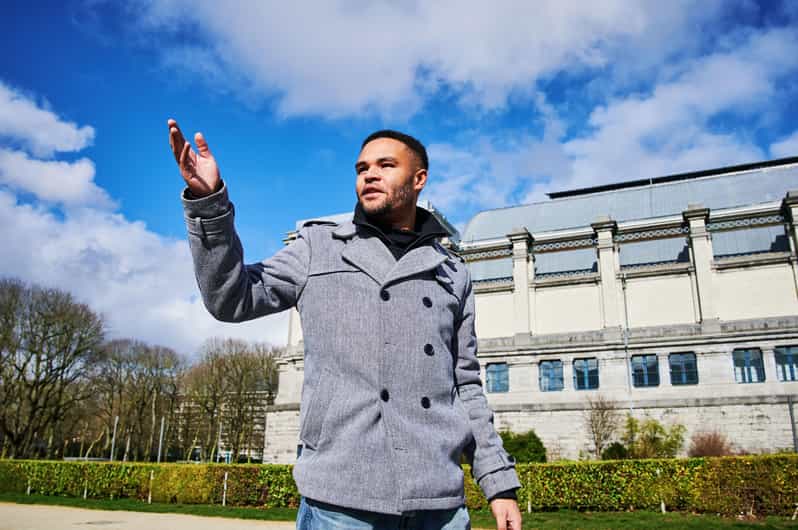
The tour’s real strength is the guide. In a verified comment about the experience, the English guide Eric got standout praise for being highly engaged and able to answer questions.
One consideration: it is a moderate walking route and it is not suitable for people with mobility impairments or wheelchair users.
In This Review
- Key Things I’d Plan Around
- Why Brussels, Why This Walk?
- The Guide’s Role, and Why It Matters Here
- Timing and Pace: 150 Minutes That Still Feel Packed
- Parc du Cinquantenaire: Starting With a Big Central Reference Point
- Umicore Stop (Union Minière Headquarters): When Power Has a Corporate Address
- Mont des Arts: Reading the City’s Style Through a Historical Lens
- Royal Palace of Brussels: State Image Meets Colonial Memory
- Rue Brederode: A Short Stop With Real Narrative Weight
- Porte de Namur: A Gateway Stop That Keeps Migration in View
- Matonge Neighborhood: Where the Story Feels Personal and Current
- Finish at Luxembourg Square: Ending With a Central Reset
- Price and Value: Is $116 Worth It?
- What to Bring (So You Don’t Hate History)
- Should You Book This Leopold II and Congo Legacy Tour?
- FAQ
- How long is the Brussels Colonial Horrors of Leopold II in Congo Tour?
- Where does the tour start and end?
- What is the price per person?
- What language is the tour offered in?
- What sites do you visit during the walk?
- Is the tour mostly walking?
- What should I bring with me?
- Is photography allowed?
- Is this tour suitable for wheelchair users or people with mobility impairments?
Key Things I’d Plan Around
- Leopold II to independence, explained in city order so the story feels logical instead of random.
- Umicore stop linked to Union Minière headquarters, a powerful reminder that business and empire shared the same streets.
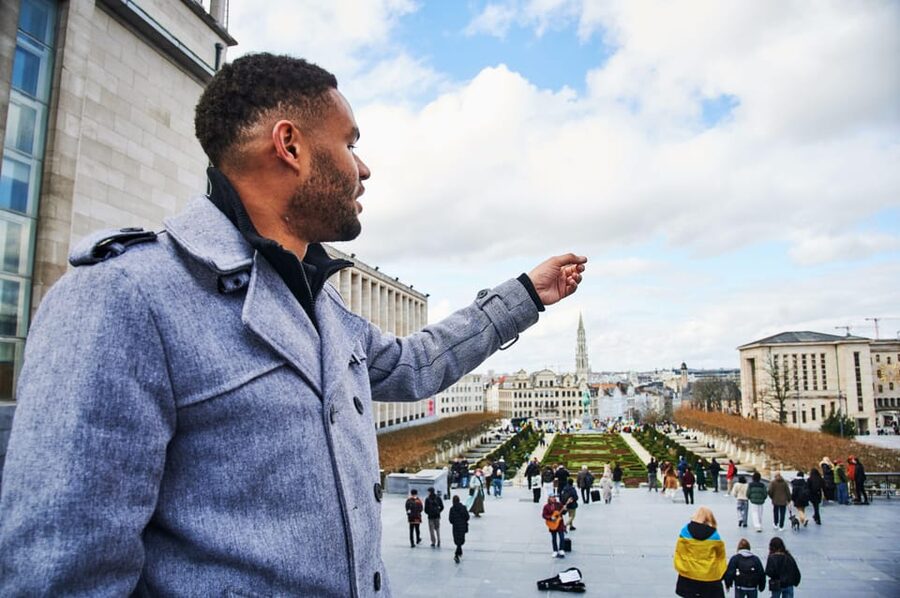
- Mont des Arts and the Royal Palace area, used to show how state image and power can be read in architecture.
- Porte de Namur and Rue de Bréderode, quick stops that keep the theme grounded in specific addresses.
- Matonge walk, where the impact of Congolese immigration in Belgium becomes visible in daily life.
- Eric mentioned as a guide who answers everything, which matters for a topic this serious.
A few more Brussels afternoons to weigh up
- Brussels: Atomium Entry Ticket with Design Museum Ticket
★ 4.4 · 9,254 reviews - From Brussels: Guided Day Trip to Bruges and Ghent
★ 4.6 · 8,353 reviews - From Brussels: Bruges & Ghent Day Tour – 2 Fairytale Cities
★ 4.7 · 8,242 reviews - Choco-Story Brussels: Chocolate Museum Entrance with Tasting
★ 4.3 · 4,883 reviews - Bruges and Ghent – Belgium’s Fairytale Cities – from Brussels
★ 4.0 · 4,809 reviews
Why Brussels, Why This Walk?
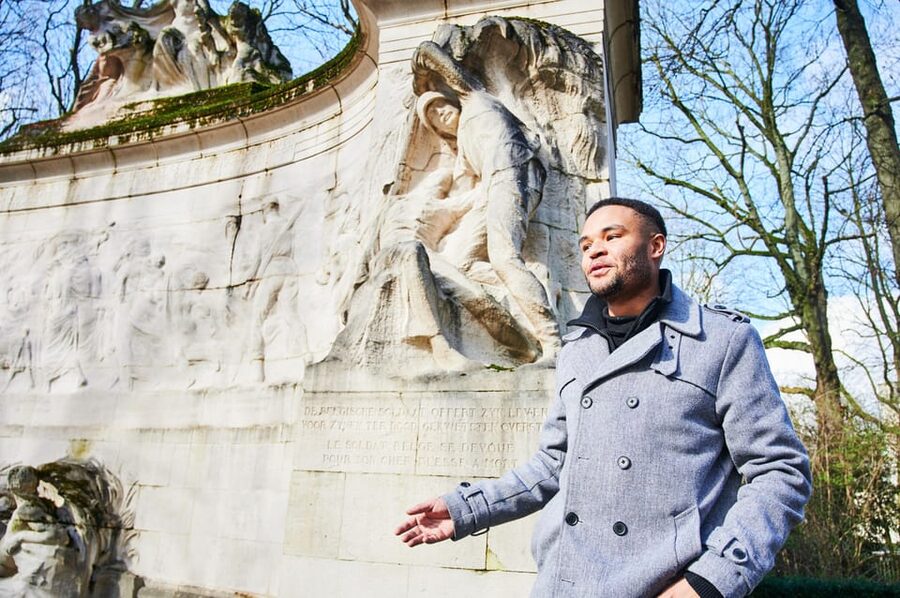
Brussels can feel like a postcard city if you only skim the highlights. This tour is different. You walk through a route where Belgium’s Congo colonial era is treated as something that still shapes how people understand the city, history, and migration today.
It helps that you are not just staring at monuments. You are getting a guided explanation of the colonial period, starting with King Leopold II’s personal colony, then moving through the independence process, and finally landing on present-day relations and the impact of Congolese immigration in Belgium.
If you like your history practical, this is your style of tour. You leave with a map in your head, not just dates.
The Guide’s Role, and Why It Matters Here
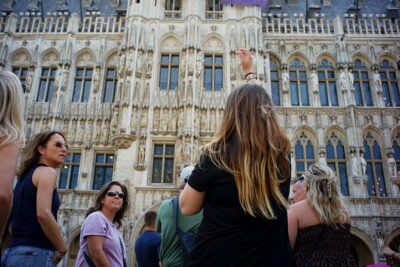
The experience is led by an English live guide, and that is a big deal for a topic like this. Colonial history is sensitive. It also attracts lots of questions, because people often connect it to current debates about justice, memory, and migration.
In one verified booking comment, the guide Eric was praised for being well educated and able to answer every question. That points to the right kind of tour: you should expect direct explanations, not vague statements.
That also means you will get more out of the walk if you show up curious. If you have questions about how Belgium’s actions in the Congo connect to modern Brussels, this format is built for that.
Timing and Pace: 150 Minutes That Still Feel Packed
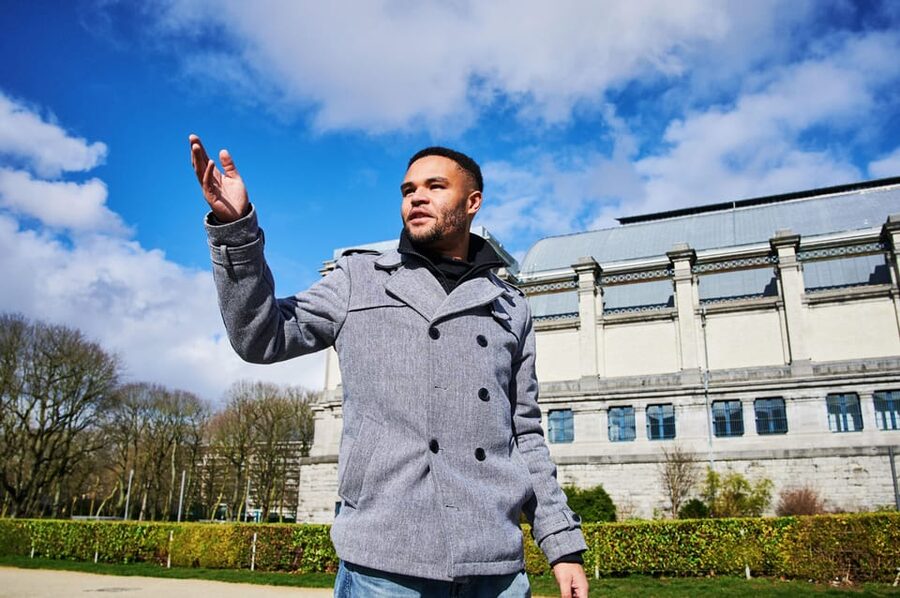
This is a 150-minute walking tour, roughly two and a half hours. That time window is short enough to stay energetic, but long enough to hit multiple stops and connect them into one narrative.
The walking is described as moderate. You still want comfortable shoes, because you are covering several points in central Brussels. The tour also depends on weather, so bring weather-appropriate clothing and plan for quick changes.
You can also use this as a “history anchor” in a longer day in Brussels. If you already plan to see the Cinquantenaire area or Mont des Arts anyway, the tour gives those places meaning beyond sightseeing.
Parc du Cinquantenaire: Starting With a Big Central Reference Point
The tour starts at Parc du Cinquantenaire, Parc du Cinquantenaire 1-15. This is a smart choice because it is an easy area to orient yourself. It also gives you a formal, city-scale starting point before you move into tighter streets and specific addresses.
From here, the tour quickly begins the main theme: Belgium’s colonial period and how it connects to power, institutions, and today’s relationships.
If you arrive early, use the time to get your bearings. Once the guide starts connecting the dots, you will want to stay fully present.
Still got an afternoon? Try these:
Umicore Stop (Union Minière Headquarters): When Power Has a Corporate Address
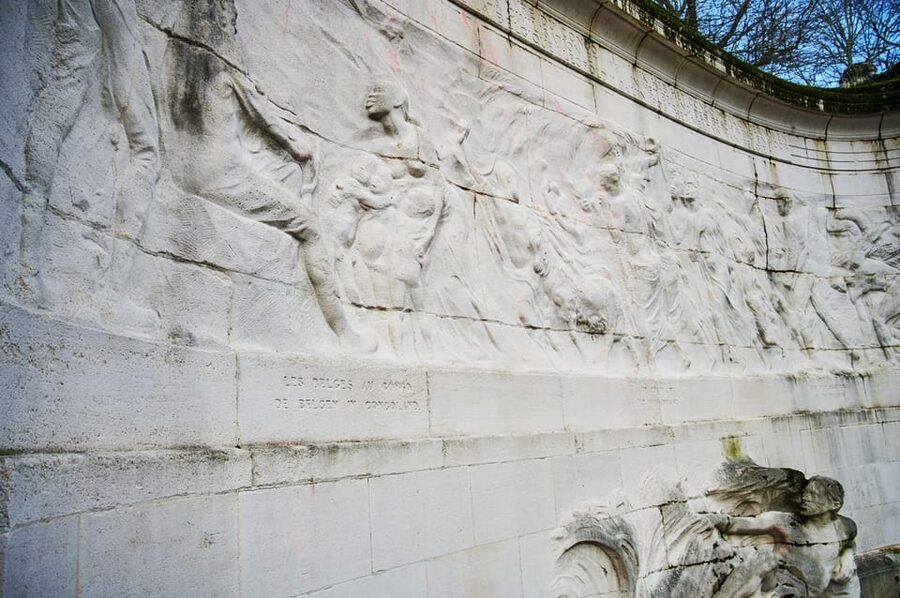
One of the standout highlights is the stop at Umicore, described as a guided visit at about 15 minutes. This matters because the tour explicitly includes the headquarters of Union Minière as a key colonial heritage site.
You are not just learning abstract history. You are seeing a specific headquarters location tied to that era’s economic influence. Even if you know little about the corporate side of colonial Belgium, this stop helps you understand that empire was not only politics. It also had a business footprint.
What to watch for on this stop: the way the guide links the place to the colonial process you are learning about. This is usually where a lot of people realize how “normal” architecture and everyday institutions can still carry heavy historical meaning.
Mont des Arts: Reading the City’s Style Through a Historical Lens
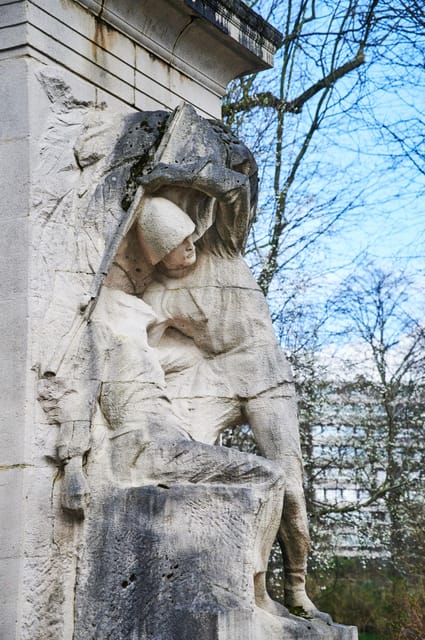
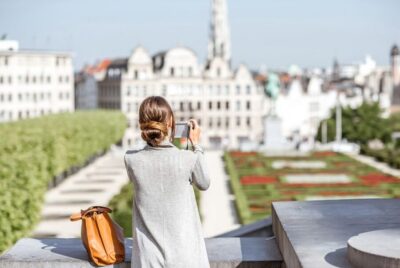
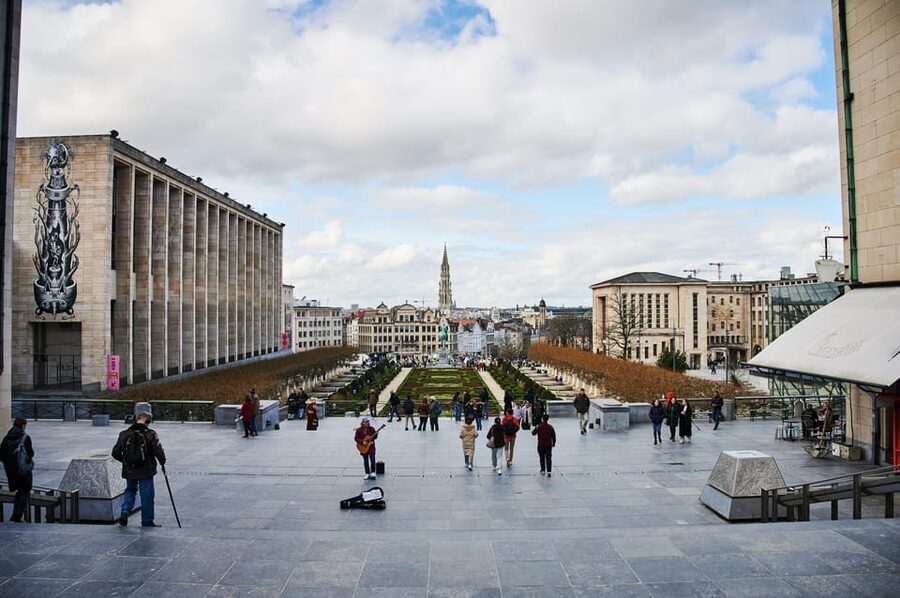
Next is Mont des Arts for another guided segment (about 15 minutes). Mont des Arts is a prime Brussels viewpoint area, but on this tour it is not just about the view.
It’s part of the tour’s method: you move from a headquarters stop into a broader civic setting. Then you connect that space back to how Belgium presented itself, how power was displayed, and how the colonial process fit into the national story.
Practical tip: if you want photos, this is a good moment. But keep your camera ready without losing the explanation. The value here is the link the guide makes between what you see and what you learn.
Royal Palace of Brussels: State Image Meets Colonial Memory
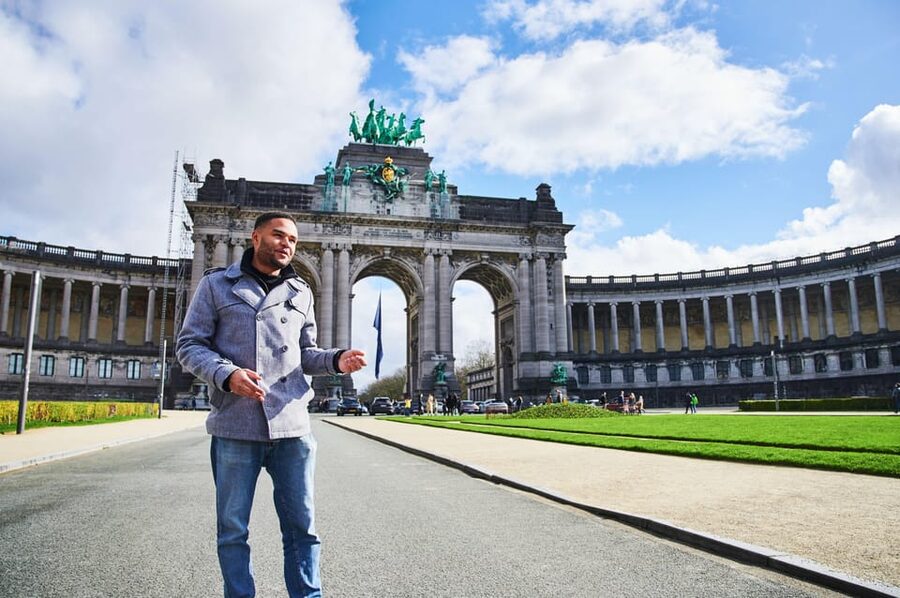
The Royal Palace stop runs about 20 minutes. This gives you more time than the shorter street stops, which suggests the guide will use it to make a stronger point.
On this tour, the Royal Palace is included as a key site, so you should expect the guide to connect Belgium’s state presence to the period you are studying. That might sound abstract, but the walk style keeps it grounded: you are moving stop to stop, and the story stays attached to real addresses.
If the topic feels heavy, that is normal. This is one of the places where people often start thinking, Okay, how did a public power center relate to a colonial system so controversial and so consequential?
Rue Brederode: A Short Stop With Real Narrative Weight
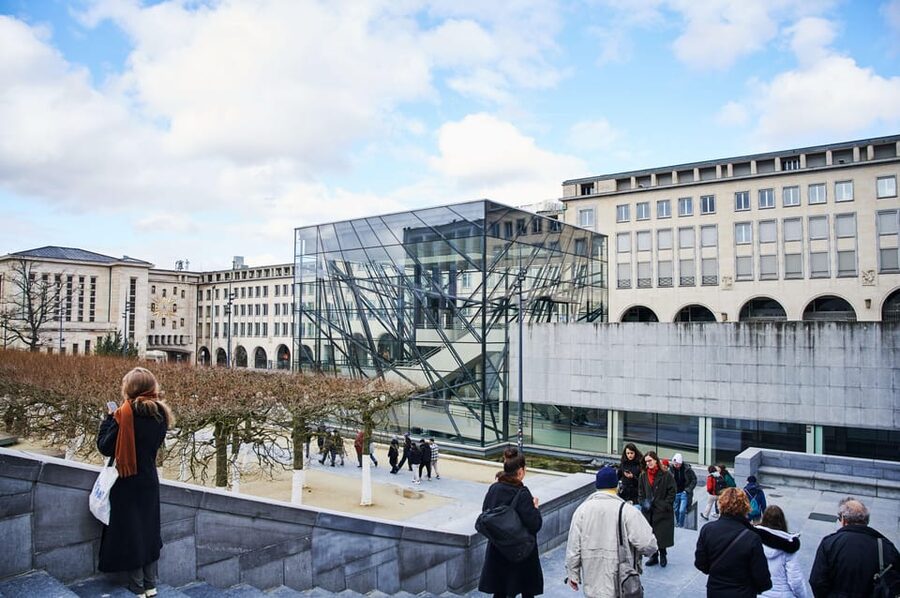
Rue Brederode is next, with about 15 minutes of guided time. It is not the kind of street most people visit specifically for history. That is exactly why it works on a themed walking tour like this.
This segment is usually where you learn to notice details you would otherwise skip. The guide can connect what you are seeing to the colonial story you have been building since Cinquantenaire, keeping the theme focused rather than wandering.
If you like tours where the guide teaches you how to “read” cities, this is a good sign. Short stops can still be informative when the guide keeps tying them back to the main through-line.
Porte de Namur: A Gateway Stop That Keeps Migration in View
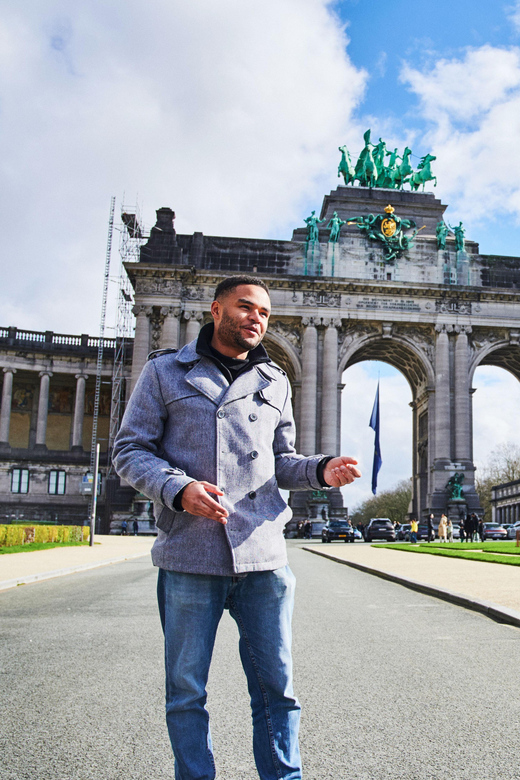
Porte de Namur is included with about 15 minutes of guided time. It might look like a normal city gate area, but on this tour it functions as another story connector.
Because the tour explicitly addresses the impact of Congolese immigration of Congolese origins in Belgium, you are not only learning about the past. You are watching the present appear in the route.
On your side, bring your attention to how the guide frames the space. Even if the street scene seems ordinary, the tour uses it to keep that “then and now” connection active.
Matonge Neighborhood: Where the Story Feels Personal and Current
Matonge is the emotional turning point for many people. It is scheduled for about 15 minutes on the route and it is one of the highlights.
The tour includes walking through Matonge because it is tied to the impact of Congolese immigration in Belgium. In other words, this is where the narrative shifts from colonial process history to how communities and identity show up in the city today.
This is also where you might pause and look around without rushing. If you take a break for water, this is a reasonable place to do it, since the tour is not ending far away.
If you want a practical takeaway, think about how your understanding changes. Learning about Leopold II and independence is one thing. Seeing how Congolese Belgium fits into the geography of Brussels is another.
Finish at Luxembourg Square: Ending With a Central Reset
The tour ends at Luxembourg Square. That finish spot is helpful because it gives you a clear endpoint in a central area, making it easier to continue your day on foot or by transit.
By this point, you should have a story arc in your head: the colonial process from Leopold II to independence, and then how Belgium’s ties to the Congo show up in modern Brussels through immigration and community life.
You leave with a route you can revisit mentally. If you come back later and pass those areas again, the places will feel different.
Price and Value: Is $116 Worth It?
The price listed is $116 per person for 150 minutes. That is not a “cheap beer and a walking tour” price tag. You are paying for an expert guide on Belgian colonial history and for access to key heritage stops that tie the theme together.
Here’s the value logic I’d use before booking:
- You get a live English guide for 2.5 hours, which is ideal for questions.
- The tour includes multiple key locations tied to the colonial era and to present-day Congolese connections.
- The route is designed as a single narrative, not just a checklist of landmarks.
If you enjoy structured explanations, and you want the guide to help you interpret what you are seeing, the price starts to make sense. If you prefer to read on your own and only need a map, you might decide differently.
What to Bring (So You Don’t Hate History)
The essentials are simple and practical:
- Comfortable shoes, because the walking is moderate
- Camera, if you want photos at the landmarks
- Water
- Weather-appropriate clothing
Also bring a flexible attitude. This is a controversial subject. Even when the tour is fact based, it can feel uncomfortable. Showing up mentally ready helps you get more out of it.
Should You Book This Leopold II and Congo Legacy Tour?
You should book if you want to connect Belgium’s Congo colonial period to real Brussels locations, and you like a guided walk that turns places into meaning. It is especially a good fit if you care about how the past shapes immigration, identity, and present-day relations.
You might skip it if long walking is an issue for you, since it is not suitable for wheelchair users or people with mobility impairments. Also consider your expectations: this is an educational, theme-driven tour, not a casual “see the city” stroll.
FAQ
How long is the Brussels Colonial Horrors of Leopold II in Congo Tour?
The tour lasts 150 minutes, about 2.5 hours.
Where does the tour start and end?
It starts at Parc du Cinquantenaire 1-15 and finishes at Luxembourg Square.
What is the price per person?
The price is $116 per person.
What language is the tour offered in?
The tour is offered in English.
What sites do you visit during the walk?
You visit Park of the Cinquantenaire, Umicore (Union Minière headquarters), Mont des Arts, the Royal Palace of Brussels, Rue Brederode, Porte de Namur, and Matonge.
Is the tour mostly walking?
Yes. It includes a moderate amount of walking, so comfortable shoes are recommended.
What should I bring with me?
Bring comfortable shoes, a camera, water, and weather-appropriate clothing.
Is photography allowed?
Photography is allowed, but you should respect any restrictions at specific sites.
Is this tour suitable for wheelchair users or people with mobility impairments?
No. It is not suitable for people with mobility impairments or wheelchair users.
Latest from Brussels



Brussels Experiences, compared.
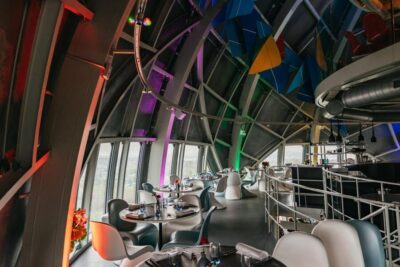
Atomium Entry Ticket with Design Museum Ticket
Read our review →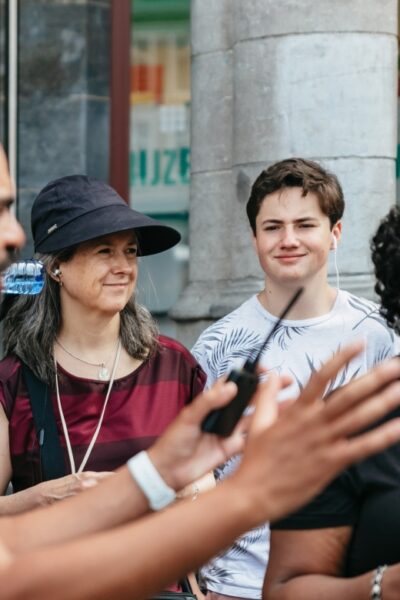

Choco-Story Brussels: Chocolate Museum Entrance with Tasting
Read our review →
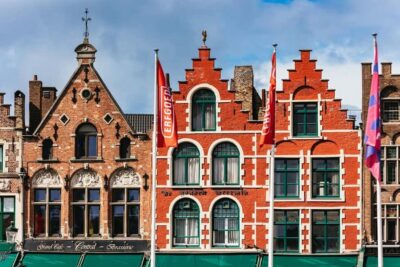
Bruges and Ghent – Belgium’s Fairytale Cities – from Brussels
Read our review →