Reviewed · BRUSSELS EXPERIENCES
Brussels, 1000 Years of Struggles
Marolles turns streets into a fight story. This 1000 Years of Struggles walk in Brussels makes the Marolles neighborhood feel like a living timeline, with social conflict told in a playful, funny way and anchored by real events.
I especially like how the tour mixes big moments with side streets, so you are not stuck staring at only the usual sights. The route also brings in the topic of gentrification, explaining how neighborhood change can reshape everyday life and who gets pushed or pulled along. One thing to keep in mind: one recent booking noted an extra 3 euros at the end, so have a little cash just in case.
In This Review
- Key highlights you should care about
- A Marolles walk through 1000 years of social conflict
- What the 2-hour route actually covers in Marolles
- Battle of the Marolles (1969): a turning point you can picture
- The Mattress War (1989): how daily life becomes protest
- Humor, interaction, and guide Simon’s style
- Gentrification in plain language: what changes, what stays
- Price and value: what $3.53 buys you for 2 hours
- Bring the right expectations: what is included and what is not
- Where this tour fits best in your Brussels plans
- Who should book this Marolles struggles tour
- Should you book the 1000 Years of Struggles walk with Brussels By Foot?
- FAQ
- How long is the Brussels 1000 Years of Struggles tour?
- Where does the tour start?
- What languages are the guided tours offered in?
- Is the guided tour price only for the guide, or does it include food and drinks?
- Is transportation like pickup included?
- Can I cancel and get a full refund?
Key highlights you should care about
- 1000 years of struggles, told as a walking story across the Marolles district
- Two event anchors: the Battle of the Marolles (1969) and the Mattress War (1989)
- Humor and interaction that keeps the history from feeling like a lecture
- Less-known alleys and dead ends, so you see Marolles beyond the main roads
- Gentrification as a theme, described as socio-economic change when higher-income residents move in
- Live guide in English or French for a more personal, question-friendly walk
A few more Brussels afternoons to weigh up
- Brussels: Atomium Entry Ticket with Design Museum Ticket
★ 4.4 · 9,254 reviews - From Brussels: Guided Day Trip to Bruges and Ghent
★ 4.6 · 8,353 reviews - From Brussels: Bruges & Ghent Day Tour – 2 Fairytale Cities
★ 4.7 · 8,242 reviews - Choco-Story Brussels: Chocolate Museum Entrance with Tasting
★ 4.3 · 4,883 reviews - Bruges and Ghent – Belgium’s Fairytale Cities – from Brussels
★ 4.0 · 4,809 reviews
A Marolles walk through 1000 years of social conflict
Brussels has plenty of classic sights. This tour goes after something different. It frames the Marolles neighborhood as a place where people kept pushing back, organizing, and arguing about housing, rights, and daily survival. You are not hearing a polite postcard version of the city. You are getting a practical, street-level view of how conflict can shape a neighborhood’s identity.
What makes it interesting is the tone. The walk is described as playful and funny, with anecdotes and stories instead of dry dates. That matters because social history can feel heavy fast. Humor and interaction help you stay present, and they make it easier to remember what you just learned while you are still standing in the exact area where it played out.
What the 2-hour route actually covers in Marolles
This is a 2-hour guided tour that criss-crosses the Marolles district. The emphasis is on coverage, not rushing from one named monument to another. You pass by several important spots in the neighborhood, then the guide guides you into less-known areas, including alleys and even dead ends.
Here is what that means for your expectations. You should think of this as a story route. The guide is using the streets like chapters. Some of the struggle stories are older, and some are more recent, which keeps the neighborhood from feeling frozen in time. If you like walking tours that teach you how to read a neighborhood, this format fits well.
You also get a strong sense of how the past and present overlap. Marolles is not just a background. It is the point. By the time you finish, you should have a better mental map of where social tension tends to show up in the built environment, whether it is about space, community, or who feels at home where.
Battle of the Marolles (1969): a turning point you can picture
One of the tour’s headline moments is tied to the Battle of the Marolles (1969). In the real world, that kind of name usually points to a fight for something concrete. On this walk, the point is less about memorizing a sequence of events and more about understanding what it signals about the neighborhood’s social pressures.
You will hit a location connected with that story as you move through Marolles. The guide uses the setting to explain what the conflict was about in human terms, how it affected people locally, and why it became part of the area’s identity. Because the tour is a walking format, you can connect the dots between what you are hearing and what you are seeing in front of you.
A practical tip: listen for the why behind the conflict. Names and years are helpful, but the most useful takeaway is how ordinary people respond when systems do not work for them. That is what these “street history” stories are built to give you.
The Mattress War (1989): how daily life becomes protest
The other major anchor is the Mattress War (1989). The name is specific, and that alone tells you the story likely starts with everyday reality. On this tour, the Mattress War is presented as one of the key social struggle events that shaped Marolles.
What I like about this kind of stop is that it often reframes history. Instead of protests that feel abstract, you are looking at a conflict that grows out of daily life. Even if you do not know the details going in, the guide’s job is to show you how small disruptions and local stakes can build into something larger.
You should also expect the storytelling to connect back to the neighborhood today. Marolles does not live in a museum. The guide’s explanation helps you see how older conflicts set patterns that later generations keep reacting to, whether the trigger is housing, dignity, or control over shared spaces.
Still got an afternoon? Try these:
Humor, interaction, and guide Simon’s style
A big reason this tour scores well is the delivery. The approach is playful and funny, and it is not just a monologue. One booking highlights a guide named Simon, describing a passion for the material plus an interactive, humorous tone.
That matters because social struggle stories are easier to follow when you can ask questions or when the guide keeps steering attention to what is relevant right in front of you. Humor does not erase the seriousness. It just lowers the barrier to learning.
So if you like tours where you can talk back, or at least where the guide keeps you mentally engaged, this is the kind of format to choose. If you prefer silence and a lecture-only vibe, you may find the tone too lively. But the tone is part of the product here.
Gentrification in plain language: what changes, what stays
One of the most interesting themes connected to this tour is gentrification. In a reported description of the walk, it is explained as a socio-economic shift that happens when higher-income residents move into a neighborhood. That frame is practical. It tells you to watch for changes in who can afford to stay, who has power, and how the meaning of “community” can shift.
On the street, gentrification is not a slogan. It shows up in how places feel, who uses them comfortably, and who gets priced out of the familiar routines. By weaving this into the walk, the tour helps you make sense of why Marolles still feels like a place where people argue about the rules of city life.
If you want a Brussels experience that goes beyond architecture, this theme is one of the best reasons to book. It gives you a lens for what you might see after the tour, whether you are eating nearby, browsing shops, or just walking through the neighborhood on your own.
Price and value: what $3.53 buys you for 2 hours
At $3.53 per person for a 2-hour live guided walking tour, the price is strikingly low. That is why you should treat this as a “high value, low cost” way to get context.
What you do get is clear: a guided tour with a live guide in English or French, plus storytelling about the Battle of the Marolles (1969), the Mattress War (1989), and broader social struggles across Marolles. For the cost, you are basically buying an interpretation of the streets, and that is often the expensive part of travel.
What you should not assume is that the tour includes extras. Drinks and food are not included, and there is no pickup. Also, one recent booking pointed out an extra 3 euros payment at the end that was not expected. That does not mean it will happen every time, but it is enough to be a sensible heads-up. Bring a little extra budget in case the guide asks for it on the day.
Bring the right expectations: what is included and what is not
This experience includes a guided tour. That is it. No drinks. No food. No pickup.
That affects your planning more than you might think. Since there is no pickup, you need to get yourself to the meeting point, which can vary based on the option booked. Since drinks and food are not included, treat this like a walk where you might want water before you start, especially in warm weather.
Also remember it is a walking route across Marolles, including alleys and dead ends. Comfortable shoes make a difference. If you know you prefer minimal walking, consider that this tour is built on movement and close-up street storytelling.
Where this tour fits best in your Brussels plans
This is a strong pick if you want more than landmarks. If you like neighborhood walks, social history, and stories tied to real locations, the Marolles focus is exactly the sort of off-center Brussels experience that helps you understand the city’s personality.
It also works well if you only have a small slice of time. Two hours is a manageable chunk. You can fit it between other plans, then continue exploring Marolles on your own afterward with a clearer sense of what you are looking at.
If you want a classic “top sights” day, this should not replace that. Think of it as a different angle on Brussels: one that explains how everyday life and social conflict have shaped what you see today.
Who should book this Marolles struggles tour
Book this tour if you:
- Like walking tours where the guide tells stories tied to specific places
- Want a humor-forward approach to social conflict and protest history
- Are curious about the Marolles district and how it has changed over time, including through gentrification
- Prefer live guiding in English or French
Consider another option if you:
- Want only major famous monuments, no side streets
- Dislike interactive or humorous guiding styles
- Are extremely sensitive to unexpected on-the-day costs, given the reported extra 3 euros payment
Should you book the 1000 Years of Struggles walk with Brussels By Foot?
If you are choosing between another “checklist Brussels” plan and a story-driven neighborhood walk, this one is a smart bet. The focus on Marolles, the two big anchors (1969 and 1989), and the emphasis on alleys, dead ends, and street-level context make it feel more like understanding the city than just seeing it.
At $3.53 for 2 hours with a live guide in English or French, the value is hard to ignore. Just do two small things to travel smarter: go with comfy shoes, and keep a little extra cash on hand in case there is an end-of-tour payment, since that has been reported for at least one recent booking.
If your ideal Brussels day includes real neighborhood texture and social meaning, book it. If your goal is purely iconic sights, you might be happier elsewhere.
FAQ
How long is the Brussels 1000 Years of Struggles tour?
The duration is 2 hours.
Where does the tour start?
The meeting point may vary depending on the option you booked.
What languages are the guided tours offered in?
The live tour guide is available in English and French.
Is the guided tour price only for the guide, or does it include food and drinks?
The tour includes the guided tour. Drinks and food are not included.
Is transportation like pickup included?
No. Pick up is not included.
Can I cancel and get a full refund?
Yes. You can cancel up to 24 hours in advance for a full refund.
Latest from Brussels





Brussels Experiences, compared.
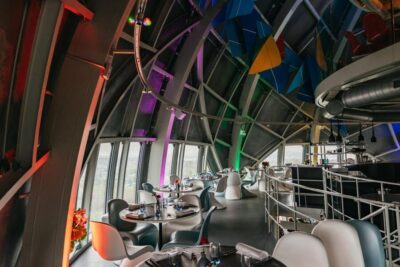
Atomium Entry Ticket with Design Museum Ticket
Read our review →
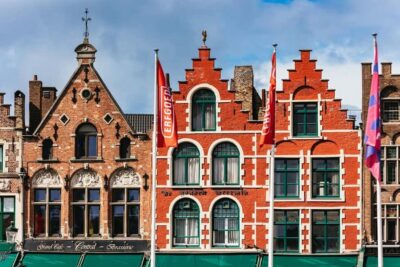

Choco-Story Brussels: Chocolate Museum Entrance with Tasting
Read our review →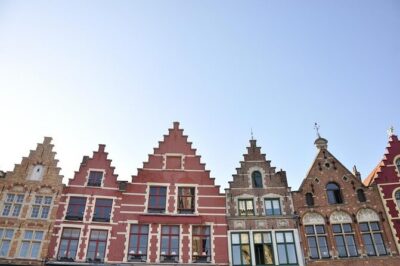
Bruges and Ghent – Belgium’s Fairytale Cities – from Brussels
Read our review →