
Reviewed · MUSEUMS
Antwerp: Royal Museum of Fine Arts Entry Ticket
One museum, and suddenly you’re time-traveling. With your KMSKA entry ticket, you can wander through Antwerp’s Royal Museum of Fine Arts and connect artists across centuries, from the old masters to contemporary art. I like how it keeps the experience personal, slow, and hands-on, even though you’re looking at world-famous names.
What I love most are the museum’s major anchor collections and the way the setting supports different moods. You’ll see the world’s largest collection of James Ensor works, and you also get that satisfying jump from baroque color and precision into modern symbolism and art of the 20th century.
One thing to consider: the museum is huge, and temporary exhibitions may or may not be accessible depending on room capacity. If you only want one specific special exhibit, plan your timing carefully.
In This Review
- Key things you should know
- Royal Museum of Fine Arts Antwerp in one day
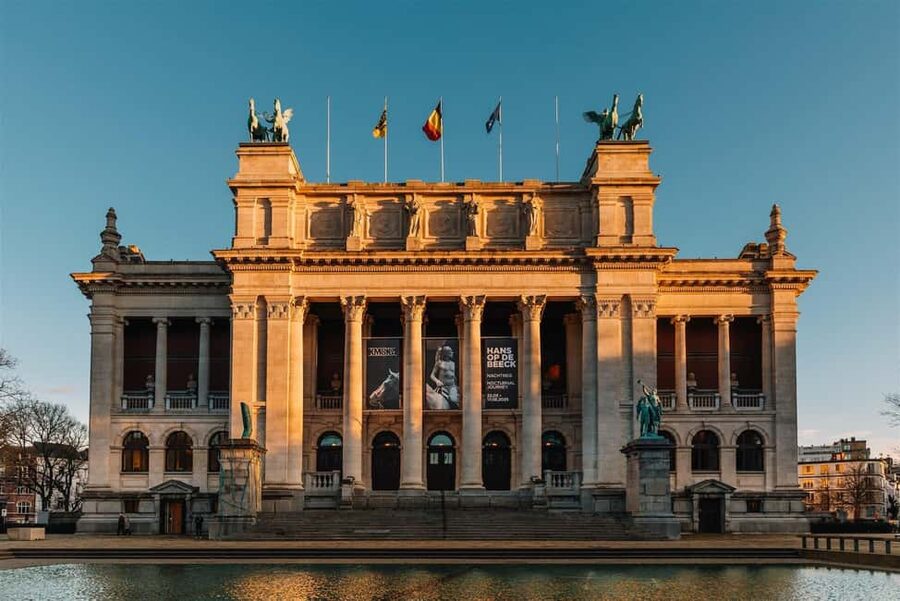
- Entering KMSKA: what the building does to your visit
- Major masters you should plan around: Rubens, Van Eyck, Ensor
- Rubens: color and movement you can feel
- Jan Van Eyck: precision that rewards close looking
- James Ensor: the world’s largest collection, and it changes you
- Where Magritte, Wouters, and 20th-century Belgium fit in
- Magritte: symbolism that plays with meaning
- Rik Wouters: lightness, then power
- Contemporary art in the permanent collection: Dumas and De Bruyckere
- Temporary exhibitions and KMSKA LAAT: how to time your visit
- Practical visit plan: lockers, museum app, and smart pacing
- Getting there in Antwerp: tram, bus, and bike parking
- Value check: is a $27 entry ticket worth it?
- Should you book the KMSKA entry ticket?
Key things you should know
- World-class Ensor collection: a big reason to come, and worth giving extra time.
- Historic plus modern galleries: you’re not stuck in one style of space.
- Major Flemish artists in one loop: Rubens, Van Eyck, Magritte, Wouters, and more.
- No guided tour included: you get flexibility, but you’ll want a simple game plan.
- Events can change the feel: KMSKA LAAT adds late-night energy on select dates.
- Temporary exhibitions depend on capacity: check what’s running when you go.
More Museum Visits in Antwerp:
- Brussels: Atomium Entry Ticket with Design Museum Ticket
★ 4.4 · 9,254 reviews - Choco-Story Brussels: Chocolate Museum Entrance with Tasting
★ 4.3 · 4,883 reviews - Bruges: Choco-Story Museum with Audio Guide and Tastings
★ 4.2 · 1,825 reviews - Brussels: Chocolate Museum Visit with Workshop
★ 4.6 · 1,474 reviews - Brussels: Autoworld Museum Ticket
★ 4.7 · 1,301 reviews
Royal Museum of Fine Arts Antwerp in one day
If you’re short on time in Antwerp, this ticket is a strong move. The duration is 1 day, but the museum’s spread over historic halls and modern spaces means you can pace yourself without feeling boxed in.
I like that you’re not required to follow a rigid schedule. You can spend your best energy on the artists you care about most, then let the rest surprise you. The best strategy is to decide early what you want to hit, then leave wiggle room for the artworks that quietly pull you off track.
And yes, the highlights are big ones. You’ll encounter Rubens, James Ensor, Jan Van Eyck, Magritte, Rik Wouters, plus contemporary artists including Marlene Dumas and Berlinde De Bruyckere. That range matters. It turns a museum visit into a story of how art changed in Belgium and beyond, without needing to read a single textbook.
Entering KMSKA: what the building does to your visit
This museum is not just about the collection. The building experience shapes how you see the art.
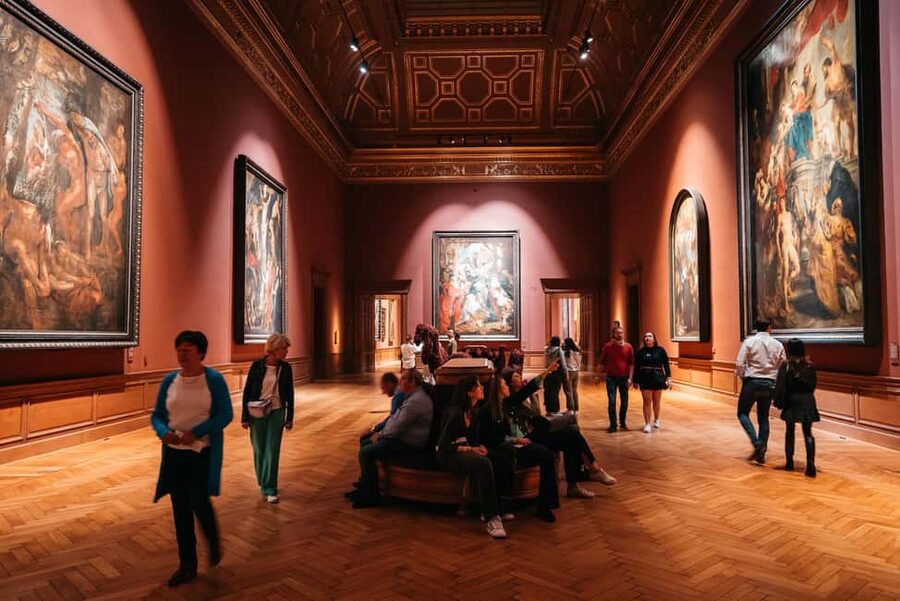
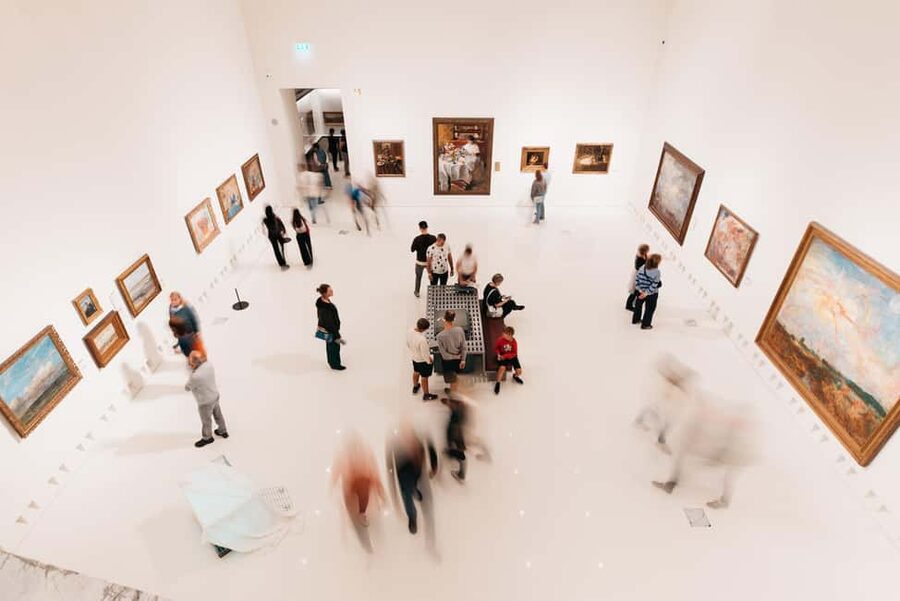
KMSKA mixes historic halls with modern spaces, so the museum rhythm feels like a conversation between eras. When you move from older rooms to newer galleries, your eyes reset. That helps you appreciate contrasts, like when detailed realism (think Van Eyck-level precision) sits near work that values mood, symbol, or distortion.
In practice, this matters because you can treat the day like different chapters. Start with a classic visual intensity, then switch gears to something more psychological or symbolic. If you rush everything, you’ll miss that emotional shift.
If you like architecture as part of the show, plan time to slow down in the corridors and transitional areas. Those in-between moments help your brain adjust, so the next artwork hits with more impact.
Major masters you should plan around: Rubens, Van Eyck, Ensor
Let’s be honest, the temptation is to sprint toward famous names. A better approach is to pick your priority order and give each artist the time they deserve.
Rubens: color and movement you can feel
You’ll be looking at baroque power, the kind that makes paintings feel loud even when you’re standing still. Rubens at KMSKA is the early jolt. It sets expectations for energy, drama, and rich visual storytelling.
Rubens works also help you get your bearings. After you’ve seen how the museum displays movement and color, you’ll start noticing how later artists either borrow from that intensity or reject it.
A few more Antwerp afternoons to weigh up
Jan Van Eyck: precision that rewards close looking
Then comes the opposite energy. Van Eyck’s work is meticulous, the kind that makes you slow down without trying. This is where your visit becomes more active, because you’ll naturally lean in and scan surfaces for tiny cues.
If you get impatient with museums, Van Eyck is a fix. The art trains your attention. You spend time with details, and suddenly you’re not thinking about time at all.
James Ensor: the world’s largest collection, and it changes you
The standout highlight here is Ensor, with the world’s largest collection of his works. The museum doesn’t treat him like a side note. You get a sense of his obsession with masks, mystery, and the strange theater of human emotion.
Ensor is also a great bridge. You can move from older influences into more psychological, symbol-heavy ideas without feeling like you skipped steps. If you’re the type who loves visual puzzles, this is where you’ll get fed.
Tip: start earlier if you can. One visit experience described that at 10:00 a.m. there were fewer people, making it easier to see works at a comfortable pace. Even if crowds change day to day, arriving around opening time is usually a smart way to make room for close looking.
Where Magritte, Wouters, and 20th-century Belgium fit in
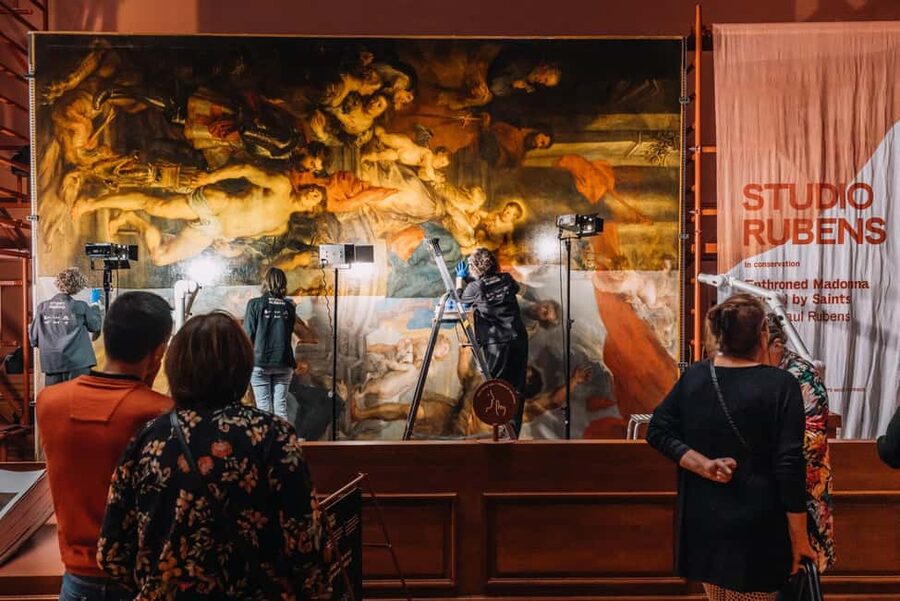
KMSKA doesn’t keep the 20th century in a separate corner of your day. It positions later art so the museum feels like one continuous conversation.
Magritte: symbolism that plays with meaning
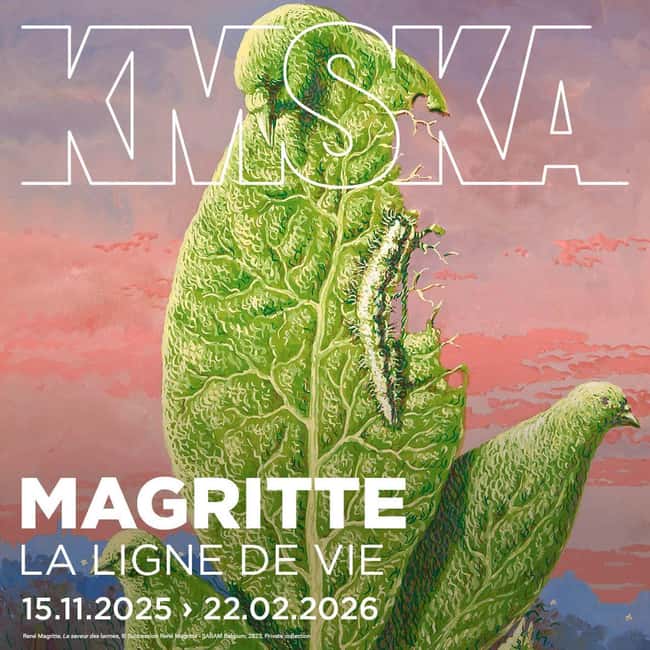
When you encounter Magritte, you’ll shift from technical realism and baroque drama into symbolism and the strange logic of dreams. His works are the kind where your first reaction is often mental, not emotional. You think, wait, what am I looking at?
That’s valuable because it changes how you move through the galleries. Instead of just reading images, you start interpreting them. It’s a different skill set, and it’s fun to practice on your own timeline.
Rik Wouters: lightness, then power
Rik Wouters brings in another flavor, the combination of lightness and strength. You’ll get a sense of how 20th-century artists developed new ways to show form and feeling without copying the old rules.
Wouters is a good “breather” after heavy visual giants. He helps you stay present, not just impressed.
Contemporary art in the permanent collection: Dumas and De Bruyckere

What I appreciate about KMSKA’s approach is that contemporary art doesn’t feel like a separate planet. You’ll find contemporary artists such as Marlene Dumas and Berlinde De Bruyckere, and their work pushes you toward empathy, not just aesthetic appreciation.
Dumas is the kind of artist who often makes you confront the human condition in direct, sometimes uncomfortable ways. You may find yourself stepping back and asking what’s being revealed, and what’s being withheld.
De Bruyckere tends to pull on vulnerability and physical presence. It can be intense, but it’s also honest. That honesty is exactly why her work works well inside a museum that also holds older masterworks. The museum lets you compare how artists express fragility across centuries.
A practical way to handle contemporary art: don’t try to “solve” it quickly. Give it a minute of quiet. If you keep moving, you’ll only get the first impression. If you pause, the work starts to show you why it was made.
Temporary exhibitions and KMSKA LAAT: how to time your visit
Your ticket covers the permanent collection in both historic and modern galleries. That’s the core plan, and it’s already substantial.
Temporary exhibitions are a bonus, but they’re not guaranteed. Access depends on the capacity of the exhibition rooms. So if a temporary show is your main reason for coming, you’ll want to check what’s on before you go and be ready to adjust if rooms are full.
There’s also KMSKA LAAT, the museum’s late-night experience. If your visit date includes one of those events, it can completely change the atmosphere. Think of it as art plus performance plus the kind of energy that makes you notice details you’d normally rush.
If you want maximum value from your 1 day, consider this rule of thumb: focus on the permanent collection first, then add the temporary work only if you still have energy.
Practical visit plan: lockers, museum app, and smart pacing
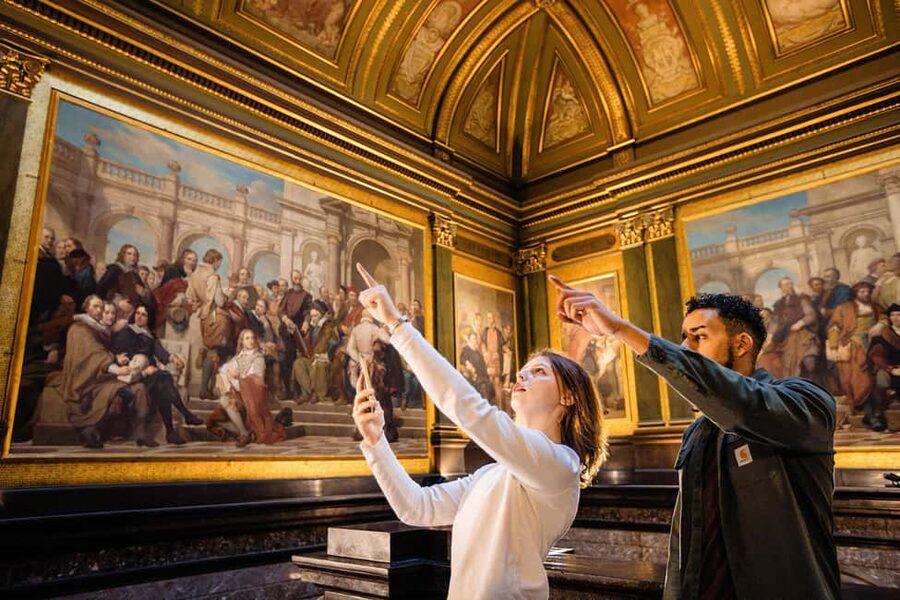
A museum like this can easily eat your whole day if you don’t set a rhythm. The good news is KMSKA gives you tools that make self-guided exploring easier.
You get free lockers, plus free WiFi and the free Museumapp. I’d use the app early, not late. Figure out your route, mark the artists you most want, then go. When you return to your plan later, the app helps you avoid wandering in circles.
On photography: personal photo and video recording is allowed, but no flash, and you should avoid tripods or selfie sticks. If you need photos for your own memory, plan for quick shots and then move back into slow looking.
Also, no pets are permitted (except assistance dogs), and smoking is not allowed. Scooters aren’t permitted either. It’s one of those rules sets that keeps the experience comfortable for everyone.
Timing matters too. Opening hours vary:
- Weekdays: 10:00 a.m. to 5:00 p.m.
- Saturdays, Sundays, and official holidays: 10:00 a.m. to 6:00 p.m.
- Thursdays: 10:00 a.m. to 10:00 p.m.
- Closed 25 December and 1 January
If you’re trying to fit this into a tight Antwerp schedule, Thursday late hours are your friend.
Getting there in Antwerp: tram, bus, and bike parking
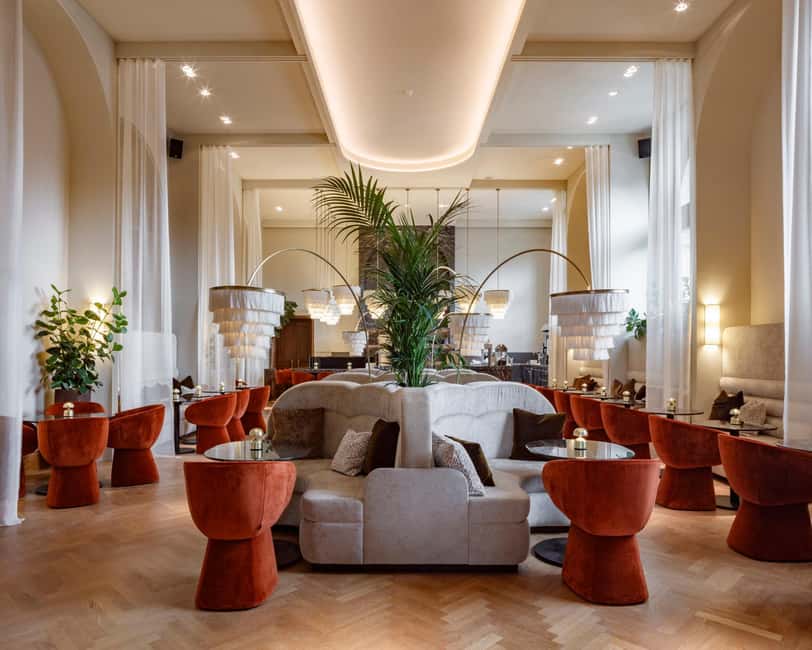
Getting to KMSKA is straightforward because it’s near multiple stops and bike options.
By tram:
- Take line 4 and get off at Museum stop.
By tram or bus:
- Lines 1 and 10 stop at Bres, about 500 m from the museum.
For route planning, use De Lijn’s tools.
If you prefer biking, there are several Vélo stations near the museum. There’s also secure bicycle parking in parking Steendok, under the Gedempte Zuiderdokken.
This is a nice touch for day-trip travelers from nearby neighborhoods. Antwerp is very workable on foot once you get in the core areas.
Value check: is a $27 entry ticket worth it?
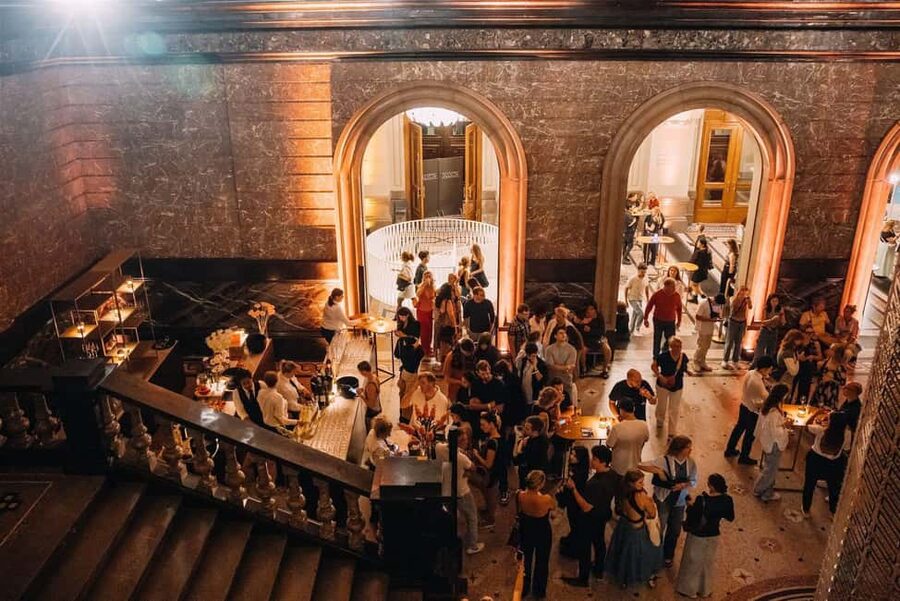
At $27 per person, the value depends on one thing: how much you’ll actually see.
Here’s why I think it’s reasonable. You’re paying for access to the permanent collection, and that permanent collection includes:
- major works tied to Rubens, Ensor, Van Eyck, and Magritte
- 700 years of art history (so you’re not just getting a single period)
- modern and contemporary presence, including Wouters and names like Dumas and De Bruyckere
- a museum setup that’s designed for wandering, not just ticking boxes
You’d struggle to replicate that concentration of key names with a half-day museum circuit, especially if you also factor in the included freebies: lockers, WiFi, and the Museumapp.
So if you’re the kind of visitor who reads wall texts for a bit, pauses often, and lets a museum change your mood, this ticket hits the sweet spot.
Should you book the KMSKA entry ticket?
I’d book it if you want one day of art that moves across centuries while still feeling like a coherent experience. The Ensor collection alone is a strong reason, and the mix of Rubens, Van Eyck, Magritte, and 20th-century and contemporary artists keeps the day from becoming repetitive.
Skip it or plan differently if:
- you only want one temporary exhibition, since access to temporary rooms can depend on capacity
- you hate self-guided museums, because there’s no guided tour included with this ticket
If you’re flexible, go early around 10:00 a.m. for a calmer pace, then let the building and the art decide the rest.
Latest from Antwerp



Museums, compared.
Atomium Entry Ticket with Design Museum Ticket
Read our review →
Choco-Story Brussels: Chocolate Museum Entrance with Tasting
Read our review →
Choco-Story Museum with Audio Guide and Tastings
Read our review →

The World of Banksy Museum Permanent Exhibition
Read our review →
Browse the lists this tour appears in