
Reviewed · CHOCOLATE MAKING WORKSHOPS
Private Chocolate Tasting Experience in Ghent
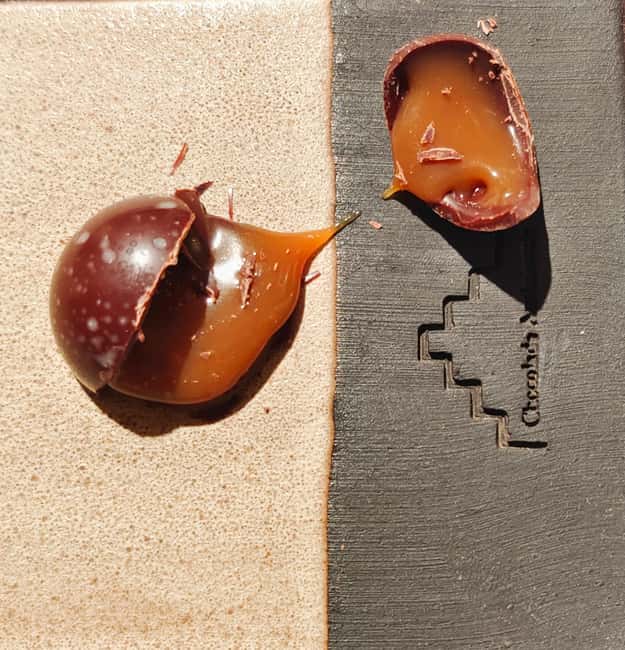
A Belgian chocolate lesson can start with one tiny square. In this private 2-hour tasting with Chocolade Ambassade, I love the way you learn quality signals (aroma, texture, and flavor) while you sample artisanal chocolates from multiple makers. The other big win is the pairing focus, often with beer or wine, plus coffee or other options depending on your interests. One thing to consider is that it is not a factory tour, so you should not expect chocolate-making with tempering or candy crafting.
I also like how interactive it stays. You pick a theme (process, sustainability, history, trends, origins), and the host works your questions into the tasting so it feels like a guided conversation, not a slideshow.
In This Review
- Key highlights you will feel during the tasting
- Entering Ghent chocolate land, steps from Gravensteen
- Two hours, and no factory show: what this experience actually is
- How you become a Belgian chocolate expert, one sense at a time
- The tailoring part: you choose the chocolate theme
- Pairing chocolate with wine, beer, and coffee without the guesswork
- Cacao origins and sustainability, with product choices that feel current
- What you will actually taste: variety from top Belgian chocolatiers
- Price and value: is 147 per person worth it?
- Practical tips for a smooth, comfortable visit
- Who should book this private chocolate tasting in Ghent?
- Should you book this private chocolate tasting?
- FAQ
- Is this a factory tour or chocolate-making workshop?
- What happens during the 2-hour private session?
- What is included in the tasting?
- Where do I meet the guide?
- What languages are available for the guide?
- Is the shop wheelchair accessible?
Key highlights you will feel during the tasting
- Private, tailored flow: You choose a theme, and the session adjusts around your questions and tastes
- Quality training for real-world tasting: Learn to spot good chocolate by aroma, flavor profile, and texture
- Pairings that make sense: Try chocolate with a companion drink (like beer or wine) and learn why they work
- Cacao origin and sustainability angles: You explore terroir and sustainable product directions, not just brand names
- Multiple Belgian makers, not one-house sampling: You get a range of styles and flavor approaches in one visit
- Small refreshment basics included: Coffee, tea, and (sparkling) water show up alongside the tasting
More Chocolate Tastings in Ghent
- Ghent: Belgian Chocolate Walking Tour with Tastings
★ 4.9 · 259 reviews - Brussels: Bruges & Ghent Tour w/ Cruise & Chocolate Tasting
★ 4.2 · 144 reviews - Ghent: Famous Belgian Chocolate Walking Tour with Tastings
★ 5.0 · 131 reviews - Ghent: Guided City Tour with Chocolate Tastings
★ 4.8 · 36 reviews - Charlie’s Private Chocolate Tour (Ghent)
★ 5.0 · 34 reviews
Entering Ghent chocolate land, steps from Gravensteen
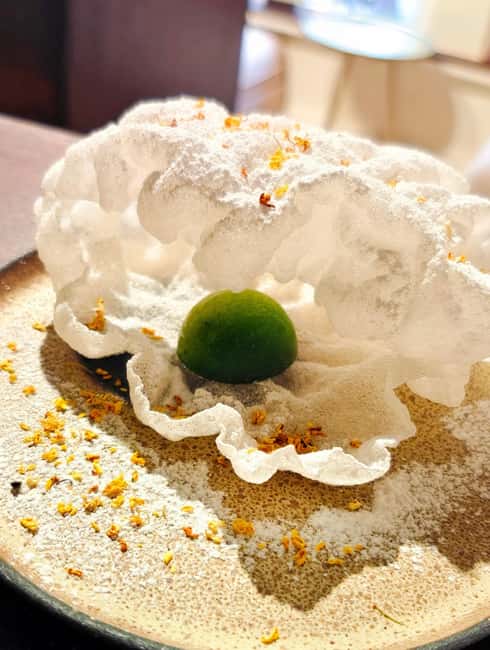
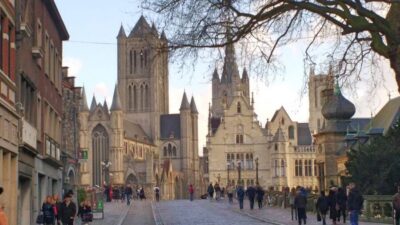
The meeting point is easy to find once you know the landmark. The Chocolade Ambassade shop sits just around the corner from Gravensteen castle, and you are looking for the tallest traditional Flemish “stairs” house.
What I like here is the practical rhythm: you are in central Ghent where you can tack this onto other sights without planning a special trip across town. And because it is a shop setting, the atmosphere is built for careful tasting, not crowds and noise.
One more thing to note, since it matters for comfort: the shop is in a historical building. It is not easily accessible by wheelchair, so if mobility is a concern, you should contact them ahead of time so you can plan for what will work.
Two hours, and no factory show: what this experience actually is
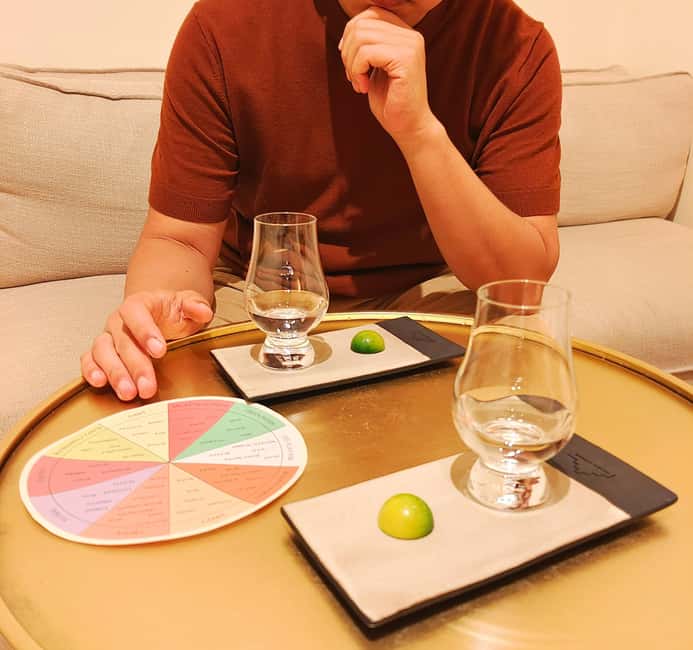
This is a tasting and learning experience, not a hands-on chocolate workshop. The session centers on tasting, appreciating, and understanding chocolate, and it is explicitly not a factory tour or a demo where you temper, melt, or craft truffles and bonbons.
That might sound like a downside if you were hoping for a “make-your-own candy” moment. But it is also the reason this experience can stay focused. You get time to compare flavors side by side and to learn what you are tasting, which is the skill that keeps paying off long after Ghent.
During the 2 hours, you should expect several rounds of samples plus short explanations that connect each chocolate to the bigger story. The pacing is designed to keep you tasting, then processing, then tasting again, so the session stays lively rather than repetitive.
How you become a Belgian chocolate expert, one sense at a time
The whole point is to help you taste like a pro, or at least like someone who knows what to look for. You learn why Belgian chocolate is so world-renowned, and you get a clear look at how it is made, from cacao basics through the final product.
The most useful training is the one that helps you judge quality on your own. You will work with cues like:
- Aroma: what it smells like before you even taste
- Texture: how it feels as it melts or stays firm
- Flavor profile: whether the chocolate reads fruity, nutty, roasty, caramel-like, or more cocoa-driven
This matters because most tastings only teach preference. This one teaches evaluation. Afterward, you are better at asking questions like, Why does this one taste smoother? Why does that one feel more intense? And what kind of chocolate am I actually buying?
Also, it is guided by a couple behind Chocolade Ambassade, Ghent foodies who spent about 3 years exploring Belgian artisanal chocolate and tasting from over 100 craft chocolate makers. That background shows up in how they connect maker choices to flavor outcomes, rather than treating each sample like a random surprise.
The tailoring part: you choose the chocolate theme
You do not get a one-size-fits-all tasting. The experience is designed to be tailored to your interests, and you start by choosing what you want the session to focus on.
Possible themes include:
- The chocolate-making process and what affects quality
- Food pairing with a drink, and you can choose a direction like wine or beer
- Sustainability and exploring newer cacao-related products
- History and trends in the Belgian chocolate world
- Comparing chocolate to specialty coffee
- Cacao origins and terroir, including chocolates from around the world
The best part is the back-and-forth. After booking, you receive an email to arrange a time and learn more about your preferences. Then your guide weaves your questions into the session, so it stays interactive.
That means if you have one stuck question, like what makes a chocolate feel “clean” versus “heavy,” you can steer the conversation toward that.
More Food Tastings in Ghent
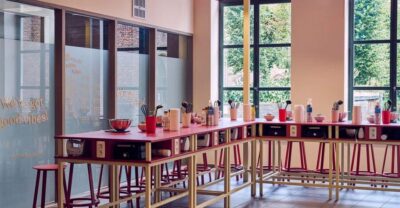
Pairing chocolate with wine, beer, and coffee without the guesswork
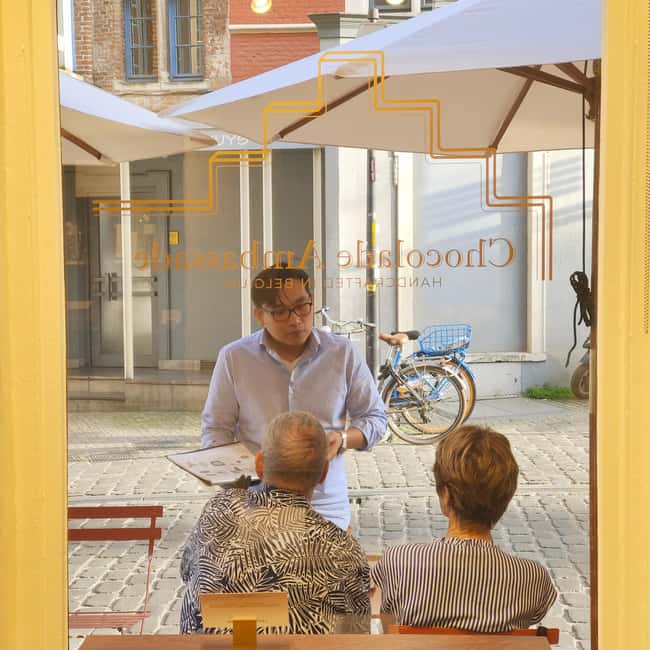
One of the big reasons this tasting lands for people is the pairing logic. Chocolate is not just sweet, it has fat, cocoa solids, and aromatic compounds. Pairings can make those details pop, or they can fight each other.
You can choose the direction you care about. If you are a wine person, you will likely explore similarities in structure, like how bitterness and aroma land in both wine and chocolate. If you prefer beer, you get pairings that take advantage of malt, hop bitterness, or carbonation.
If you love coffee, you can compare chocolate to specialty coffee and learn how roasting and flavor compounds overlap. Even if you do not obsess over coffee at home, the way these comparisons make you notice aroma and aftertaste will stick.
Just remember this is still a tasting. You are not getting a long lecture on pairing theory. You are tasting, learning why the pairing works, and then tasting again so it becomes practical, not just theoretical.
Cacao origins and sustainability, with product choices that feel current
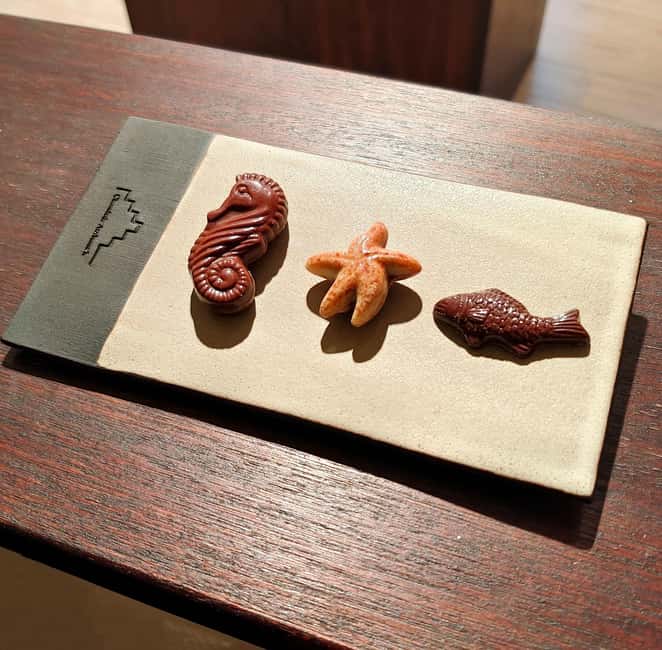
Belgian chocolate is famous, but cacao origins are where the story gets interesting fast. In this experience, you can explore terroir and cacao sources, including chocolates that reflect different regions and flavor styles.
Sustainability is not presented as a buzzword either. The session includes discussion and sampling of sustainable cacao products and newer directions in the craft chocolate world. The goal is to show how values connect to what is in the bar, not just what is printed on the packaging.
Why this is valuable for you, even if you only buy chocolate occasionally: it helps you spot trends that affect taste. When sourcing or processing choices change, flavor tends to change too. Once you understand that link, you can buy more intentionally instead of chasing whatever brand is trending.
What you will actually taste: variety from top Belgian chocolatiers
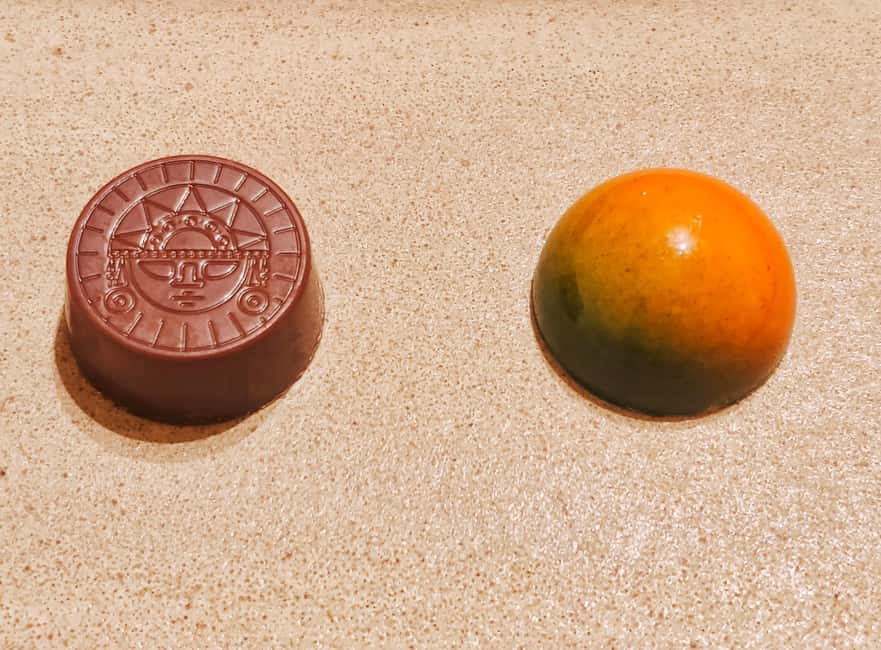
You are sampling Belgian artisanal chocolates from different chocolate makers, plus various cacao products. The selection is built to show contrast, not just one style repeated.
This is also why the experience avoids the common “samey” tasting trap. When you compare chocolates from different makers, you can start to detect what comes from bean selection, what comes from recipe choices, and what comes from technique. Even if your palate is still learning, your brain can pick up patterns quickly when the differences are real.
You also get a unique chocolate pairing during the session. And drinks are included: coffee, tea, and (sparkling) water.
If you are thinking about whether you will leave full, it is a tasting, not a meal. Plan to eat normally before or after, depending on your schedule and how hungry you tend to get during guided tastings.
Price and value: is 147 per person worth it?
At $147 per person, this is not a cheap snack stop. So the real question is what you get for that price.
You are paying for three things that most generic chocolate tastings do not offer:
- A private, tailored format based on your theme and preferences
- Instruction built around tasting skills, not just eating chocolates
- A sampling program that includes multiple makers plus a pairing and drinks
Two hours with a guide can sound like “just a tasting,” but the learning component is what increases value. If you want to learn how to buy better chocolate, recognize quality, and understand why pairings work, this price starts to make sense.
If you only want a quick taste and you do not care about learning, you might feel it is pricey. But if you are the kind of person who enjoys food with context, this is one of those experiences where the explanations and comparisons are the product, not the side dish.
Practical tips for a smooth, comfortable visit
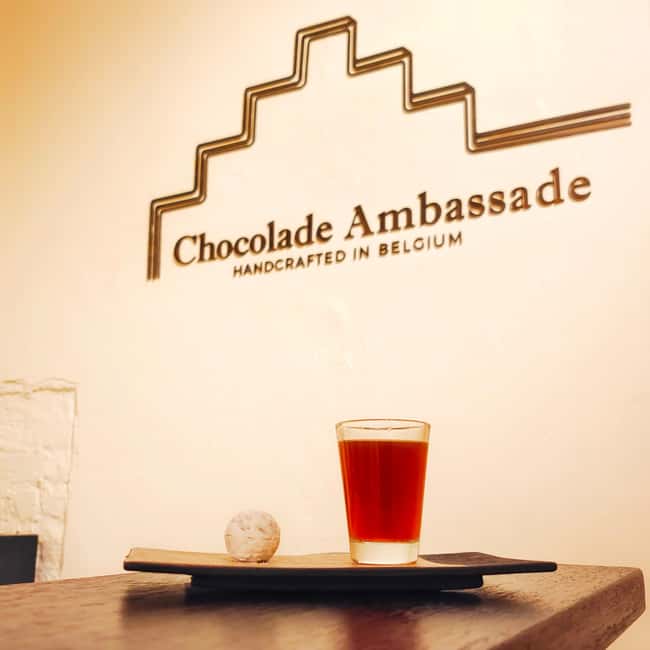
Here are the small details that help you get more out of the session.
First, tell them about allergies or sensitivities ahead of time. The products may contain traces of gluten, eggs, milk, soy, nuts, and sesame. If you have even mild sensitivities, do not guess. Communicate clearly so they can guide you through what fits.
Second, come ready to taste slowly. Chocolate rewards patience. If you rush, you lose the chance to notice texture differences and the way aromas change as the chocolate melts.
Third, plan your theme before you arrive. If you are torn between origins, sustainability, and pairing, pick one as the main focus. You can still learn the other topics, but having a primary interest keeps the session sharper.
Fourth, think about timing. It is a 2-hour private experience, so choose a time when you are not sprinting between sights. You want space for conversation and for savoring the samples.
Finally, language matters. The guide supports English, Dutch, and Chinese, so choose what makes you comfortable asking questions. This kind of experience gets better when you can talk freely.
Who should book this private chocolate tasting in Ghent?
This experience is a great fit if you:
- Want a guided food moment that feels personal, not mass-produced
- Enjoy learning through tasting, with explanations you can use at home
- Like Belgian craft chocolate but want to go beyond basic brand names
- Care about pairing flavors, especially with wine, beer, coffee, or similar drinks
- Are curious about sustainability and cacao origins, not just sweetness
It may be less ideal if you expected a hands-on workshop where you make candy. This one is focused on tasting and understanding, not crafting.
It is also a good option for couples and small groups who want a calmer experience inside a shop setting. The “private” format matters because it gives the guide room to tailor the pace and topics to you.
Should you book this private chocolate tasting?
Yes, I would book it if you want value that goes beyond eating chocolate. The strengths are the tailored theme, the teaching around quality (aroma, texture, flavor), and the pairing focus, plus the cacao origin and sustainability angle.
Skip it only if your goal is strictly a quick, casual bite with minimal learning, or if you were specifically hoping for a chocolate-making workshop. If you are okay treating this as a guided tasting course, you will likely leave with better instincts, not just a sugar memory.
One final decision tip: if you can name what you are most curious about, like beer pairings or cacao origins, you will get the most out of the tailoring. This experience is built to reward that kind of curiosity.
FAQ
Is this a factory tour or chocolate-making workshop?
No. This is an interactive tasting and learning experience. It is not a factory tour and it does not include hands-on chocolate making like tempering, melting, or crafting truffles and bonbons.
What happens during the 2-hour private session?
You sample a variety of Belgian artisanal chocolates and cacao products, and you get guidance on the process, quality, and appreciation of chocolate. The session also includes a unique chocolate pairing, and it can focus on themes you choose such as pairing, sustainability, history, trends, and cacao origins.
What is included in the tasting?
Included items are Belgian artisanal chocolates from different chocolate makers, various cacao products, a unique chocolate pairing, and drinks such as coffee, tea, and (sparkling) water.
Where do I meet the guide?
You meet at The Chocolade Ambassade shop, just around the corner from Gravensteen castle. Look for the tallest traditional Flemish “stairs” house.
What languages are available for the guide?
The live tour guide is available in English, Dutch, and Chinese.
Is the shop wheelchair accessible?
The shop is in a historical building and is not easily accessible by wheelchair. If you use a wheelchair or have other support needs, you should contact them beforehand to plan for accessibility.
Sweet Stops in Ghent
- Chocolate history workshop Ghent
★ 5.0 · 34 reviews - Private Chocolate Experience in Ghent
★ 5.0 · 31 reviews - Discover authentic Ghent with historian & taste the best chocolate
★ 5.0 · 30 reviews - Ghent Chocolate Tasting and Sightseeing Tour
★ 5.0 · 21 reviews
Latest from Ghent



Chocolate Making Workshops, compared.
Choco-Story Brussels: Chocolate Museum Entrance with Tasting
Read our review →
Hungry Mary’s Famous Beer and Chocolate Tour in Brussels
Read our review →
Choco-Story Museum with Audio Guide and Tastings
Read our review →
Belgian Chocolate Making Workshop with Tastings
Read our review →
Historical Tour with Chocolate & Waffle Tasting
Read our review →
Historical Walking Tour with Chocolate & Waffle Tasting
Read our review →
Browse the lists this tour appears in