
Reviewed · WALKING TOURS
Ostend:Ensor Private Walking Tour with local certified guide
Ostend gets stranger when you follow Ensor. This private walking tour in Flanders turns the city into a living art lesson, guided by a local certified expert with a focus on what shaped James Ensor. You’ll connect old streets to the places that inspired his artworks, and you’ll learn why Ostend went from fishing town to a seaside resort that drew royal visitors.
I especially like how the walk is built around one clear thread: Ensor’s life in Ostend, told in situ. You’re not just hearing dates, you’re hearing how the city’s changes during the Victorian age and the Belle Epoque show up in the way people lived, worked, and painted.
One thing to plan for: it’s a 120-minute walking tour, so comfy shoes matter. And since Belgium weather can change fast, bring something for drizzle, especially if rain is in the forecast.
In This Review
- Key things I’d circle before you book
- Why James Ensor makes Ostend click
- Finding your guide: the Ostend Tourist Office start
- The old city walk: where the story plays out
- From fishermen to royal resort: the Belle Epoque angle
- Ensor’s life in Ostend: where he lived and worked
- How to get the most from an Ensor-focused walk
- Guide quality and rainy-day confidence
- Timing, pace, and what 120 minutes really gives you
- Accessibility and comfort basics that matter
- Who this private Ensor walk is best for
- Value check: what you’re buying in a 2-hour tour
- Should you book the Ostend: Ensor Private Walking Tour?
- FAQ
- How long is the Ostend: Ensor Private Walking Tour?
- Where does the tour meet?
- Is this tour private?
- What languages are available?
- Is the tour wheelchair accessible?
- Is the tour mainly about walking?
- What will I learn on the tour?
- Does the tour include stories about Ensor’s life?
- What if it rains?
- Can I cancel for a refund?
Key things I’d circle before you book
- James Ensor focus: See Ostend through the eyes of the artist, not as a generic city stop.
- Old-city walking route: A 2-hour stroll designed to keep the story moving street by street.
- Fishing town to resort: Understand the Belle Epoque shift, including why kings and queens visited.
- Ensor lived and worked here: Expect pointed stories about where he lived and worked across his life in Ostend.
- Certified local guide, multiple languages: English, Dutch, or French, in a private group format.
- Works even in rain: One recent booking specifically praised the guide despite rainy weather.
More Guided Walks in Bruges
- Bruges: Small Group Boat Cruise and Guided Walking Tour
★ 4.8 · 4,102 reviews - Historical Walking Tour: Legends of Bruges
★ 5.0 · 2,541 reviews - Guided boat trip and walk
★ 4.5 · 703 reviews - Bruges: Guided Walking Tour
★ 4.5 · 682 reviews - Walking tour of Bruges with boat option and/or beer tasting
★ 4.0 · 416 reviews
Why James Ensor makes Ostend click
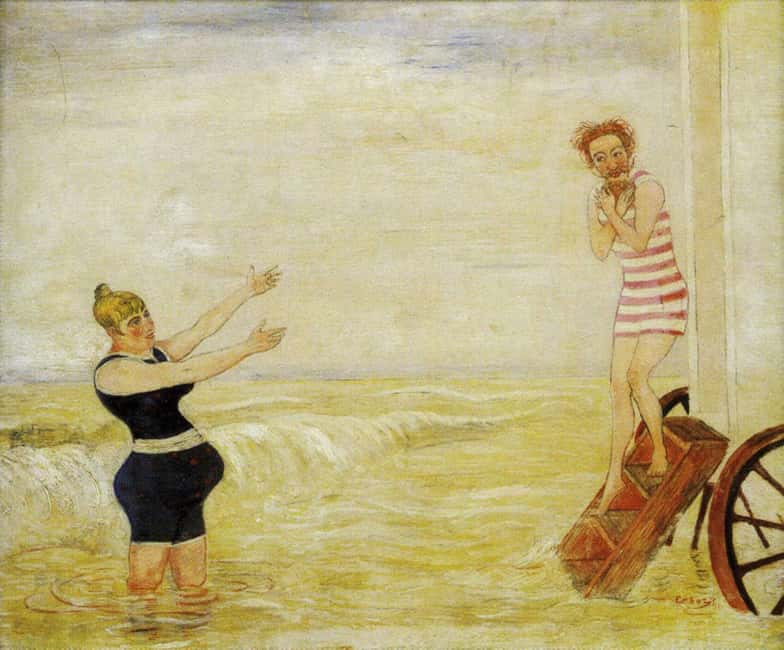
James Ensor is one of those artists where the art feels familiar, even if you do not know all the facts yet. This tour gives you the missing link: how the city around him shaped what he saw and how he understood it. Instead of treating Ostend as background scenery, you treat it like a character in the story.
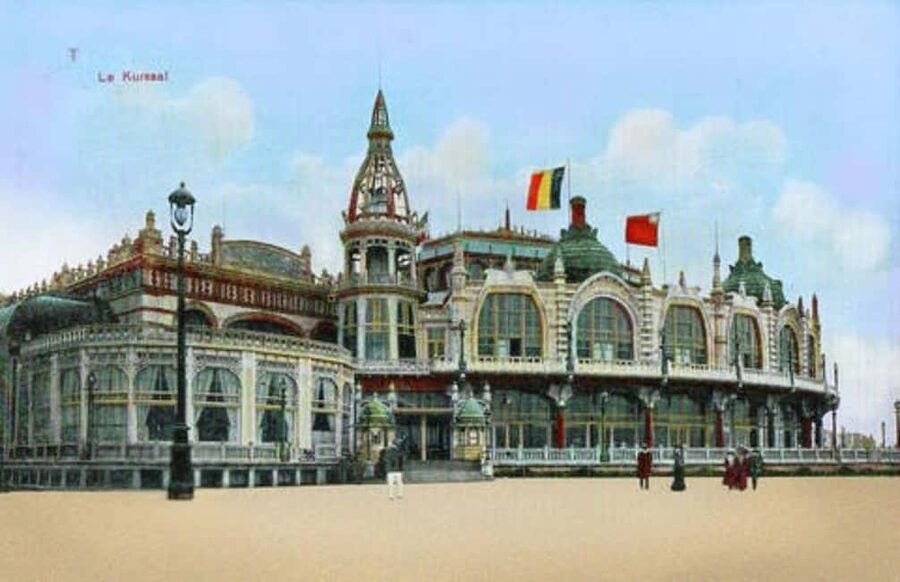
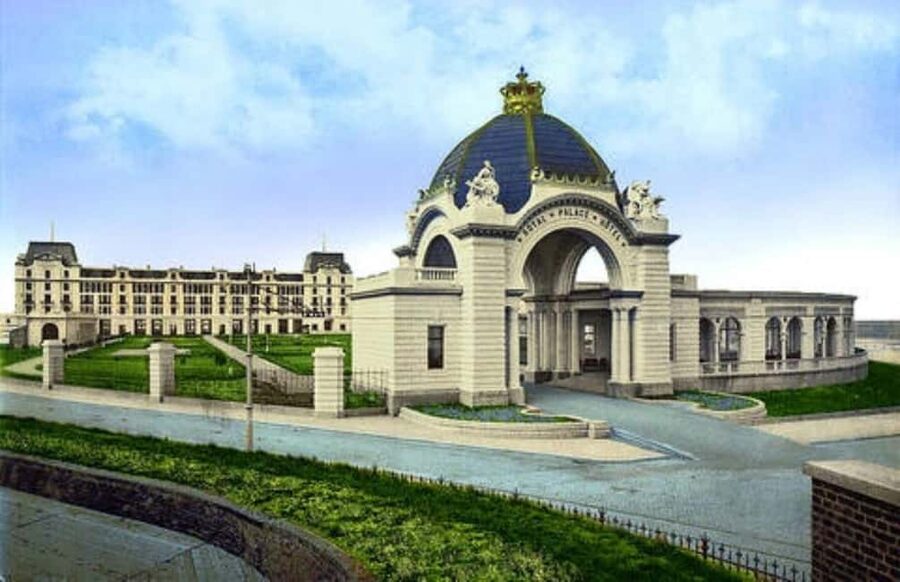
The big theme you’ll hear is transformation. Ostend grew from a humble fishing town into a bustling seaside resort, and that shift mattered. During the Victorian age and the Belle Epoque, visitors from far away came to the coast, including kings and queens. That kind of attention changes everything, from how streets develop to how people talk, dress, and spend their days.
Then the focus narrows to Ensor himself. You’ll learn how he grew up in Ostend during that same period, when the city was changing quickly. And you’ll hear how he became Belgium’s most famous modern artist, with masterpieces found in modern art museums from Los Angeles to Tokyo. That global reach is part of the payoff, but the point of the walk is local: you get to look at Ostend and understand why it earned that place in art history.
Finding your guide: the Ostend Tourist Office start
The walk begins at the Ostend Tourist Office, located at the coordinates 51.23138427734375, 2.913187265396118. Starting here is practical. You’re in a central, public place where you can orient yourself before you start moving, and it makes it easier to be on time when the group is private and the guide is local.
Once you’re with your guide, you’ll settle into a relaxed pace. This is not a sprint tour. It’s a 2-hour stroll that’s long enough to connect the dots, but short enough that you do not burn half your day trying to “cover” everything.
Because it’s a private group, you typically get the benefit of a more conversational style. If you want clarification on how the city’s shift affected Ensor’s work, you can ask. If you prefer to hear the story straight first, you can. That flexible feel is one reason private tours often beat the group-funnel approach for art and place-based tours.
The old city walk: where the story plays out
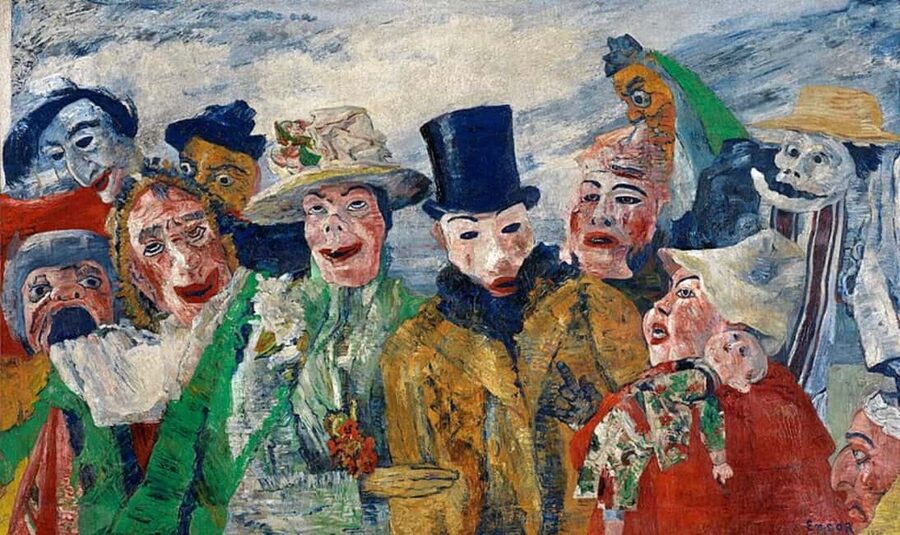
The tour is built around the old city of Ostend, with stops tied to what inspired Ensor and to places connected to his life and work. Even without a long list of museum stops, you still get a “see it and understand it” experience, because the guide ties observations to the larger narrative.
As you walk, you’ll be connecting three layers:
- How Ostend used to function as a fishing town.
- How it reinvented itself as a resort during the Victorian era and Belle Epoque.
- How Ensor’s world sat inside those changes, shaping the way he created art.
That structure matters because it prevents the tour from turning into a sequence of disconnected facts. You’re constantly being nudged to think, okay, this street and this place, this is where a person like Ensor would have moved through daily life, during a moment when the city was rapidly changing.
You can also expect anecdotes, not just textbook summaries. The guide is specifically positioned to share details and stories that are not widely known, including ones that even dedicated Ensor fans may not have heard. That’s the kind of value that makes a tour feel worth paying for, because it gives you new material you can carry home.
From fishermen to royal resort: the Belle Epoque angle
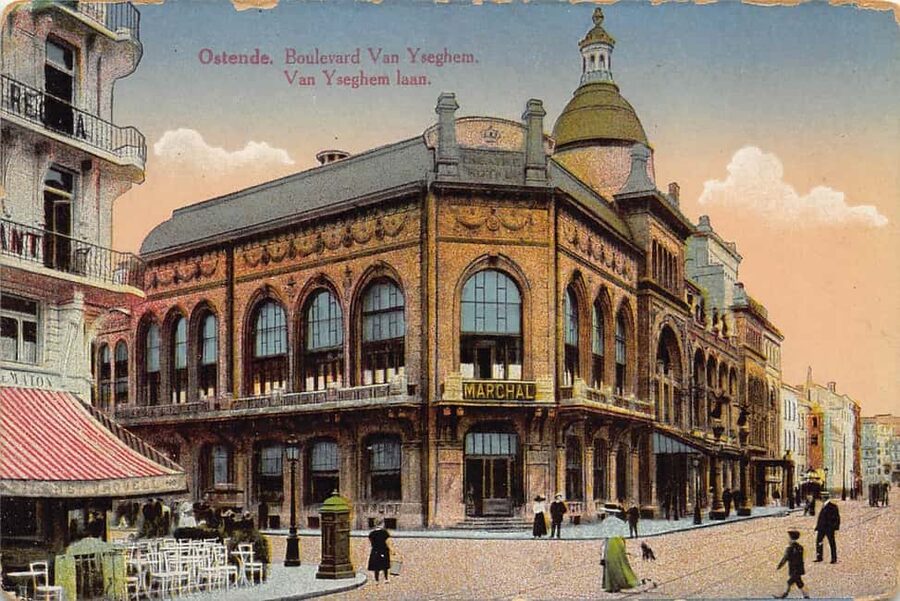
Ostend’s “before and after” story is one of the key reasons this tour works. Many coastal towns have a fishing past, but not many have such a clear leap into international attention during the Victorian age. On this walk, you learn how the city shifted toward being a place visited by royalty and high society.
Why should you care? Because that kind of transformation tends to leave visible traces. You’ll notice how the city developed in response to visitors, and the guide helps you understand what those changes would have meant for locals. That matters for Ensor, because his work grew from an environment where traditional life and public spectacle could overlap.
Think of it like this: if your artist’s hometown is suddenly full of new faces and new expectations, their perspective changes. They watch how people perform, how fashion and leisure come through the streets, and how the sea becomes part of the social scene, not just the workplace.
This is where the guide’s storytelling is most useful. You are not just told that the Belle Epoque happened. You’re shown how and why it mattered for people living there at the time.
Still got an afternoon? Try these:

Ensor’s life in Ostend: where he lived and worked
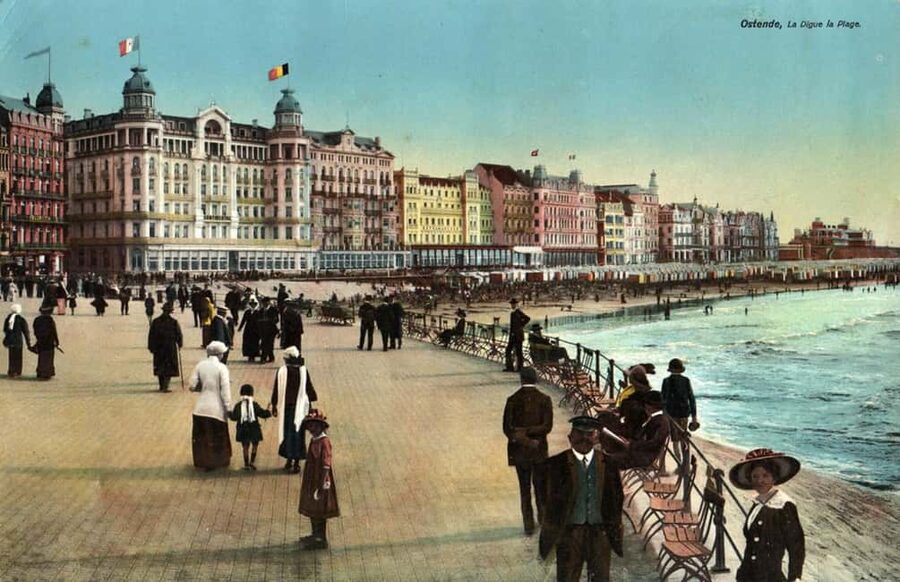
The heart of the tour is tied to Ensor’s connection to place. You’ll see the areas that relate to where he lived and worked across his life in Ostend. That is a big deal, because it shifts the experience from “artist biography” to “artist geography.”
Instead of learning Ensor as a distant name, you understand him as someone who stayed in one place long enough to absorb a whole range of changes. And because the city is the setting, those changes are not abstract. They show up in how the city is laid out, how people moved, and how life might have looked year to year.
The tour also focuses on the places that inspired Ensor to create his famous artworks. That’s helpful in a practical way. When you later see reproductions of his work in books or online, you’re more likely to recognize the kinds of scenes and atmospheres he pulled from the streets and coastline.
One more benefit: the guide is there to share small, specific anecdotes, including details not widely known even among Ensor connoisseurs. In other words, you should leave with a few “how did I not know that?” moments. Those are the memories that stick longer than a basic list of dates.
How to get the most from an Ensor-focused walk
You can do this tour in a passive way, just listening while walking. Or you can make it more rewarding by using a few simple mental habits as you go.
First, listen for cause and effect. When the guide says Ostend changed because of its resort reputation, connect that to daily life. When Ensor is mentioned, ask yourself how that environment might have influenced his observations and his themes.
Second, keep your eye on the relationship between sea and city. This tour is about a coastal place that shifted from work to leisure. Even if the guide does not point everything out like a checklist, you will learn what to look for based on the stories you’re hearing.
Third, take notes on the “where” details. Later, when you sit down at your next museum or cultural stop, you can translate the images you saw on the walk into what you learned about Ensor. That’s how the tour turns from entertainment into useful context.
And if you care about art, bring a little curiosity. Ensor’s influence is global, but this tour is about how local reality becomes artistic material.
Guide quality and rainy-day confidence
One of the most praised aspects from a recent booking was that the guide was very good, even with rain. That tells you something important about how the experience is managed. Walking tours can become uncomfortable when the weather turns, but a capable guide can keep the pace, manage attention, and still make the stories land.
So if you’re planning Ostend in shoulder season or you know the forecast is iffy, do not panic. Just bring sensible rain protection and keep wearing grippy shoes. The tour is designed around walking the old city, so weather is not an abstract risk. It’s part of the reality.
In my view, this is another place where a private guide matters. In a small group setting, it is easier to adapt on the fly and keep people together without the stress of large crowd logistics.
Timing, pace, and what 120 minutes really gives you
This is a 120-minute experience, billed as lasting about 2 hours. That time window is long enough to do something meaningful with an artist-focused concept. It is also short enough that you can pair it with other activities the same day without feeling stuck.
A common mistake with city walks is trying to squeeze too much in. Here’s a better approach: treat the Ensor tour as your anchor. After that, you can add museums, cafes, or a second walk on the waterfront with less pressure because you already understand the story the guide put in motion.
Also, because it’s private, you can benefit from a tighter narrative arc. Instead of hearing 20 different things, you’re getting a concentrated Ensor lens plus the city’s key transformation. That focused structure helps your brain hold onto details.
Accessibility and comfort basics that matter
The tour is marked as wheelchair accessible, which is good news. Still, it’s a walking tour, so you should plan for walking time on uneven sidewalks and curbs.
Your best move is simple: wear comfortable shoes. If you normally avoid long walks on city trips, this tour might feel like a commitment. But if you’re fine strolling for about 2 hours, you should be comfortable.
If you’re traveling with mobility needs, it’s worth thinking about how you personally handle long stretches on foot. Wheelchair accessibility does not automatically mean every street corner is perfectly smooth for every situation, so bring practical expectations.
Who this private Ensor walk is best for
This tour fits best if you like one or more of the following:
- Art you can connect to place, not just style.
- A local certified guide who tells stories beyond the standard overview.
- A private format where you can focus on your questions.
- Anyone who enjoys city history as a living process, fishing life to resort life.
It’s less ideal if you want a fast hit of many unrelated sights. The experience is intentionally centered on Ensor and the places that connect to his life and work. If you are hoping for a broad “top attractions” checklist, this may feel too focused.
Language-wise, it’s available in English, Dutch, and French. That matters if you’re traveling with someone who wants the story in their strongest language.
Value check: what you’re buying in a 2-hour tour
You are paying for a few things at once, which is why the value can be strong even for a short duration:
- A local certified guide with an Ensor-centered perspective.
- A private group format, which typically means more attention to your interests.
- A clearly defined theme: the link between Ostend and James Ensor’s art.
- A guided walk that helps you understand the city’s transformation, especially during the Victorian age and Belle Epoque.
The tour also hints at something many short tours miss: specific anecdotes and details not commonly known, even by serious Ensor fans. That’s the kind of “small but meaningful” value that adds up fast when you only have a couple hours in a place.
One more angle: since Ensor’s work is globally represented, you may already feel some familiarity with his name. This tour helps turn that familiarity into actual context, so the art you see later feels less random.
Should you book the Ostend: Ensor Private Walking Tour?
If you’re visiting Ostend and you like art that comes with a sense of place, I think you should book this. The tour is short, theme-driven, and guided by someone who can connect Ostend’s Belle Epoque transformation to Ensor’s life in the city. You get a private format, multiple language options, and the chance to learn details that even dedicated Ensor enthusiasts may not know.
Book it if:
- You want an Ensor-focused walk through the old city.
- You care about how a hometown environment can shape an artist.
- You want a guide who can keep the experience going even if it rains.
Skip it if:
- You mainly want big sightseeing hits rather than an artist and city-story focus.
- You dislike walking tours, since it’s built around roughly 2 hours on foot.
If your plan includes Ostend for a day or two, this is one of the best ways to make the city feel personal fast, and to understand why a Belgian modern artist is still tied to these streets.
FAQ
How long is the Ostend: Ensor Private Walking Tour?
It lasts about 2 hours, with a 120-minute walking experience through the old city.
Where does the tour meet?
The meeting point is the Ostend Tourist Office, at coordinates 51.23138427734375, 2.913187265396118.
Is this tour private?
Yes, it is a private group tour.
What languages are available?
The live tour guide is available in English, Dutch, and French.
Is the tour wheelchair accessible?
It is marked as wheelchair accessible.
Is the tour mainly about walking?
Yes. The experience involves walking, so comfortable shoes are recommended.
What will I learn on the tour?
You’ll discover Ostend through the eyes of James Ensor, including the city’s shift from fishing town to seaside resort, and places that inspired Ensor’s artworks.
Does the tour include stories about Ensor’s life?
Yes. You’ll see where Ensor lived and worked in Ostend and hear anecdotes provided by the guide, including details not widely known.
What if it rains?
The tour is a walking experience, and a recent booking praised the guide for doing well even in rainy weather. Bring suitable rain protection.
Can I cancel for a refund?
Yes. Free cancellation is offered up to 24 hours in advance for a full refund.
Latest from Bruges

Walking Tours, compared.
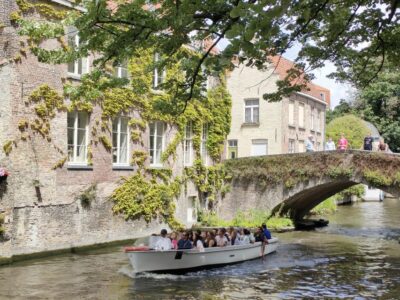
Small Group Boat Cruise and Guided Walking Tour
Read our review →
Historical Walking Tour with Chocolate & Waffle Tasting
Read our review →
Brussels Walking and Tasting Tour (Beers,Chocolates&Fries/Waffle)
Read our review →
Browse the lists this tour appears in