Reviewed · CITY TOURS
Bruges: Private Interactive Trivia City Tour
Trivia turns Bruges into a game board. This private interactive trivia walk threads through Bruges in a way that keeps you moving, laughing, and learning. I like that it is built around team competition and short quests, so the history sticks without feeling like a lecture.
My other favorite part is the guide atmosphere. When the quiz master brings humor and energy, questions about plague life and medieval city life feel like fun group storytelling. In one booking, the guide Patrick stood out for being especially enjoyable, which matches the overall tone you should expect.
One thing to consider is timing and crowd rules. From 1 March 2026, each guide can have a maximum of 20 people, so if you are part of a larger booking, you may need a second guide to keep things legal and comfortable.
In This Review
- Key points before you go
- Starting at Grote Markt, then turning the city into a quiz walk
- How the interactive trivia format keeps Bruges from feeling like homework
- What the competition feels like in practice
- Plague, medieval city life, and Bruges rise-and-fall themes you will be tested on
- What short quests add, and when they might slow you down
- Guide energy, humor, and why the red umbrella matters more than you think
- Weather proofing for a 150-minute outdoor quiz walk
- Price and logistics, plus when this $206 group rate is a smart deal
- Who this Bruges trivia walk is best for
- Should you book this Bruges Private Interactive Trivia City Tour?
Key points before you go
- Red-umbrella meet-up: You will find your guide at Grote Markt, standing by the central statue with a red umbrella.
- 150 minutes that feel fast: The structure keeps you engaged, with questions and mini challenges built in.
- Team format: You compete with friends or family, which makes it easier to keep momentum even in rainy weather.
- Middle Ages focus: The theme covers medieval city life, including plague-era stories and how Bruges rose and fell economically.
- Private group time: This is not a crowded tour bus vibe, and it is wheelchair accessible.
More City Sightseeing in Bruges
- Bruges PRIVATE City Kickstart Tour With Locals
★ 5.0 · 174 reviews - Bruges: City Bike Tour with a Local
★ 5.0 · 116 reviews - e-Scavenger hunt Bruges: Explore the city at your own pace
★ 4.5 · 58 reviews - “Hidden Brugge” Photo Tour – 2hr open city tour & workshop
★ 5.0 · 27 reviews - Bruges: Ticket Stadhuis (City Hall)
★ 4.2 · 27 reviews
Starting at Grote Markt, then turning the city into a quiz walk
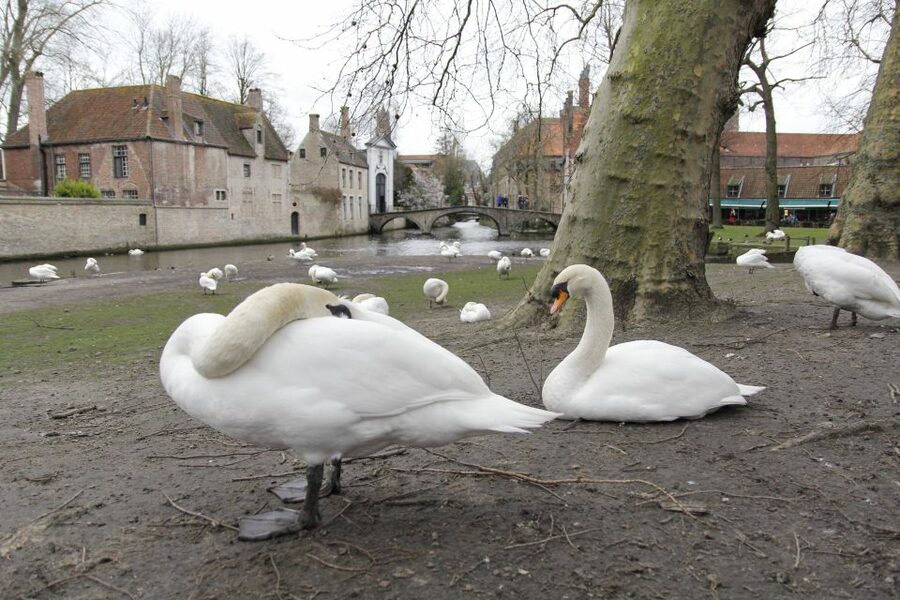
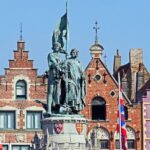
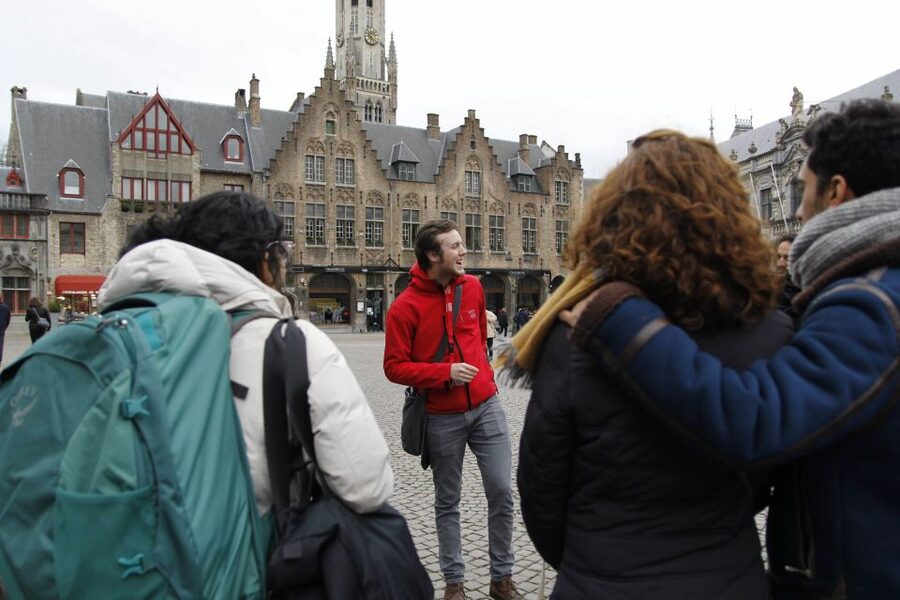
The best way to picture this tour is as a guided stroll with a mission. You do not just hear facts, you answer questions as you go. The meeting point anchors everything: arrive at Grote Markt about 10 minutes early so you can spot your guide by the statue in the middle of the square, holding a red umbrella.
That little detail matters more than you might think. In a medieval city center, it is easy to lose each other. Having a visual marker helps the group get rolling fast, and you avoid that awkward waiting time where half the team is checking phones.
Once you start, your quiz master steers you through the historic heart of Bruges. The guide shapes the route around the questions and themes, so you will spend more time where the story is strongest. The tour aims at the main sights and the legendary past of the city, but the real goal is engagement: learn while you play.
This is a private group tour, so the pacing and difficulty level can feel more tuned to your party. If your group likes friendly competition, the format will feel natural. If you are more quiet, it still works, because teamwork helps everyone take part.
How the interactive trivia format keeps Bruges from feeling like homework
Traditional guided tours can be great, but they can also blur together. This one tries to prevent that with an interactive structure. You will be asked questions throughout the walk, and you will likely split into teams to compete. That team setup changes the whole feel. You are not waiting for the next stop to get your brain back on track. You are working together right then.
The content is also framed in a story way. You will learn about Bruges through its Middle Ages, and the questions connect to how people lived and what the city was known for. The tour includes fun facts about the plague and what life could be like in a medieval metropolis, plus questions that build toward Bruges as a rising economic powerhouse and then its fall.
I like that the guide does not treat trivia as random. It is connected to the city itself and the time period you are exploring. That turns a walk through historic streets into something that feels like a chapter-by-chapter narrative.
Then there are short quests. Even if you know Bruges history already, quests add a practical twist. They reward paying attention instead of just collecting names of buildings. And because it is part of a group activity, it is a lot easier to stay engaged for the full 150 minutes.
What the competition feels like in practice
The competitive angle is meant to be fun, not stressful. You compete with friends or family, and the guide’s job is to keep energy up and keep it light. If you are traveling with colleagues, it can work well as a low-stakes team-building activity.
If your group prefers quiet sightseeing, you might find the quiz format a bit more energetic than a classic walking tour. But if your group is traveling for laughs as much as learning, this is likely a good fit.
Plague, medieval city life, and Bruges rise-and-fall themes you will be tested on
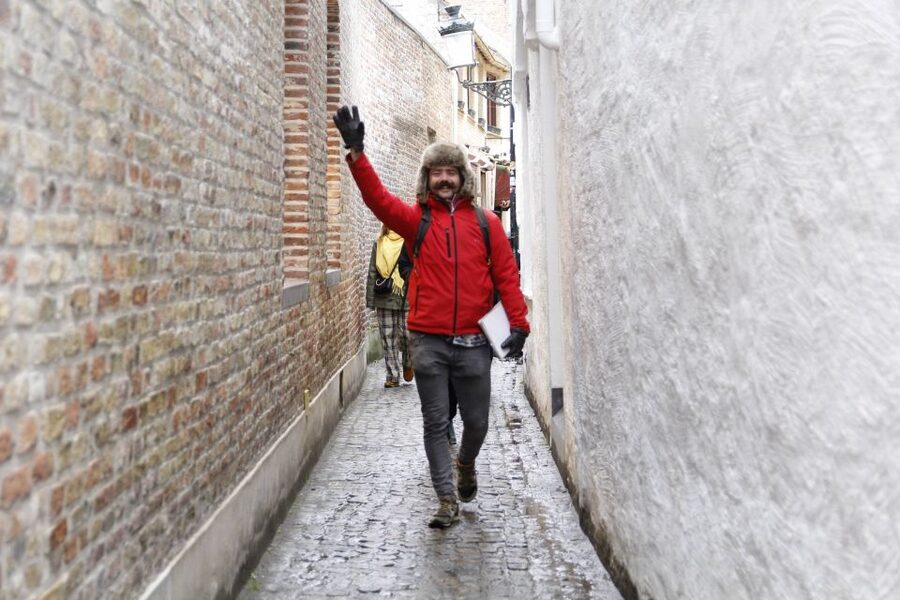
The tour’s theme centers on Bruges in the Middle Ages, with question topics that anchor big moments and everyday reality. Expect plague-era questions, including what the plague meant for daily life and how a city could operate under that kind of threat. You are not just learning that the plague happened, you are being prompted to think about what life might have looked like for ordinary people in a medieval city.
You will also get tested on life in a medieval metropolis, which is a broad topic but helpful because it forces you to see the city as an active system. Cities in that era were not only “pretty old places.” They were places with work, commerce, and tight community rhythms.
Another major thread is Bruges as an economic powerhouse, and then the story of its rise and fall. The guide uses trivia to move you through the arc, so you come away with a clearer sense of why the city mattered and how that importance shifted over time.
I think this is where the tour becomes especially valuable for modern travelers. Without an interactive format, you can leave medieval cities with a vague feeling of romance and very little understanding of how power and trade actually shaped daily life. Here, the questions push you to connect the dots.
And because it is a quiz walk, you are more likely to remember what you answered correctly and what you had to guess. That memory effect is real. It is harder to forget a story you had to decide on with your team.
Still got an afternoon? Try these:
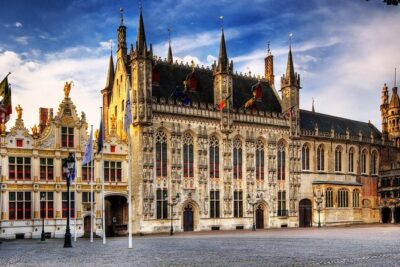
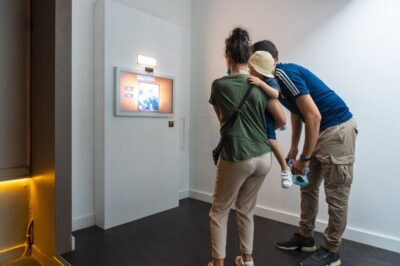
What short quests add, and when they might slow you down
The short quests are a key part of why this tour does not just feel like trivia floating in the air. You are doing small tasks that connect to the walk itself. That means you stay present, look around, and pay attention to what the guide is signaling.
The upside is clear: quests make learning physical. Your brain links the question to the moment you see something or move to a new spot. That tends to improve recall, even if you are not a trivia person.
The possible drawback is pacing. Quests take time, and the group format means your pace can vary depending on how quickly everyone teams up and responds. If your group hates any kind of game, you might feel the route is less about relaxed wandering.
Still, the overall structure is designed to keep things moving during the full 150 minutes. It is meant to be an afternoon activity that does not drag.
Guide energy, humor, and why the red umbrella matters more than you think
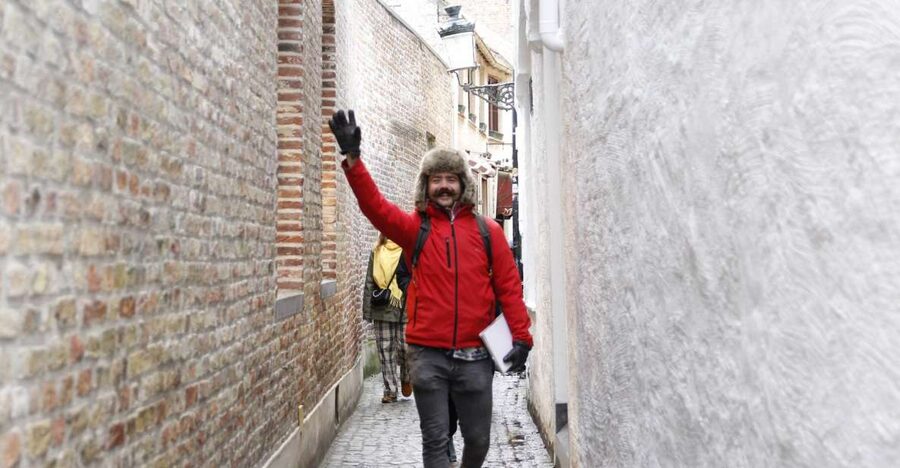
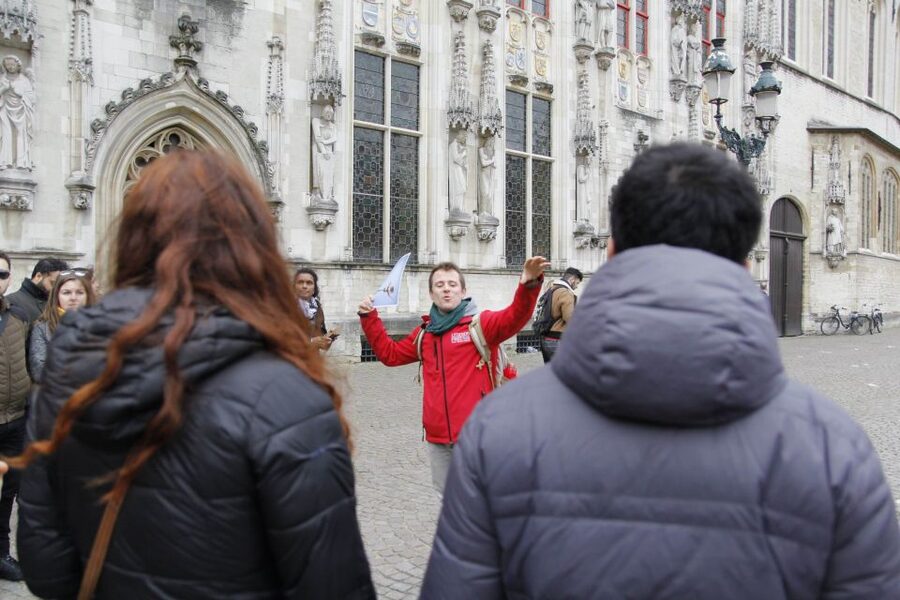
A trivia tour lives or dies by the quiz master. You are not just following directions, you are listening, thinking, and reacting in real time. The guide’s tone helps the group stay comfortable with competition. In particular, the guide Patrick has been praised for delivering the experience with warmth and humor, which tells you what kind of vibe to expect.
The red umbrella is a practical detail that improves the start of your tour. It is also part of the tour’s brand of legendary, playful organization. Arriving 10 minutes early gives you the calm start that keeps the rest of the afternoon from feeling rushed.
As for language, the tour runs with live guidance in Spanish, Dutch, and English. That matters if you want the trivia to land properly. Trivia is unforgiving when language nuance is off, so having a guide in your working language is a real advantage.
Weather proofing for a 150-minute outdoor quiz walk
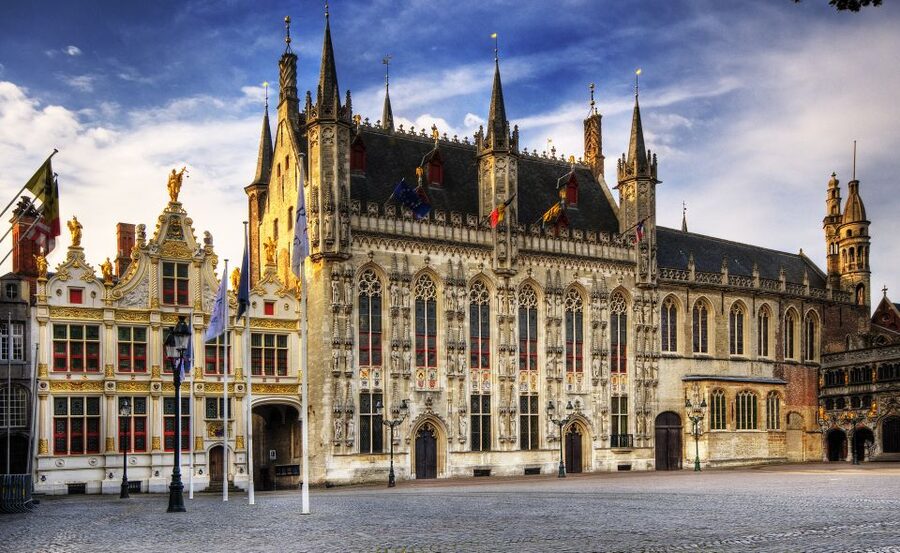
This is scheduled to run rain or shine. That is important in Bruges because weather can change quickly, even when the forecast seems calm. Plan for being outside for the full 150 minutes, and bring the right shoes.
Your tour guidance is simple and practical: wear comfortable shoes. I would also suggest bringing a light rain layer even if you think it will be sunny. Not because you will be miserable, but because rain can slow you down when you are doing a walk-and-quiz style activity.
One more planning tip: treat this as your “get to know the city center” activity. Since the tour centers on the historic heart and the main sights, it is a smart use of an afternoon. Afterward, you will have context for what you see on your own.
Price and logistics, plus when this $206 group rate is a smart deal
The price is $206 per group, for up to 2 people, and the tour lasts 150 minutes. That pricing model is different from per-person city tours, so the value depends on your group size.
If you are traveling as a couple or with one friend, it can be a strong deal for a private experience. You essentially buy time with a guide who runs the trivia format for your small group. You also get coupons and discounts included, which adds some extra practical value even if you are not sure how much you will use them yet.
If you have more people, the price structure may feel less economical since it is listed as a group up to 2. Still, the tour is private, and you can potentially plan around your party size to keep it cost-effective.
There is also a key new rule to be aware of. From 1 March 2026, each guide can have a maximum of 20 people in their group, and if more people are booked, you may need a second guide. For most small groups this may not matter, but it can affect larger party bookings and scheduling.
The overall value is that you get a guided experience with active learning. You are paying for the guide’s role as quiz master, for the structure of team competition, and for time in the historic center with a specific Middle Ages theme.
Who this Bruges trivia walk is best for
This tour is a great match for people who learn better by doing rather than listening. If you enjoy games, team activities, or friendly competition, you will likely find the format naturally fun.
It is also a strong option if you want a Bruges afternoon that feels purposeful. You get a route through the historic heart, you learn about plague-era life and medieval city dynamics, and you track the bigger rise-and-fall economic story. That combination is useful if you want more meaning than just photos.
I would especially recommend it if:
- You are traveling with family members who get restless on long walks
- You and your partner want something more interactive than a standard guided tour
- You like history but do not want it delivered as a slideshow
- Your group enjoys humor and does not mind being asked questions
If your idea of a perfect Bruges day is silent wandering and museum-level pacing, this might feel a bit too structured. But if you want a lively afternoon with laughs and real facts, this fits the brief.
And because it is described as wheelchair accessible, it can work for travelers who need that kind of consideration. Just expect it to be a walk-and-quiz style experience with a guide leading the pace.
Should you book this Bruges Private Interactive Trivia City Tour?
I would book this if you want an afternoon that mixes Bruges sightseeing with a game format that helps the history stick. The red-umbrella meet-up at Grote Markt, the 150 minutes of guided trivia, and the Middle Ages themes about plague life plus Bruges rise-and-fall are a very clear package. It is the kind of tour that makes you feel like you did something together, not just around other people.
I would hesitate if your group hates competitive formats or if you are very sensitive to pacing changes caused by quests and team questions. Also consider the new 20-person per guide rule starting in 2026 if you are planning a larger booking.
For most small groups, this is an efficient, fun way to understand Bruges beyond the postcard surface. If you like learning with humor, and you want a private setting where your group can focus, this tour is worth it.