
Reviewed · DIAMOND DISTRICT TOURS
Bruges: Diamond Museum Ticket with Polishing Demonstration
Something about diamonds feels like magic. This museum turns that sparkle into a clear, hands-on story. I love how it connects old-world craft with real science, so you’re not just looking at gems, you’re learning how they become gems.
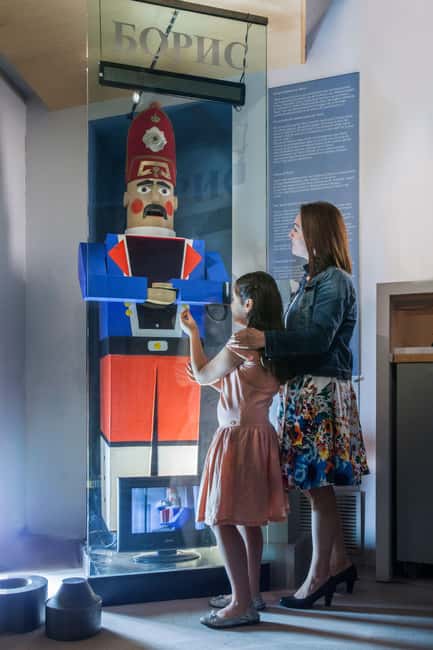
Two things I like a lot: the interactive lab where you can explore diamond properties, and the 12h15 polishing demonstration that shows how a brilliant is cut. You also get the museum’s big centerpiece moments, like the robot Boris and the treasury display.
One consideration: the polishing is at a specific time each day. If your visit lands in the afternoon, you may miss the demonstration, so planning around 12h15 matters.
In This Review
- Key things you’ll notice before you go
- A Diamond Museum Ticket That Works Like a Mini Curriculum
- Entering the Diamond Museum Bruges and Its Bruges 1476 Story
- The Interactive Lab: How Diamonds Behave, Not Just How They Look
- The Treasury and the Jumbo Diamond Experience
- The 12h15 Polishing Demonstration: Watch a Brilliant Take Shape
- Price and Value: Is $14 Worth It?
- Timing Tips for a Smooth Diamond Day
- Who This Ticket Is Best For
- Should You Book This Diamond Museum Bruges Ticket?
- FAQ
- What is the price of the Bruges Diamond Museum ticket?
- How long is the experience?
- What is included with the ticket?
- Is a guided tour included?
- What happens during the diamond polishing demonstration at 12h15?
- Is the diamond polishing demonstration offered every day?
- What can I see in the museum besides the demonstration?
- Does the museum focus on the history of diamond polishing in Bruges?
- Is the museum wheelchair accessible?
- Can I cancel for a refund?
Key things you’ll notice before you go
- Bruges diamond polishing roots back to 1476, tied to the city’s Golden Age
- Interactive lab experiences that explain diamond properties in a practical way
- Boris the robot that can create synthetic diamonds, with everyday and industry applications
- Treasury highlights featuring the Jumbo Diamond, the largest rough diamond in the country
- Daily diamond polishing demonstration at 12h15, showing how a brilliant is cut
More Museum Visits in Bruges
- Bruges: Choco-Story Museum with Audio Guide and Tastings
★ 4.2 · 1,825 reviews - Choco-Story: The Chocolate Museum in Bruges
★ 4.0 · 544 reviews - Bruges: Chocolate Making Workshop and Chocolate Museum Entry
★ 4.6 · 395 reviews - Bruges: Musea Brugge Card with Entry to 11 Museums
★ 4.6 · 328 reviews - Bruges: Museum of the Church of Our Lady Entry Ticket
★ 4.6 · 213 reviews
A Diamond Museum Ticket That Works Like a Mini Curriculum
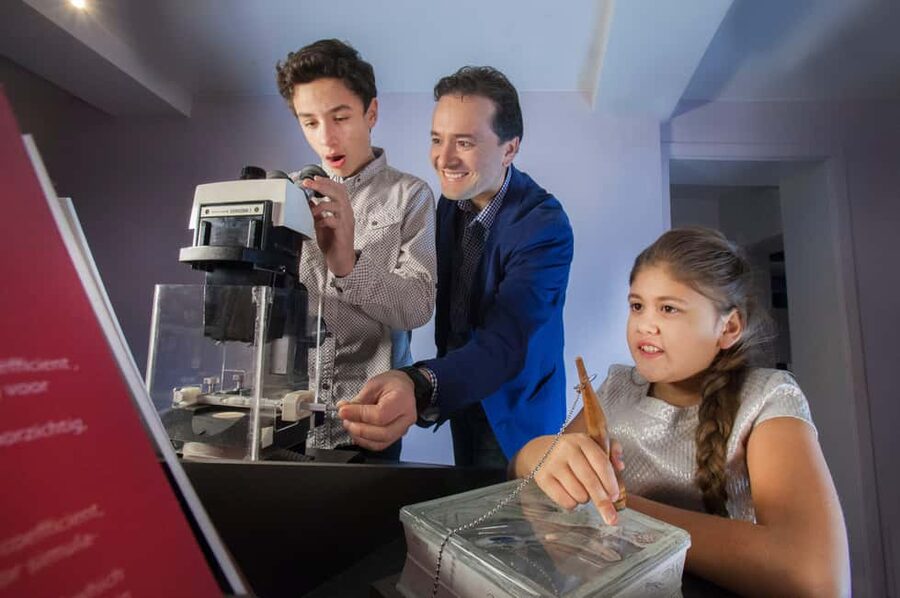
This is a museum visit that moves from story to science to craft, in that order. The ticket is priced at $14 per person and covers access to the Diamond Museum Bruges plus the daily diamond polishing demonstration at 12h15. For many people, that combo is the core reason to go. You get both the wonder and the how.
Because it’s a 1 day ticket, you can stretch the visit at your own pace. That flexibility matters in a place like Bruges, where your day can shift with weather and the flow of the city. You just need to anchor your plan around the demonstration time.
If you want a museum that feels more like a workshop classroom than a quiet gallery, this one fits. And if you’re the type who reads labels only after you’ve already looked around, you’ll still be able to follow the big ideas.
Entering the Diamond Museum Bruges and Its Bruges 1476 Story
The museum is described as the oldest in Europe entirely dedicated to diamonds. That alone sets the tone. This is not a side room. It’s built around one material, and it treats diamonds as both a historical force and a technical challenge.
You start with the idea that diamonds are ancient and extremely hard, then move into the craft chain that turns rough stone into a cut gem. The museum points to diamond cutting being invented in Bruges as early as 1476. That’s a bold claim, and it makes the visit feel more specific to the city rather than generic “diamond museum” content.
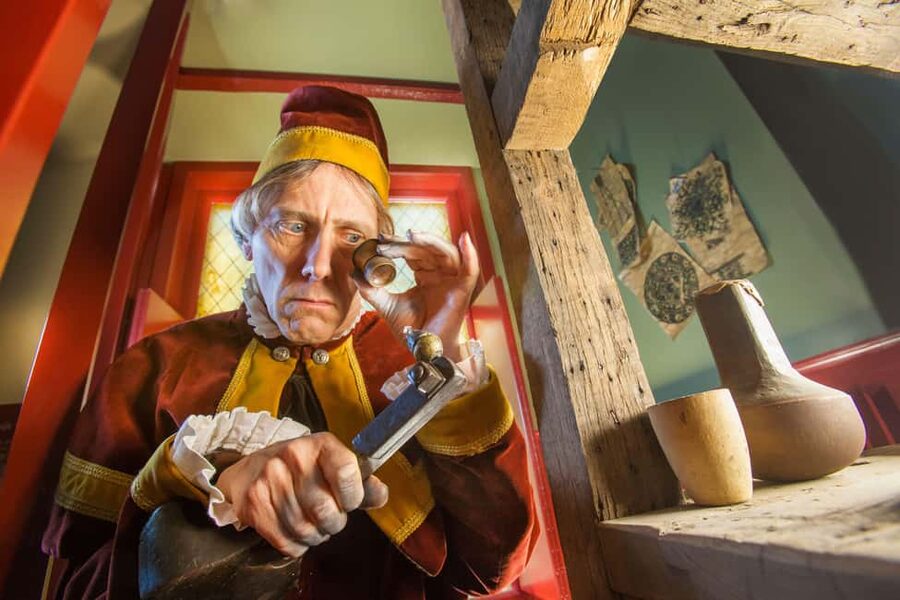
One historical thread ties to goldsmith Lodewijk van Bercken, credited with inventing diamond polishing during Bruges’ Golden Age. Even if you don’t know the name beforehand, you’ll get a sense that Bruges wasn’t just a location. It was part of a working diamond economy, with workshops in West Flanders active later too.
What this means for you: you’ll likely leave with a clearer picture of why diamond polishing became important, not just that it happens. And it helps you connect the sparkle you see in jewelry to the actual work that makes that sparkle possible.
The Interactive Lab: How Diamonds Behave, Not Just How They Look
A lot of museums show objects. This one tries to show behavior. The interactive lab is where you go to learn diamond properties in a more hands-on way, rather than only reading about them.
You can expect experiments or activities that help explain why diamonds act the way they do. The museum frames diamonds as the world’s hardest natural material, with an age of more than 2 billion years. That kind of detail is more than trivia. It reinforces the idea that the cutting and polishing techniques are not casual hacks. They’re engineered solutions for an extreme material.
The lab also brings in mining and processing technology. That’s valuable because it widens the story beyond the showroom stage. You see how raw material becomes something workable, which gives the craft rooms context.
Then there’s Boris, the robot centerpiece. Boris can create synthetic diamonds, and the museum connects those lab-made stones to real uses in everyday life and industry. That’s one of the best “modern relevance” touches you can ask for in a diamond museum. It helps you think beyond the romantic idea of gems and toward actual technology.
If you like science explanations that don’t feel like a textbook, this part is usually the best match. If you only want shiny objects and don’t care about how materials work, you might skim, but even then the interactivity helps you understand what you’re seeing elsewhere in the museum.
The Treasury and the Jumbo Diamond Experience
After the lab and the technology side, you move into the museum’s treasury. This is where the visit becomes more visual again, with a focus on exceptional diamonds and jewelry.
The standout named highlight is the Jumbo Diamond, billed as the largest rough diamond in the country. Even if you’re not a diamond expert, being able to connect a famous piece to the concept of rough stone versus finished gem makes the story click. You start to understand that “diamond” isn’t just a completed product. It’s a starting point.
Seeing the treasury after the interactive part is smart for your brain. The museum order reinforces cause and effect. You learn how diamonds are processed, then you get to look at the results. That makes the displays feel less random.
What to watch for while you’re in here: take a moment to compare how rough versus cut would change light and appearance. The museum has already trained you to look for properties, so the treasury isn’t just a trophy room. It becomes part of the learning.
More of the diamond quarter:
The 12h15 Polishing Demonstration: Watch a Brilliant Take Shape
This is the moment you should plan around. The daily diamond polishing demonstration at 12h15 is included in your ticket, and it’s described as unique in the world. The demo shows you how a brilliant is cut.
This part matters because it transforms museum facts into something you can actually picture. Cutting is one of those things people imagine as magic, but it’s really a controlled process that shapes facets to manage light.
The demo is also paired with explanations and interesting facts, which is the key for keeping it engaging. You don’t just watch hands and tools, you understand what those steps are trying to achieve.
One practical thing to remember: the museum is a full visit, but the demo has a fixed time. If your schedule puts you there too late in the day, you can end up without the polishing show, even though you still get museum access. Think of the demo like the show in a theater. You’re still welcome inside anytime, but the best act happens at 12h15.
Price and Value: Is $14 Worth It?
At $14 per person, this ticket prices itself as an accessible museum stop. Value here comes from the mix of included components. You’re not paying only for a static exhibition. You’re paying for museum access plus the included daily polishing demonstration.
So the real question is: do you want both the story and the craft action? If you’re the type who likes museums that explain how things work, the interactive lab and Boris robot add real weight to the price. If you’re just there for visuals, the treasury and Jumbo Diamond still deliver, but you may feel the science sections run longer than you expected.
One more value factor: the museum’s theme is narrow and focused. That can be a plus, because you’ll see a coherent story about diamonds, from history to processing to polishing. You’re not bouncing between unrelated exhibits.
If you can show up at or before 12h15, you’re basically getting the full experience the ticket is built around. If you can’t, you might feel like you bought half the show.
Timing Tips for a Smooth Diamond Day
This visit is best when you treat 12h15 as the anchor, not an afterthought. Build your day so you can comfortably make it to the demonstration on time, with enough buffer to see the lab and treasury first.
A simple approach that works for most people:
- Plan your main “must see” event for 12h15.
- Use the time before the demo for the interactive lab and the museum’s core history areas.
- Use the time after the demo for the treasury and any parts you want to linger over.
The biggest scheduling pitfall is missing the demo. You can still enjoy museum access, but the polishing demonstration is the included show piece. If you’re flexible, aim to be there earlier in the day so you don’t have to make hard tradeoffs.
Also, remember this activity is not suitable for wheelchair users. If mobility is a concern for your group, you’ll want to factor that in before you commit.
Who This Ticket Is Best For
This is a great choice for:
- People who like museum experiences with hands-on sections, not only reading walls
- Anyone curious about why diamonds are so difficult to cut, and how polishing changes light
- Families or groups that want a mix of craft, science, and a memorable robot feature
It might be less ideal for:
- People who dislike timed demonstrations or hate planning around specific hours
- Visitors who only want jewelry displays and would rather skip the interactive lab and technology explanations
Also, if you’re traveling in a way that depends on late-day wandering, you can still make this work, but you must accept that 12h15 is the key moment.
Should You Book This Diamond Museum Bruges Ticket?
Yes, if you want a focused diamond experience that mixes interactive learning, a strong historical angle tied to Bruges (including 1476 and the polishing link to Lodewijk van Bercken), and a live 12h15 polishing demonstration that shows how a brilliant is cut.
I’d skip it or rethink the timing if you’re likely to arrive late, since the demo is fixed each day and is the included highlight. At $14, the price is fair for what’s included, but value depends on actually seeing the polishing demonstration.
If you’re even slightly curious about how raw stone becomes brilliance, this is the kind of museum where the “why” sticks. Just make sure you build your day around 12h15.
FAQ
What is the price of the Bruges Diamond Museum ticket?
The price is $14 per person.
How long is the experience?
The ticket is valid for 1 day.
What is included with the ticket?
You get access to the Diamond Museum Bruges and the daily diamond polishing demonstration at 12h15.
Is a guided tour included?
No. A guided tour is not included.
What happens during the diamond polishing demonstration at 12h15?
You watch the polishing process and see how a brilliant is cut, with explanations and interesting facts.
Is the diamond polishing demonstration offered every day?
Yes. It is offered daily at 12h15.
What can I see in the museum besides the demonstration?
You can see the interactive lab, the robot Boris that creates synthetic diamonds, and the treasury with exceptional diamonds, including the Jumbo Diamond.
Does the museum focus on the history of diamond polishing in Bruges?
Yes. It highlights that diamond cutting was invented in Bruges as early as 1476, and it tells the story of diamond polishing during Bruges’ Golden Age, linked to goldsmith Lodewijk van Bercken.
Is the museum wheelchair accessible?
It is not suitable for wheelchair users.
Can I cancel for a refund?
Yes. You can cancel up to 24 hours in advance for a full refund.
Latest from Bruges

Diamond District Tours, compared.
Private Antwerp’s Diamonds and Jewellery Old City Center Historic Tour
Read our review →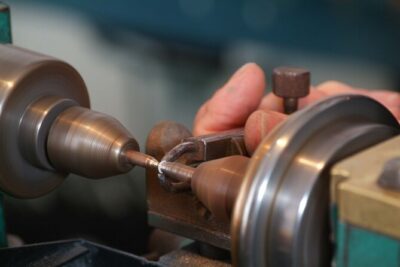
Browse the lists this tour appears in