
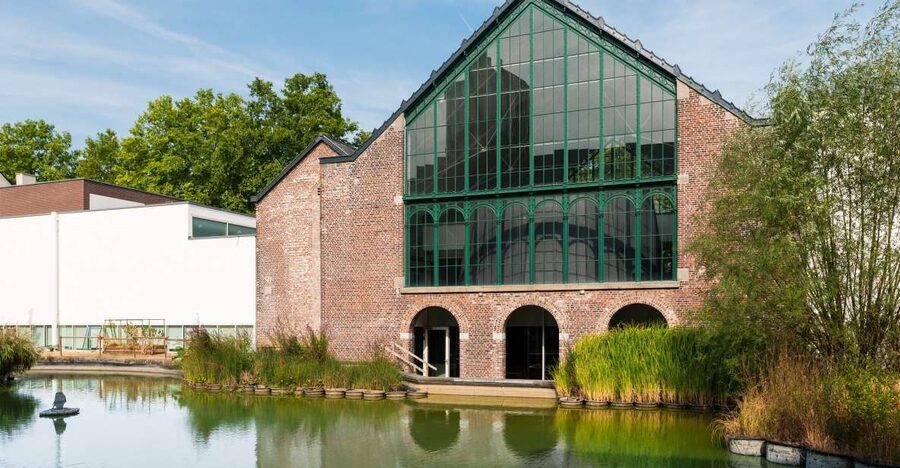
Reviewed · MUSEUMS
Mons : the Mons Memorial Museum
War leaves traces you can read. At the Mons Memorial Museum, you walk through centuries of conflict, from the Middle Ages to WWII, with stories that feel disturbingly close to home.
I love how the exhibits focus on day-to-day life for both soldiers and civilians, not just big battles. I also love the personal paper trail, including diaries and letters that bring the human side of war front and center.
One consideration: this ticket is for museum entry only, so there is no guided tour or audio guide included, and you will rely on the displays and your own reading.
In This Review
- Key points before you go
- A museum in Mons that focuses on people, not slogans
- How the visit flows through centuries of conflict
- What you’ll see: daily life for soldiers far from home
- Civilian life in peace, war, and occupation
- Letters, diaries, postcards, and veteran interviews
- WWI artifacts you will actually remember
- The museum’s timeline includes WWII, and the questions evolve
- Price and value: around $11 for a full day of meaning
- Logistics that help you enjoy the visit more
- Who this museum is best for
- A quick note on what to expect emotionally
- Should you book the Mons Memorial Museum ticket?
Key points before you go
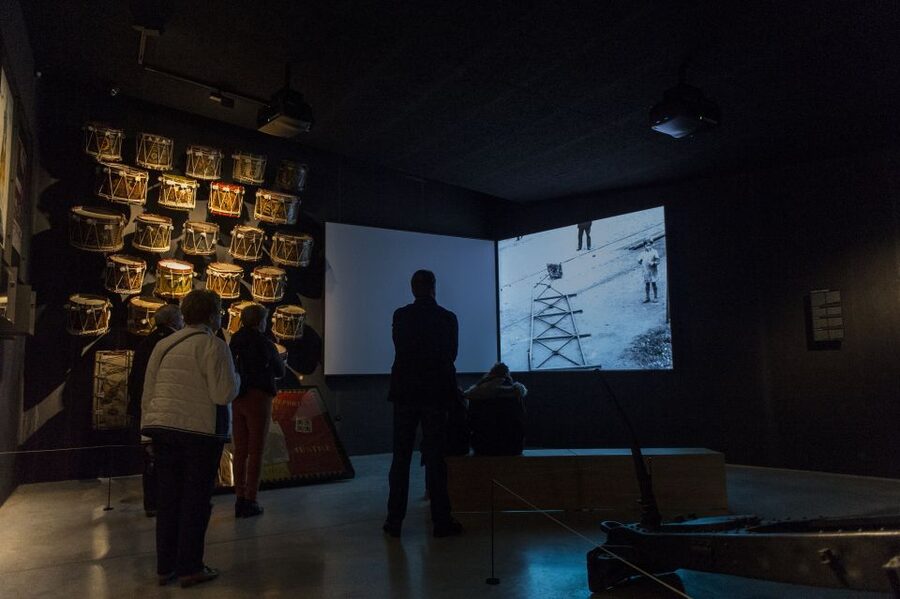
Soldier and civilian stories side-by-side, so you understand war as a whole system.
Diaries, postcards, and letters that turn distant events into personal decisions and fears.
Veteran interviews on record, a powerful way to close the loop on the written material.
WWI artifacts that hit fast, including German bombs and a preserved bread ration.
- Long timeline, starting in the Middle Ages and ending with WWII, so themes repeat across eras.
More Museum Visits in Wallonia:
- Mons : The Doudou Museum
★ 4.2 · 5 reviews - Brussels: Atomium Entry Ticket with Design Museum Ticket
★ 4.4 · 9,254 reviews - Choco-Story Brussels: Chocolate Museum Entrance with Tasting
★ 4.3 · 4,883 reviews - Bruges: Choco-Story Museum with Audio Guide and Tastings
★ 4.2 · 1,825 reviews - Brussels: Chocolate Museum Visit with Workshop
★ 4.6 · 1,474 reviews
A museum in Mons that focuses on people, not slogans
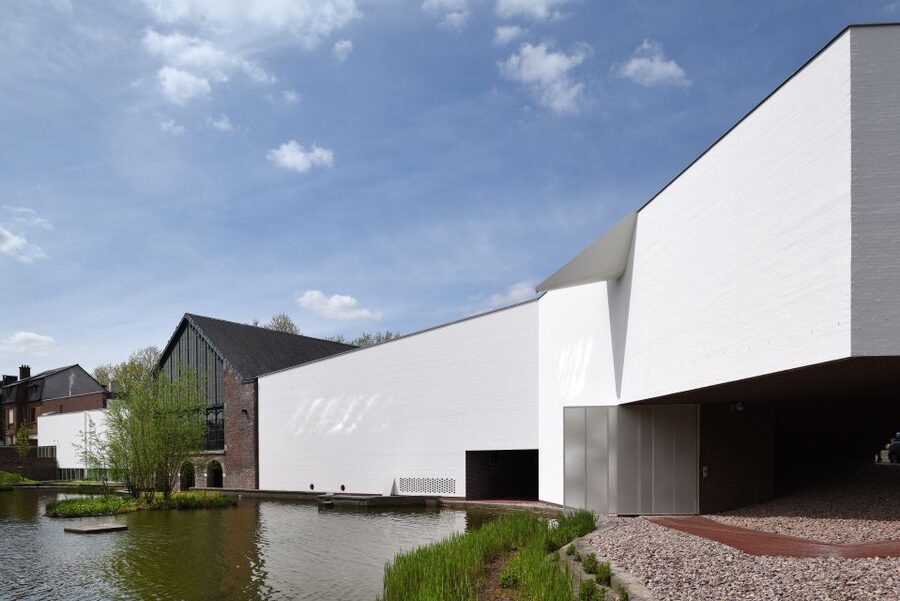
If you think war museums are always about flags and uniforms, the Mons Memorial Museum will correct that idea quickly. The tone stays grounded in routine: what people ate, what they feared, what daily life looked like under pressure.
I like that the museum treats soldiers and civilians as two parts of the same story. In other words, you do not just learn who fought, you learn who lived beside the fighting.
The best part is how the museum challenges the tidy story many of us carry about war. It keeps asking practical, uncomfortable questions about how civilian life and military life collide, and what that collision does to ordinary routines.
How the visit flows through centuries of conflict
Plan on a self-guided walk that moves chronologically through the museum’s eras. You start with the Middle Ages and the way war reshapes communities. Then you move forward through later conflicts, where the “rules” of war change but the human consequences keep showing up.
As you go, you are not just collecting facts. You are building a mental map of what war does to normal life across time: separation from home, shortages, occupation pressures, and the slow, grinding effect of violence.
This structure matters for your understanding. You can notice patterns, like how civilians absorb the costs even when the fighting changes. You can also see how weapons and tactics evolve while the emotional stakes feel eerily familiar.
What you’ll see: daily life for soldiers far from home
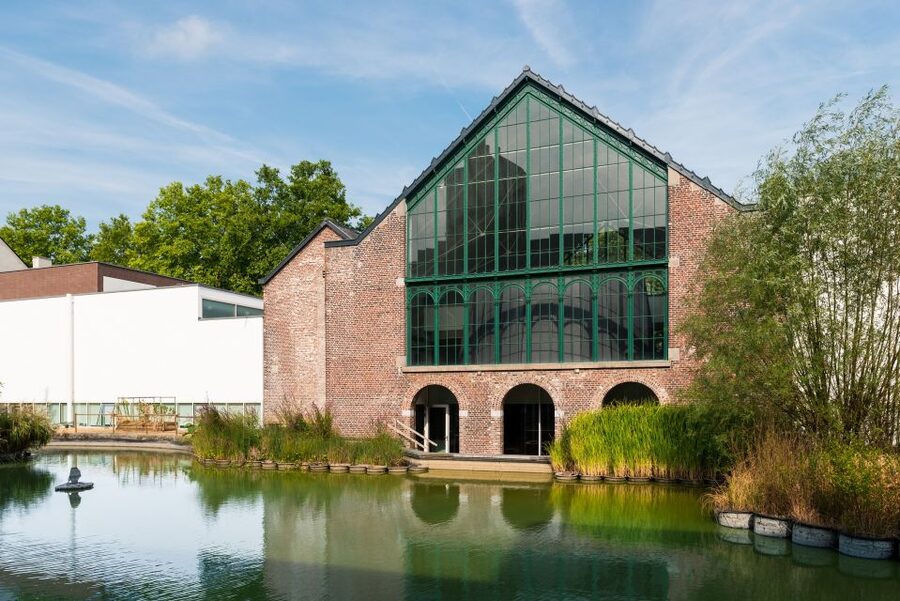
One of the museum’s strengths is the way it frames soldier life as daily life, not only hero moments. You will encounter exhibits tied to the day-to-day experience of men fighting far from home, including the routine strain that comes from being away from loved ones.
That angle makes the stories easier to hold onto. Instead of thinking war is only a dramatic movie scene, you start thinking about it as a long stretch of days where survival depends on small things.
Look for how the exhibits connect military life to the wider society around it. When you see the soldiers’ perspective, the museum then widens the lens to show what families and civilians had to deal with during peace, occupation, and war.
Civilian life in peace, war, and occupation
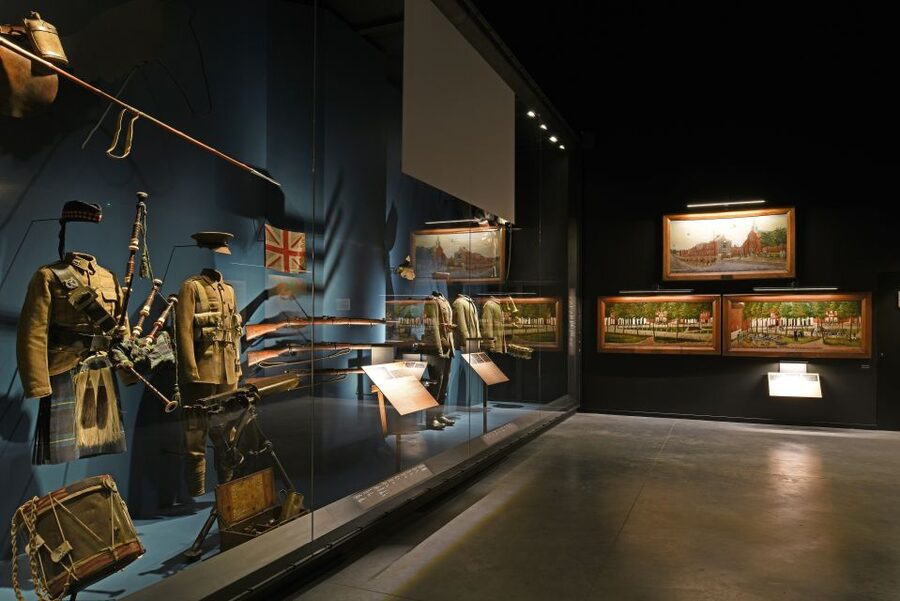
The museum does a good job showing that civilian life is not a pause button between battles. You learn about everyday living under different conditions, including occupation and the stress that comes with it.
This is the part of the visit that tends to stick with you longest, because it is easy to forget civilians are also making choices while everyone else is focused on the battlefield. The exhibits highlight that civilian life can be reorganized, disrupted, and controlled, often without the dramatic clarity people expect.
If you want a museum that helps you understand war as a system, not an event, this is exactly the right place. You will walk out with a more realistic picture of how communities endure and adapt.
A few more Wallonia afternoons to weigh up
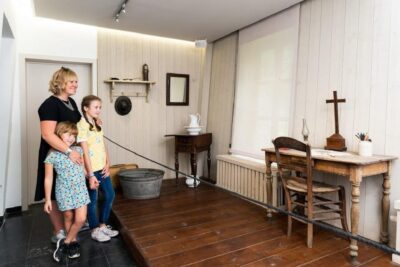
Letters, diaries, postcards, and veteran interviews
The most emotional section of the museum is built around personal documents. You will be able to read soldiers’ diaries and examine letters to loved ones, including postcards. This is not abstract storytelling. It is writing that sounds like it came from someone who had to keep functioning while everything around them was breaking.
After the reading, you can watch recorded interviews with veterans. That sequence works well because it gives you two angles on the same experience: the private thoughts on paper, and the later reflections of people looking back.
I especially like that the museum does not treat these materials like trophies. It keeps them tied to ordinary stakes: family bonds, fear, endurance, and the feeling of being trapped between events you cannot control and responsibilities you cannot drop.
WWI artifacts you will actually remember
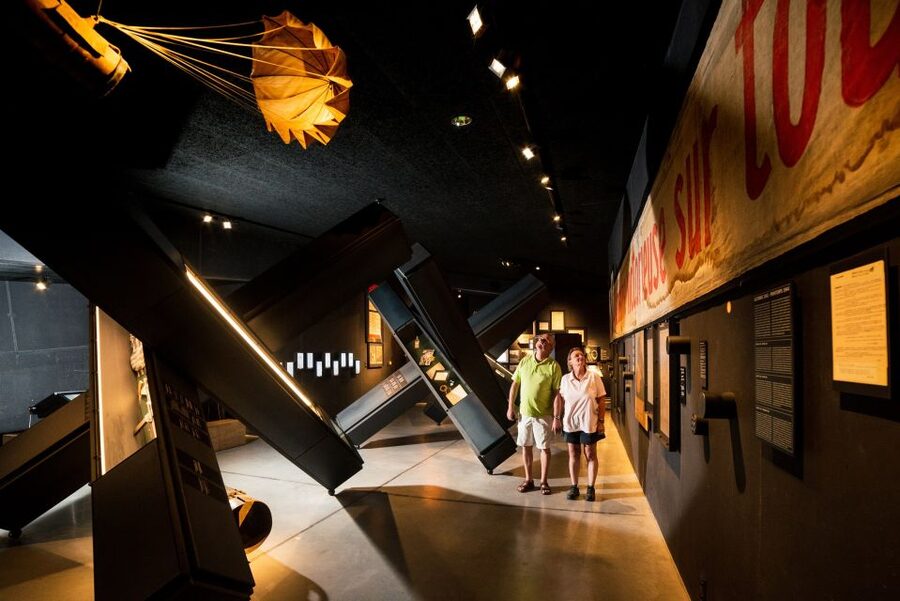
WWI is not presented only through paintings or descriptions. You will see tangible objects that make the conflict feel physical and immediate.
Two standout exhibit items are a collection of German bombs and a preserved bread ration kept in a bottle. Seeing that bread ration displayed like an artifact is a gut-check in the best way. It forces you to notice how hunger becomes part of the war story, not a side detail.
The museum also features the first one-tonne German bomb from 1917. If you are the type who likes concrete numbers and real objects, this is where the museum gives you something that is hard to dismiss.
These WWI sections help you understand how industrial-scale warfare changed daily life. Even when the labels explain history, the objects do the heavy lifting for your imagination.
The museum’s timeline includes WWII, and the questions evolve
Your walk does not stop after WWI. The museum continues through later years and ends with WWII. The point is not to list conflicts back-to-back. It is to show how the relationship between civilians and the military keeps getting renegotiated.
As you reach the later exhibits, you can think back to what you learned earlier. Ask yourself what stays constant, like separation from home or civilian vulnerability. Then ask what changes, like the scale of weapons and how occupation and control can look different depending on the era.
This is one reason the museum feels worth your time even if you are not a history buff. It gives you a framework to process fear, suffering, and survival across decades.
Price and value: around $11 for a full day of meaning
At about $11 per person, the ticket price feels like a fair deal for a museum that covers a wide timeline and includes both written documents and veteran interviews.
You are not paying for a performance or a guided tour. You are paying for access to exhibits that do a lot of work for you, with personal materials and striking artifacts. In plain terms, you get substance.
If you are deciding between quick stops and one solid cultural visit, this is a good choice. The museum is short enough to fit your day, but deep enough to keep you engaged for hours if you slow down and read.
Logistics that help you enjoy the visit more
You will exchange your voucher for an admission ticket, and you should expect to present the e-mailed ticket at the museum reception. The museum asks you to show up in the chosen time slot, so I suggest picking a slot when you can linger.
Because there is no guided tour and no audio guide included, plan to spend time reading labels. If you are traveling with a group, consider splitting duties: one person reads carefully while others take note of the key artifacts, then you compare later.
The museum’s staff and greeters speak French, English, and Dutch, which is helpful if you have questions at the entry desk. The museum is also wheelchair accessible, so you can plan a visit without worrying about basic access.
Timing tip: if you can, go earlier in the day. Quiet time makes the interviews and personal writing sections hit harder, and it makes reading less of a race.
Who this museum is best for
I think the Mons Memorial Museum suits you if you like history that focuses on real people and real daily pressure. It also fits well if you want WWI artifacts but do not want a purely military museum vibe.
You should also consider it if you appreciate primary sources. Diaries, letters, and postcards can be more memorable than general explanations because they force you to slow down.
If you are looking for a playful, lighthearted day, this is not that kind of museum. The themes are heavy, especially around occupation and the lived experience of war. But if you want honest context, it delivers.
A quick note on what to expect emotionally
This museum can be emotionally intense. Not because it tries to shock you, but because it gives you direct access to personal material and human testimony.
If you are sensitive to graphic weight or difficult topics, pace yourself. Take breaks between exhibit rooms and do not feel pressured to finish quickly. A museum like this is more useful when you let it land.
The upside is that you will leave with clarity. You will understand war not just as dates and weapons, but as a long-term disruption to routine, relationships, and community life.
Should you book the Mons Memorial Museum ticket?
Book it if you want one day in Mons that teaches you something real, and not just something memorable. The combination of diaries and letters, veteran interviews, and WWI artifacts like the one-tonne German bomb and preserved ration gives you a visit that feels tangible and human.
Skip it only if you need a guided experience or audio support to stay engaged. Since there is no guided tour or audio guide included, you will get the most out of this place if you enjoy reading and looking closely at exhibits at your own pace.
If you are visiting Wallonia and want a stop that is thoughtful, practical, and quietly powerful, the Mons Memorial Museum is a strong pick.
Latest from Wallonia






Museums, compared.
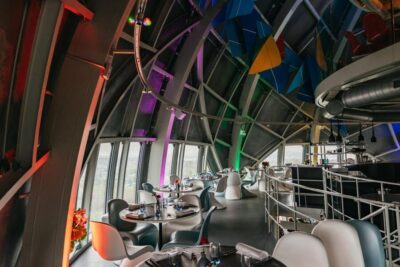
Atomium Entry Ticket with Design Museum Ticket
Read our review →
Choco-Story Brussels: Chocolate Museum Entrance with Tasting
Read our review →
Choco-Story Museum with Audio Guide and Tastings
Read our review →
The World of Banksy Museum Permanent Exhibition
Read our review →
Browse the lists this tour appears in