
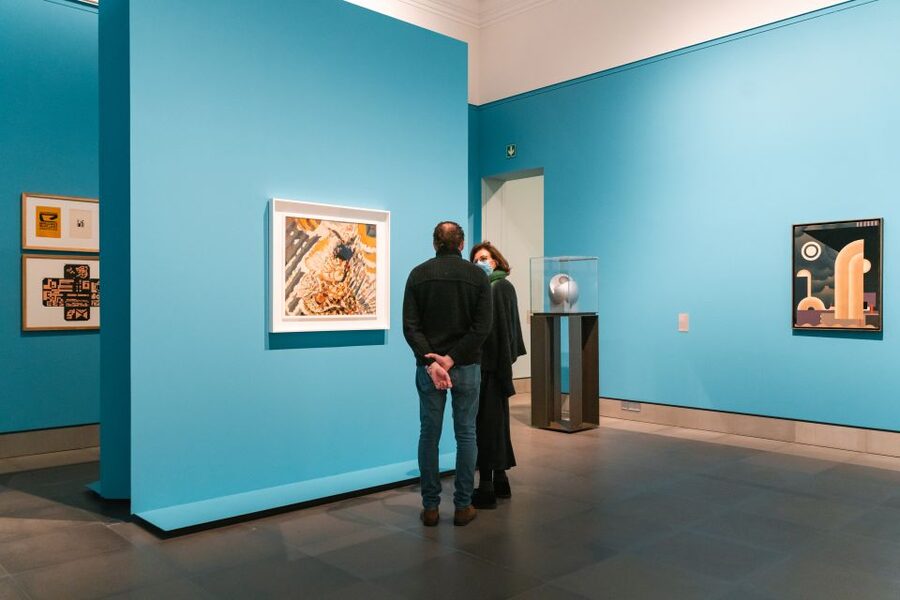
Reviewed · MUSEUMS
Ghent: Museum of Fine Arts Entry Ticket
Walk into art across six centuries. This entry ticket gets you into Ghent’s Museum of Fine Arts for a full museum day plus an audio guide, and the biggest draw is watching the Ghent Altarpiece restoration behind glass.
I especially like the way the museum mixes famous Belgian and European names with works you might not know yet, so your eyes keep getting surprised.
My other favorite part is how practical the visit feels. You get access to both permanent and temporary exhibitions, and the galleries are set up to help you move through time without feeling lost.
One possible drawback: there are firm rules once you’re inside, including no large bags and no food or drinks, so you’ll want a light pack (there is a free cloakroom, though).
In This Review
- Key highlights you should plan around
- Where the day starts: entering the museum the easy way
- The big layout secret: a chronological route that still lets you wander
- Watch the Ghent Altarpiece restoration behind glass
- Giants of European and Belgian art, from Bosch to Rubens
- Belgium after 1800: Ensor, Emile Claus, Georges Minne, and more
- The modern twist: audio guide with perspectives beyond the label
- Temporary exhibitions included, so check what’s on
- Timing your visit: when Ghent Museum of Fine Arts runs late
- Don’t forget the outside moment: monumental building, green park nearby
- Price and value: is $17 per person fair
- Who should book this museum ticket
- Should you book the Ghent Museum of Fine Arts entry ticket?
- FAQ
- How long is the Ghent Museum of Fine Arts entry ticket valid?
- What is included with the ticket besides the permanent collection?
- Are the temporary exhibitions included in the price?
- What languages are available for the audio guide?
- Is the museum wheelchair accessible?
- Are food and drinks allowed inside the museum?
- Is flash photography permitted?
- What do I need to bring and what is not allowed with me?
Key highlights you should plan around
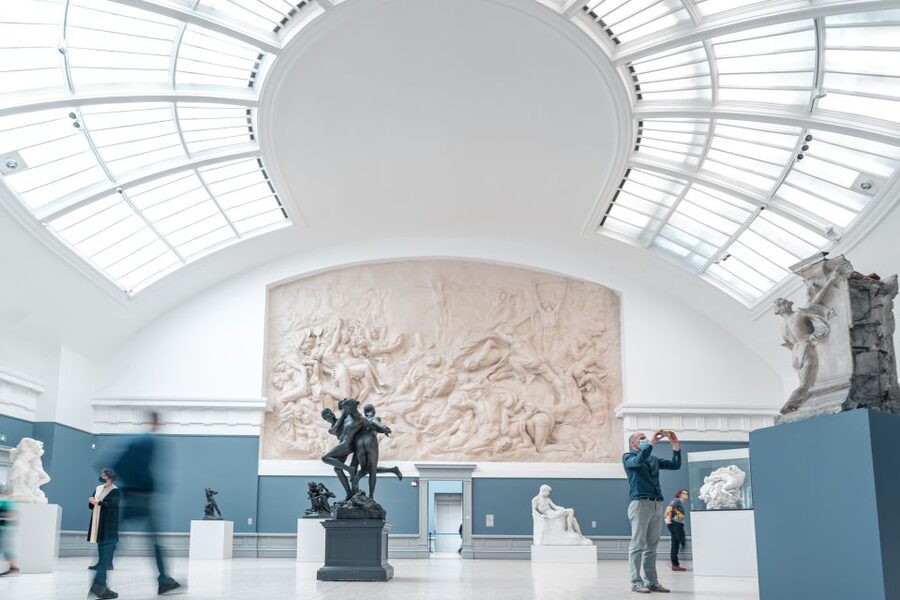
- Live Ghent Altarpiece restoration viewable behind glass in the museum
- 30 galleries with a chronological route plus thematic stops
- Permanent + temporary exhibitions included in one ticket
- Audio guide for adults and a separate kids tour, plus labeled family route
- Belgian modern masters mixed with giants from the 14th to 20th centuries
- First Thursday late hours until 22h, often with extra activities
More Museum Visits in Ghent:
- Brussels: Atomium Entry Ticket with Design Museum Ticket
★ 4.4 · 9,254 reviews - Choco-Story Brussels: Chocolate Museum Entrance with Tasting
★ 4.3 · 4,883 reviews - Bruges: Choco-Story Museum with Audio Guide and Tastings
★ 4.2 · 1,825 reviews - Brussels: Chocolate Museum Visit with Workshop
★ 4.6 · 1,474 reviews - Brussels: Autoworld Museum Ticket
★ 4.7 · 1,301 reviews
Where the day starts: entering the museum the easy way
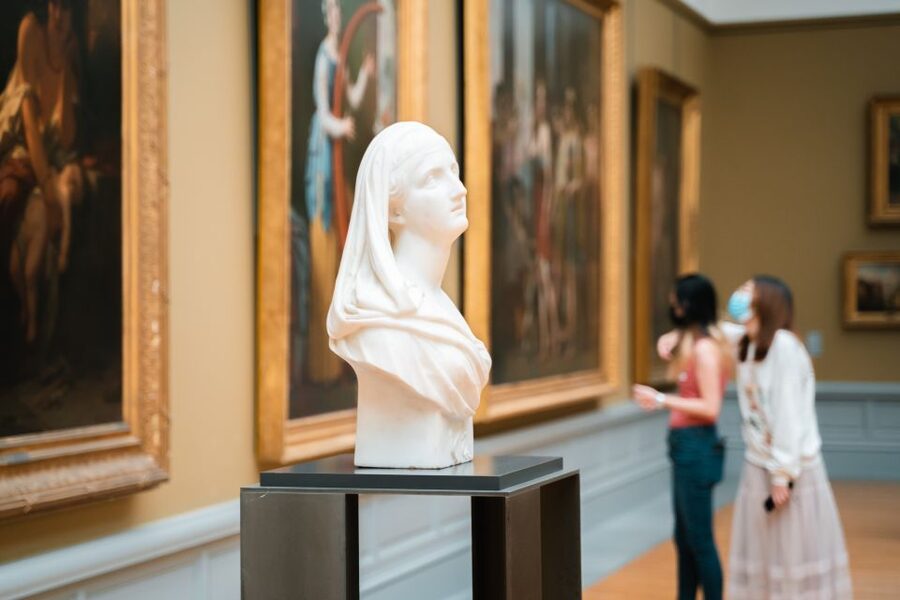
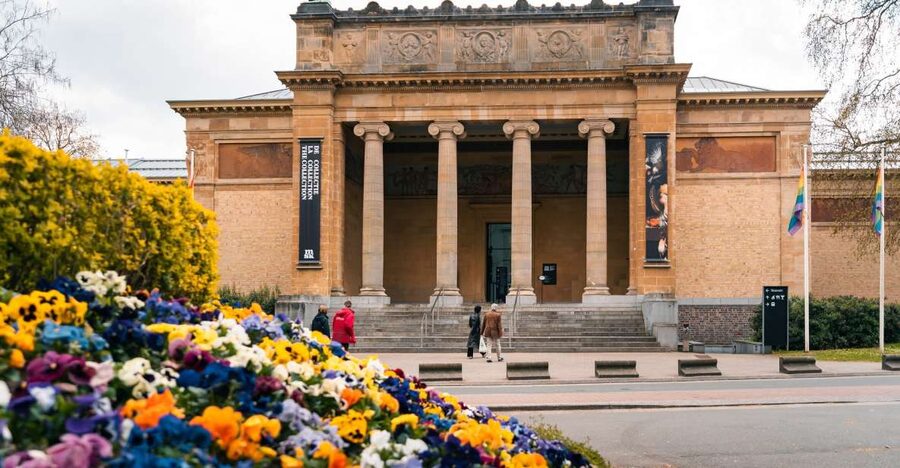
You’ll present your voucher at the museum entrance, then get set for a self-paced visit. The museum building is monumental, and that matters more than it sounds. When a place is physically grand, it can be too easy to rush and miss the structure of the collections. Instead, you’ll want to use the galleries as a guide and let the space slow you down.
Before you go hunting for your first masterpiece, sort out what you’ll carry. Large items and coats are not permitted inside, but there is a free cloakroom, so you can keep your hands free. Also note the no-go rules that affect comfort day-to-day: no flash photography, no umbrellas, and no food or drinks inside the museum. That last one is a classic museum headache, so plan to eat elsewhere before or after.
If you’re visiting with kids, the museum is set up for families. There’s a family route with children’s labels and small activities, which makes it much easier to keep younger visitors engaged without turning the day into a constant negotiation.
And if you need a different setup, the museum is wheelchair accessible via a side entrance. There’s also a breastfeeding and diaper changing room, and gender inclusive restrooms, which is simply the kind of modern convenience that makes sightseeing smoother.
The big layout secret: a chronological route that still lets you wander
This museum is designed for you to follow a chronological visiting route, and that is the smartest way to experience it if you want the art to start talking to itself. As you move through the centuries, you’ll see how styles, subjects, and techniques change over time, and you’ll notice how later artists sometimes borrow ideas from earlier ones.
At the same time, you are not trapped in a straight line. The galleries also include thematic and monographic rooms, so you can step sideways into a subject or a single artist. That balance is great for real life. You can do the full timeline when you feel focused, then switch to a theme when you want variety.
The museum has 30 different galleries, and about half of them focus on art before 1800. That means you will get strong coverage of older art without the visit turning into one long “history lecture.” It also means the jump to the 19th and 20th centuries feels natural, not abrupt.
Practical tip: use the audio guide early, even if you only listen for the first few rooms. It helps you get your bearings fast, so later you spend less energy figuring out what you are looking at.
Watch the Ghent Altarpiece restoration behind glass
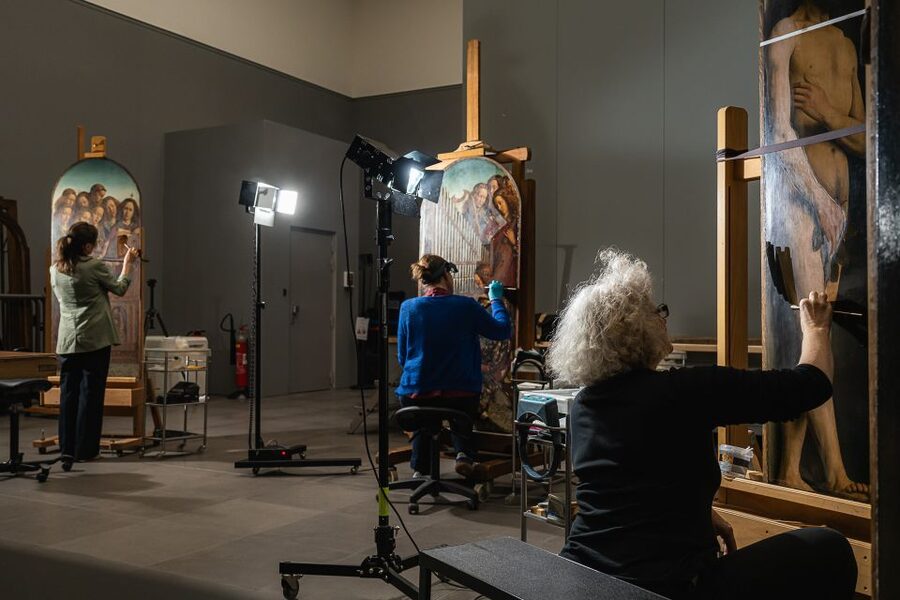
If you only care about one thing, make it this: the museum lets you witness the final restoration phase of the Ghent Altarpiece in a workshop area you can see behind glass. This is the rare kind of exhibit that isn’t just showing a result, it’s showing a process.
Why it’s valuable: restoration changes how you understand a masterpiece. Paint layers, materials, and earlier interventions all affect what you see today. Seeing the restoration work makes the artwork feel less like a distant museum object and more like something that still has a living story.
Also, the museum places this restoration in the heart of the museum, not pushed to the edges. That choice makes your visit feel purposeful. You can build a day around it, then let the rest of the collection echo what you learned.
Tip for timing: don’t schedule your most important listening for the last hour. Go sooner rather than later, so you can re-join the collection while your attention is sharp.
Giants of European and Belgian art, from Bosch to Rubens
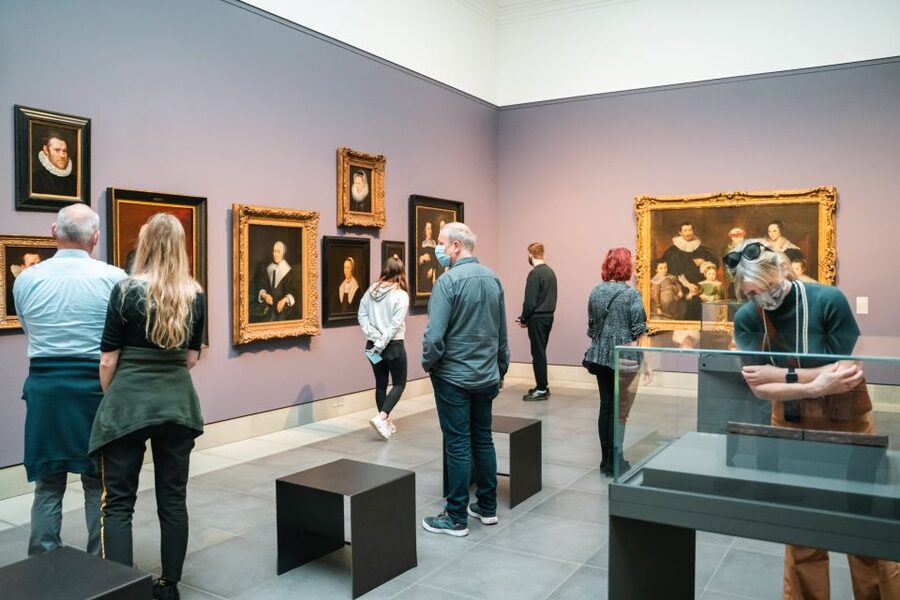
Once you settle into the galleries, you’ll meet major players of art history. The collection includes works by names like Hieronymus Bosch, Pieter Paul Rubens, Brueghel II, and Anthony van Dyck. Even if you only know a couple of these artists, it’s an efficient shortcut to understanding how European art developed its big visual ideas.
What I like about this kind of lineup is that it gives you contrast. Bosch brings a world of unsettling imagination. Rubens signals energy and movement. Van Dyck connects painting to portrait power and courtly style. When these artists appear in a well-structured museum, your brain starts grouping them by how they see the world, not just by time period.
Since the museum is built for a chronological route, you also get the benefit of seeing the way generations relate. You’re not just staring at famous names, you’re watching how influence travels.
If you want to make this section less overwhelming, don’t try to “see everything.” Pick a handful of rooms and give each one a real block of attention with the audio guide. You’ll remember more, and the museum will feel bigger in a good way, not stressful.
A few more Ghent afternoons to weigh up

Belgium after 1800: Ensor, Emile Claus, Georges Minne, and more
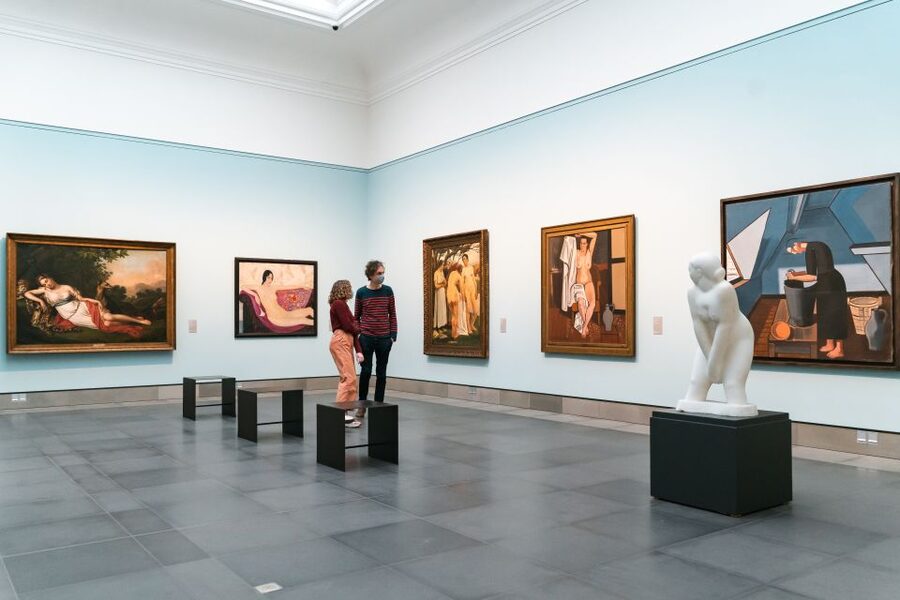
As you move forward past 1800, the museum shifts into Belgian focus in a way that feels satisfying. You can see 19th and 20th century works by artists such as James Ensor, Emile Claus, and Georges Minne.
This is where the museum becomes especially rewarding if you like art that feels connected to place. You start seeing how Belgian artists responded to the broader European currents, but with their own tone. Ensor’s edge, Claus’s atmospheric approach, and Minne’s sculptural sensitivity each point in different directions, so you don’t get a “same-ness” problem.
A smart approach here: listen to the audio guide section that frames the work in context, then stand quietly for a minute longer than you normally would. Modern art can feel like you need an explanation to justify looking. The guide helps, but your eyes do the rest.
And yes, you can keep going into the modern period. The museum also includes modernism by Gustave Van de Woestyne, René Magritte, and Frits Van den Berghe, which brings surreal and psychological ideas into the same building as older religious and historical art. That contrast is part of the fun.
The modern twist: audio guide with perspectives beyond the label
The ticket includes an adult audio guide, and it’s not limited to basic facts. The guide offers modern perspectives on art history, includes queer views, and even offers musical interpretations. There are also descriptions for visually impaired visitors, plus a separate kids tour.
That matters because it changes the job of a museum. Instead of you reading placards like a human encyclopedia, the audio guide helps you ask better questions. Why did the artist choose this? What does this technique do to your eye? What did different communities see in it?
If you’re bringing kids, the value jumps again. You get a family route with children’s labels and small activities, plus the kids audio option. It’s one of those details that keeps families from splitting into “adults who want art” and “kids who want exit snacks.”
Practical tip: download or collect your audio before you settle into your first rooms, then use it like a map. If you find a room you love, linger and let the guide play in chunks.
Temporary exhibitions included, so check what’s on
Your ticket also covers temporary exhibitions, automatically included. That’s a big value play because it means you are not paying extra just to get something fresh.
The temporary programming can shift, so the best strategy is simple: check what exhibition is running when you arrive, then decide how much time you want to give it. If you love contemporary interpretation, you’ll probably want a full stop with the audio guide. If you prefer the classics, treat it as a “bonus layer” and spend less time there.
This mix of permanent collection and temporary exhibit is a smart way to make the museum feel like more than a highlight reel. One-day tickets work best when there’s variety, and this museum naturally gives it to you.
Timing your visit: when Ghent Museum of Fine Arts runs late
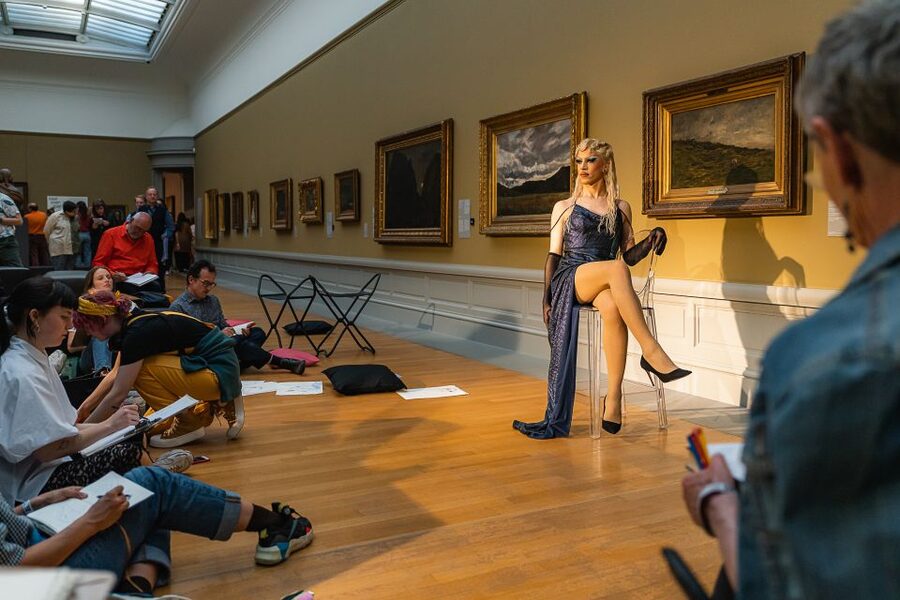
This is a one-day experience, but it helps to know the museum’s rhythm. The museum stays open until 22h on the first Thursday of each month, and that evening is often paired with an activities programme.
That late opening is great for two reasons. First, you can combine art with evening energy in Ghent, which usually means the city feels slower and more human. Second, you get a chance to see the museum without the daytime rush feeling like the main event.
If you have a choice, plan your “big attention rooms” earlier in your day, then use the later hours for restoration viewing, audio listening, and the temporary exhibit at a calmer pace.
Don’t forget the outside moment: monumental building, green park nearby
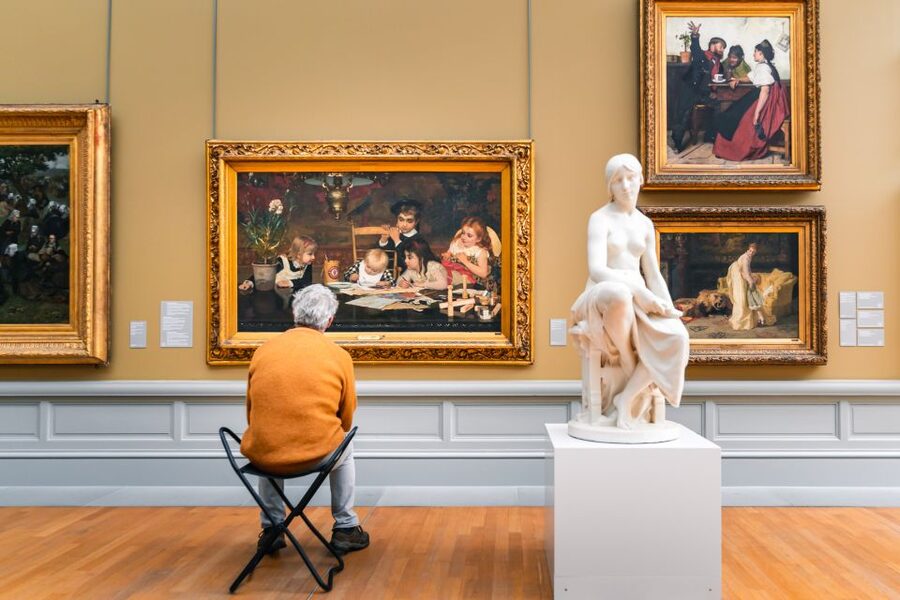
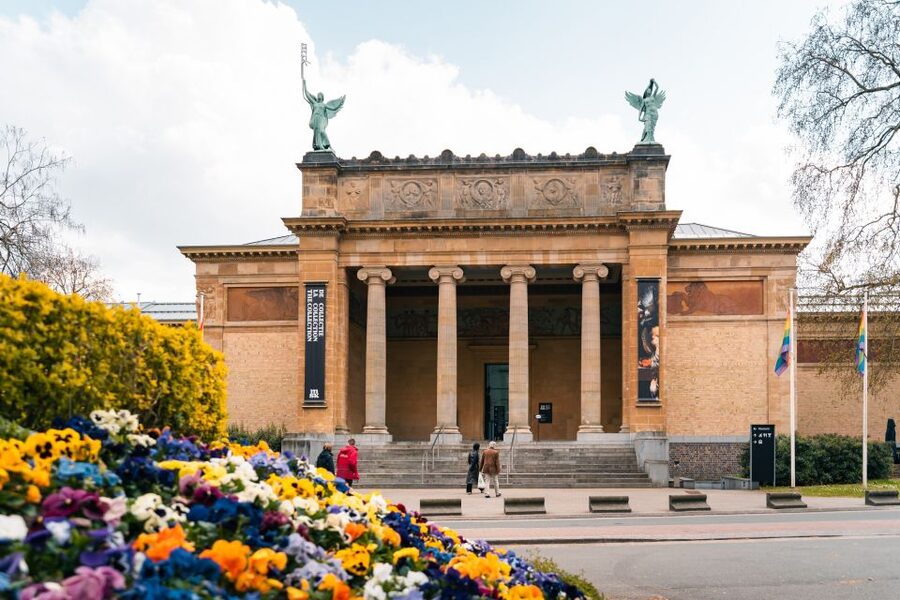
Even when you spend your time indoors, don’t skip the transition back out. The museum’s building is monumental, and right next door there’s a green park. It’s perfect for resetting your brain after a few heavy rooms of older art, portraits, and modernism.
That outdoor stop is also practical. Since food and drinks aren’t allowed inside, you’ll want a place to linger when you’re ready to eat. The park gives you that chance to breathe before the next stage of your day in Ghent.
Price and value: is $17 per person fair
At about $17 per person, this ticket makes sense because you’re not just buying entry to a single collection room. You get:
- entry to the permanent collection
- entry to temporary exhibitions
- an adult audio guide and a children’s option
- a family route with kids labels and small activities
In other words, the price isn’t only for what hangs on the walls. It’s also for how you experience it, through the audio guide features and the structured way families can move through the museum.
You might also find reduced fares depending on eligibility. One example that has been shared is a student rate around €4.80, and there has been mention of an extra discount code used for additional savings. If that matters to you, check what you qualify for before you pay.
One more value caution: if you plan to use a City Card Gent for this museum, double-check acceptance ahead of time. A past experience reported that the city card option was not offered, meaning the card didn’t cover this ticket as expected.
Who should book this museum ticket
This is the right choice if you want:
- major art history names in one place, without needing multiple tickets
- a visit that works for both adults and families, thanks to the kids route and audio
- a hands-on kind of highlight, the Altarpiece restoration behind glass
- a structured experience that still lets you pick your own pace with the audio guide and mixed gallery types
It’s also a good fit for visitors who like to “learn while looking,” because the audio guide includes perspectives beyond the basics, including queer views and musical interpretations.
If you hate rules, bring a light bag. If you hate uncertainty, check the temporary exhibition list before you commit your time.
Should you book the Ghent Museum of Fine Arts entry ticket?
Yes, I think you should book it if you want a one-day art experience that’s built for variety. The combination of permanent collection plus temporary exhibitions, the included audio guide with different formats, and the rare chance to watch the Ghent Altarpiece restoration behind glass makes this ticket feel like more than standard entry.
I would skip it only if you strongly prefer purely outdoor sightseeing or you’re traveling with heavy luggage you cannot manage. Inside, the rules are clear, so your day works best when you travel light and give yourself enough time to follow the galleries and audio guide.
FAQ
How long is the Ghent Museum of Fine Arts entry ticket valid?
The ticket is valid for 1 day, so you can plan a single museum visit within that timeframe.
What is included with the ticket besides the permanent collection?
The ticket includes entry to the permanent collection and the temporary exhibitions, plus an audio guide for adults and an audio guide for children, and a family route with children’s labels and small activities.
Are the temporary exhibitions included in the price?
Yes. Temporary exhibitions are included automatically in your ticket.
What languages are available for the audio guide?
The audio guide is available in Dutch, English, and French.
Is the museum wheelchair accessible?
Yes. The museum is fully wheelchair accessible via the side entrance.
Are food and drinks allowed inside the museum?
No. Food and drinks are not allowed inside.
Is flash photography permitted?
No. Flash photography is not allowed.
What do I need to bring and what is not allowed with me?
Bring a passport or ID card. Large bags and luggage are not permitted inside, but there is a free cloakroom. Umbrellas are also not allowed.
Latest from Ghent





Museums, compared.
Atomium Entry Ticket with Design Museum Ticket
Read our review →
Choco-Story Brussels: Chocolate Museum Entrance with Tasting
Read our review →
Choco-Story Museum with Audio Guide and Tastings
Read our review →
The World of Banksy Museum Permanent Exhibition
Read our review →
Browse the lists this tour appears in