
Reviewed · HIDDEN GEMS & LOCAL FAVOURITES
Gent Walking Tour with a Local
Ghent gets real fast when someone points you the right way. This private walking tour threads canal views and medieval streets with practical local tips. I especially like the canal-side stops like Graslei and Korenlei, and I like that your guide helps you move at your pace instead of marching you from plaque to plaque.
One thing to consider: the experience depends on your guide’s timing and how they handle site info. A few past bookings flagged late arrivals and shaky planning around opening times, so build in a little flexibility and wear your comfy shoes.
If you want a laid-back Ghent walk with stories, shortcuts, and local food ideas, this is a strong bet. It is also not a heavy lecture on dates and dynasties, which is a plus for many people.
In This Review
- Key moments you will care about
- Start at Korenmarkt, then get your bearings on foot
- Gravensteen Castle: see the landmark, then choose your next step
- St. Bavo’s Cathedral: a high-impact stop without the feeling of a museum tour
- Graslei and Korenlei: the canal-side postcard moment, explained in plain terms
- Patershol: step into a more lived-in Ghent mood
- St. Michael’s Bridge: skyline views you can time with your walk
- How much time you get, and why it changes the whole experience
- Price and value: is $48 per person worth it?
- What to ask your guide so you leave with real plans
- Who should book this Ghent local walking tour
- Should you book this Ghent walking tour?
- FAQ
- How long is the Gent walking tour with a local?
- Where is the meeting point?
- Is this tour private?
- Is the tour conducted in English?
- What is included in the price, and what is not?
- Do I need to pay for entrance fees to attractions?
- Can children join?
Key moments you will care about
- Canal views that actually make sense as you learn how to read the city from the water
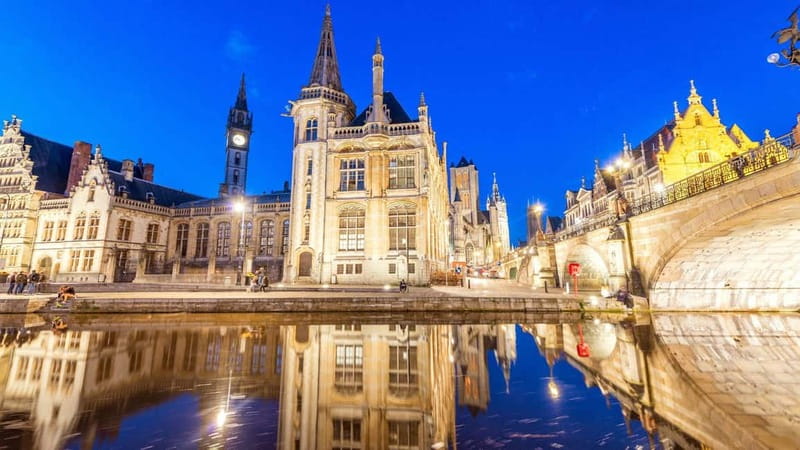
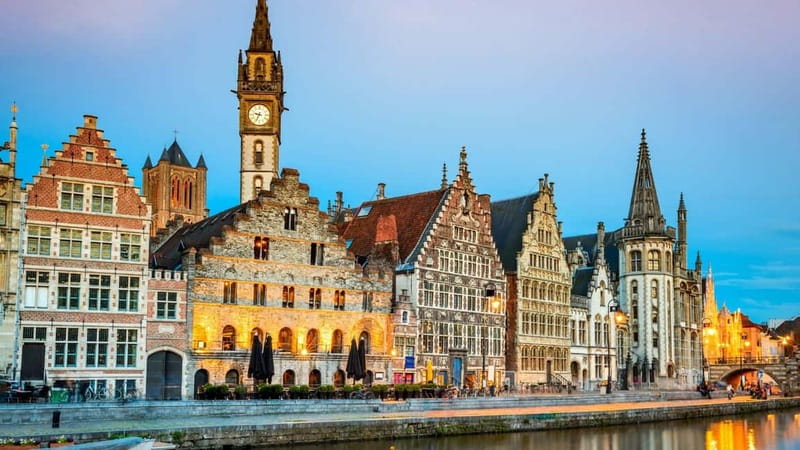
- Graslei and Korenlei guild houses for those postcard reflections, with context on what you are seeing
- Patershol time for coffee and wandering in a more everyday neighborhood feel
- St. Michael’s Bridge skyline views you can enjoy without needing a ticket
- A flexible, private format where you can spend extra minutes on what interests you
- Local culture over deep-history lessons so the walk stays fun and easy
More Guided Walks in Ghent
- Historical Walking Tour: Legends of Gent
★ 5.0 · 1,761 reviews - Ghent: Belgian Chocolate Walking Tour with Tastings
★ 4.9 · 259 reviews - Gastronomic Walking Tour of Gent – Tasters included
★ 5.0 · 199 reviews - Ghent: Private 2-Hour Walking Tour
★ 4.7 · 134 reviews - Ghent: Famous Belgian Chocolate Walking Tour with Tastings
★ 5.0 · 131 reviews
Start at Korenmarkt, then get your bearings on foot
You meet at Korenmarkt, a great choice because it puts you right in the action fast. From there, the tour works like a guided “get oriented” loop. You are not just seeing Ghent, you are learning the easiest walking logic: where the big landmarks sit, where the calmer lanes branch off, and how the canals shape the city.
I like this meeting point because it keeps things practical. You can arrive, grab a quick look around the square, then start walking without that awkward early-stage stress. And since it is a private group, you are not trapped in the slowest-person pace or forced to follow a mass schedule.
The one practical drawback to keep in mind is that walking tours move. The tour is designed to be casual and easy, but you still need comfortable shoes and a readiness to cover medieval streets on foot. Also, be on time. If you show up late, you can miss the early rhythm of the walk.
Gravensteen Castle: see the landmark, then choose your next step
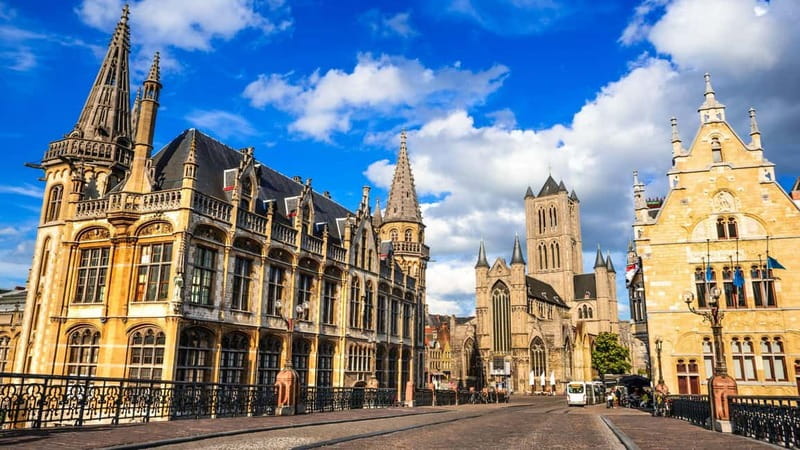
One of the tour’s big early anchors is Gravensteen Castle. Even if you do not go inside, it helps you understand Ghent’s medieval mindset. The stone presence and moaty feel tell you why cities built for defense later became symbols people still build their stories around.
Here is the real-world value for you: this tour does not push paid attractions as the core experience. Paid entry is not included, so you decide what fits your energy and budget. If you want more time at Gravensteen, you can spend it. If you would rather keep moving and focus on streets and canals, the exterior viewpoint still does its job.
One caution based on feedback patterns: if you are the type who likes to go inside landmarks, ask your guide how to handle ticketed stops ahead of time. A couple of past experiences mentioned guides not being fully ready with current site info, including opening times. That does not mean you will have that issue, but it is worth planning your expectations.
St. Bavo’s Cathedral: a high-impact stop without the feeling of a museum tour
Next up is St. Bavo’s Cathedral. The tour treats it like a major visual landmark that helps you connect Ghent’s skyline to its cultural life. You get a sense of scale right away, and you also get a human explanation, not a timeline dump.
This is where the tour’s style matters. It emphasizes local culture more than deep history lessons. That means you are more likely to hear how Ghent people think about the city today, not just what happened centuries ago. If you are hoping for a full academic lecture, you might find it light. If you want a smooth walking story with real-world context, it works well.
A small practical tip: stand where the building lines up with nearby streets and canal paths. Even without a long indoor stop, you can get a lot of photos and a better mental map of the area. Your guide should help you aim for the best angles and the least annoying foot traffic routes.
Graslei and Korenlei: the canal-side postcard moment, explained in plain terms
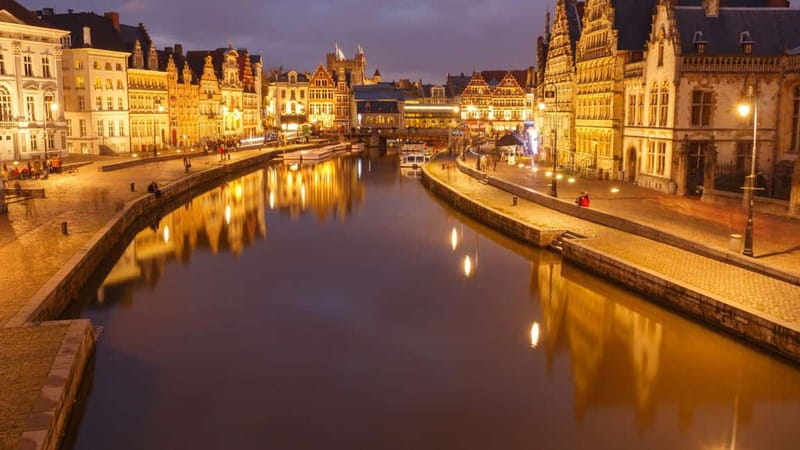
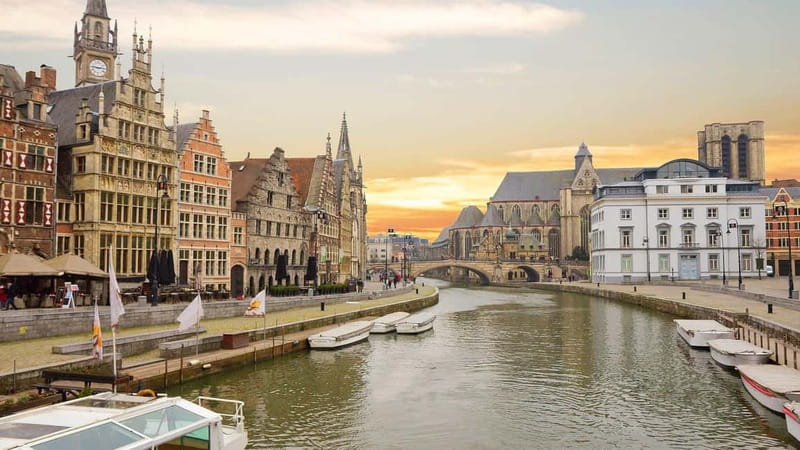
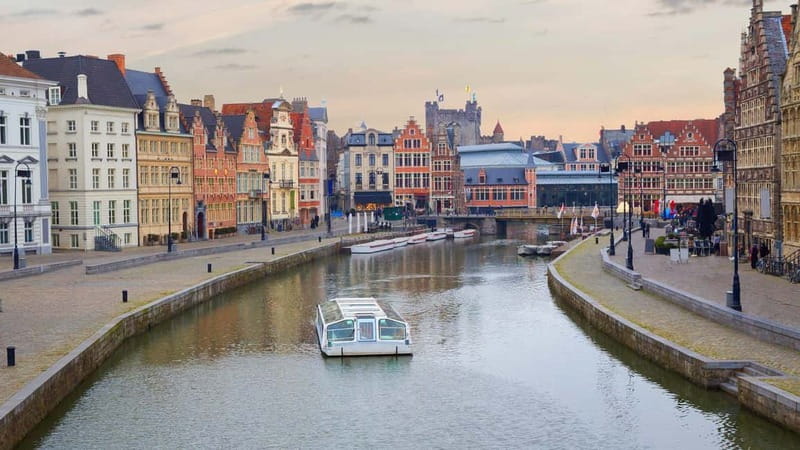
If you want the moment that makes the whole tour click, it is Graslei and Korenlei. These two canal banks are lined with guild houses, and the reflections on the water turn every pause into a mini scene. But what makes this stop valuable is what your guide does with it. You do not just look. You learn how to read the canal edge like it is part of Ghent’s story.
Here is what you can do while you are there:
- Slow down for a few minutes and watch how the buildings mirror across the water.
- Ask your guide what made these areas important, in everyday terms.
- Use the stop to reset your walking pace, then continue on when you feel ready.
The positive reviews point again and again to the way guides kept conversations flowing and explanations clear, especially on these kinds of landmark-heavy stretches. Names that show up in strong feedback include Caio, Nini, and Nigma, with notes praising the way they guided discussion and handled questions even when topics wandered. That is exactly the energy you want at Graslei and Korenlei, because the scenery invites curiosity.
One thing to remember: this is still a walking tour, not a slow sightseeing cruise. Plan for standing, moving, and pausing. If you want long stops that feel like a personal photography session, be ready to ask for extra time.
More Local Favourites in Ghent
Patershol: step into a more lived-in Ghent mood
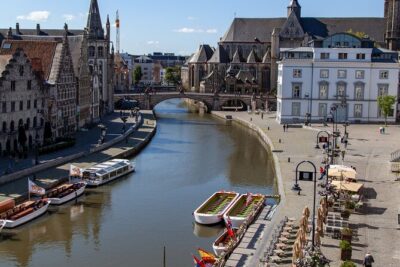
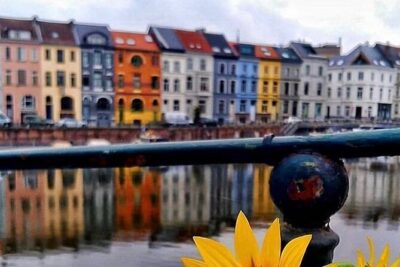
After the big postcard canal moments, the tour heads into Patershol, an area known for cozy cafés and local boutiques. This part is often where you feel the city shift from “look at the monuments” to “see how people actually spend time here.”
I like Patershol on a guided walk because it is easier to find the pleasant, less obvious corners when you have local guidance. The tour style here is especially on-point for people who get tired of history walls and prefer streets where you can breathe. Your guide should point you toward spots for Belgian specialties and help you understand what to order or where the locals tend to linger.
A practical drawback to flag: this segment is the most “choose your own pace” part of the walk. That is good for flexibility, but it can also make the time feel less structured if you want a strict itinerary with set durations at each stop. If you are short on time, tell your guide early what you do and do not care about.
St. Michael’s Bridge: skyline views you can time with your walk
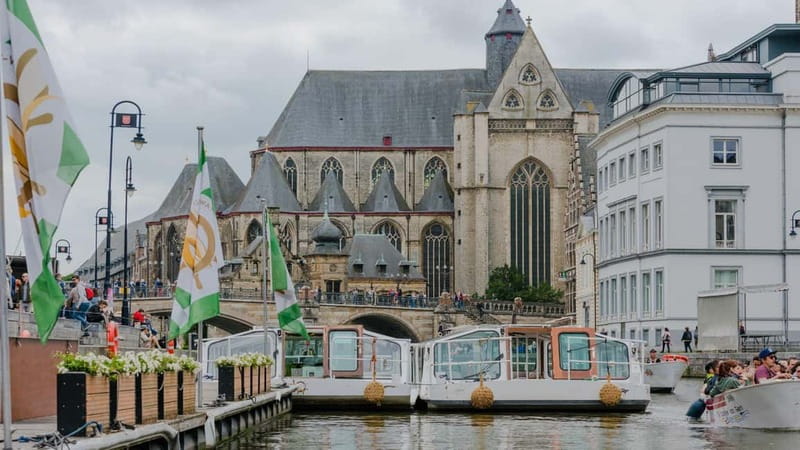
The tour includes St. Michael’s Bridge, described as illuminated in the walking experience. Crossing the bridge is one of those no-ticket moments that still feels like a highlight. You get a broad view of the city skyline, and the route gives you a natural sense of Ghent’s layout.
From a practical perspective, this is the kind of stop that works for almost everyone:
- It is visual without being complicated.
- It is easy to navigate even if your feet are tired.
- It gives you that “I get it now” view that makes earlier stops connect.
If your tour timing aligns with evening light, you are likely to get that illuminated feel. If not, you can still enjoy the skyline. Either way, I recommend using the bridge crossing as your checkpoint. If you still have questions, this is when it makes sense to ask, because you can see the city in the same frame while your guide explains how the places fit together.
How much time you get, and why it changes the whole experience
The tour length ranges from 1 to 6 hours, depending on what you choose and what is available. That flexibility is not just a marketing perk. It changes the vibe.
- A shorter walk is ideal if you want the key landmarks, the canal reflections, and a couple of cultural notes, then keep exploring on your own.
- A longer walk makes sense if you want more stopping time for cafés, more conversation, and a more relaxed pace that does not feel rushed.
Because this tour is a private group, your guide can shape the pace around your interests. If you care more about the canals and less about cathedral interiors, you can steer that direction. If you love photo stops, you can ask for more time at the viewpoint points. If you want a food-oriented walk, you can ask what Belgian specialties are worth trying in the Patershol area.
The one consideration is that since the guide is described as a friendly local and not a certified professional, the style and depth can vary. Most feedback is positive about enthusiasm and good conversation, but there are also complaints about limited history focus and uneven site-readiness. With a bit of communication and realistic expectations, it usually lands well.
Price and value: is $48 per person worth it?
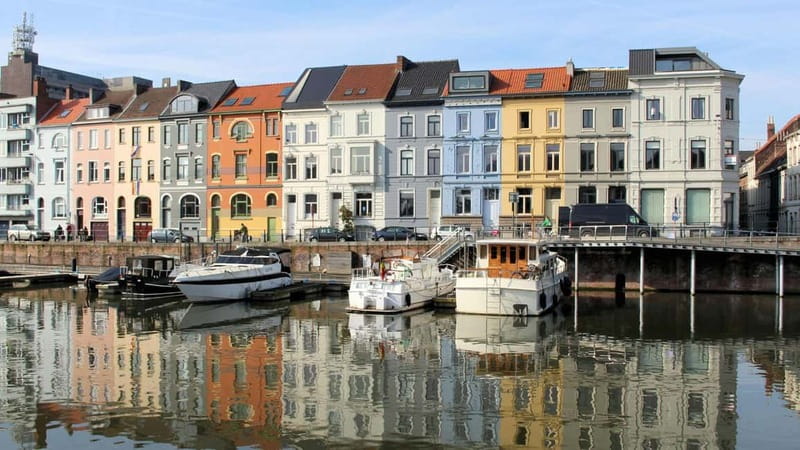
At $48 per person, you are paying for a guided experience that focuses on culture, conversation, and local tips rather than tickets. Food and drinks are not included. Transportation is not included. Paid attractions are not included. That can actually be good value, because you control the spend.
Think of the money as going toward three things:
- A private local guide who helps you navigate the city without guesswork.
- A flexible walking route that highlights areas like Patershol and the canal banks.
- Insider suggestions for Belgian specialties and the kinds of smaller spots you might skip on your own.
This is especially good value if you like asking questions. Some of the standout positive notes mention guides handling questions well and taking time to explain. If you are the kind of traveler who likes to understand what you are seeing and where to go next, this format can feel like you bought time with a smart friend.
Is it worth it if you just want to tick off landmarks quickly? Maybe not. Since this tour leans toward local culture and keeps history lighter, people who want heavy factual narration might feel it is not deep enough. Also, if your ideal day is nonstop sightseeing with paid entry stops, you will likely add costs later on your own.
What to ask your guide so you leave with real plans
This tour works best when you treat it like a conversation, not a script. Here are questions that match what the tour is built to deliver:
- Where do you go for Belgian specialties in this area, and what should I try?
- Which side streets feel most like Ghent day-to-day rather than postcard Ghent?
- If I only have time for one extra stop after the walk, what would you choose and why?
- Where should I stand for the best views, especially around the bridge and the canal edges?
Also, because there can be variability in how guides handle site logistics, do not be shy about asking how long you can expect to spend outside versus inside. If you decide to visit any attraction with an entry fee, the tour notes say you should cover the guide’s cost as well, even though that is framed as optional depending on your choices. That is the kind of detail you want clarified early so your day stays smooth.
Who should book this Ghent local walking tour
I think this tour is a strong fit if you want:
- A private Ghent walk without outsiders mixed in
- Canal-focused medieval scenery paired with local culture talk
- A flexible schedule where you can slow down or move faster
- A friendly English-speaking local guide who shares favorite spots and stories
You might want to skip or rethink it if:
- You want a detailed, lecture-style deep-history experience
- You only enjoy tours that guarantee ticketed entry inside major sites
- You are very sensitive to timing, since a few past notes included late arrivals
Based on the mix of feedback, the sweet spot is clear. When the guide is enthusiastic and prepared, this tour feels easy, lively in conversation, and genuinely helpful for making the city feel navigable.
Should you book this Ghent walking tour?
Yes, if you want a practical, friendly way to experience Ghent’s canals and medieval center without turning your day into a museum schedule. The format is built for comfort and flexibility, and the standout theme from strong feedback is how guides like Nigma, Nini, and Caio made the walk feel conversational and easy, not stiff.
If you are the type who plans your whole day around exact opening times and ticketed interiors, do yourself a favor and confirm your priorities early with your guide once you start. With that small mindset shift, this tour is a smart way to get oriented, get local tips, and leave with a few solid places to return to on your own.
FAQ
How long is the Gent walking tour with a local?
The duration is flexible, ranging from 1 to 6 hours, depending on starting times available.
Where is the meeting point?
You meet at Korenmarkt.
Is this tour private?
Yes. It is a private group experience with no outsiders.
Is the tour conducted in English?
Yes. The live guide speaks English.
What is included in the price, and what is not?
Included: the private walking tour with a friendly local guide, insider knowledge about culture and hidden spots, and flexible exploration at your own pace. Not included: food and drink, transportation, paid attractions, personal expenses, and deep history lessons.
Do I need to pay for entrance fees to attractions?
Paid attractions are not included. If you choose to visit an attraction with an entry fee, the note says you should cover the guide’s cost as well (optional).
Can children join?
Children under three can join for free.
Latest from Ghent





Hidden Gems & Local Favourites, compared.
Guided Retro Bike Tour of Highlights and Hidden Gems
Read our review →
Bruges, Guided Retro Biketour: Highlights and Hidden Gems
Read our review →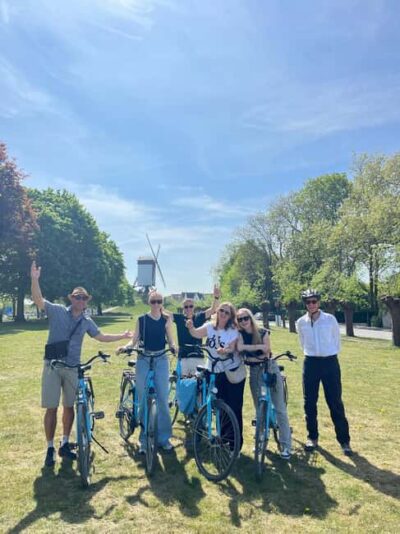
Guided Bike Tour with a Local to Sights & Secrets
Read our review →
Brussels Highlights & Hidden Gems Private Tour with a Local Guide
Read our review →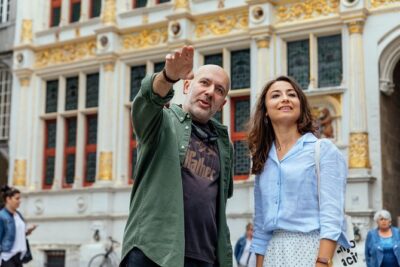
Highlights & Hidden Gems With Locals: Best of Bruges Private Tour
Read our review →
The 10 Tastings of Bruges With Locals: Private Food Tour
Read our review →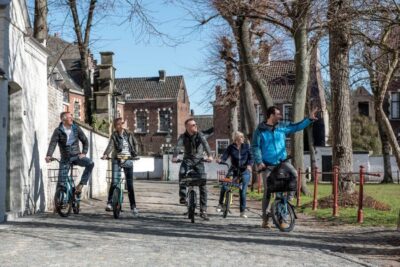
City Highlights and Hidden Gems Guided Bike Tour
Read our review →Browse the lists this tour appears in