
Reviewed · BRUGES EXPERIENCES
Discover the secrets of Bruges by playing!
Bruges gets way more fun when you play. This smartphone-guided urban escape game sends you on 20+ missions through the city, with puzzles that push you to notice facades, corners, and stories you would normally rush past. I like the way it mixes big sights with lesser-seen streets, so you get both the postcards and the quiet details.
Two things I especially like: it stays family-friendly because the game length is about 2 hours, and it’s built for real pacing, you can go as fast or slow as your team wants. One consideration: you’ll need to bring your own smartphone and battery, since the activity uses the app as your guide.
In This Review
- Key highlights you will feel right away
- A smartphone game that turns Bruges into a puzzle
- Getting started near Jan van Eyckplein, and keeping it to about 2 hours
- Rozenhoedkaai at Quai du Rosaire: where missions help you spot Bruges fast
- Belfort: civic power turned into riddle clues
- Princely Beguinage Ten Wijngaarde: slow down in a quieter pocket
- Onze-Lieve-Vrouwekerk: big church energy, but with puzzle pacing
- Why this puzzle format is good value for Bruges
- What to bring, and how to make the most of the phone guide
- Where this fits in your Bruges plan, and who it suits best
- Should you book this Bruges secrets by playing game?
- FAQ
- Where does the game start in Bruges?
- How long does the experience take?
- Is this activity private?
- What is the maximum group size?
- What language is the smartphone guide offered in?
- Do I need to bring a smartphone?
- What is included with the ticket?
- What time can I play?
- Is there a place to contact support if I get stuck?
- What is the cancellation policy?
Key highlights you will feel right away
- Smartphone missions that guide you street by street without a live group herding you around
- Riddles and puzzles that make you look up close at Bruges details
- Touring tourist and little-known places in the city center
- Private group format for teams of up to 6, so it feels personal
- Photo recap at the end so you can remember what you solved
A few more Bruges afternoons to weigh up
- Bruges: Small Group Boat Cruise and Guided Walking Tour
★ 4.8 · 4,102 reviews - Bruges: Guided Tour & Boat Ride with Optional Beer Tasting
★ 4.4 · 3,894 reviews - Historical Walking Tour: Legends of Bruges
★ 5.0 · 2,541 reviews - Bruges: Choco-Story Museum with Audio Guide and Tastings
★ 4.2 · 1,825 reviews - From Bruges: Great War Flanders Fields Minibus Tour w/ Lunch
★ 4.9 · 1,257 reviews
A smartphone game that turns Bruges into a puzzle
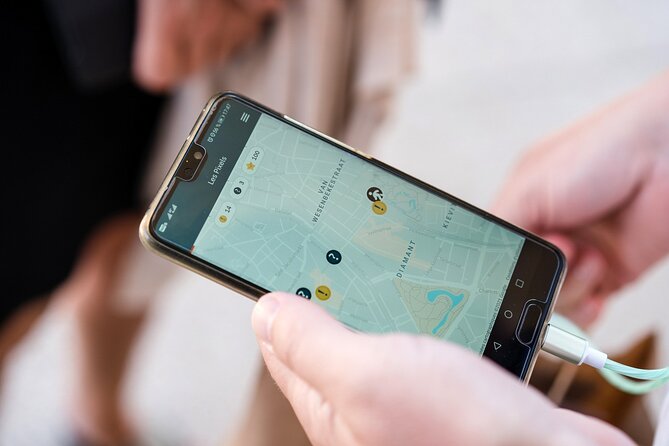
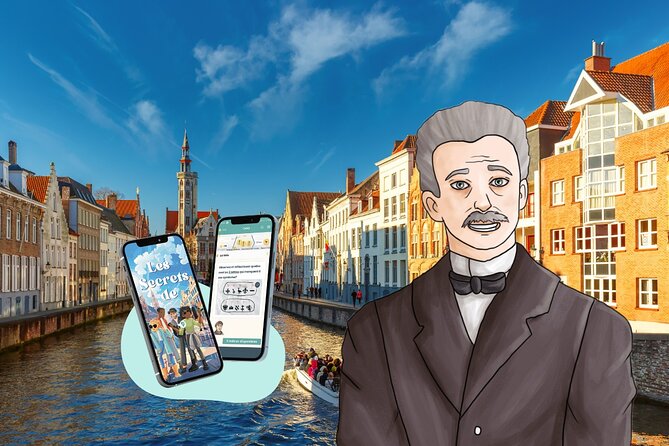
This experience is an urban escape game played on your phone. You start with a virtual character that travels with you through Bruges, then hands you challenges in the form of riddles. Instead of just walking from stop to stop, you solve tasks in the streets, and each solved piece nudges you toward the next location.
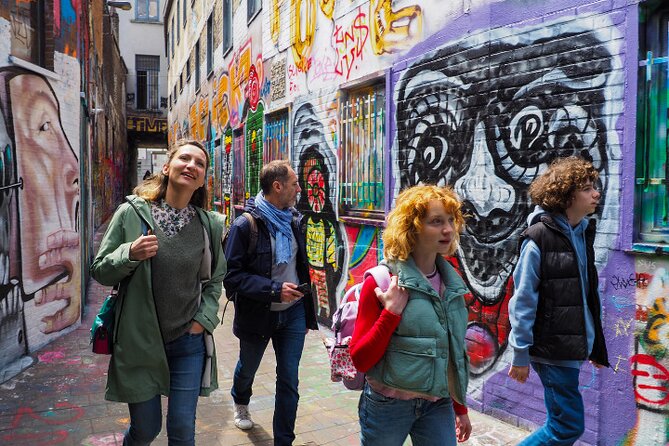
Why this works so well in Bruges is simple: the city rewards looking carefully. Rows of stepped gables, canal-side edges, and ornate churches are the kind of sights that feel more satisfying when you notice the smaller stuff. The game basically trains your eyes. You won’t just pass a famous building, you’ll end up investigating what it looks like and what it might represent.
I also like the tone of the experience. It’s not a hard-core escape room. It’s more like a clever scavenger hunt with historical anecdotes woven into the locations. That matters if you have a mix of ages, or if you’re not sure everyone will enjoy “just touring.”
Getting started near Jan van Eyckplein, and keeping it to about 2 hours
You begin at Jan van Eyckplein (8000 Brugge, Belgium) and you finish back at the starting point. The duration is listed as about 2 hours, but the game is designed for you to play at your own pace. That flexibility is great if you want to pause for photos, step inside a monument area if it’s open, or slow down when a puzzle needs more teamwork.
Pricing is per group: $29.79 per group up to 6. That’s usually where this type of activity becomes good value. If you split it across a couple friends or a small family, the cost per person drops fast compared with many guided options.
Also, it’s offered in English, and confirmation is received at booking time. The activity is private, meaning only your group plays, not a mixed crowd that forces you to keep up.
One small practical note: since it’s a mobile-ticket experience, you’ll want to have your phone ready and charged before you start.
Rozenhoedkaai at Quai du Rosaire: where missions help you spot Bruges fast
The first mission lands you at Quai du Rosaire, also known as Rozenhoedkaai. This area is famous for a reason, it frames Bruges like a postcard, with the waterline and classic canal views that make first-time visitors grin. But in a normal walking tour, you might only spend a minute here for photos.
In this game, the location is a prompt. The puzzles are designed to make you slow down enough to notice features around the quay, not just the view in front of you. Expect to stand, compare details, and work through clues in a way that feels like “wait, look at that” rather than “keep moving.”
What to watch for: canal areas can be busy, especially in peak times. If you’re aiming for a smoother start, go earlier or be ready for light foot traffic while you read clues. The good news is that the mission format helps you stay focused even when it’s crowded.
If you like to do Bruges by vibe, this is a strong opener. You get the skyline feeling immediately, then your brain starts turning because you’re solving something.
Belfort: civic power turned into riddle clues
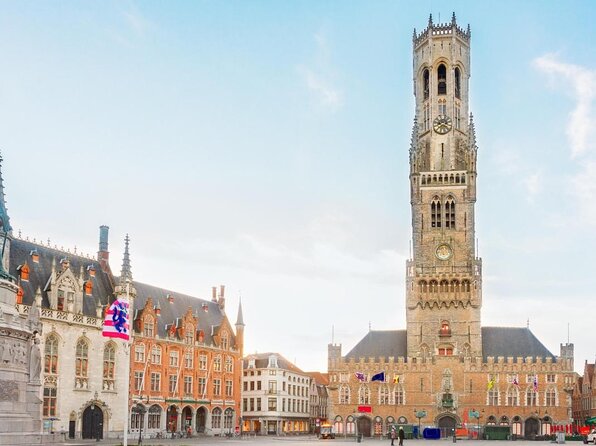
Next up is Belfort, Bruges’s iconic belfry. It’s the kind of landmark people photograph even if they know nothing about what it signified. The game’s approach helps you connect the building to the city’s character.
In practice, you’ll use the puzzle flow to pay attention to what you can see from where you stand. That could mean reading architectural cues or identifying visible elements that the riddle hints at. This is one of the reasons the activity gets such positive feedback for being instructive without feeling like a lecture. The information is tied to an actual place you’re standing in, not a stop where you only get a spoken summary.
A drawback to consider: because it’s puzzle-led, you may spend slightly longer on Belfort than you would on a quick photo stop. If you hate pausing and prefer constant motion, this might feel a bit “game-first.” For most people, though, it’s a win because it makes the landmark feel personal.
Still got an afternoon? Try these:
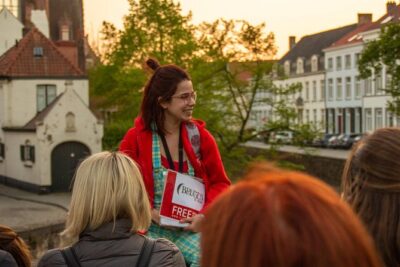
Princely Beguinage Ten Wijngaarde: slow down in a quieter pocket
Then the game moves you to The Princely Beguinage Ten Wijngaarde. This is where Bruges shifts tone. The beguinage is famous for its calm, enclosed feeling, and it often gives visitors a different side of the city than the market streets do.
The mission format is ideal here because a quiet place makes you read and look more carefully. You’ll work through challenges that encourage attention to details around the area, and the experience includes historical anecdotes and information related to the monuments and facades you pass.
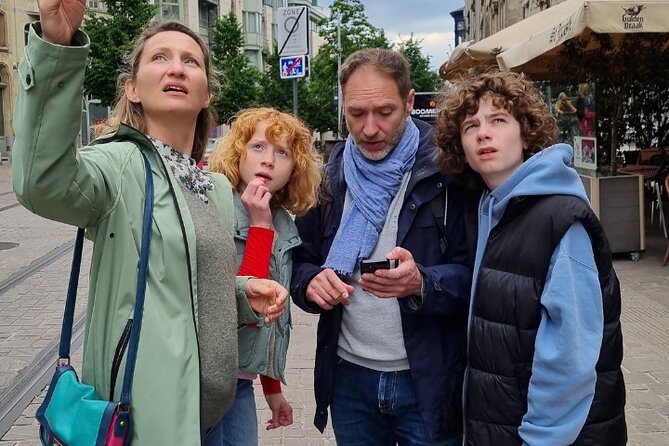
If you travel with kids or teens, this is often the part where they start enjoying the game more than the older members expect. Puzzles turn “walking in circles” into “solving a mission,” and the beguinage’s calmer atmosphere gives the team a chance to regroup.
Possible consideration: beguinages and calm areas can be less open or less flexible for wandering compared with wider public streets. Keep an eye on your phone screen and stay aware of local pathways while you search for clue answers.
Onze-Lieve-Vrouwekerk: big church energy, but with puzzle pacing
The final stop is Onze-Lieve-Vrouwekerk. This is one of Bruges’s main church landmarks, and it can feel impressive in a purely visual way. Here, the game helps you slow down and focus on the place through the lens of clues rather than just scale.
When you reach the church area, you’ll be in the part of the game where concentration matters. The riddle approach makes you pay attention to what’s immediately noticeable, and it also encourages you to keep moving with purpose. For people who like to feel productive while sightseeing, this part delivers because you’re actively doing something, not only standing.
One practical note: churches can have their own visitor rhythms. If there are restrictions on where you can walk or stand, work with what you can see from your permitted position. The game is designed for city streets and public viewing points, so plan to solve from the spot rather than expecting full freedom everywhere.
Why this puzzle format is good value for Bruges
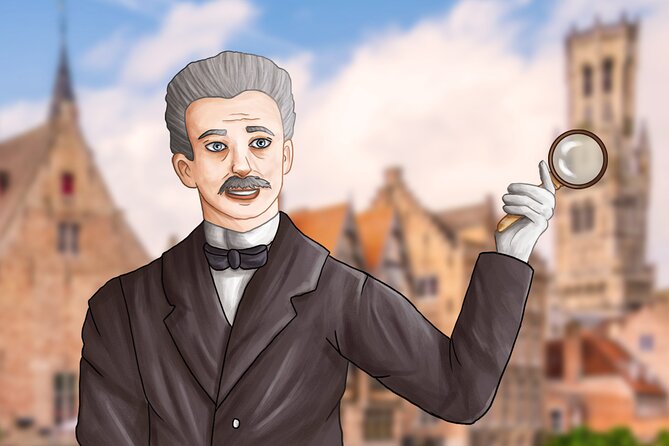
At $29.79 per group up to 6, you’re paying for a self-guided experience that combines orientation, storytelling, and entertainment. That’s a lot to get for one price, especially if you compare it to paying separately for a guided tour plus time spent trying to figure out what to do on your own.
Here’s the value breakdown I see:
- You get a structured walk that helps you learn the city quickly. Missions push you to cover real ground without you needing a map app strategy.
- You get historical anecdotes tied to what you see. The content is delivered in bite-sized moments because it’s triggered by the game.
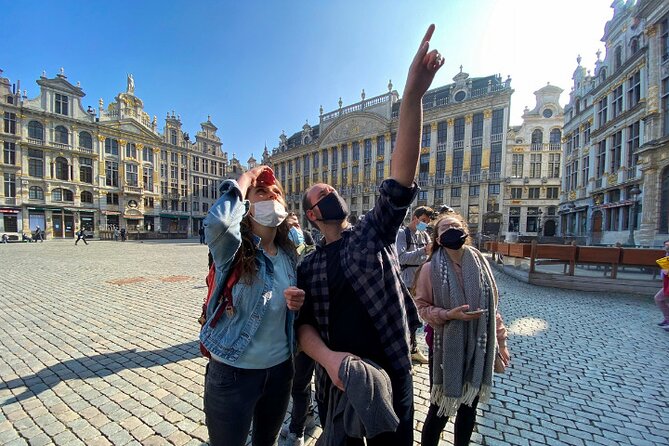
- You get team play. People often love this format because it gives each person a job: one reads, one checks details, one enters answers.
- You get a summary of the adventure with photos at the end. That helps you remember, and it also gives you a sense of completion.
There’s also included 24/7 online support if you hit a roadblock. And your game validity can last up to 3 years, which is unusual and handy if you want to repeat the fun with a new group later.
If you’re the type who likes to keep your schedule flexible, playing at your own pace is a big deal. You’re not locked into a group departure time mid-day, yet you still have a plan that keeps you from wandering aimlessly.
What to bring, and how to make the most of the phone guide
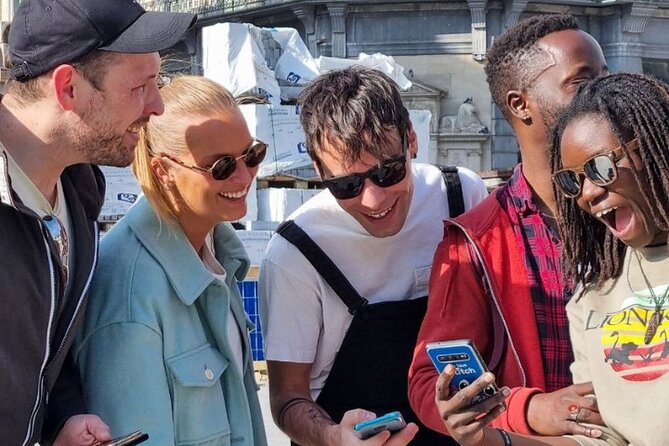
The activity uses a smartphone guide and a mobile ticket. That means you should plan to bring:
- Your own smartphone
- A charged battery (and ideally a backup power option, if you have one)
Food and drink are not included, so build in your own snack stop. Luckily, Bruges has plenty of options nearby depending on where your game progress lands.
Since the service is offered in English and includes online support, you’re not stuck alone if something isn’t loading or you’re confused by a clue. Also, the game allows service animals, and it’s near public transportation, so you can fit it into a broader Bruges day.
If you want the game to run smoothly, take one minute before you start to do basic phone setup: confirm you have power, confirm the app or mobile ticket is accessible, and turn off anything that drains your battery quickly.
Where this fits in your Bruges plan, and who it suits best
This works best if you want sightseeing with brainpower, but you don’t want a full-day commitment. Because it’s about 2 hours, it can slot into a morning when you’re fresh, or an early afternoon before dinner.
I’d recommend it for:
- Families who want something more active than a standard walking tour
- Small groups of friends who like teamwork and friendly competition
- Travelers who know Bruges is compact, but want help learning it without spending hours studying maps
It may be less ideal if:
- You strongly prefer a traditional guide speaking face to face
- You don’t like puzzles or you want zero stopping to think
- Your phone battery is unpredictable and you can’t bring a charger
Should you book this Bruges secrets by playing game?
If you’re planning your Bruges trip and want a way to learn the city quickly while keeping it fun, this is a smart pick. The missions format makes you pay attention in a good way, and the locations connect directly to major Bruges landmarks like Rozenhoedkaai, Belfort, Ten Wijngaarde, and Onze-Lieve-Vrouwekerk.
Book it if you like:
- self-paced walking
- team problem-solving
- short sightseeing bursts around key sights
Skip it if you want:
- a passive, commentary-heavy experience
- a tour that doesn’t involve reading clues on your phone
My bottom line: for the price per group, and the mix of famous stops plus calmer corners, this turns Bruges into an active game you can finish in about two hours and still feel you learned something real.
FAQ
Where does the game start in Bruges?
The meeting point is Jan van Eyckplein, 8000 Brugge, Belgium.
How long does the experience take?
The duration is listed as about 2 hours.
Is this activity private?
Yes, it is a private tour/activity, and only your group will participate.
What is the maximum group size?
The price is per group for up to 6 people.
What language is the smartphone guide offered in?
It is offered in English.
Do I need to bring a smartphone?
Yes. The smartphone is not included, so you will need your own device and battery.
What is included with the ticket?
Included features are a fun city tour, 24/7 online support, and a summary of your adventure with photos at the end, plus game validity up to 3 years.
What time can I play?
The listed opening hours run from 12:00 AM to 11:30 PM.
Is there a place to contact support if I get stuck?
Yes, the experience includes 24/7 online support.
What is the cancellation policy?
You can cancel for a full refund if you cancel up to 24 hours in advance. If you cancel less than 24 hours before the start time, the amount paid is not refunded.
Latest from Bruges

Bruges Experiences, compared.
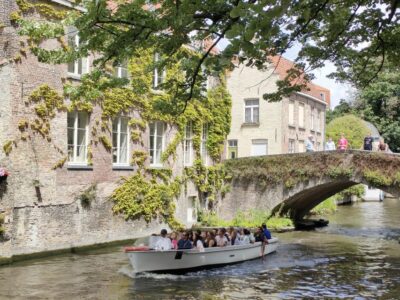
Small Group Boat Cruise and Guided Walking Tour
Read our review →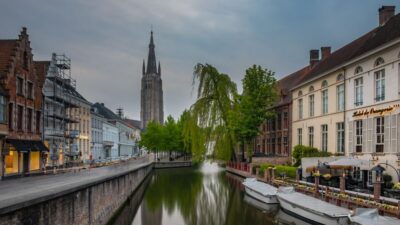
Guided Tour & Boat Ride with Optional Beer Tasting
Read our review →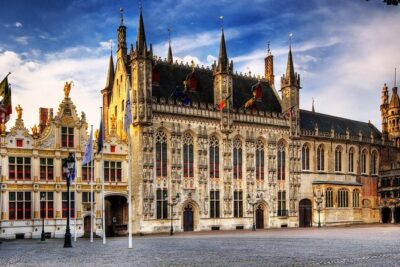
Choco-Story Museum with Audio Guide and Tastings
Read our review →
Great War Flanders Fields Minibus Tour w/ Lunch
Read our review →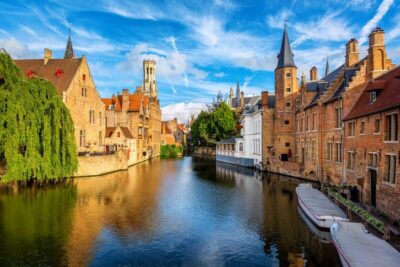
Round-Trip Shuttle Service from Zeebrugge to Bruges
Read our review →
Belgian Waffle-Making Workshop with Beer Tasting
Read our review →Browse the lists this tour appears in