
Reviewed · MUSEUMS
Bruges: Ticket Volkskundemuseum (Folk Museum)
Bruges has a folk museum worth slowing down for. At the Volkskundemuseum, you step into restored daily life from the 1800s and early 1900s, then top it off with temporary exhibits that change the feel of your visit.
I love how the museum turns whole rooms into a lived-in snapshot, from laborers’ dwellings to a vintage pharmacy and tailor’s workshop. I also like the sheer variety of small objects on display, including tobacco items, pipe heads, pilgrimage pennants, vintage children’s games, and even cake and chocolate molds.
One possible drawback: if you mainly want large-scale art or sweeping city views, this stop is quieter and more object-focused than that kind of museum.
In This Review
- Key highlights to plan around
- Volkskundemuseum Bruges: a folk museum that reads like everyday life
- The main rooms: laborers’ homes, shops, and trades you can actually picture
- Laborers’ dwellings, arranged to show real routines
- Classroom time travel
- Vintage pharmacy and the business of health
- Tailor’s workshop, where work is the star
- Confectionery store and the world of treats
- Grocery store details that feel practical, not dusty
- The object collection: tobacco items, pipe heads, pilgrimage pennants, and more
- Upper-floor rotating exhibitions: a reason to return and a way to keep it fresh
- Indoor gardens and folk games: where the museum gets playful
- Mid-winter Festival in December: a seasonal reason to time your visit
- Sweet maker afternoons: when the museum gets that smell of treats
- Price and value for a $9 one-day Bruges ticket
- Practical tips: bags, pets, photos, and how to keep your day smooth
- Who this Bruges Folk Museum ticket is best for
- Should you book the Volkskundemuseum ticket?
- FAQ
- Where is the Volkskundemuseum in Bruges?
- How much does the ticket cost?
- How long is the experience?
- What kinds of rooms and displays can I expect?
- Are pets or flash photography allowed?
- Is it free for children?
Key highlights to plan around
- Restored 19th-century and early 20th-century interiors that feel like you walked into ordinary life
- Antique everyday artifacts like pipe heads, tobacco items, pilgrimage pennants, and candy molds
- A rotating temporary-exhibition program on the upper floor, so the museum can feel different
- Indoor gardens for folk games, a fun break from reading labels
- Seasonal programming, including a Mid-winter Festival in December
- Sweet maker special afternoons on the first and third Thursday afternoons (noted through Sep 21, 2023, with a return in 2024)
More Museum Visits in Bruges
- Bruges: Choco-Story Museum with Audio Guide and Tastings
★ 4.2 · 1,825 reviews - Choco-Story: The Chocolate Museum in Bruges
★ 4.0 · 544 reviews - Bruges: Chocolate Making Workshop and Chocolate Museum Entry
★ 4.6 · 395 reviews - Bruges: Musea Brugge Card with Entry to 11 Museums
★ 4.6 · 328 reviews - Bruges: Museum of the Church of Our Lady Entry Ticket
★ 4.6 · 213 reviews
Volkskundemuseum Bruges: a folk museum that reads like everyday life
The Volkskundemuseum, also known as the Folk Museum, is one of those Bruges experiences that doesn’t try to impress you with size. It impresses you with attention. You move room to room, and each space is staged to show how people worked, shopped, learned, and played during the 19th century and the early part of the 20th century.
What makes it feel special is that it focuses on daily routines, not just famous moments. Instead of a single theme like paintings or battles, you get a patchwork of ordinary life, preserved in practical, concrete details. That includes working spaces you would recognize even today, like a classroom or a tailor’s shop, plus everyday goods that make the past feel specific.
At the end of the day, you’re left with the sense that history lives in the stuff you’d normally walk past. And if you enjoy museums that you can slow down in, this one fits nicely into a Bruges itinerary.
The main rooms: laborers’ homes, shops, and trades you can actually picture
The heart of the Volkskundemuseum is its restored interiors. These are not just “look at this object” displays. They’re arranged to help you picture how life unfolded in Bruges at the time.
Laborers’ dwellings, arranged to show real routines
One of the museum’s biggest draws is the restored feel of laborers’ dwellings. You’re seeing historical interiors that preserve the feel of 19th-century and early 20th-century daily life. The effect is simple: it’s easier to understand the past when you’re standing in a space that matches the story.
You’ll also notice that these rooms are packed with period details. That’s where the museum earns its reputation. The aim is not to make the setting theatrical. It feels more like somebody stepped out for a moment.
Classroom time travel
An old classroom gives you a quick, human way into the era. Even without needing extra background, you can connect the setting to learning, routines, and growing up. This room is especially strong if you like museum stops where you can translate the scene into your own experiences.
Still got an afternoon? Try these:

Vintage pharmacy and the business of health
The vintage pharmacy shows what medicine and health practices looked like in everyday terms. It’s not just a backdrop. You’re surrounded by an atmosphere of careful preparation and trade.
This is also a good place to slow down if you like reading object labels. Small items displayed in trade contexts tend to stick in your memory.
Tailor’s workshop, where work is the star
A tailor’s workshop makes a lot of sense in a folk museum, because tailoring was real work that shaped daily life. You can see the shop feel, and it’s an easy jump from watching how objects were made to thinking about how clothes were obtained and repaired.
If you’re the kind of traveler who likes understanding how people lived, this workshop helps you do that quickly.
Confectionery store and the world of treats
The confectionery store is another highlight because it brings the past to life through taste and texture. Even before a sweet maker event happens, you get a strong sense of candy culture and home baking traditions through items like cake and chocolate molds.
And if your visit lines up with special programming, the museum can become even more sensory, with sweet aromas in the spaces during scheduled dates.
Grocery store details that feel practical, not dusty
The charming grocery store is the practical mirror to all the workshops. It helps you connect labor and trade to the daily act of feeding a household. This is where the museum’s approach shines: it doesn’t treat history like a distant lecture. It treats it like daily logistics.
The object collection: tobacco items, pipe heads, pilgrimage pennants, and more
The Volkskundemuseum shines brightest when you focus on the smaller items. The museum preserves a treasure trove of antiques and objects linked to everyday culture, from tobacco products and finely crafted pipe heads to pilgrimage pennants and vintage children’s games.
Here’s why this matters: these items are the kind of things that help you understand habits and identity. Tobacco goods and pipe heads point to leisure routines and craftsmanship. Pilgrimage pennants connect travel, belief, and souvenirs. Children’s games show what kids did, how they entertained themselves, and what families invested in.
And the candy-related artifacts, including cake and chocolate molds, give you a sweet bridge between household life and local tradition. You’re not just seeing “old stuff.” You’re seeing clues about daily behavior.
One practical note for your visit: don’t feel like you have to read every label in one pass. Pick a couple of categories that interest you, like toys and games or food-related molds, and let those guide your pace.
Upper-floor rotating exhibitions: a reason to return and a way to keep it fresh
On the upper floor, you’ll find engaging activities and captivating exhibitions. The museum also runs rotating temporary exhibitions, so part of what makes your visit worthwhile is that you might not see the exact same displays as another date.
This is a smart approach for a one-day ticket. If your schedule only allows one museum stop in Bruges, a rotating program increases the odds that you’ll see something that connects directly with what you enjoy, whether that’s daily culture, craft, or a different angle on folk life.
The best way to use this space is to treat it as a second chapter. After you’ve absorbed the restored interiors below, the upper-floor exhibits can feel like commentary, variations, or add-ons that round out what you already learned through the rooms.
Indoor gardens and folk games: where the museum gets playful
Not every museum offers a break from standing still. Here, the museum includes indoor gardens where you can explore folk games.
That matters because folk games connect the past to movement and participation, not just observation. Even if you’re not sure what you’re looking at at first, this type of space makes it easier for kids and adults to engage without feeling overwhelmed by details.
It also helps the museum feel less like a quiet archive and more like a cultural experience. If you’re traveling with young visitors, this is often the part that keeps energy up without needing a separate activity.
Mid-winter Festival in December: a seasonal reason to time your visit
In December, the museum hosts a heartwarming Mid-winter Festival. If your trip overlaps with this time of year, you’ll get an extra layer of atmosphere beyond the restored interiors.
Festivals like this fit the Volkskundemuseum theme well. Folk museums are at their best when they show that culture is lived, not only stored behind glass. A seasonal event in a building dedicated to everyday life tends to feel natural rather than forced.
If December is on your travel radar, this is one of the few places in Bruges where the calendar can genuinely change what you experience.
Sweet maker afternoons: when the museum gets that smell of treats
One more special detail worth planning around: during the first and third Thursday afternoons of each month, a sweet maker can fill the museum with the aromas of delicious treats. The information provided notes this sweet-making run through Sep 21, 2023, with a return in 2024.
What you should do with this, practically: if you care about sensory details and you like the idea of food as part of cultural history, aim for those Thursday afternoons when possible. If you’re planning later than the noted dates, check the museum’s current schedule before you commit, since programming can change.
Even if you miss the sweet maker, the museum still has strong food-related displays, like cake and chocolate molds, that give you a sense of how sweets fit into household life.
Price and value for a $9 one-day Bruges ticket
At about $9 per person, this ticket is good value if you like museums that focus on daily culture. You’re paying for restored rooms, a collection of period objects, and access to temporary exhibitions.
The value gets even better if you’re traveling with kids. Children under 13 can get a free ticket at the box office, which makes this a budget-friendly family option.
Also, you can skip the ticket line, which helps on travel days when you’d rather spend time inside the museum than waiting outside it. And the ticket is valid for one day, with starting times depending on availability, which gives you flexibility if you’re building your day around Bruges walking routes.
If you’re trying to do one indoor activity between outdoor sights, the museum’s content is dense enough to justify the entry price without demanding a full travel-day commitment.
Practical tips: bags, pets, photos, and how to keep your day smooth
This is the kind of museum where you’ll want to move light. The museum does not allow luggage or large bags. It also does not allow pets, except assistance dogs. Flash photography is also not allowed.
So, plan for a comfortable, hands-free visit. Wear shoes that work well on indoor surfaces, and keep your camera use simple. If you like photography, remember you can still take photos without flash, but your device settings may need a bit of trial to handle indoor lighting.
Finally, if you’re traveling with a child under 13, make sure you know the free-ticket rule at the box office. That can be a real budget win.
Who this Bruges Folk Museum ticket is best for
I think the Volkskundemuseum is a great fit if you enjoy:
- Museums that focus on everyday life, not just major monuments
- People who like object details, like crafts and household items
- Families who want a child-friendly museum setting with both rooms and indoor garden play
- Travelers who want at least one indoor stop that feels close to real history
It may feel less ideal if your museum priorities are big-ticket spectacle, large painting collections, or long guided narratives. This museum is about rooms and things, and it rewards curiosity and patience.
Should you book the Volkskundemuseum ticket?
If you want one solid, cost-effective cultural stop in Bruges, I’d book this. The restored interiors give you instant context, and the mix of shops, trades, and everyday objects helps you understand how people lived, worked, and celebrated. The upper-floor rotating exhibitions and the occasional seasonal events add a chance that your specific visit will feel a little different.
If your travel style is more about iconic sights and views, this might be a smaller shift. But even then, the price, the skip-the-line approach, and the museum’s focus on daily life make it a smart addition.
FAQ
Where is the Volkskundemuseum in Bruges?
The Volkskundemuseum (Folk Museum) is in Bruges, in Flanders, Belgium.
How much does the ticket cost?
The ticket is listed at $9 per person.
How long is the experience?
The ticket is valid for 1 day.
What kinds of rooms and displays can I expect?
You can see restored laborers’ dwellings, an old classroom, a vintage pharmacy, a tailor’s workshop, a confectionery store, a grocery store, and rotating temporary exhibitions.
Are pets or flash photography allowed?
Pets are not allowed, except assistance dogs. Flash photography is not allowed.
Is it free for children?
Yes. Children under 13 can obtain a free ticket at the box office.
Latest from Bruges

Museums, compared.
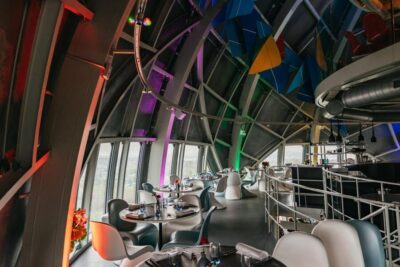
Atomium Entry Ticket with Design Museum Ticket
Read our review →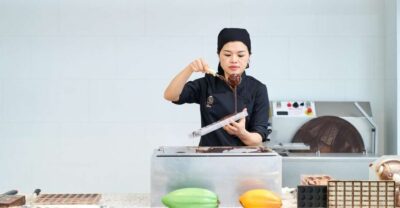
Choco-Story Brussels: Chocolate Museum Entrance with Tasting
Read our review →
Choco-Story Museum with Audio Guide and Tastings
Read our review →
The World of Banksy Museum Permanent Exhibition
Read our review →
Browse the lists this tour appears in