
Reviewed · WINE TOURS
Bioul (near Dinant) : Château de Bioul Tour and Wine Tasting
A Belgian château with wine built in. Château de Bioul near Dinant turns a heritage visit into something you can actually taste, with vineyards, winery access, and a tasting in one day. What I love is the mix of serious architecture plus hands-on wine know-how.
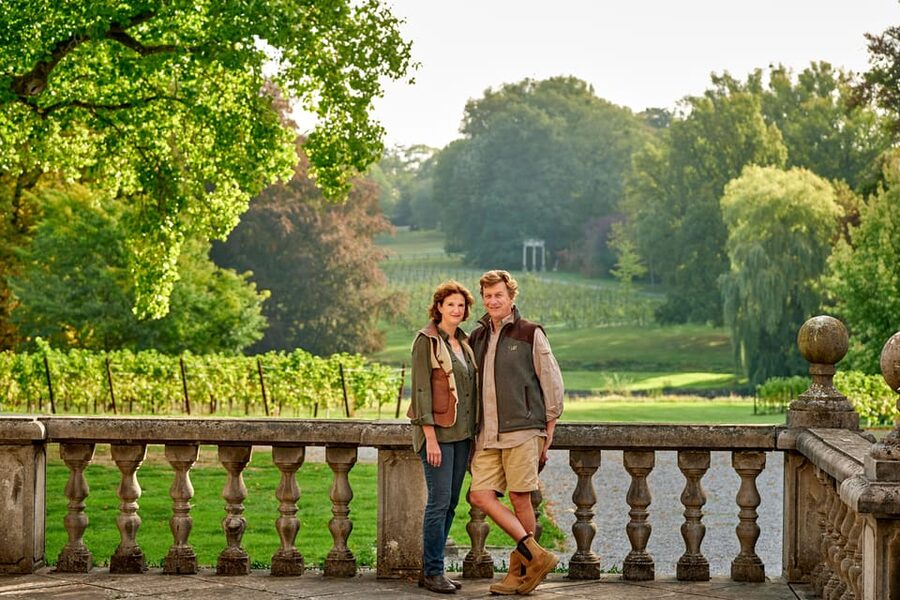
I also like how the visit is rooted in real people and real continuity, since the château has been protected by the same family for generations and is now in the hands of Andy and Vanessa Wyckmans-Vaxelaire. One drawback to consider: you do a fair amount of walking through the park and château, so it is not a good match if you have mobility limits or use a wheelchair.
In This Review
- Key highlights worth planning around
- Château de Bioul near Dinant: a heritage estate that you can explore
- The family legacy: why this château still feels personal
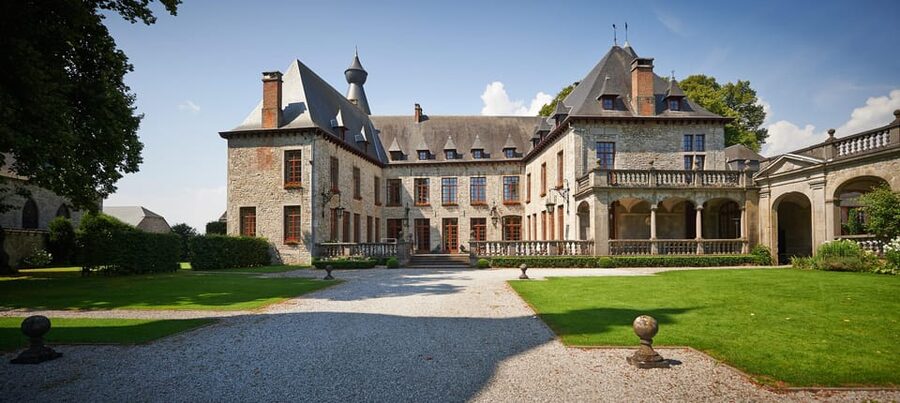
- Entering the château grounds: architecture, rooms, and the centenary park
- The discovery tour: what you actually learn as you walk
- Vineyards and winery access: seeing the path from grape to glass
- The Le Bon Marché to GB-INNO-BM story (and why it shows up here)
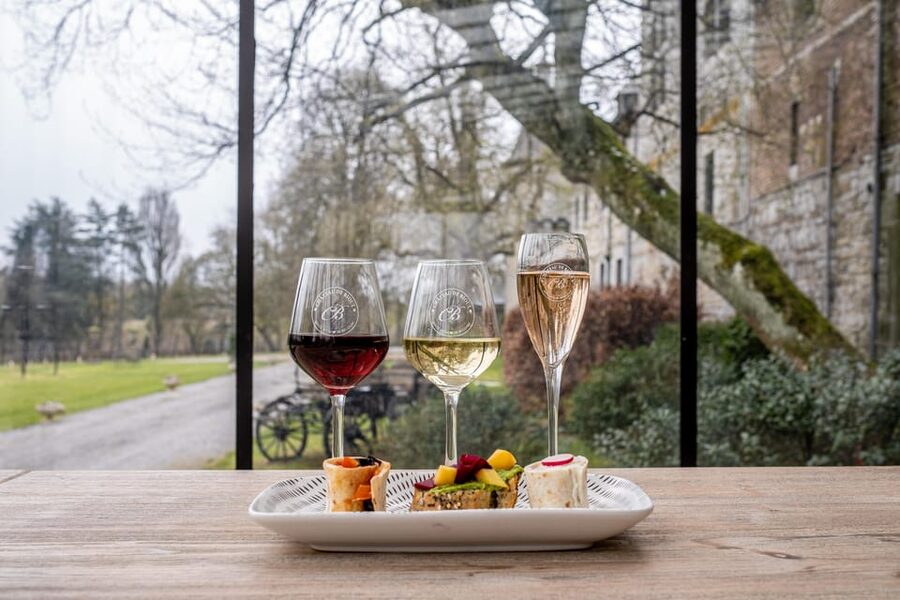
- Wine tasting on site: local wines and estate products
- Languages, guide support, and how to make the most of it
- Price and value: is $35 fair for a one-day château and tasting?
- Who this tour suits best (and who should skip it)
- Practical tips for your visit (so the day runs smoothly)
- Should you book Château de Bioul for a château tour and wine tasting near Dinant?
- FAQ
- How long is the Château de Bioul tour?
- What is included in the experience?
- Is transportation or meals included?
- What languages are available for the audio guide?
- Can I take photos inside the château?
- Is the tour suitable for wheelchair users or mobility impairments?
- What should I bring, and is smoking allowed?
Key highlights worth planning around
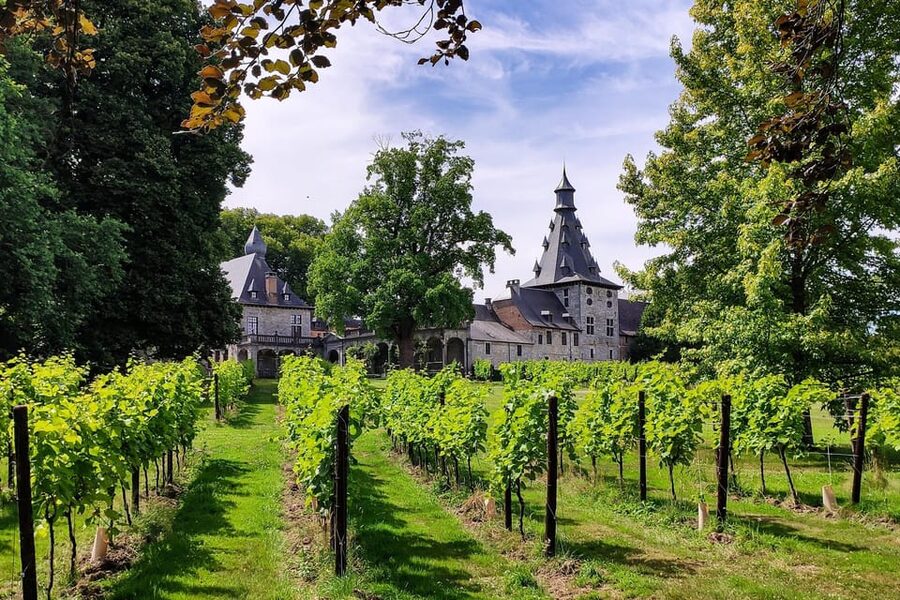
- A 10th-century landmark tied to the Seigneurie de Bioul and noted figures from medieval times
- Estate discovery tour that includes the château grounds plus access to vineyards and the winery
- Centenary park access, with a tree-lined setting that makes the stroll part of the experience
- From grape to glass learning, so the wine tasting feels more meaningful
- Family-business stories that include the estate’s long tradition and a surprising Le Bon Marché to GB-INNO-BM link
More wine tasting in Wallonia:
- Belgian Wines Tasting in a UNESCO Heritage Home in Ghent
★ 5.0 · 7 reviews - Wine and Painting Workshop Experience in Brussels
★ 5.0 · 6 reviews - Bruges, Bike Tour with Chocolate Tasting & Hot Wine/Chocolat
★ 4.8 · 5 reviews - Private Wine Tasting in Boomgaardstraat Antwerp
★ 5.0 · 1 review
Château de Bioul near Dinant: a heritage estate that you can explore
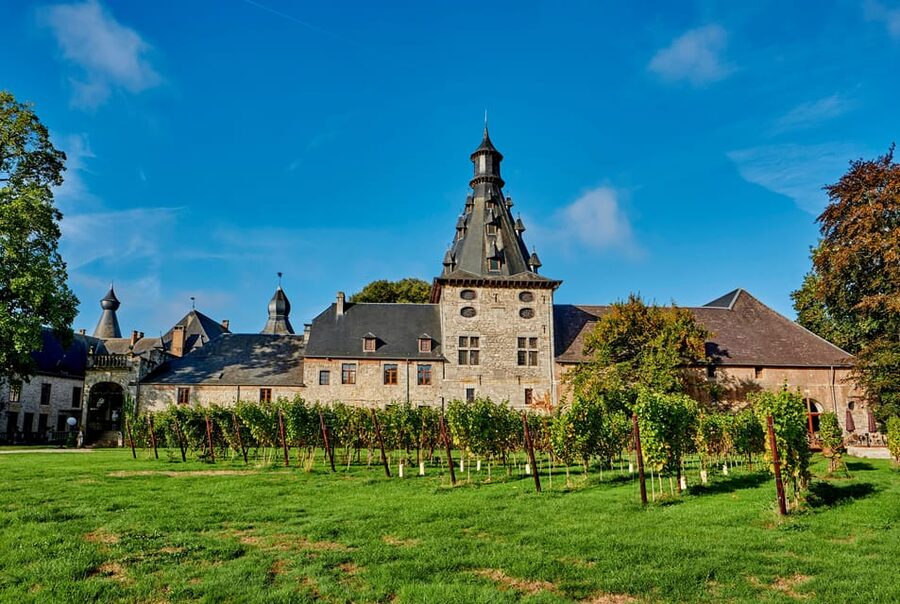
Château de Bioul sits in Wallonia, close to Dinant, and it feels like the kind of place you slow down for. This is not just a quick stop to say you saw a château. You are walking through a preserved estate where history is not locked behind a rope, at least not everywhere.
The core value is that you get two experiences for the price of one: a guided-style look at the property and its past, plus a wine-focused visit that ends with tasting local wines and products. For $35 per person, it is a practical way to connect the dots between what you see and what you drink.
The family legacy: why this château still feels personal
One thing that makes this visit more than sightseeing is the family narrative that runs through the whole experience. The Seigneurie de Bioul has been a landmark since the 10th century. Later, Gobert d’Orbais, also known as Gobert de Bioul, appears in writings from 1210 as a prominent knight and lord. That medieval thread gives the place weight.
Then you jump forward to modern times, and it gets even more interesting. Since 1906, the château has been carefully preserved by the same family. Today, Andy and Vanessa Wyckmans-Vaxelaire, heirs to the estate’s management, are the current owners. That continuity matters because the tour is not just about artifacts, it is about stewardship.
You also learn the family values that guide how they maintain the château and its project: love, solidarity, and respect. Their motto, In Arduis Constans (perseverance in difficulty), is more than a slogan. It helps explain why the estate is still functioning and still welcoming visitors.
Entering the château grounds: architecture, rooms, and the centenary park
Your day is built around a discovery tour, not a rushed checkpoint list. You get access to the centenary park, plus the château and its key spaces. Expect a tree-lined park that is described as impressive in its splendor. In plain terms, it is the part of the visit where you can breathe between the more formal history bits.
Inside the château, the building itself is part of the attraction. The architecture reflects different epochs, so you are not looking at one uniform style. You will see statues, period decorative elements, and secret corners. That word matters. It is not a single museum room. It is a property with room-to-room surprises.
Practical tip: wear comfortable shoes. Even if the “walk” does not sound dramatic, you are moving through park paths and château areas where your feet will do most of the work.
The discovery tour: what you actually learn as you walk
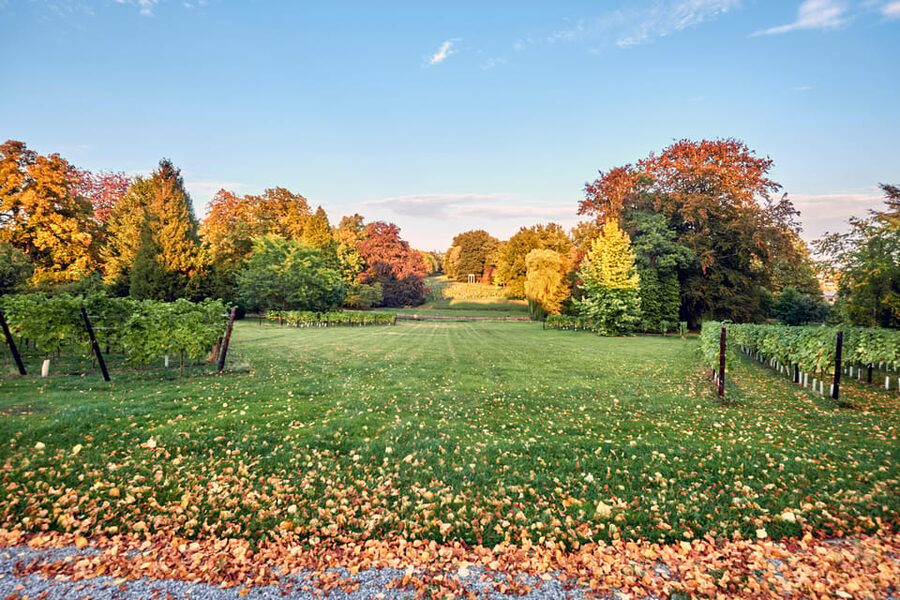
The estate visit is designed like a guided storyline. You start with the grandeur of the château and park, then you shift toward what the estate does today. The tour includes access to the vineyards and the winery, and that is the turning point.
Instead of treating wine as a separate activity, the visit builds a bridge:
1) You learn about the estate and its heritage setting
2) You move into the growing and production areas
3) You finish with a tasting, so you can connect your glass to what you saw
That flow is why the visit feels cohesive. Many wine stops end after the tasting. Here, you learn how the operation works on site, so the tasting feels like the final page of a story, not the opening line.
More Food Tastings in Wallonia:

Vineyards and winery access: seeing the path from grape to glass
This is where the tour earns its money. You do not just stand near vines for photos. You get access to the vineyards and winery, then you learn the journey of the estate’s vintages from grape to glass.
Even without getting overly technical, this kind of walkthrough changes how you taste. You start noticing things you would normally ignore, like how the estate frames its production and what it highlights as part of its identity.
If you care about Belgian wine specifically, this is a strong angle. You are tasting local bottles tied to the very land and facilities you toured. That “same place” connection is what turns a tasting into a real understanding.
The Le Bon Marché to GB-INNO-BM story (and why it shows up here)
You might wonder why a château tour would include corporate history. But the experience includes the history of the Le Bon Marché, which became the GB-INNO-BM group. That element is a reminder that estates and families often connect to wider economic stories over time.
Think of it as context. If you want to understand a place in Belgium, you learn not just what it looks like, but how the people behind it lived, worked, and adapted. Even when the link feels indirect, it adds texture to what the estate represents.
Wine tasting on site: local wines and estate products
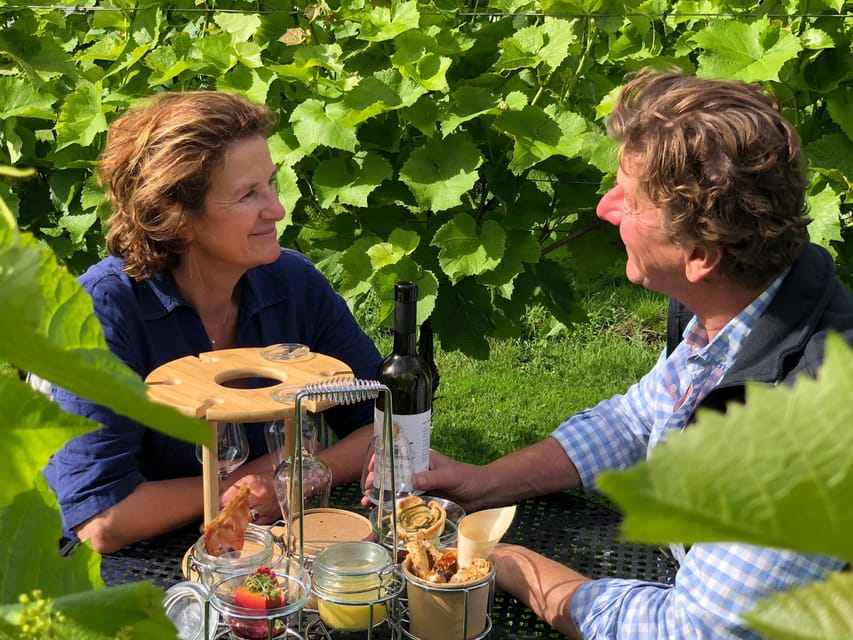
The day ends with a tasting of local wines and products in the heart of the estate. The experience is straightforward: you try what the château offers, then you get to relate it to the vineyards and the production areas you visited earlier.
What I like about this format is that it keeps expectations honest. You are not trying to make this a long culinary class. You are getting a focused taste that matches the tour theme: estate heritage plus wine savoir-faire.
One consideration: details on the exact lineup of wines or products are not spelled out here, so you should expect a local selection that fits what the estate has available during your visit. The tasting is still the highlight, just do not plan it like a menu with guaranteed labels.
Languages, guide support, and how to make the most of it
The experience includes an audio guide in French and English. There is also host or greeter support in French and English. If you prefer to follow along at your pace, the audio guide helps you control the timing, especially in the château where you might want to pause for photos and then keep moving.
Photography is allowed, but no flash inside the château. That rule is important for your photos and also for the objects you are viewing. If you like crisp pictures, plan on using available light and keeping your camera settings sensible.
Price and value: is $35 fair for a one-day château and tasting?
At $35 per person for a 1-day experience, this can be good value if you want a compact, meaningful day near Dinant. You are paying for:
- a discovery tour of the estate
- access to vineyards and winery
- access to the centenary park
- the tasting of local wines and products
- audio guide support in French and English
Where value gets tricky is time and mobility. If you cannot do much walking, you may miss part of the estate that makes this tour special. If that is your situation, it can still be worth asking questions in advance, but based on the stated unsuitability for wheelchair users, you should treat the walking as a core part of the plan.
If you are comfortable on your feet, the $35 starts to feel like a bargain for a full estate visit plus tasting, not just a short stop and a sample.
Who this tour suits best (and who should skip it)
This fits best if you:
- want a château visit that includes wine production access
- like heritage with a hands-on component
- enjoy learning stories tied to a place, including family continuity and estate values
- want a 1-day plan near Dinant without needing a complicated itinerary
It is less suitable if you:
- have mobility impairments or require wheelchair access
- are looking for an entirely seated experience
- want a strictly museum-style tour with zero walking
Also, bring the basics. Comfortable shoes matter here. Bring a camera if you want to capture the château and park views.
Practical tips for your visit (so the day runs smoothly)
Check weather conditions before you go. A château day is still a walking day. Also, note that photography has restrictions inside the château, so prepare accordingly.
Plan to spend enough time inside. With secret corners and period decorative elements, you will likely want a slow pace. If you rush, you will miss the detail that makes this estate feel lived in rather than staged.
The tour duration is listed as 1 day, and availability depends on starting times. So, pick a slot that matches your energy level. The biggest mistake is choosing a time that leaves you too tired for the vineyards and winery access.
Should you book Château de Bioul for a château tour and wine tasting near Dinant?
I think you should book if you want a one-day experience that connects heritage and wine in a way that feels real, not random. The property access, the vineyard and winery visit, and the tasting of local wines and products are the three pillars that make this worth your time.
Skip it if walking is a major issue for you, because the visit is clearly built around exploring the château and park areas on foot. Also skip it if you only want a quick photo stop, because this is about learning and experiencing the estate as a whole.
If you are in Wallonia for a few days and you want something more authentic than a checklist attraction, Château de Bioul is a strong pick for your itinerary.
FAQ
How long is the Château de Bioul tour?
It is valid for 1 day. You should check availability to see the starting times.
What is included in the experience?
You get a discovery tour of the estate, wine tasting session, access to the vineyards and winery, and access to the centenary park.
Is transportation or meals included?
No. Transportation to and from the château and meals are not included.
What languages are available for the audio guide?
The audio guide is available in French and English. The host or greeter is also listed in French and English.
Can I take photos inside the château?
Yes, photography is allowed, but no flash is permitted inside the château.
Is the tour suitable for wheelchair users or mobility impairments?
No. It is not suitable for people with mobility impairments or for wheelchair users.
What should I bring, and is smoking allowed?
Bring comfortable shoes and a camera. Smoking is not allowed.
Latest from Wallonia



Wine Tours, compared.
Belgian Wines Tasting in a UNESCO Heritage Home in Ghent
Read our review →
Wine and Painting Workshop Experience in Brussels
Read our review →
Bruges, Bike Tour with Chocolate Tasting & Hot Wine/Chocolat
Read our review →
Browse the lists this tour appears in